Comprehensive Infection Prevention and Biocompatibility
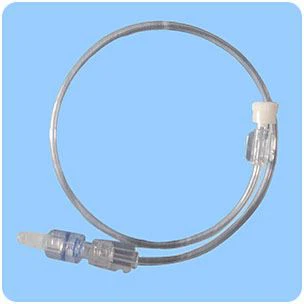
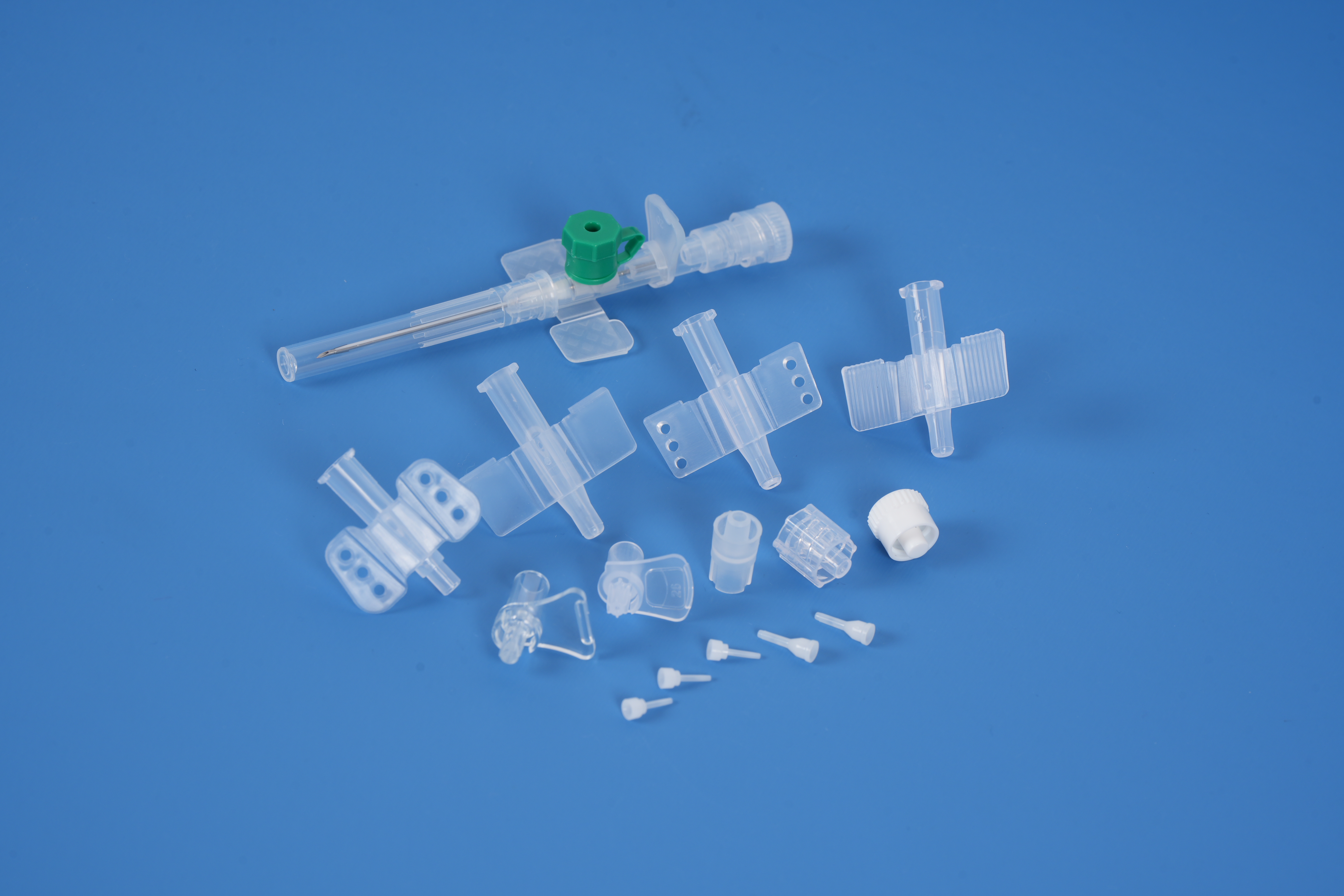
The safety iv cannula incorporates advanced infection prevention strategies and superior biocompatibility characteristics that address one of the most significant complications associated with intravascular devices: catheter-related bloodstream infections and local site complications that compromise patient safety, extend hospital stays, and substantially increase treatment costs. Healthcare-associated infections attributable to vascular access devices represent a persistent challenge across all healthcare settings, with conventional catheters serving as potential portals for bacterial entry through multiple pathways including contamination during insertion, migration of skin flora along the external catheter surface, and internal colonization from catheter hub manipulation. The safety iv cannula combats these infection risks through multiple integrated protective strategies beginning with material biocompatibility that minimizes inflammatory responses and tissue reactions that could compromise the insertion site's natural defense mechanisms. Medical-grade polymers used in safety iv cannula construction undergo extensive biocompatibility testing according to international standards, ensuring these materials do not elicit cytotoxic, allergic, or inflammatory responses when in contact with blood and tissue. The smooth catheter surfaces achieved through precision manufacturing processes reduce the microscopic irregularities and surface roughness that could otherwise serve as adherence sites for bacterial colonization or promote fibrin sheath formation around the catheter exterior. Some advanced safety iv cannula models feature antimicrobial surface treatments or coatings that actively inhibit bacterial growth on the catheter material itself. These protective technologies may include silver ion integration, chlorhexidine coating, or other antimicrobial agents that create an inhospitable environment for common pathogenic organisms including Staphylococcus aureus, coagulase-negative staphylococci, and Candida species frequently implicated in catheter-related infections. The antimicrobial activity remains effective throughout the typical catheter dwell time, providing continuous protection without requiring additional interventions or maintenance procedures beyond standard catheter care protocols. Insertion technique facilitation represents another dimension of infection prevention where the safety iv cannula design supports best-practice aseptic procedures. Packaging configurations maintain sterility until the moment of use, with intuitive opening features that minimize contamination risk during device preparation. The enhanced insertion success rates achieved through superior needle sharpness and flashback visualization reduce the number of venipuncture attempts required, thereby limiting the cumulative infection risk associated with multiple skin penetrations and the tissue trauma that compromises local immune defenses. Connection hub designs in modern safety iv cannula models increasingly incorporate features that protect against contamination during the repeated access required for medication administration and catheter flushing. Closed system connectors, needleless access ports, and integrated antimicrobial components at the hub junction reduce the bacterial introduction risk associated with breaking the closed system, which occurs frequently throughout the catheter's functional life. Some safety iv cannula systems include specialized caps or port protectors that maintain hub sterility between access episodes, addressing a vulnerability point that conventional catheters leave exposed to environmental contamination. The importance of these infection prevention features extends beyond individual patient outcomes to encompass broader healthcare quality metrics and economic considerations. Catheter-related bloodstream infections carry significant morbidity and mortality risks, often requiring extended antibiotic therapy, catheter removal and replacement, additional diagnostic procedures, and prolonged hospitalization. The associated costs can exceed tens of thousands of dollars per incident when accounting for direct treatment expenses and extended resource utilization. Healthcare facilities face increasing regulatory scrutiny regarding infection rates with potential financial penalties for excessive healthcare-associated infections under value-based reimbursement models. The safety iv cannula's comprehensive approach to infection prevention through material biocompatibility, antimicrobial technologies, design features supporting aseptic technique, and protective hub configurations delivers substantial value by reducing these costly complications. Clinical evidence from healthcare institutions implementing advanced safety iv cannula systems demonstrates measurable decreases in catheter-related complications including phlebitis, infiltration, and bloodstream infections, translating these technological advantages into improved patient safety outcomes, enhanced quality metrics, and favorable cost-benefit ratios that justify the adoption of these advanced devices across all clinical settings where peripheral venous access is required for patient care delivery.


 EN
EN