Hot Runner Mold Systems: Advanced Injection Molding Technology for Zero-Waste, High-Quality Manufacturing

Get a Quote
Get a Quote

hot runner mold

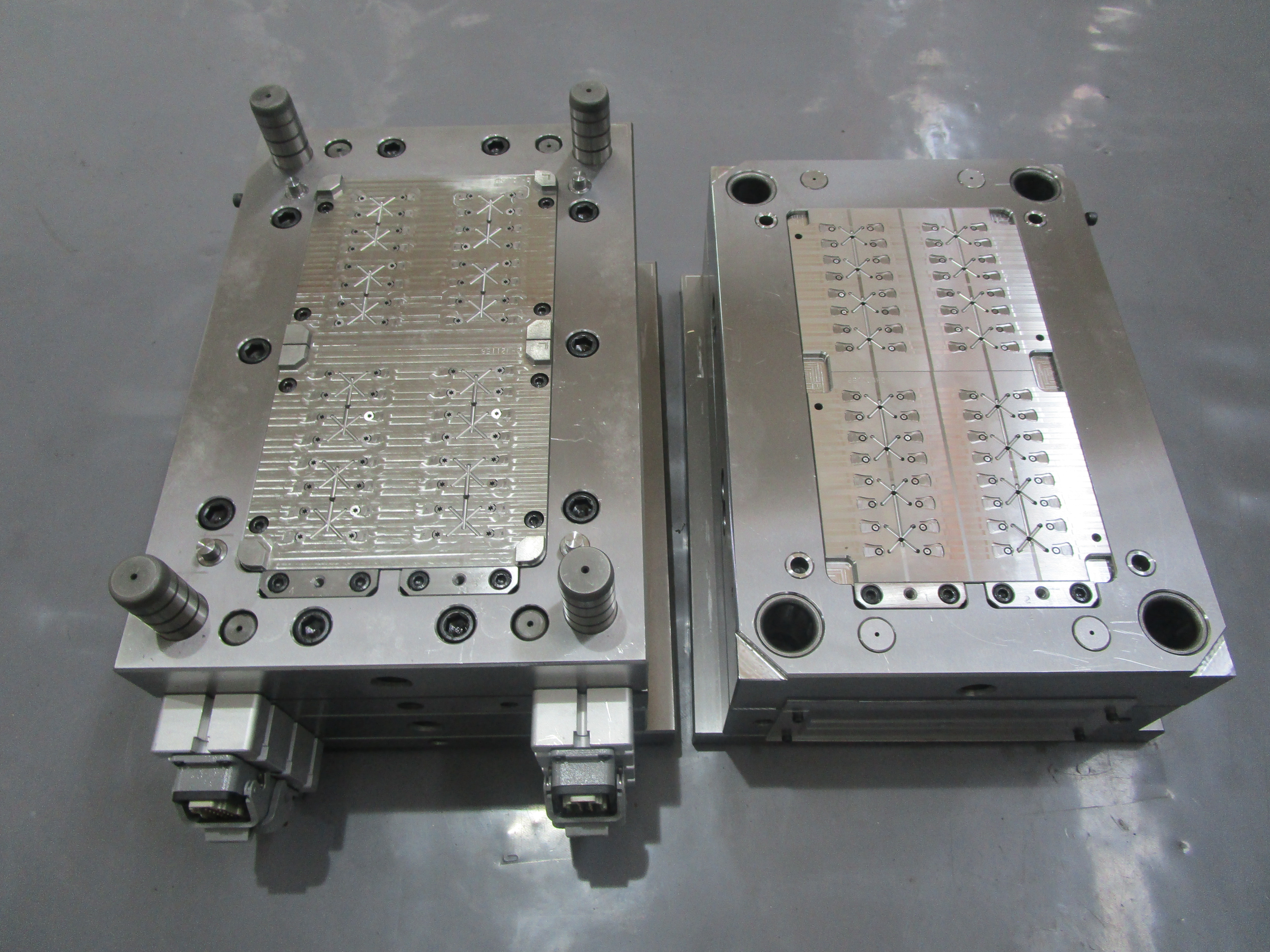
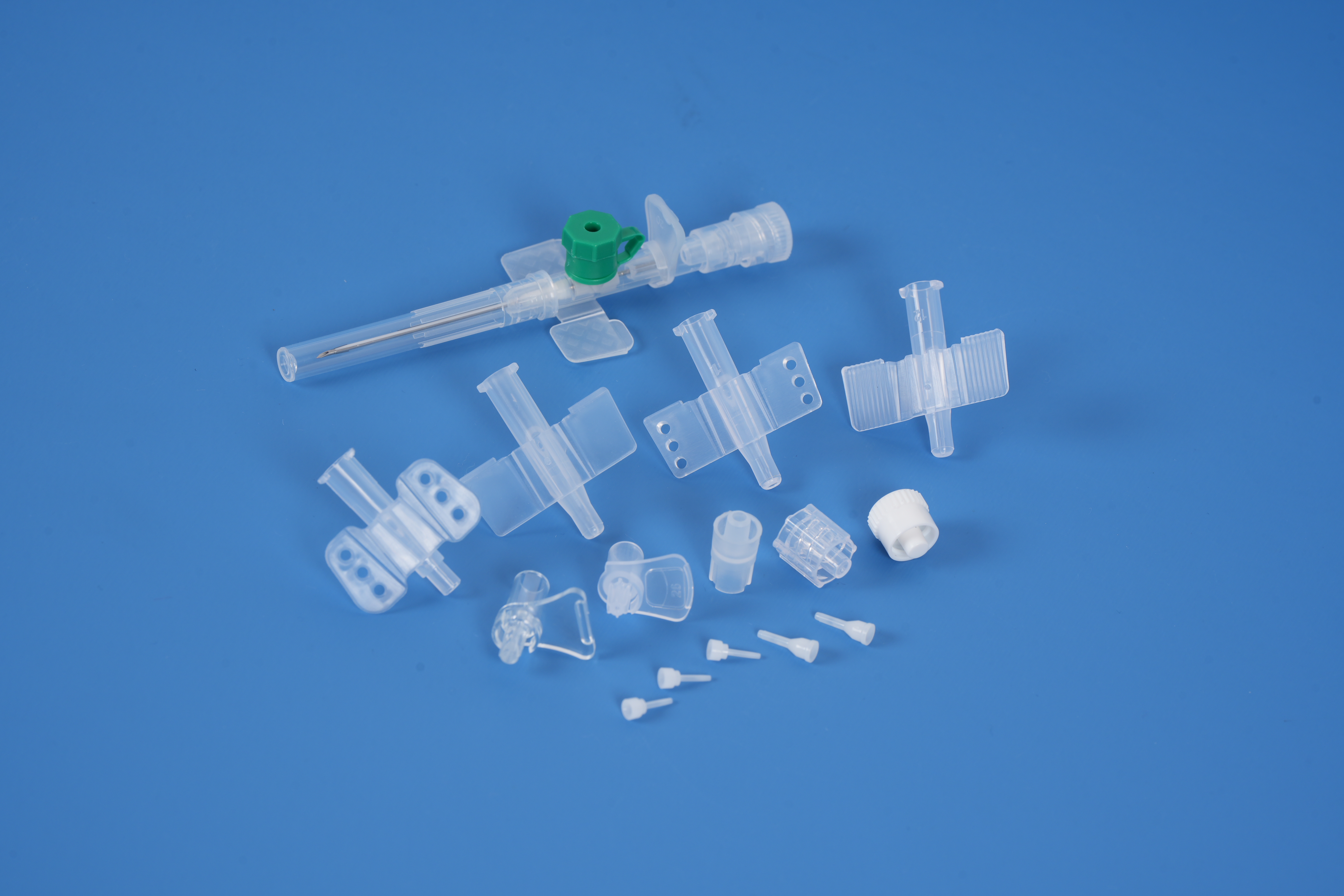
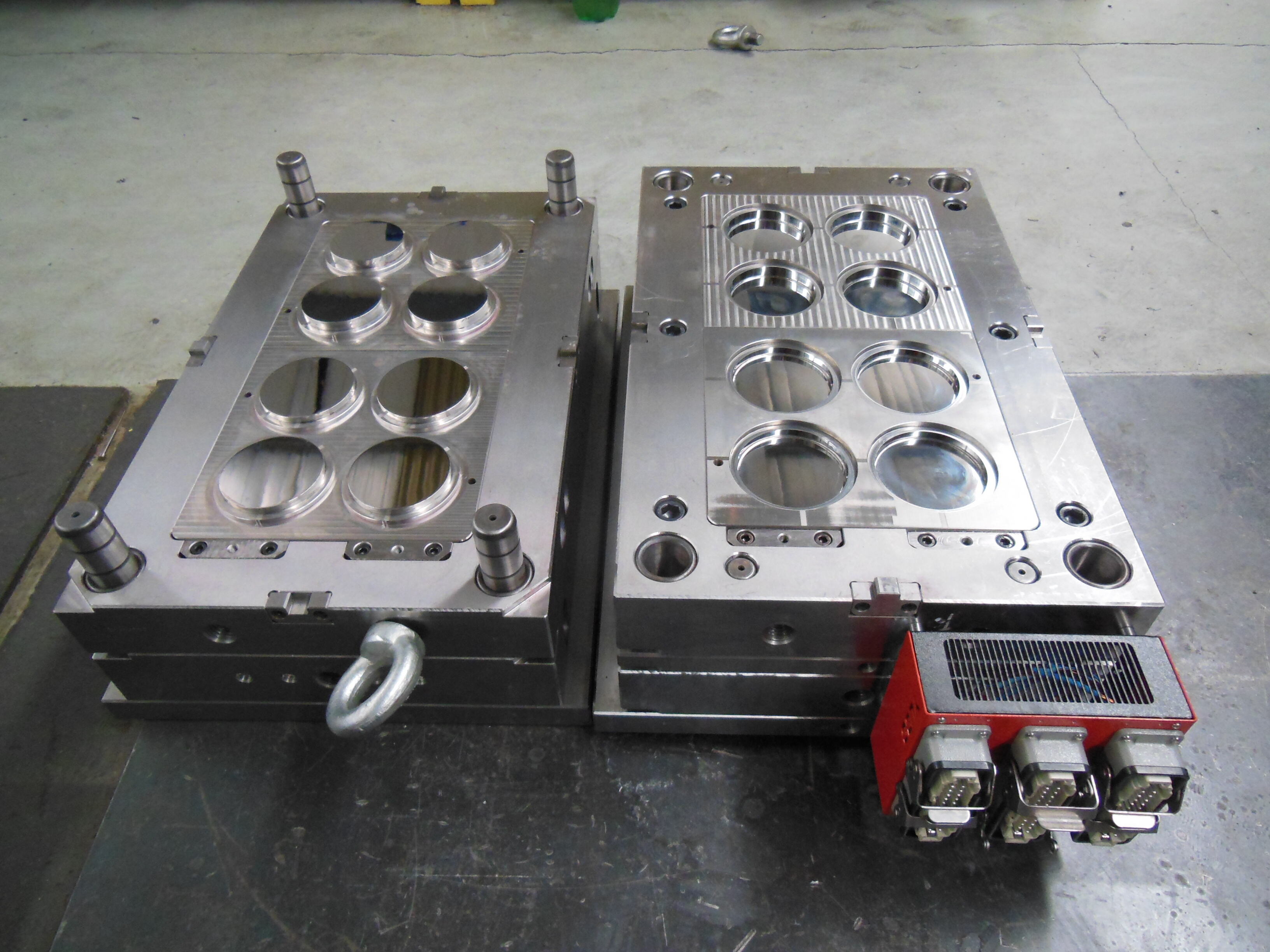
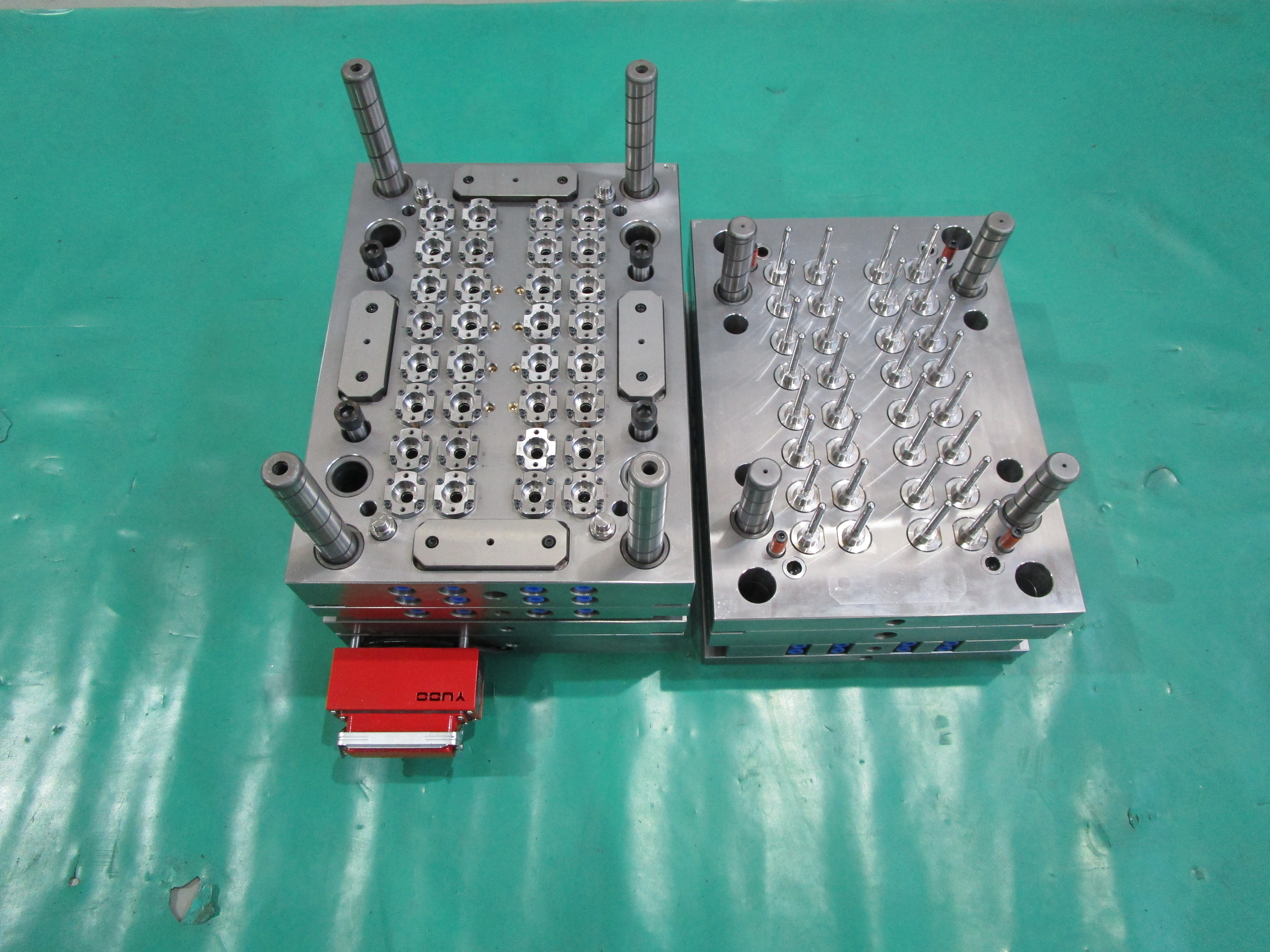
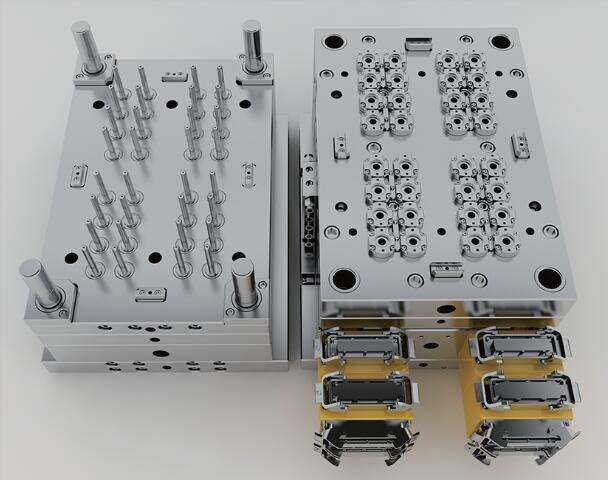
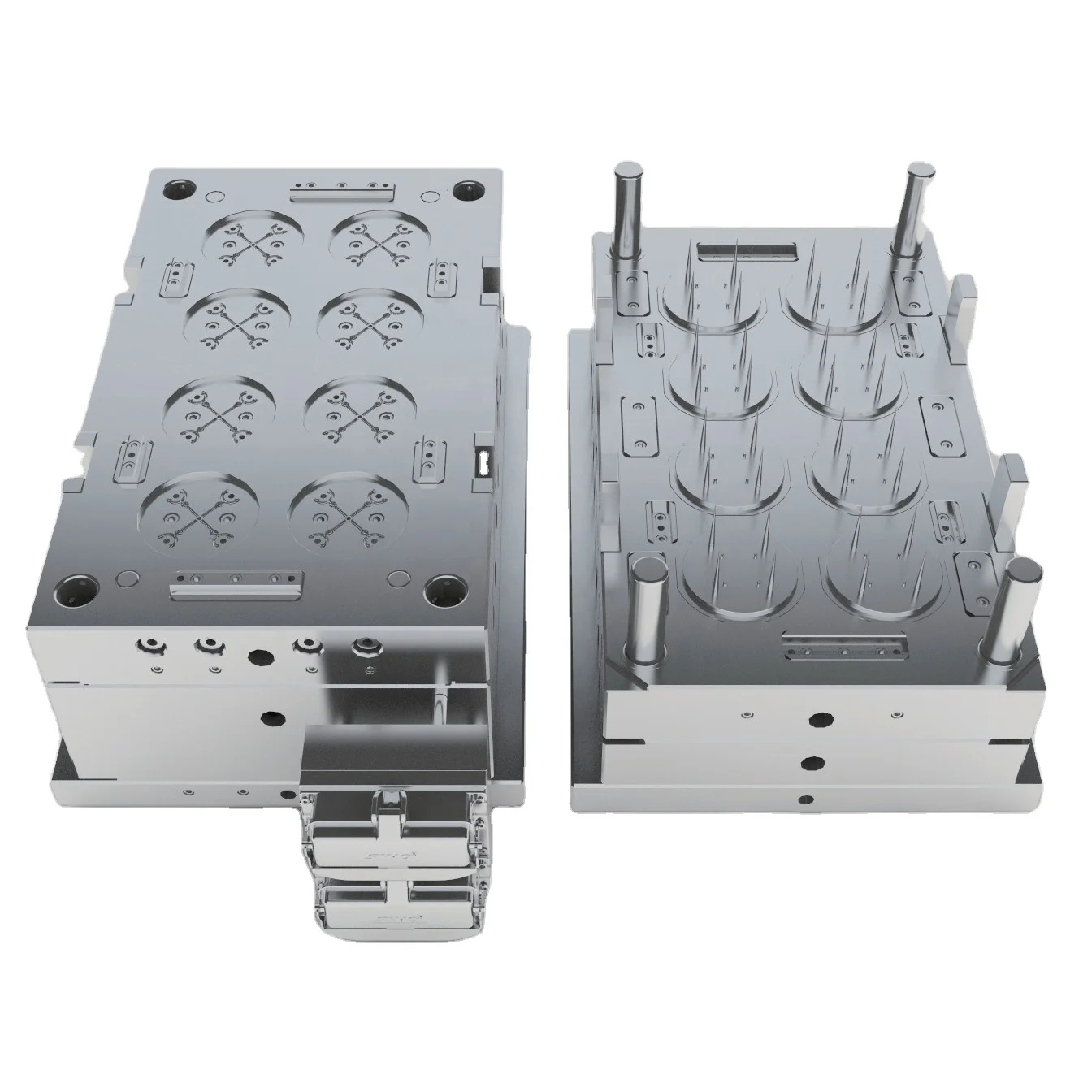
A hot runner mold represents an advanced injection molding system that maintains plastic material in a molten state throughout the entire injection process. Unlike conventional cold runner systems, this technology utilizes a network of heated components including manifolds, nozzles, and temperature controllers to keep the polymer at optimal processing temperatures from the injection machine to the mold cavity. The hot runner mold eliminates the need for runners and sprues that traditionally connect the injection point to the cavity, thereby reducing material waste and cycle times significantly. This sophisticated tooling solution consists of several critical components working in harmony: the manifold distributes molten plastic to multiple drop points, heated nozzles deliver material directly into cavities, temperature control systems maintain precise thermal management, and insulated housing protects the heated components. The technology operates by receiving molten plastic from the injection molding machine into a heated manifold, which then channels the material through individually controlled nozzles that inject directly into mold cavities. Throughout this process, electric heating elements or hot oil systems maintain consistent temperatures, preventing premature solidification. Hot runner molds find extensive applications across diverse manufacturing sectors including automotive components such as dashboards and bumpers, consumer electronics housings, medical device production requiring cleanroom standards, packaging industries producing caps and containers, and household appliance manufacturing. The system's versatility accommodates various thermoplastic materials including polypropylene, polyethylene, ABS, polycarbonate, and engineering-grade resins. Modern hot runner mold systems incorporate advanced features like sequential valve gating for controlling fill patterns, multi-zone temperature control for optimizing different areas independently, and integration with Industry 4.0 monitoring systems for predictive maintenance. This technology continues evolving with innovations in thermal management, valve gate mechanisms, and smart monitoring capabilities that enhance production efficiency and part quality.
Choosing a hot runner mold delivers substantial practical benefits that directly impact your manufacturing profitability and product quality. First and foremost, you eliminate material waste entirely because there are no runners or sprues to discard after each cycle. Traditional cold runner systems generate scrap material that amounts to 20-40 percent of total material usage, which you must either discard or reprocess. With a hot runner mold, every gram of plastic enters your finished product, translating to immediate cost savings on raw materials. Your production cycles become significantly faster because the system eliminates cooling time for runners and the need to separate parts from runner systems. This speed advantage means you produce more parts per hour from the same equipment, maximizing your return on capital investment. The quality of your molded parts improves dramatically because the hot runner mold maintains consistent temperature and pressure throughout the injection process. You achieve better dimensional accuracy, reduced stress marks, and more uniform density across each component. Gate marks become smaller and less visible since hot runner nozzles create minimal gate vestiges compared to cold runner systems, often eliminating secondary finishing operations. Your manufacturing process becomes more automated and requires less manual intervention because there are no runners to remove, reducing labor costs and minimizing handling damage to delicate parts. Energy efficiency increases substantially despite the power required for heating elements, because you avoid the energy waste of heating material that becomes scrap in cold runner systems. For multi-cavity molds, a hot runner mold provides superior cavity-to-cavity balance, ensuring each cavity fills uniformly and produces identical parts without weight or dimension variations. You gain tremendous flexibility in part design because gate locations can be placed optimally without concern for runner placement constraints, enabling better aesthetics and functionality. The technology proves particularly valuable for expensive engineering resins where material costs dominate production economics, and for high-volume production where cycle time reductions compound into massive productivity gains. Environmental benefits align with modern sustainability goals as you generate zero production scrap, reduce overall energy consumption per part, and minimize your carbon footprint. While initial tooling investment runs higher than conventional molds, the payback period typically ranges from six months to two years depending on production volume, after which ongoing savings continue indefinitely throughout the mold's operational life.

Latest News

What Should Companies Consider When Ordering Custom Mold and OEM Molding Services?

23

Dec

What Should Companies Consider When Ordering Custom Mold and OEM Molding Services?

Manufacturing companies across industries increasingly rely on custom mold solutions to create precise, high-quality components that meet their specific requirements. The decision to invest in custom mold fabrication represents a significant strategi...
View More
How to choose a reliable partner for custom mold and OEM molding in medical device manufacturing?

06

Jan

How to choose a reliable partner for custom mold and OEM molding in medical device manufacturing?

Medical device manufacturing demands precision, compliance, and reliability at every stage of production. When selecting a partner for custom mold development and OEM molding services, healthcare companies must evaluate multiple critical factors that...
View More
Why is precision medical plastic injection mold critical for life-saving medical components?

06

Jan

Why is precision medical plastic injection mold critical for life-saving medical components?

The manufacturing of life-saving medical devices demands unwavering precision, safety, and reliability at every stage of production. At the heart of this critical process lies the medical plastic injection mold, a sophisticated manufacturing tool tha...
View More
How can custom OEM molding services optimize the cost of large-scale medical disposables?

06

Jan

How can custom OEM molding services optimize the cost of large-scale medical disposables?

In today's competitive healthcare landscape, medical device manufacturers face mounting pressure to reduce production costs while maintaining the highest quality standards. Custom OEM molding services have emerged as a strategic solution for companie...
View More

Get a Free Quote

Our representative will contact you soon.
0/1000
Zero Material Waste and Maximum Cost Efficiency

Zero Material Waste and Maximum Cost Efficiency

The most compelling financial advantage of implementing a hot runner mold in your production operation centers on the complete elimination of material waste, a benefit that fundamentally transforms your manufacturing economics. In traditional cold runner molding systems, every injection cycle creates not only your desired parts but also a network of solidified plastic runners and sprues that must be separated and discarded or reprocessed. This scrap material typically represents 20 to 40 percent of the total plastic injected during each cycle, depending on part geometry and runner design. For manufacturers processing expensive engineering thermoplastics such as polycarbonate, PEEK, or glass-filled nylon, this waste translates into staggering material costs that directly erode profit margins. A hot runner mold eliminates this inefficiency entirely by maintaining the delivery system in a perpetually molten state, so plastic flows directly from your injection machine into the mold cavities without solidifying in any intermediate channels. Every gram of material you purchase enters your finished products rather than becoming scrap, immediately reducing your raw material consumption by that 20-40 percent waste factor. For a medium-scale operation processing 10,000 kilograms of plastic monthly at three dollars per kilogram, eliminating 30 percent waste saves nine thousand dollars monthly or over one hundred thousand dollars annually in material costs alone. These savings compound when you consider that reprocessing scrap runners requires additional energy, labor, and equipment, plus material degradation from multiple heat cycles. Beyond direct material savings, the hot runner mold delivers significant reductions in production cycle time by eliminating the cooling period required for runners in conventional systems. Since runners contain substantially more material volume than individual parts, they require proportionally longer cooling times before the mold can open safely. With a hot runner mold, only the actual part geometry needs to cool, potentially reducing cycle times by 10 to 30 percent depending on part design. This cycle time advantage multiplies your production capacity from existing equipment, effectively increasing your manufacturing throughput without purchasing additional machinery. When you combine material savings with productivity gains and reduced labor for runner removal, the total economic impact becomes transformative for your operations, typically delivering return on investment within months rather than years despite higher initial tooling costs.
Superior Part Quality and Consistent Production

Superior Part Quality and Consistent Production

Quality consistency represents a critical advantage that positions hot runner mold technology as the preferred solution for demanding applications where dimensional precision, aesthetic appearance, and mechanical properties cannot tolerate variation. The fundamental principle behind this quality advantage lies in the precise thermal control and balanced flow characteristics inherent to hot runner systems. Each nozzle in a hot runner mold maintains independently controlled temperature zones, ensuring that plastic material reaches every cavity at identical temperature and viscosity conditions. This thermal uniformity eliminates the temperature gradients and partial solidification that occur in cold runner systems as material travels through unheated channels, resulting in parts with consistent fill patterns, density distribution, and molecular orientation. For multi-cavity molds producing dozens or hundreds of identical parts simultaneously, cavity-to-cavity balance becomes paramount to manufacturing efficiency and quality assurance. Hot runner systems excel in this regard because each cavity receives material through its dedicated nozzle with precisely calibrated flow resistance, ensuring that all cavities fill at the same rate and pack to identical pressure levels. This balance eliminates the common cold runner problem where cavities nearest the sprue fill completely while distant cavities experience short shots or inadequate packing. The result is remarkable part-to-part consistency with minimal weight variation, typically under one percent across all cavities compared to three to five percent variation in cold runner systems. Aesthetic quality receives particular enhancement from hot runner molds through the reduction of visible gate marks that often require secondary finishing operations. Hot runner nozzles, especially valve gate designs, create extremely small gate vestiges that frequently require no finishing, saving labor costs while improving surface appearance. The controlled gate shutoff prevents stringing, drool, and gate blush that plague cold runner systems, particularly important for visible consumer products where appearance directly influences market success. Mechanical properties also benefit from the stress reduction achieved through balanced filling and optimized gate placement. Hot runner molds allow designers to position gates at mechanically ideal locations without constraint from runner layout requirements, minimizing weld lines, optimizing fiber orientation in reinforced materials, and reducing residual stress that can cause warpage or failure in service. For technical applications in automotive, medical, and aerospace sectors where part failure carries serious consequences, the quality consistency and mechanical property optimization delivered by hot runner systems provide essential risk mitigation that justifies the technology investment.
Enhanced Automation and Operational Flexibility

Enhanced Automation and Operational Flexibility

Modern manufacturing competitiveness demands maximum automation, minimal labor intervention, and flexible production capabilities that adapt quickly to changing product requirements, all areas where hot runner mold technology delivers substantial operational advantages. The automation benefits begin with the elimination of runner handling, a manual operation in most cold runner molding facilities. With traditional systems, operators or robotic systems must separate molded parts from attached runners, inspect both components, route runners to regrind equipment, and manage the resulting scrap stream. This handling requires labor time, creates opportunities for part damage, and introduces variability into your production process. A hot runner mold completely eliminates these steps because parts eject from the mold with no attached runners, enabling fully automated part removal, inspection, and packaging without human intervention. This automation capability proves particularly valuable in lights-out manufacturing environments where production continues during nights and weekends without staffing, maximizing equipment utilization and return on capital investment. The operational flexibility advantages extend to rapid product changeovers and family mold applications where multiple different parts are produced in a single tool. Hot runner systems with valve gate technology enable sequential filling, where you control precisely which cavities fill during each cycle. This capability allows a single mold to produce different part combinations as needed, switching between configurations through simple program changes rather than physical tool modifications. For manufacturers serving markets with diverse product portfolios and frequent design updates, this flexibility dramatically reduces tooling investment while maintaining production responsiveness. Material flexibility also increases because hot runner systems accommodate a broader range of thermoplastics and processing conditions than cold runner alternatives. The precise temperature control enables processing of heat-sensitive materials that degrade during the extended residence time in cold runners, expanding your material options for achieving specific performance requirements. Advanced hot runner molds integrate sophisticated monitoring and control systems that connect with Industry 4.0 manufacturing execution systems, providing real-time data on temperature profiles, pressure curves, and cycle statistics. This connectivity enables predictive maintenance that prevents unexpected downtime by identifying developing issues before they cause failures, while also supporting continuous process optimization through data analytics. The operational intelligence gathered from smart hot runner systems helps you identify efficiency opportunities, troubleshoot quality issues faster, and document process parameters for regulatory compliance in industries like medical devices and automotive. These automation and flexibility advantages combine to create a more resilient, efficient, and adaptable manufacturing operation that responds effectively to market demands while minimizing operational costs and maximizing production uptime throughout the tool's service life.