Hot Runner Injection Molding Process: Advanced Plastic Manufacturing Solutions for Superior Quality and Efficiency

Get a Quote
Get a Quote

hot runner injection molding process

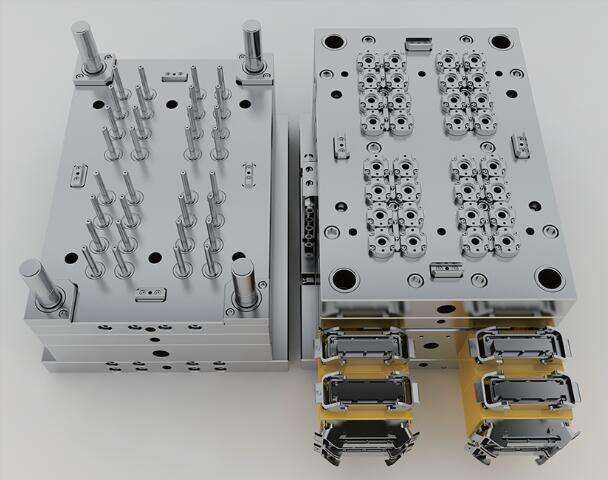
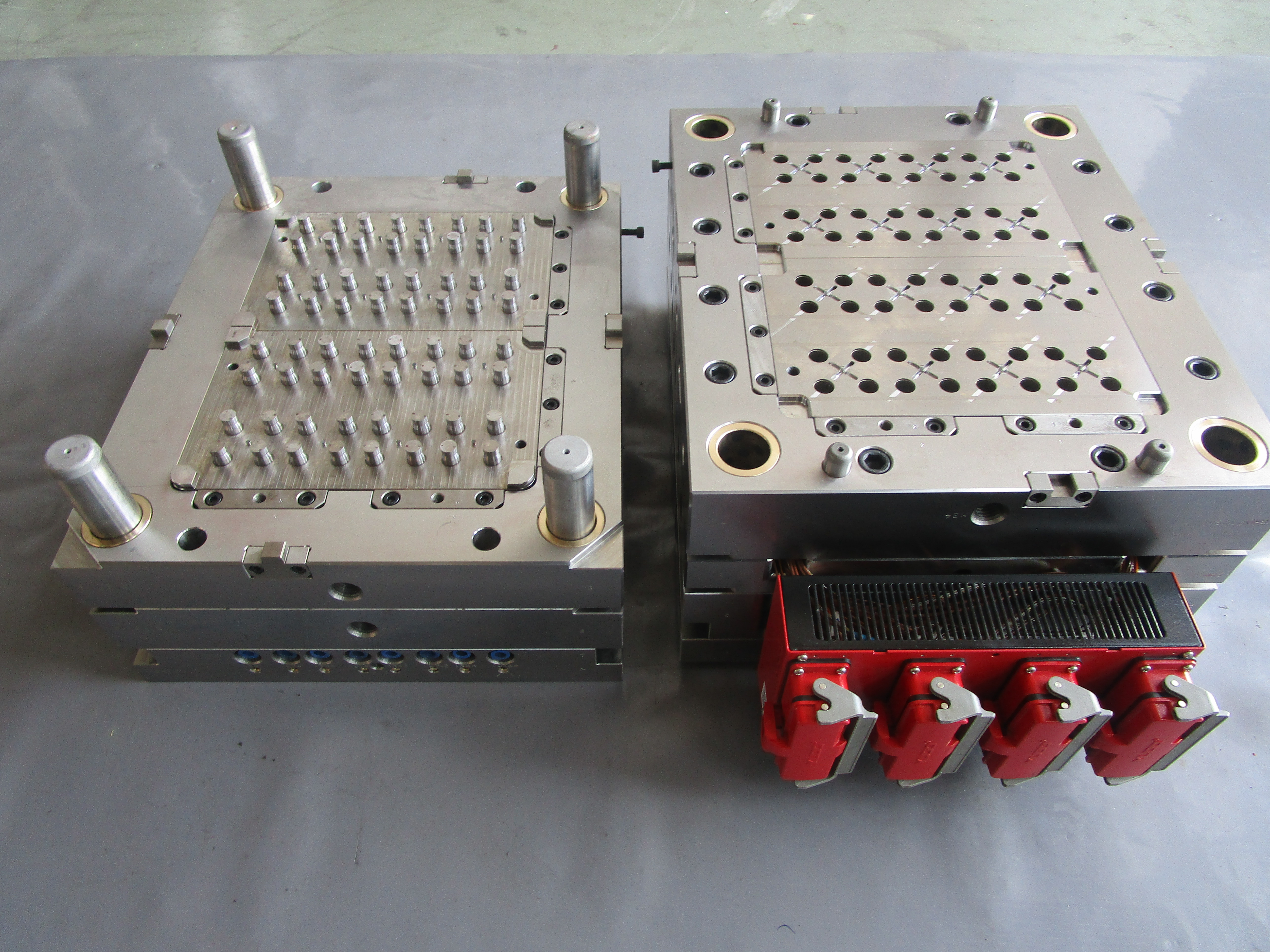
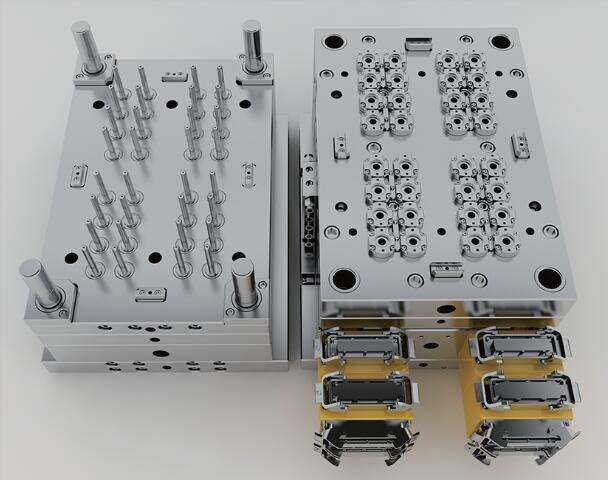
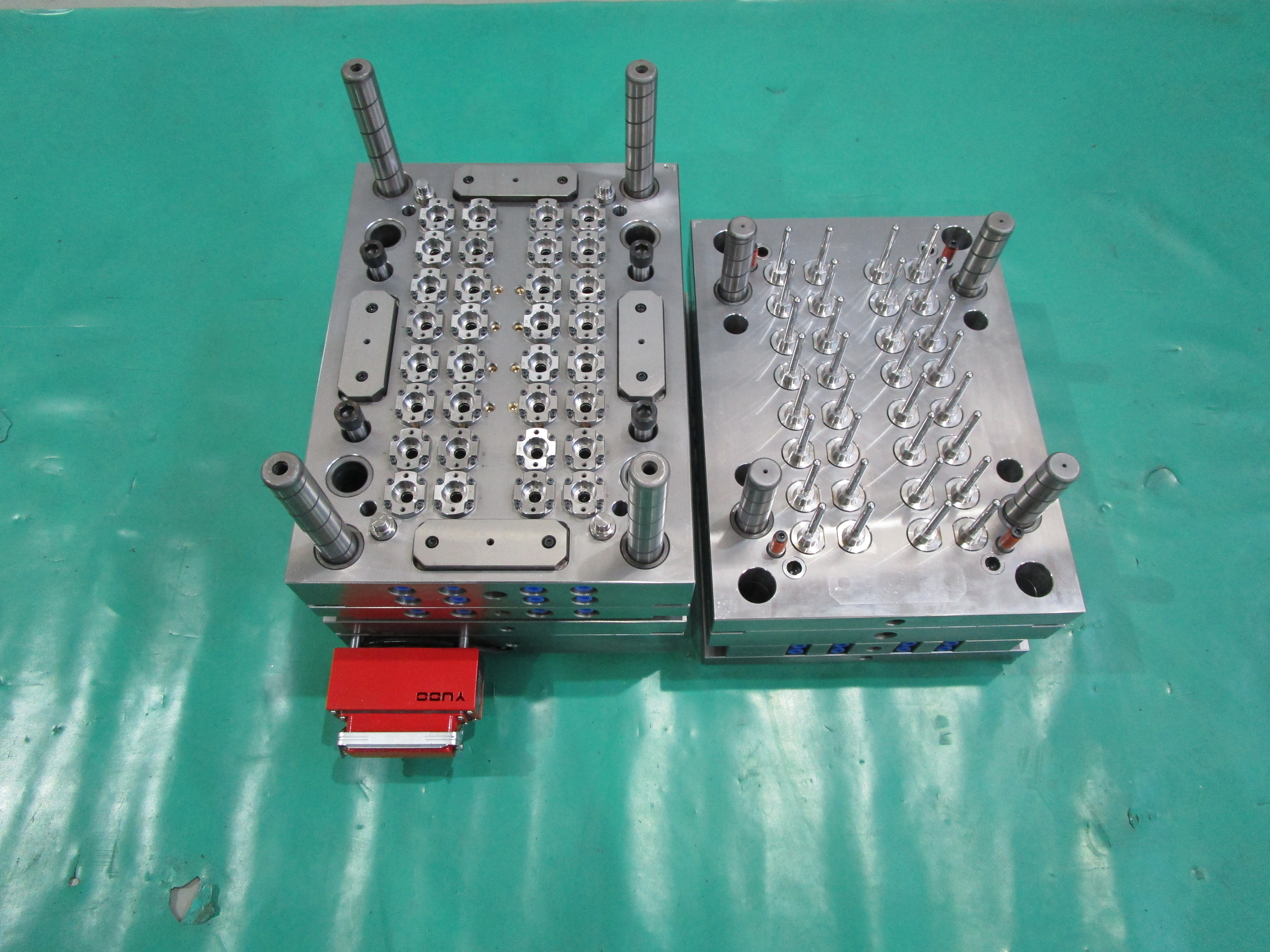
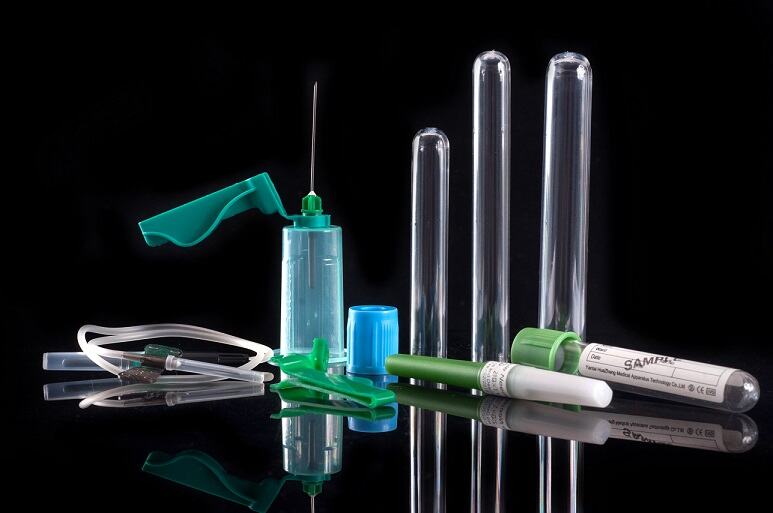
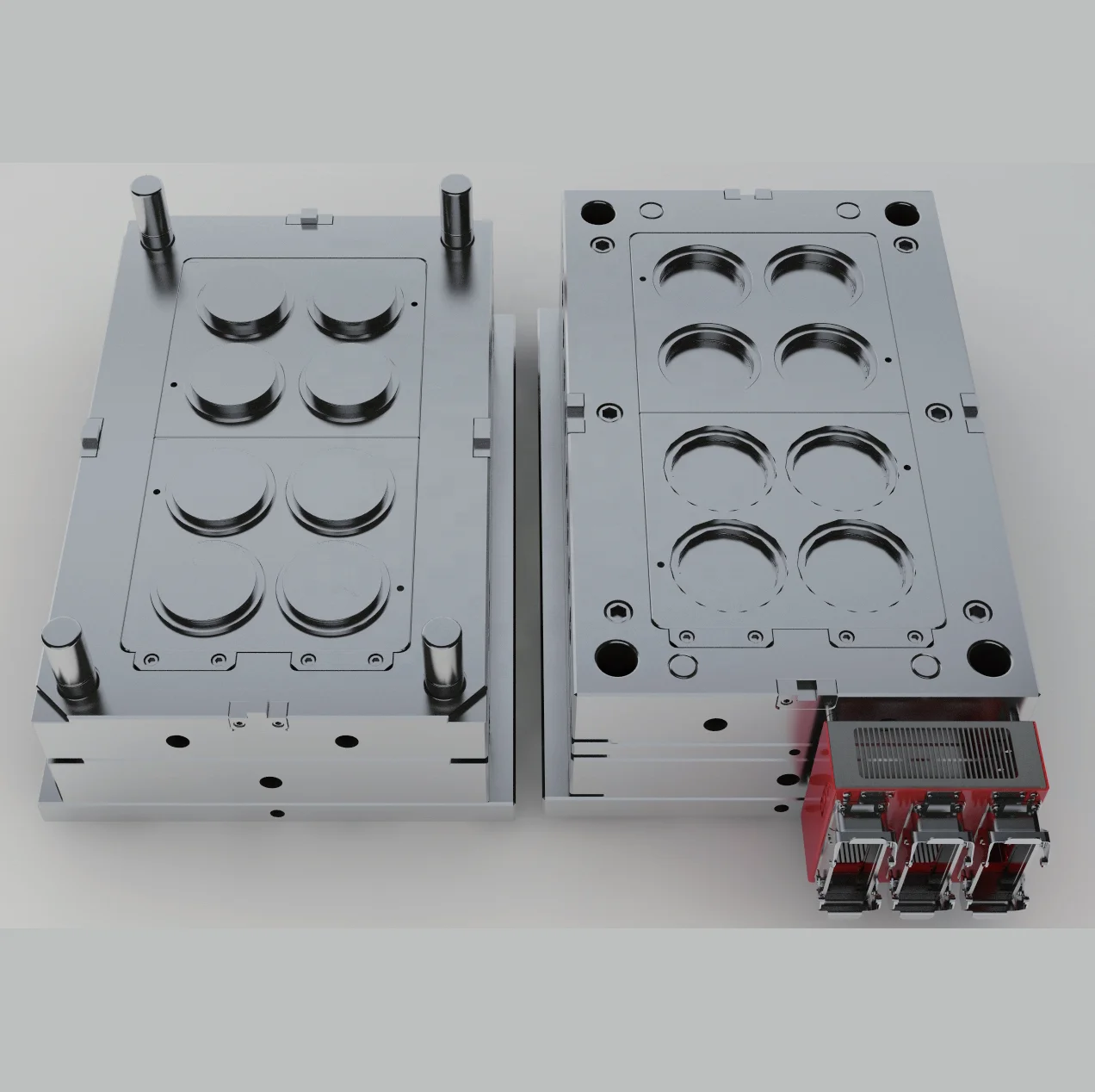
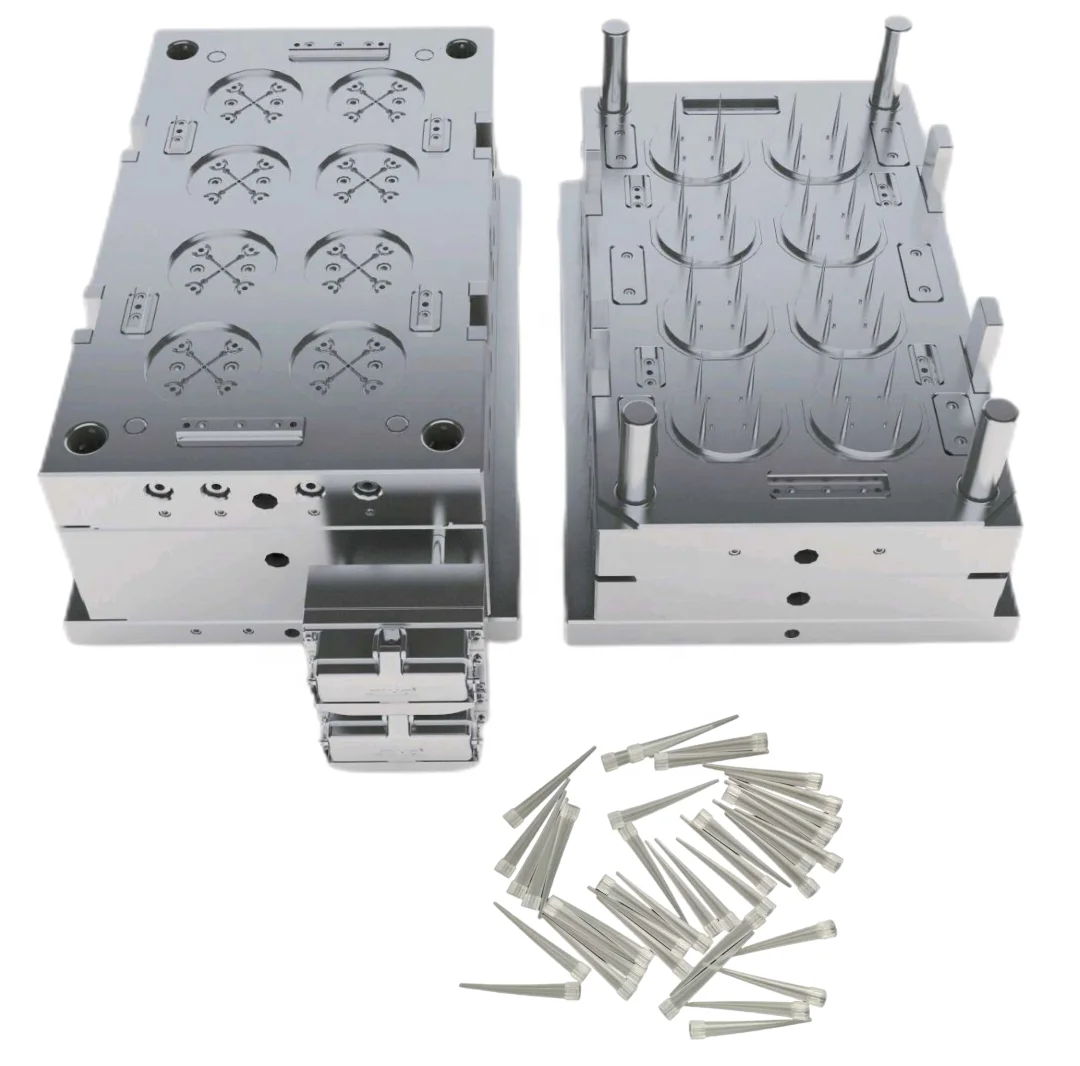
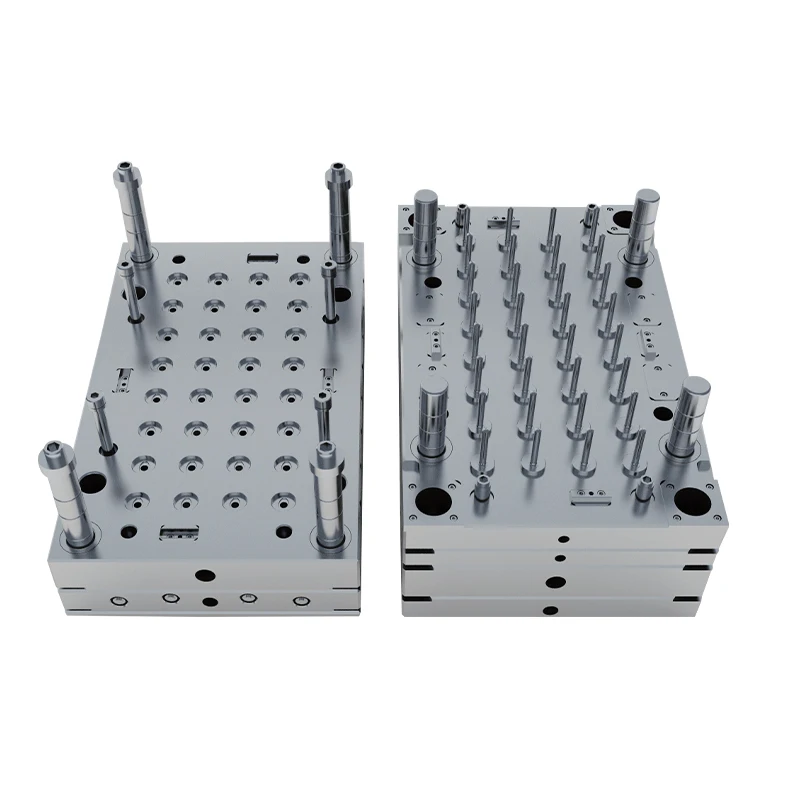
The hot runner injection molding process represents a sophisticated manufacturing technique that has revolutionized plastic component production across numerous industries. This advanced method utilizes a system of heated components to maintain molten plastic at optimal temperatures throughout the injection cycle, eliminating the need for runners and sprues that traditionally connect the injection unit to the mold cavities. The hot runner injection molding process operates through a network of heated manifolds and nozzles that deliver molten material directly into each cavity, ensuring consistent flow and temperature control. The main functions of this technology include precise material distribution, reduced cycle times, and enhanced product quality through uniform filling patterns. Technological features of the hot runner injection molding process encompass electronically controlled heating elements, temperature sensors for real-time monitoring, and valve gate systems that provide superior gate control. The manifold system serves as the backbone of this process, distributing molten plastic from a single injection point to multiple cavities while maintaining thermal stability. Modern hot runner injection molding process implementations incorporate advanced control systems that allow operators to adjust temperatures independently for each drop, ensuring optimal processing conditions for various materials and part geometries. Applications for this technology span automotive components, medical devices, consumer electronics, packaging solutions, and household products. The hot runner injection molding process proves particularly valuable when producing high-volume parts requiring exceptional surface finish, tight tolerances, and minimal post-processing. Industries benefit from this method when manufacturing complex geometries, multi-cavity molds, and products demanding consistent quality across production runs. The process accommodates various thermoplastic materials including polypropylene, polyethylene, ABS, polycarbonate, and engineering-grade resins. The hot runner injection molding process continues evolving with innovations in thermal management, gate technology, and digital control systems that enhance precision and efficiency.
The hot runner injection molding process delivers substantial material savings that directly impact your bottom line. Traditional cold runner systems generate waste material with every cycle, requiring energy and labor to regrind and reprocess. This innovative approach eliminates runners entirely, ensuring virtually every gram of material becomes finished product rather than scrap. Your operation saves money on raw material costs while reducing environmental impact through decreased waste generation. The process significantly shortens cycle times compared to conventional methods. Since the system eliminates the cooling time required for runners and sprues, parts can be ejected faster, allowing your production line to manufacture more components per hour. This efficiency translates into higher output without additional equipment investment, maximizing your facility's productivity. The hot runner injection molding process enhances product quality through consistent temperature control and balanced filling. Each cavity receives material at identical temperatures and pressures, resulting in uniform part characteristics across the entire production run. Your customers receive products with superior dimensional accuracy, consistent wall thickness, and excellent surface finish without gate marks or blemishes. This technology provides greater design freedom for your engineering team. Without the constraints of runner systems, designers can optimize part geometry, reduce overall dimensions, and create more compact products. The process accommodates complex shapes, thin walls, and intricate details that would prove challenging with traditional methods. Automated operation reduces labor requirements and human error. The hot runner injection molding process runs with minimal intervention once parameters are established, freeing your workforce for value-added tasks while ensuring repeatable results. Temperature controllers maintain precise thermal profiles automatically, eliminating variations caused by manual adjustments. Energy efficiency represents another significant advantage. Although initial heating requires power, the system maintains temperatures continuously rather than heating and cooling runners with each cycle. This steady-state operation consumes less total energy than repeatedly processing runner material. Your facility benefits from lower utility costs and reduced carbon footprint. The process supports just-in-time manufacturing strategies by enabling quick color and material changes without purging extensive runner systems. This flexibility allows you to respond rapidly to customer demands and market changes. Reduced inventory requirements free working capital for other business priorities while maintaining your ability to fulfill orders promptly.

Tips And Tricks

Why Custom Injection Molding Is Ideal for Precision Parts

22

Oct

Why Custom Injection Molding Is Ideal for Precision Parts

The Evolution of Modern Manufacturing Through Custom Molding Solutions In today's advanced manufacturing landscape, precision and consistency are paramount. Custom injection molding has emerged as a cornerstone technology that enables manufacturers t...
View More
Why Experienced Injection Manufacturers Improve Product Quality

27

Nov

Why Experienced Injection Manufacturers Improve Product Quality

The medical device industry demands precision and reliability at every stage of production, making the selection of experienced injection manufacturers a critical decision for companies developing healthcare products. Quality standards in medical man...
View More
What Applications Benefit Most from Custom Mold and OEM Molding Solutions?

23

Dec

What Applications Benefit Most from Custom Mold and OEM Molding Solutions?

Manufacturing industries across the globe rely heavily on precision components that meet exact specifications and performance standards. When standard off-the-shelf products cannot deliver the required functionality, companies turn to specialized man...
View More
How can custom OEM molding services optimize the cost of large-scale medical disposables?

06

Jan

How can custom OEM molding services optimize the cost of large-scale medical disposables?

In today's competitive healthcare landscape, medical device manufacturers face mounting pressure to reduce production costs while maintaining the highest quality standards. Custom OEM molding services have emerged as a strategic solution for companie...
View More

Get a Free Quote

Our representative will contact you soon.
0/1000
Superior Cost Efficiency Through Material Optimization

Superior Cost Efficiency Through Material Optimization

The hot runner injection molding process fundamentally transforms material economics in plastic manufacturing by eliminating the waste inherent in traditional cold runner systems. Every production cycle using conventional methods creates runners and sprues that must be removed, collected, reground, and reintroduced into the process. This cycle of waste generation consumes valuable raw materials, requires additional equipment for regrinding, and demands labor to manage the recycling process. The hot runner injection molding process removes this entire waste stream from your operation. Material flows directly from the injection unit through heated channels into mold cavities, with nothing leftover to discard or recycle. For high-volume production, these savings accumulate rapidly into substantial cost reductions. Consider a facility producing one million parts monthly with a traditional system generating 10 grams of runner waste per cycle. This operation produces 10,000 kilograms of waste material requiring reprocessing. With engineering resins costing several dollars per kilogram, the material savings alone justify investment in hot runner technology. Beyond raw material costs, the hot runner injection molding process eliminates expenses associated with waste handling infrastructure. Your facility no longer requires granulators, conveying systems for regrind, or the floor space these systems occupy. Energy consumption decreases as you eliminate the power required to operate grinding equipment. Labor productivity improves as workers focus on production rather than waste management. The environmental benefits extend your corporate sustainability initiatives. Reducing material waste decreases your carbon footprint, supports circular economy principles, and enhances your company's environmental credentials. Customers increasingly value suppliers demonstrating commitment to sustainable manufacturing practices, providing competitive advantages in environmentally conscious markets. The hot runner injection molding process also improves material consistency. Virgin material properties remain stable throughout production without degradation from multiple heating cycles that affect regrind. This consistency ensures predictable part performance, reduces quality variations, and minimizes rejection rates. Your quality assurance processes become simpler and more reliable when working with consistent material properties.
Enhanced Production Speed and Manufacturing Throughput

Enhanced Production Speed and Manufacturing Throughput

The hot runner injection molding process revolutionizes production efficiency by dramatically reducing cycle times and increasing manufacturing throughput. Traditional cold runner systems require significant time for runners to cool and solidify before parts can be ejected from the mold. Since runners often feature greater cross-sectional area than the parts themselves, this cooling phase extends cycle duration substantially. The hot runner injection molding process eliminates this bottleneck entirely. With no runners to cool, cycle time depends solely on the part cooling requirements. This reduction in cycle time translates directly into increased production capacity. A reduction of just five seconds per cycle yields 720 additional parts per hour on a single-cavity mold, multiplying dramatically for multi-cavity applications. Your facility produces more components using existing equipment, maximizing return on capital investments. The hot runner injection molding process enables faster material flow during injection. Heated runners maintain optimal melt temperature and viscosity throughout the flow path, allowing material to fill cavities more quickly than through cold runners where material cools and thickens. This enhanced flow capability permits shorter injection times, further compressing overall cycle duration. For thin-wall applications or parts with challenging geometries, this maintained melt temperature proves critical for complete cavity filling. Temperature stability provided by the hot runner injection molding process ensures consistent cycles without the variations inherent in cold runner systems. Each cycle begins with runners at identical temperatures, eliminating the temperature fluctuations that occur as cold runners heat and cool repeatedly. This consistency allows tighter process control, reducing the variation that causes quality issues and production disruptions. Your operation achieves stable production with fewer adjustments and interventions. Automated operation inherent in hot runner systems minimizes non-productive time. The hot runner injection molding process eliminates manual runner removal, reducing handling between cycles. Parts eject automatically onto conveyors or into bins, streamlining material flow through your facility. This automation reduces labor requirements while improving workplace safety by minimizing operator contact with hot components. Quick changeover capabilities further enhance productivity. When transitioning between colors or materials, the hot runner injection molding process requires purging only the manifold volume rather than extensive runner systems. This efficiency reduces downtime, material waste during transitions, and the time required to achieve stable production with new materials.
Exceptional Part Quality and Design Flexibility

Exceptional Part Quality and Design Flexibility

The hot runner injection molding process delivers superior part quality through precise temperature control and balanced material distribution that conventional systems cannot match. Temperature uniformity throughout the melt delivery system ensures material enters each cavity at identical conditions, producing parts with consistent properties across all cavities and throughout production runs. This consistency proves critical for applications requiring tight tolerances, uniform mechanical properties, or aesthetic perfection. The hot runner injection molding process eliminates gate vestiges that mar part appearance in cold runner systems. Valve gate technology allows material flow to stop cleanly, leaving minimal gate marks on finished parts. For visible components in consumer products, automotive interiors, or electronic devices, this superior surface quality eliminates secondary operations like trimming or finishing. Your products reach customers with the aesthetic excellence demanded by competitive markets. Balanced filling enabled by the hot runner injection molding process reduces internal stresses and warpage. Material enters cavities uniformly, filling progressively without the flow hesitations and temperature variations that create stress concentrations. Parts emerge from molds with superior dimensional accuracy, requiring less sorting and inspection. Your quality metrics improve as rejection rates decline and process capability indices increase. Design freedom expands significantly with hot runner technology. Engineers can optimize part geometry without accommodating runner systems, reducing material usage and overall dimensions. The hot runner injection molding process facilitates thin-wall designs that decrease weight and material costs while maintaining structural performance. Complex geometries with multiple gates become feasible, enabling sophisticated parts that would prove impossible or economically impractical with conventional methods. Multi-cavity mold performance improves dramatically. The hot runner injection molding process delivers precisely balanced flow to each cavity regardless of position relative to the injection point. This balanced filling ensures uniform part weights, dimensions, and properties across all cavities. Your production achieves higher yields with less variation, reducing the sorting and inspection required to maintain quality standards. Material versatility represents another quality advantage. The hot runner injection molding process accommodates engineering resins, glass-filled materials, and specialty compounds that challenge conventional systems. Precise temperature control prevents degradation of heat-sensitive materials while ensuring complete melting of high-temperature polymers. This versatility allows you to select optimal materials for performance requirements rather than compromising based on processing limitations.