hot runner injection molding
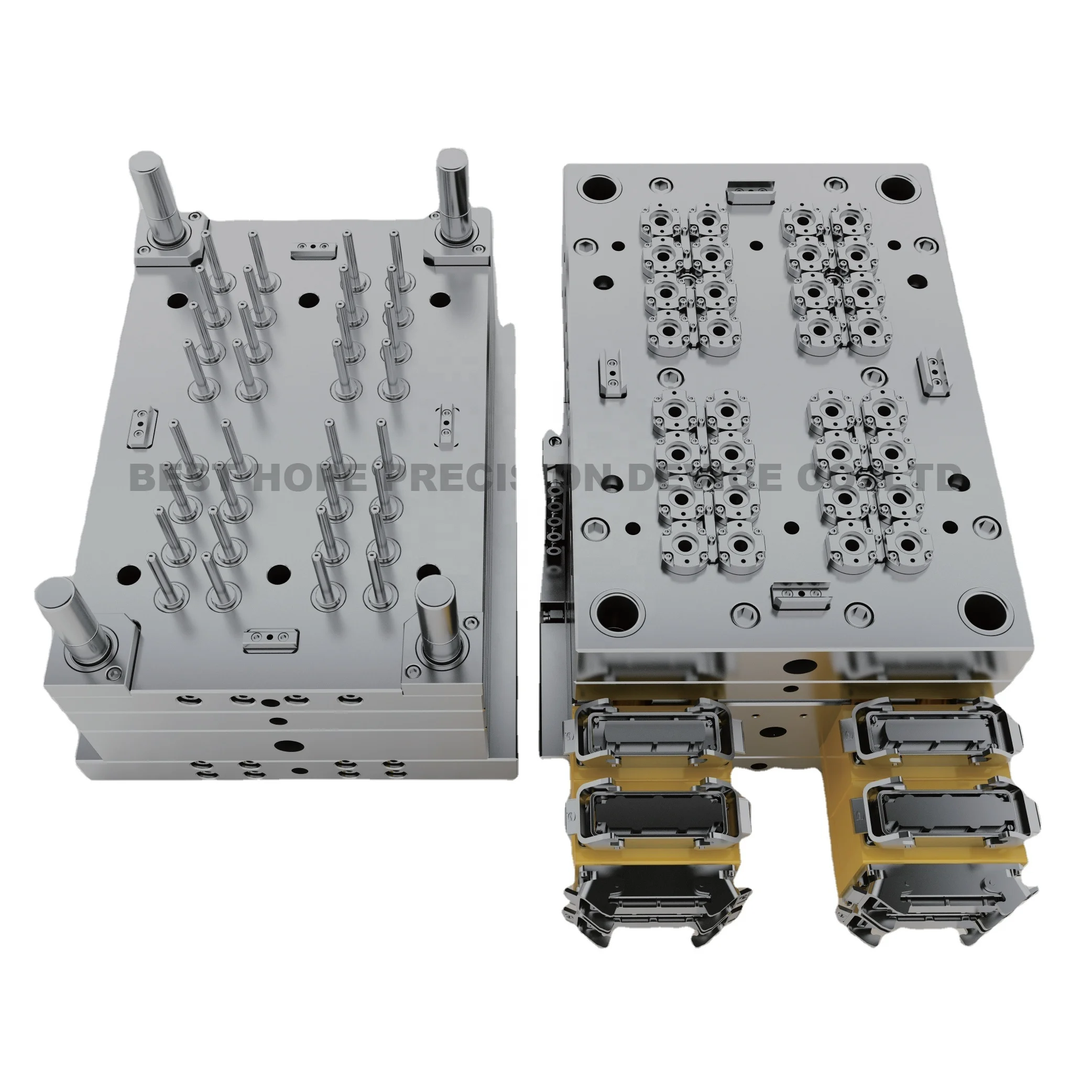
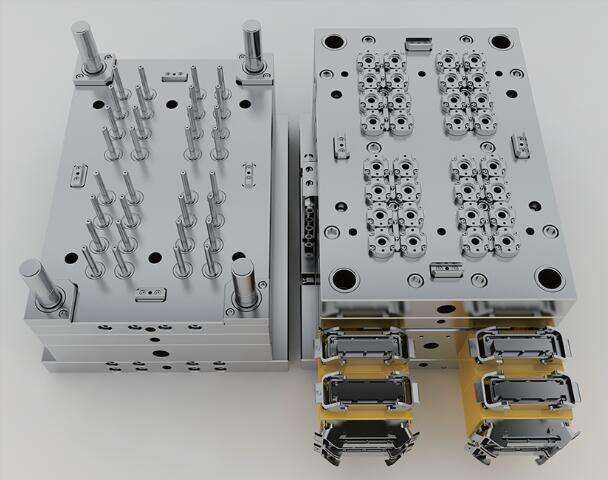
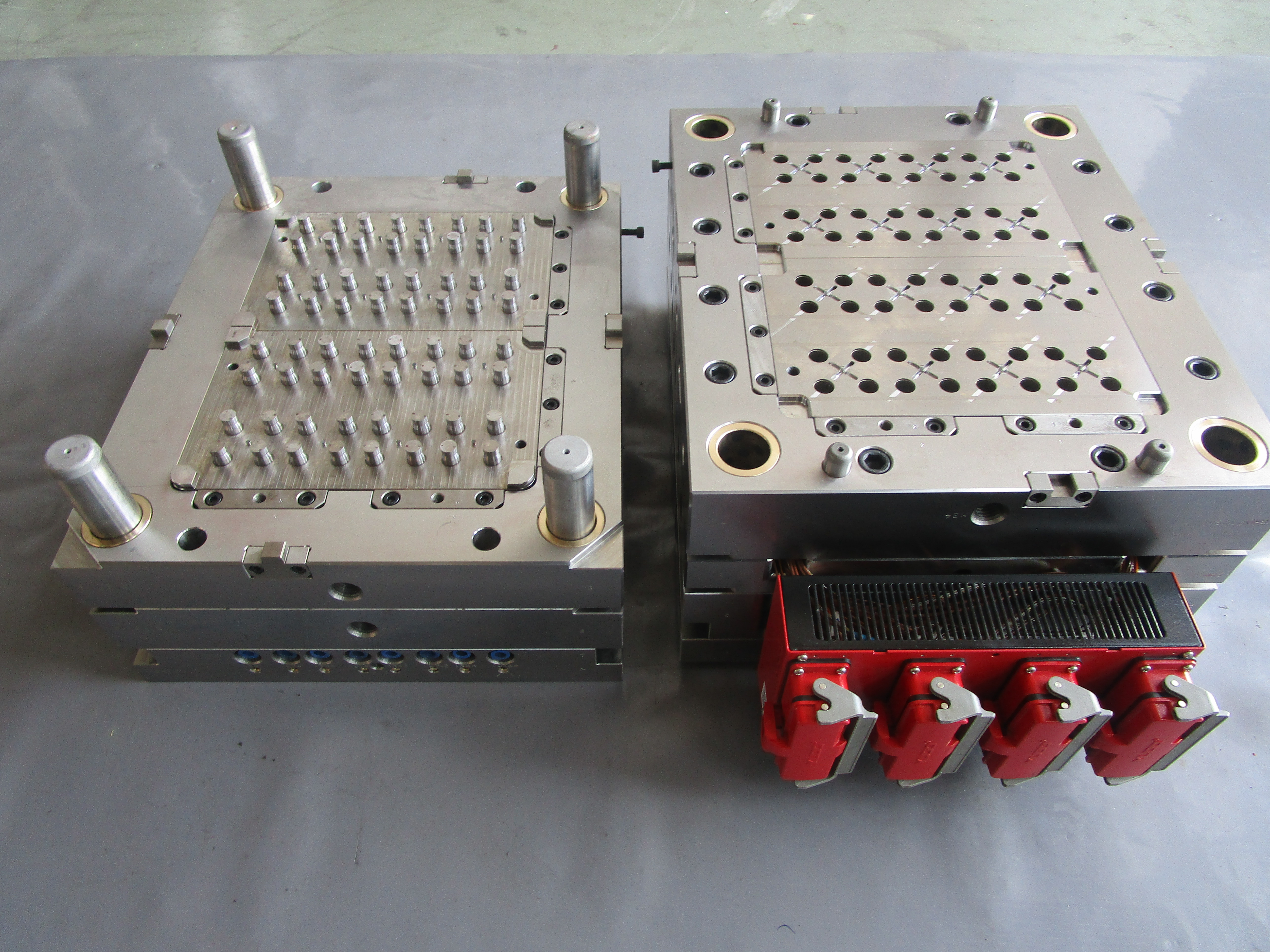
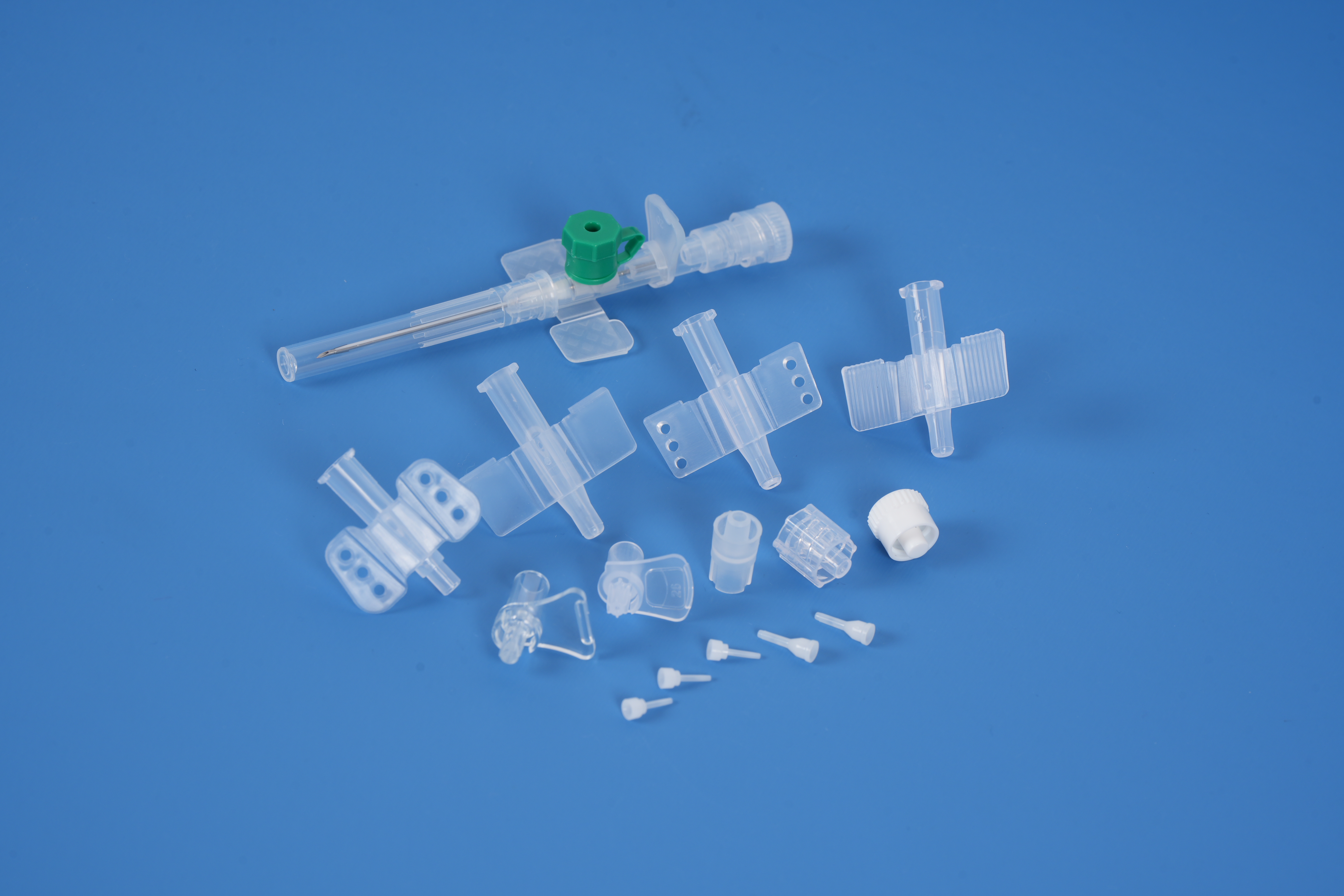
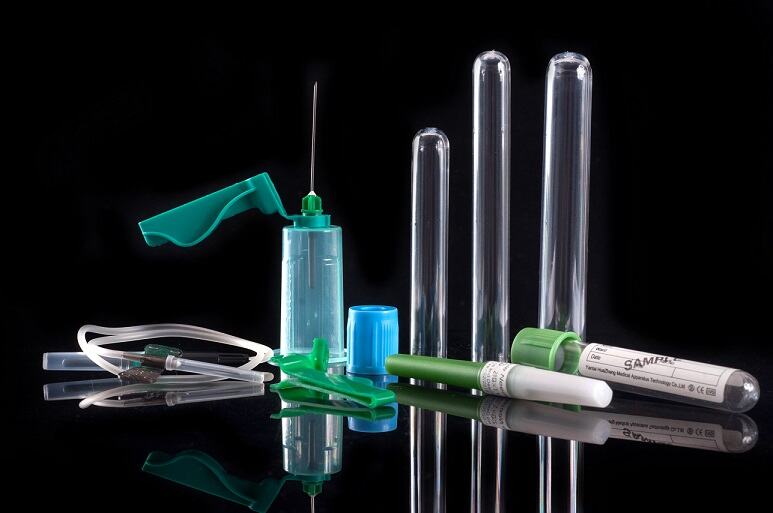
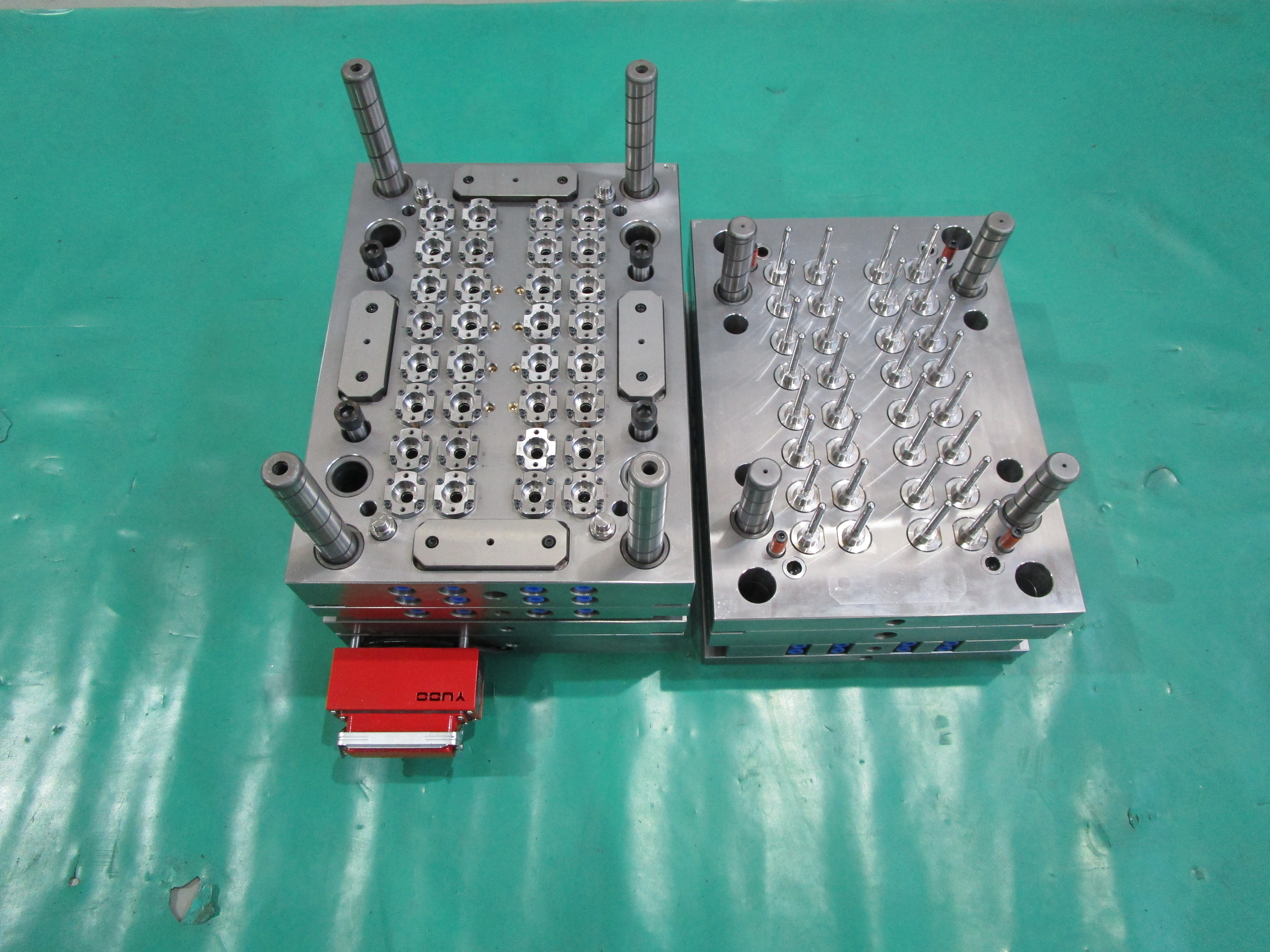
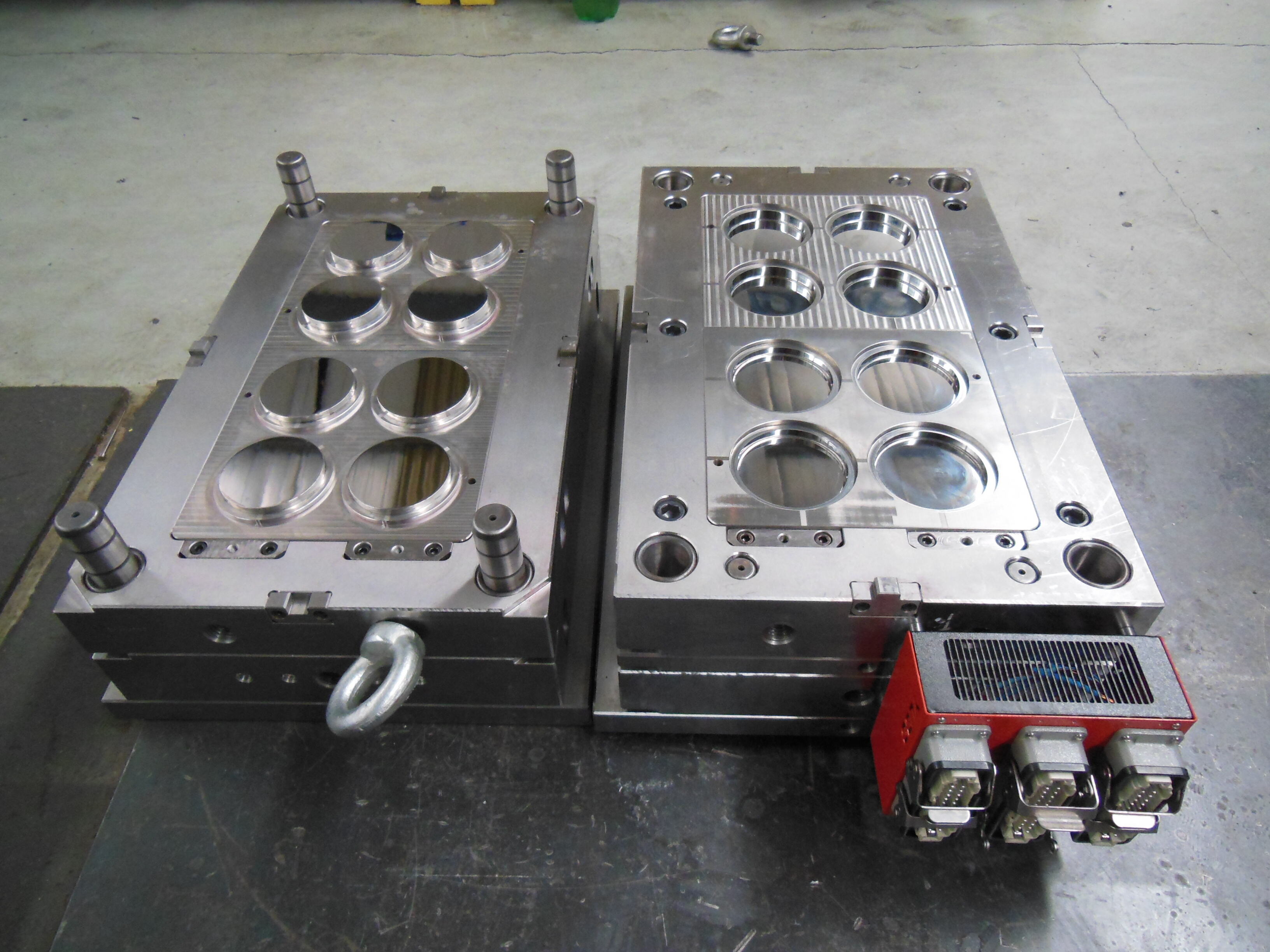
Hot runner injection molding represents an advanced manufacturing technology that has revolutionized the plastics industry by eliminating the need for traditional cold runners in the injection molding process. This sophisticated system maintains molten plastic at optimal temperatures throughout the injection cycle, delivering material directly from the machine nozzle into the mold cavities through a network of heated channels and nozzles. The hot runner injection molding system consists of several critical components including a manifold, nozzles, temperature controllers, and heating elements that work in harmony to maintain consistent melt temperatures. The main functions of hot runner injection molding include precise material distribution, elimination of runner waste, shortened cycle times, and enhanced part quality. From a technological standpoint, these systems employ sophisticated temperature control mechanisms that ensure uniform heat distribution across all flow channels, preventing premature solidification and maintaining optimal material viscosity. The technology features various configurations such as externally heated systems, internally heated systems, and insulated runner designs, each suited to specific applications and materials. Modern hot runner injection molding systems integrate advanced sensors and control units that monitor temperature fluctuations in real-time, automatically adjusting heating parameters to maintain stability. The applications of hot runner injection molding span numerous industries including automotive manufacturing, medical device production, consumer electronics, packaging, and aerospace components. This technology proves particularly valuable when producing high-volume parts, multi-cavity molds, or components requiring strict aesthetic standards without gate marks. The system accommodates a wide range of thermoplastic materials including polyethylene, polypropylene, polystyrene, ABS, polycarbonate, and engineering resins. Hot runner injection molding continues to evolve with innovations in valve gate technology, sequential injection capabilities, and enhanced thermal management systems that further improve efficiency and part quality while reducing environmental impact through material conservation and energy optimization.

 EN
EN