Hot Runner System Injection Molding: Advanced Technology for Efficient Plastic Manufacturing

Get a Quote
Get a Quote

hot runner system injection molding

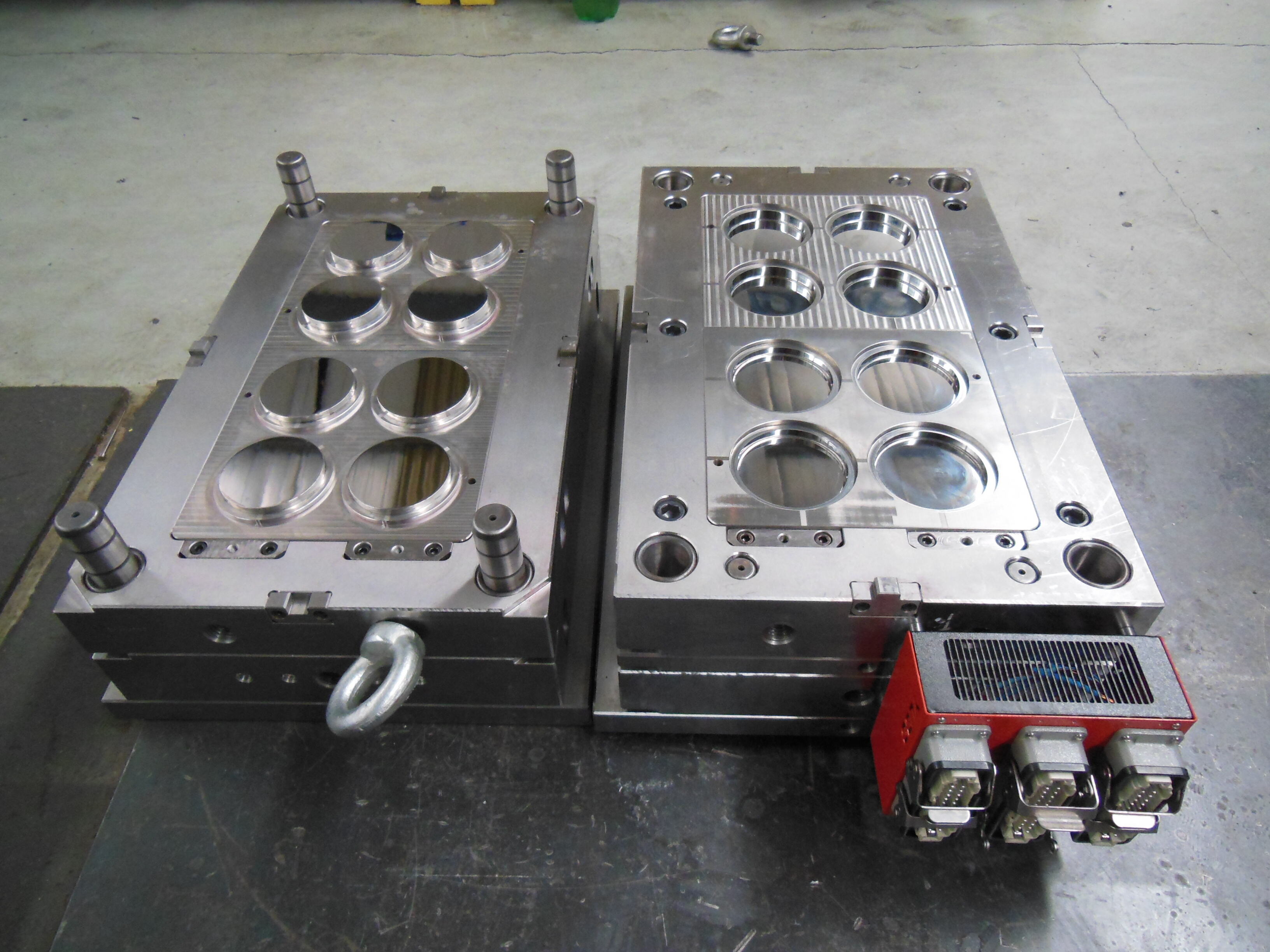
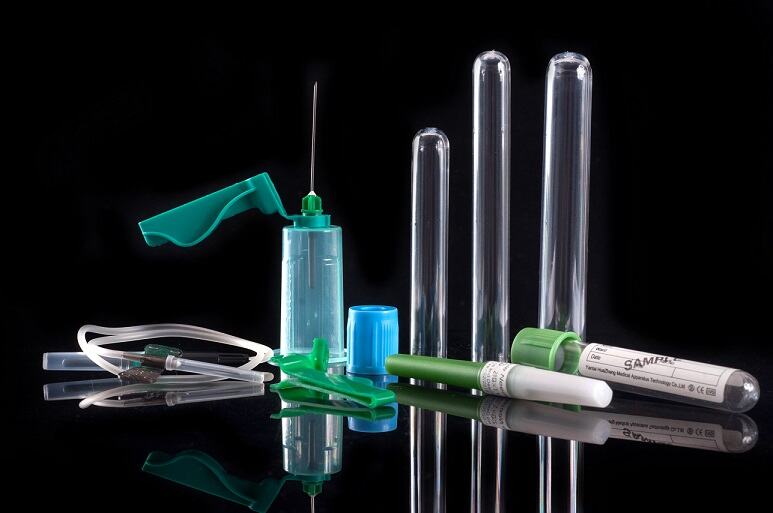
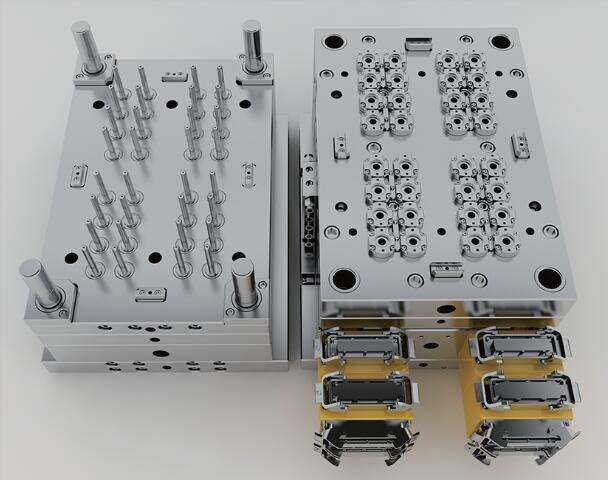
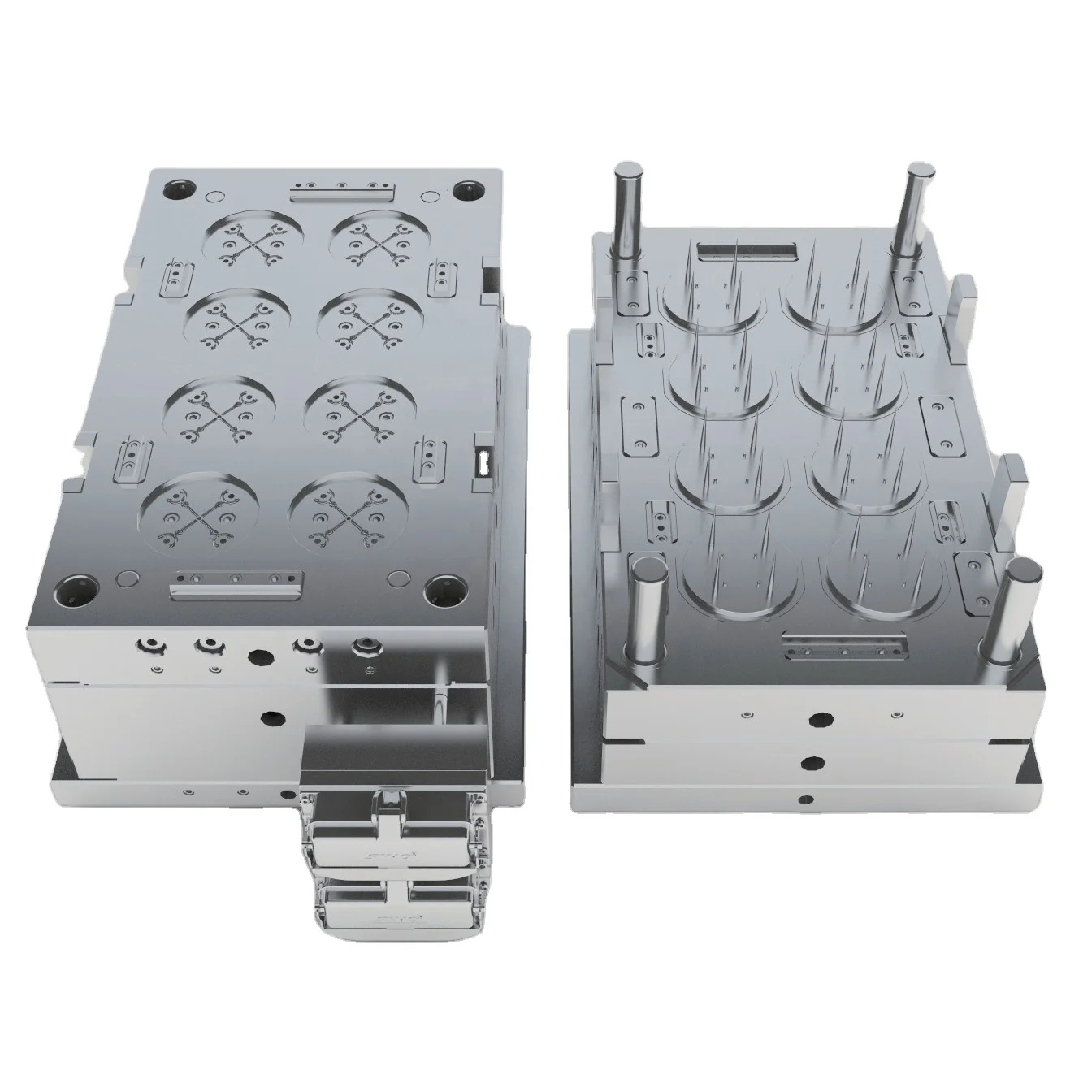
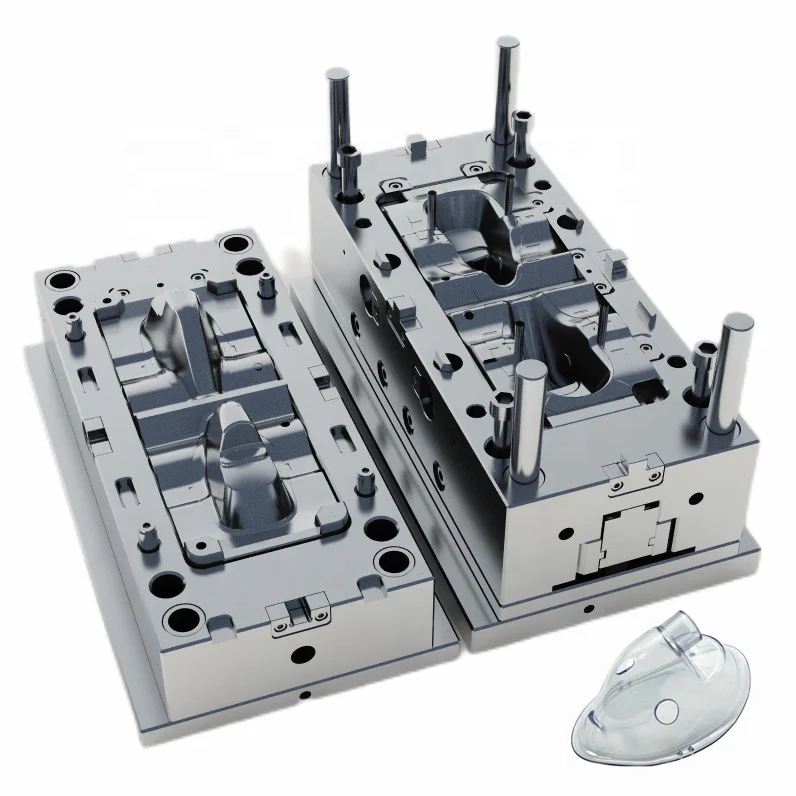
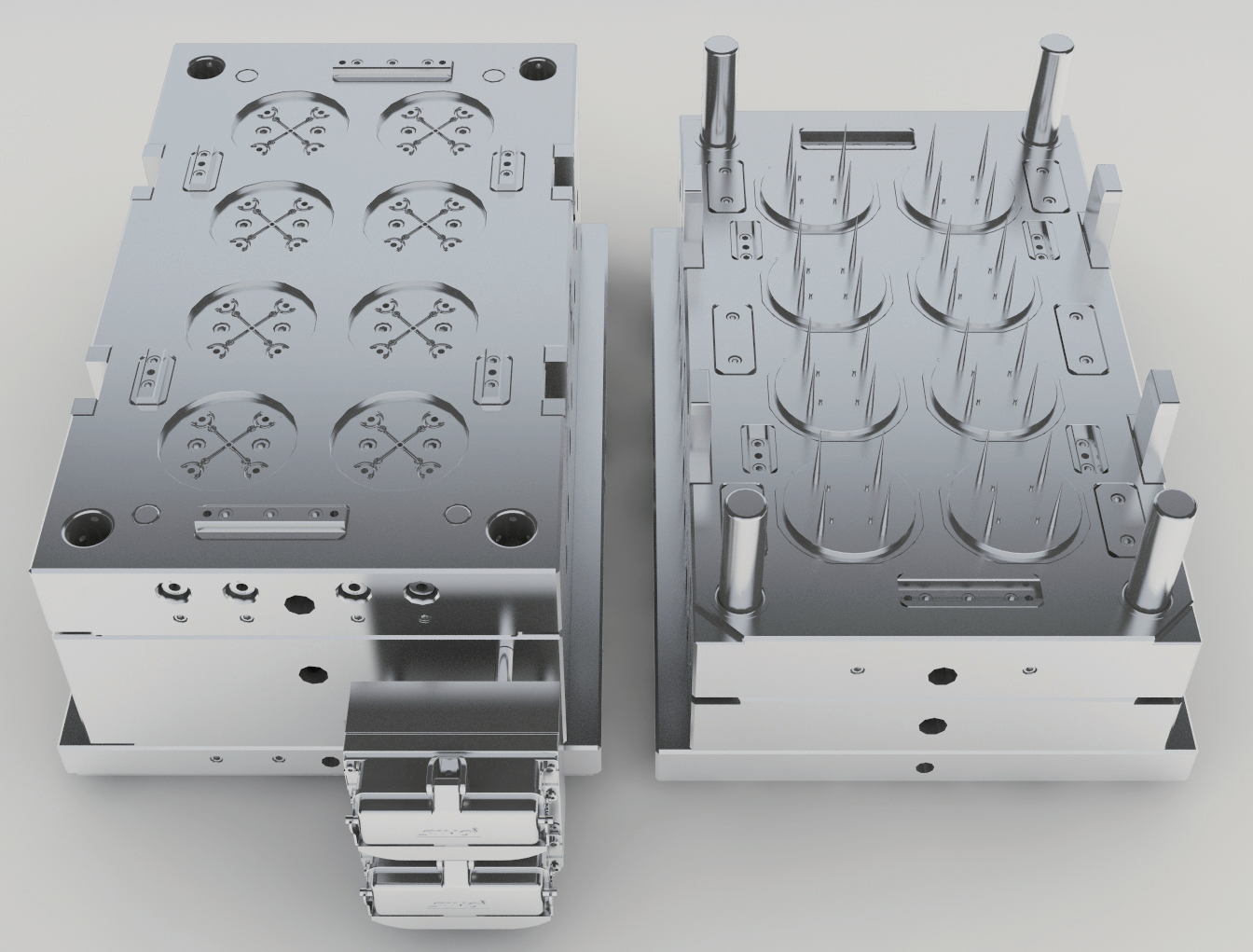
Hot runner system injection molding represents a transformative manufacturing technology that has revolutionized the plastics industry by eliminating the need for runners and sprues in the molding process. This advanced method keeps the plastic material in a molten state throughout the injection cycle, delivering it directly into the mold cavities through heated manifolds and nozzles. The hot runner system injection molding process ensures that material flows continuously at optimal temperatures, preventing premature solidification and maintaining consistent viscosity throughout production. The main functions of this technology include precise temperature control, efficient material distribution, and automated gate freezing mechanisms that enable faster cycle times and superior part quality. Technologically, hot runner system injection molding incorporates sophisticated heating elements, temperature sensors, and control units that maintain uniform heat distribution across all flow channels. These systems feature drop-by-drop or valve-gate configurations that provide exceptional control over material flow and gate vestige appearance. The technology integrates seamlessly with modern injection molding machines, offering compatibility with various thermoplastic materials including engineering-grade resins, commodity plastics, and specialized compounds. Applications for hot runner system injection molding span numerous industries, from automotive manufacturing where it produces complex interior components and precise exterior trim pieces, to medical device production requiring stringent quality standards and cleanroom compatibility. Consumer electronics manufacturers rely on this technology to create intricate housings and connectors with tight tolerances. Packaging industries utilize hot runner system injection molding for high-volume production of closures, containers, and specialized packaging solutions. The aerospace sector benefits from the technology's ability to produce lightweight, high-strength components with minimal material waste. Additionally, hot runner system injection molding serves industries producing household goods, toys, construction materials, and industrial equipment components, demonstrating its versatility across diverse manufacturing sectors and material requirements.
Implementing hot runner system injection molding delivers substantial cost savings by eliminating runner waste entirely, allowing manufacturers to reduce raw material consumption by up to thirty percent compared to traditional cold runner methods. This material efficiency translates directly to lower production costs, especially beneficial when working with expensive engineering-grade plastics or specialty compounds. The technology accelerates production cycles significantly, reducing overall molding time by fifteen to thirty percent because operators do not need to wait for runners to cool and solidify before ejecting parts. Faster cycles mean higher output rates, improved machine utilization, and increased profitability for manufacturing operations of all scales. Quality improvements represent another compelling advantage, as hot runner system injection molding maintains consistent melt temperatures throughout the process, resulting in parts with uniform density, minimal stress concentrations, and superior aesthetic appearance. The absence of gate marks on visible surfaces eliminates secondary finishing operations, saving labor costs and reducing handling time. Manufacturers gain greater design freedom because hot runner system injection molding accommodates complex geometries, multiple cavities, and family molds more effectively than conventional approaches. Engineers can optimize part designs without compromising manufacturability, enabling innovation in product development. Energy efficiency improves through reduced material heating requirements and shorter overall cycle times, lowering operational costs while supporting environmental sustainability initiatives. The automated nature of hot runner system injection molding minimizes manual intervention, reducing labor expenses and decreasing the potential for human error during production. Consistency across production runs improves dramatically, ensuring that every part meets specifications regardless of batch size or production duration. Manufacturers experience fewer rejects, lower scrap rates, and improved first-pass yield percentages. The technology supports lights-out manufacturing capabilities, allowing facilities to operate continuously with minimal supervision during off-hours. Color changes become more manageable and faster, reducing downtime between production runs of different products. Hot runner system injection molding also enhances process control, providing operators with precise monitoring capabilities and real-time adjustments to maintain optimal conditions throughout production. These combined practical benefits make hot runner system injection molding an intelligent investment that pays dividends through improved efficiency, reduced waste, enhanced quality, and greater competitive positioning in demanding markets.

Latest News

What are the technical challenges in precision OEM tooling manufacturing?

22

Oct

What are the technical challenges in precision OEM tooling manufacturing?

Understanding the Complex World of Advanced Manufacturing Technologies The realm of precision OEM tooling represents one of manufacturing's most demanding sectors, where tolerances are measured in microns and quality standards are uncompromising. As ...
View More
Custom Injection Molding Tips for High-Quality Manufacturing

22

Oct

Custom Injection Molding Tips for High-Quality Manufacturing

Mastering the Art of Precision Manufacturing Through Injection Molding The manufacturing landscape continues to evolve, and custom injection molding stands at the forefront of modern production techniques. This sophisticated process has revolutionize...
View More
What Sets a Leading Injection Manufacturer Apart?

27

Nov

What Sets a Leading Injection Manufacturer Apart?

The manufacturing landscape for injection molding has evolved dramatically over the past decade, with companies facing increasing demands for precision, efficiency, and cost-effectiveness. As industries ranging from automotive to medical devices requ...
View More
How can custom OEM molding services optimize the cost of large-scale medical disposables?

06

Jan

How can custom OEM molding services optimize the cost of large-scale medical disposables?

In today's competitive healthcare landscape, medical device manufacturers face mounting pressure to reduce production costs while maintaining the highest quality standards. Custom OEM molding services have emerged as a strategic solution for companie...
View More

Get a Free Quote

Our representative will contact you soon.
0/1000
Superior Material Efficiency and Environmental Sustainability

Superior Material Efficiency and Environmental Sustainability

Hot runner system injection molding stands out for its exceptional material efficiency, fundamentally transforming how manufacturers approach resource utilization in plastic part production. Unlike traditional cold runner systems that generate substantial waste with every molding cycle, this advanced technology eliminates runners completely by maintaining plastic in a molten state within heated channels until it flows directly into mold cavities. This elimination of waste material represents more than simple cost reduction; it reflects a paradigm shift toward sustainable manufacturing practices that conserve valuable resources while minimizing environmental impact. Manufacturers implementing hot runner system injection molding typically observe material savings ranging from twenty-five to forty percent depending on part geometry and runner system complexity in conventional setups. These savings compound dramatically over high-volume production runs, translating to tens of thousands of dollars in raw material cost reductions annually for medium-sized operations. Beyond immediate financial benefits, the environmental advantages prove equally compelling in an era where corporate sustainability commitments drive business decisions. By eliminating runner waste, hot runner system injection molding significantly reduces the carbon footprint associated with plastic manufacturing, decreasing both the energy required to produce virgin resin and the environmental burden of waste disposal or recycling processes. Companies leveraging this technology strengthen their environmental credentials, meeting increasingly stringent regulatory requirements while appealing to environmentally conscious consumers and business partners. The material efficiency of hot runner system injection molding extends to specialty and engineering-grade plastics where raw material costs prove particularly high. When working with materials such as peek, polycarbonate, or glass-filled nylons, every gram of saved material directly impacts profitability. Furthermore, the consistent material flow characteristics inherent to hot runner system injection molding ensure optimal material properties in finished parts, as plastic undergoes minimal thermal degradation and maintains uniform molecular structure throughout the molding process. This consistency eliminates quality variations that might otherwise necessitate higher scrap rates, further enhancing overall material efficiency. For manufacturers targeting zero-waste initiatives or circular economy principles, hot runner system injection molding provides a proven pathway toward these ambitious goals while simultaneously improving operational economics and competitive positioning.
Dramatically Reduced Cycle Times and Increased Production Capacity

Dramatically Reduced Cycle Times and Increased Production Capacity

The speed advantages delivered by hot runner system injection molding fundamentally reshape production economics and manufacturing capacity planning. Traditional injection molding requires sufficient cooling time for both the molded part and the runner system before mold opening and part ejection can occur. Since runners typically feature greater cross-sectional thickness than the parts themselves, cooling times extend significantly, creating bottlenecks that limit overall productivity. Hot runner system injection molding eliminates this constraint entirely by removing the runner cooling requirement from the equation. Molders need only wait for the actual part to reach sufficient solidification, which happens considerably faster than combined part-and-runner cooling. This time savings typically reduces overall cycle duration by fifteen to thirty-five percent depending on part thickness, geometry complexity, and material characteristics. For high-volume production scenarios where machines operate continuously, these cycle time reductions translate to substantial capacity increases without additional capital investment in equipment. A manufacturer running three shifts daily might effectively gain the output equivalent of several additional molding machines simply by converting existing operations to hot runner system injection molding technology. The financial implications prove significant, as businesses maximize return on existing assets while deferring or eliminating planned equipment purchases. Beyond raw speed, hot runner system injection molding enables more consistent cycle-to-cycle performance because thermal conditions remain stable throughout production runs. Temperature fluctuations that affect cold runner systems as they heat and cool repeatedly become non-factors, ensuring predictable fill patterns, uniform part properties, and reliable dimensional accuracy from the first shot to the hundred-thousandth. This consistency reduces startup waste, minimizes in-process adjustments, and supports statistical process control initiatives that drive continuous improvement. Manufacturers can confidently commit to aggressive delivery schedules knowing their production systems will perform reliably. The capacity gains from hot runner system injection molding also provide strategic flexibility, allowing companies to absorb volume increases without facility expansion or accommodate product diversification within existing production footprints. For contract manufacturers and molders serving multiple customers, faster cycles mean more opportunities to schedule diverse jobs profitably while maintaining competitive lead times that attract and retain business.
Enhanced Part Quality and Design Flexibility for Complex Applications

Enhanced Part Quality and Design Flexibility for Complex Applications

Hot runner system injection molding delivers unmatched quality advantages that prove critical for demanding applications where appearance, dimensional precision, and mechanical performance determine product success. The technology maintains precise temperature control throughout the melt delivery system, ensuring that plastic material reaches every cavity at optimal viscosity and temperature. This controlled delivery eliminates common defects associated with temperature variations in cold runner systems, including flow marks, weld lines with inadequate strength, and sink marks resulting from inconsistent packing pressures. Parts produced through hot runner system injection molding exhibit superior surface finish quality directly from the mold, often eliminating expensive secondary operations such as painting, polishing, or texture application. For consumer-facing products where aesthetics drive purchasing decisions, this quality advantage provides significant competitive differentiation. The gate location flexibility offered by hot runner system injection molding empowers design engineers to optimize part functionality without manufacturing constraints limiting creativity. Gates can be positioned precisely where they least impact appearance or structural integrity, unlike cold runner systems that restrict gate placement based on runner layout requirements. Valve-gate configurations available in advanced hot runner system injection molding setups provide virtually invisible gate vestiges, crucial for applications requiring pristine surface quality on all visible faces. Medical device manufacturers particularly value this capability when producing components requiring cleanroom compatibility and biocompatibility without post-molding contamination risks from gate trimming operations. The balanced filling characteristics achievable with hot runner system injection molding prove essential when producing multi-cavity molds or family molds containing different part geometries. Properly engineered hot runner manifolds deliver material simultaneously to all cavities with precisely controlled flow rates, ensuring dimensional consistency across all parts regardless of cavity position. This capability eliminates the quality variations common in cold runner multi-cavity molds where flow path differences create filling imbalances. Manufacturers leveraging hot runner system injection molding achieve tighter tolerances, reduced warpage, and improved part-to-part consistency that meets the stringent requirements of automotive, aerospace, and electronics applications where dimensional precision directly affects assembly efficiency and functional performance. The technology also accommodates challenging materials and processing conditions more effectively, supporting innovations in material science and product development that push manufacturing boundaries forward.