High Precision Plastic Injection Molding Services - Advanced Manufacturing Solutions

Get a Quote
Get a Quote

high precision plastic injection molding

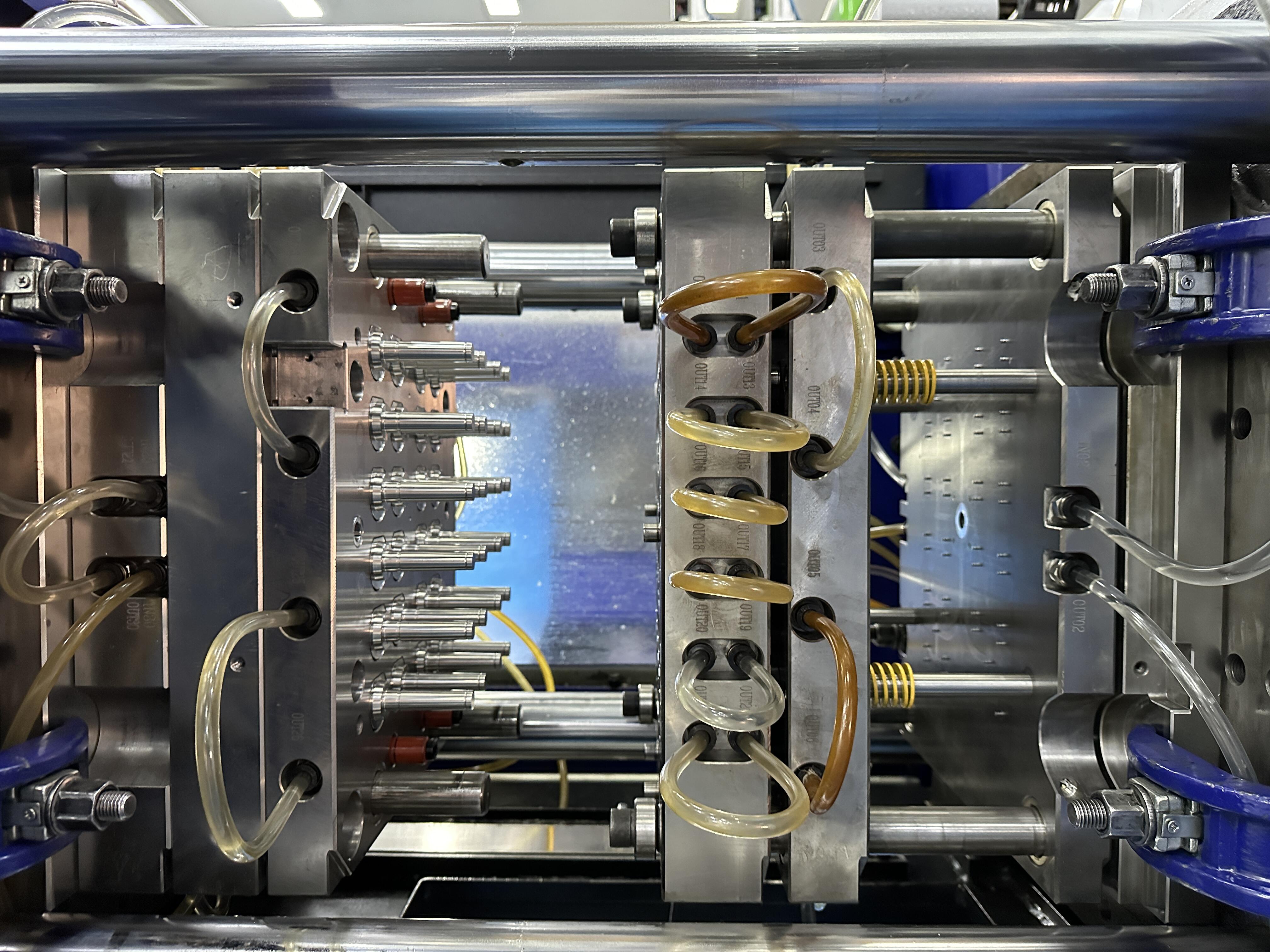
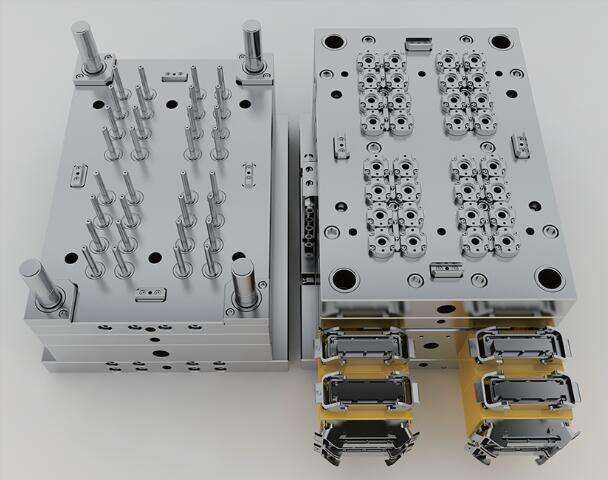
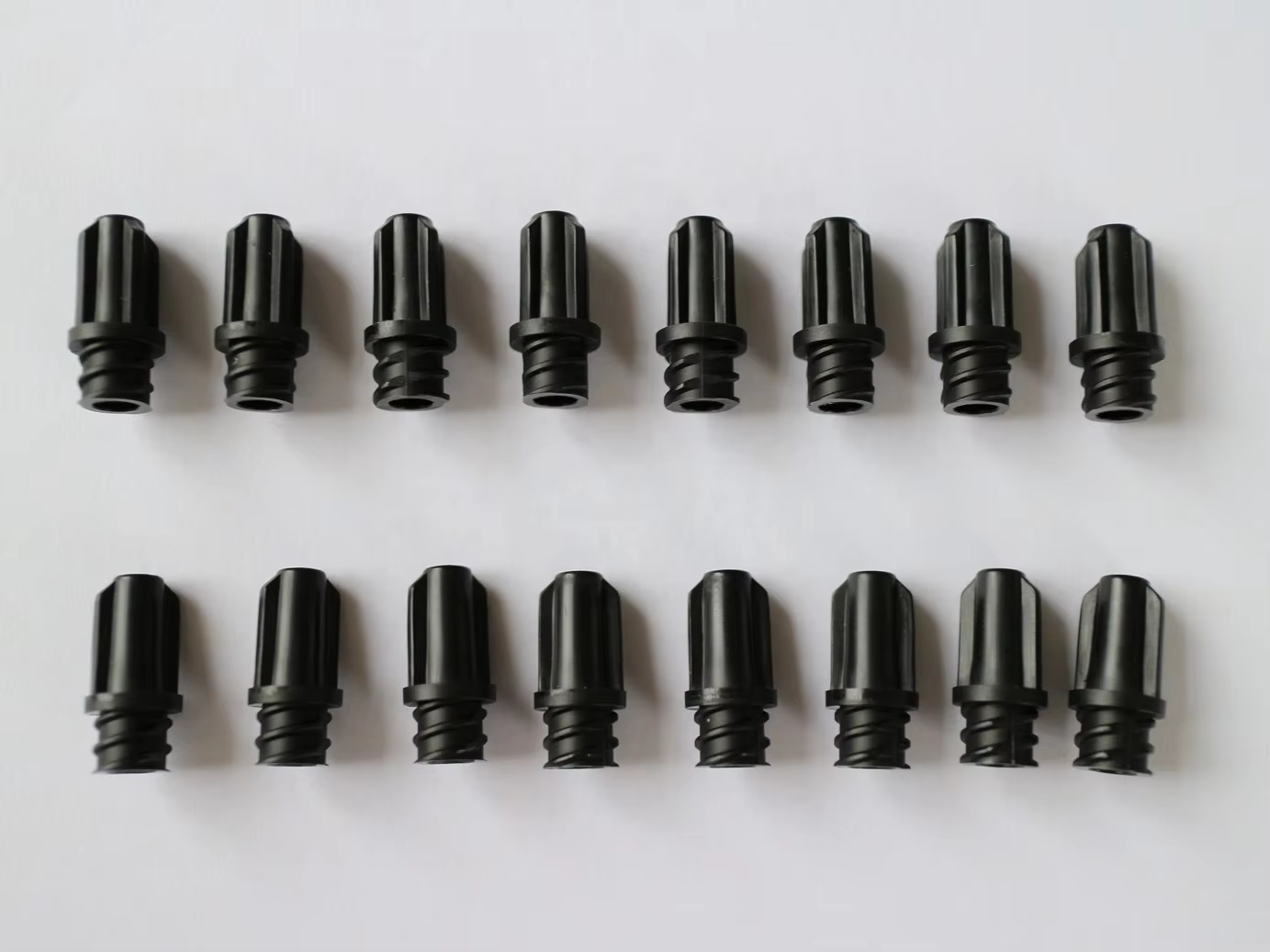
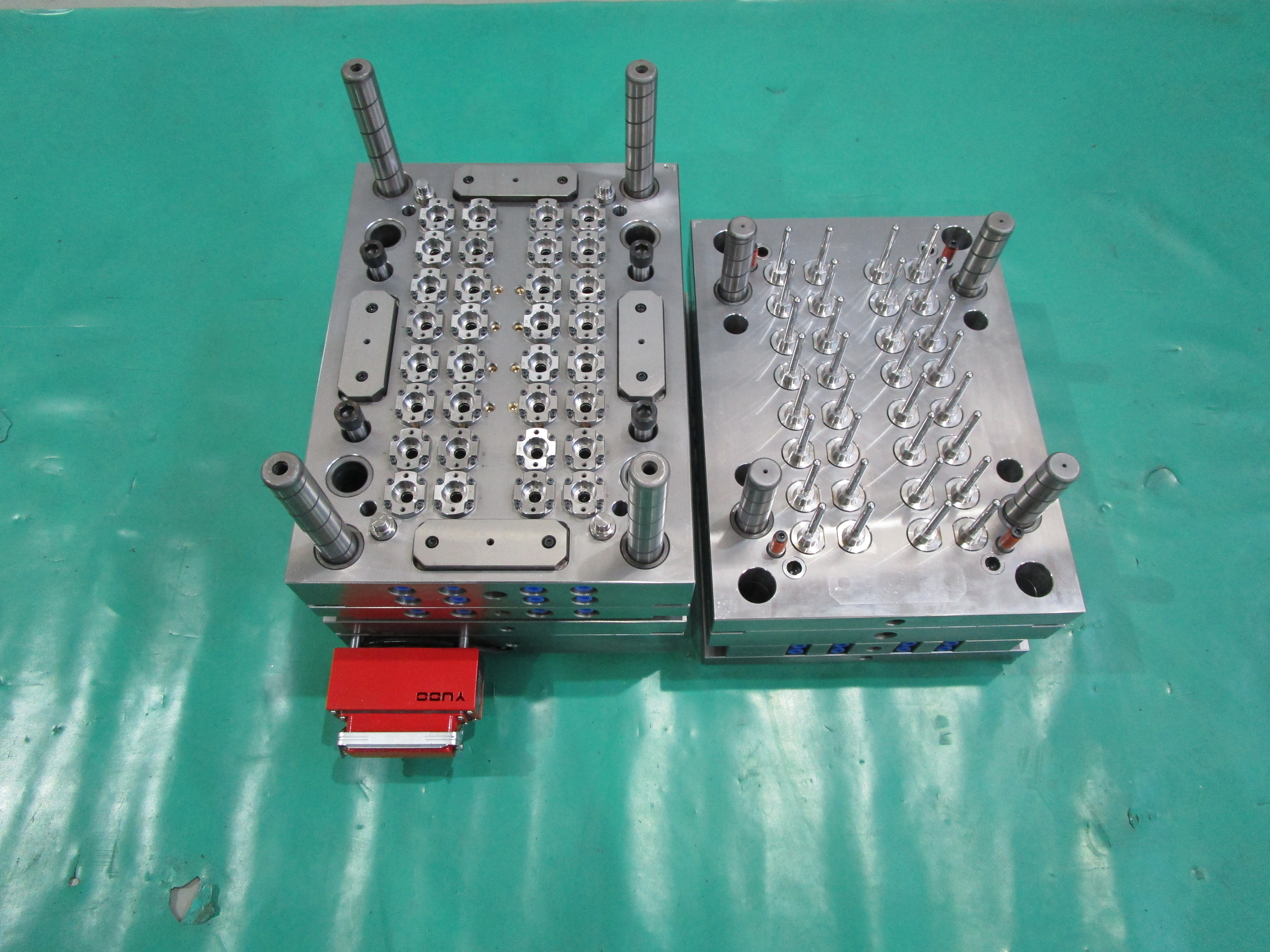
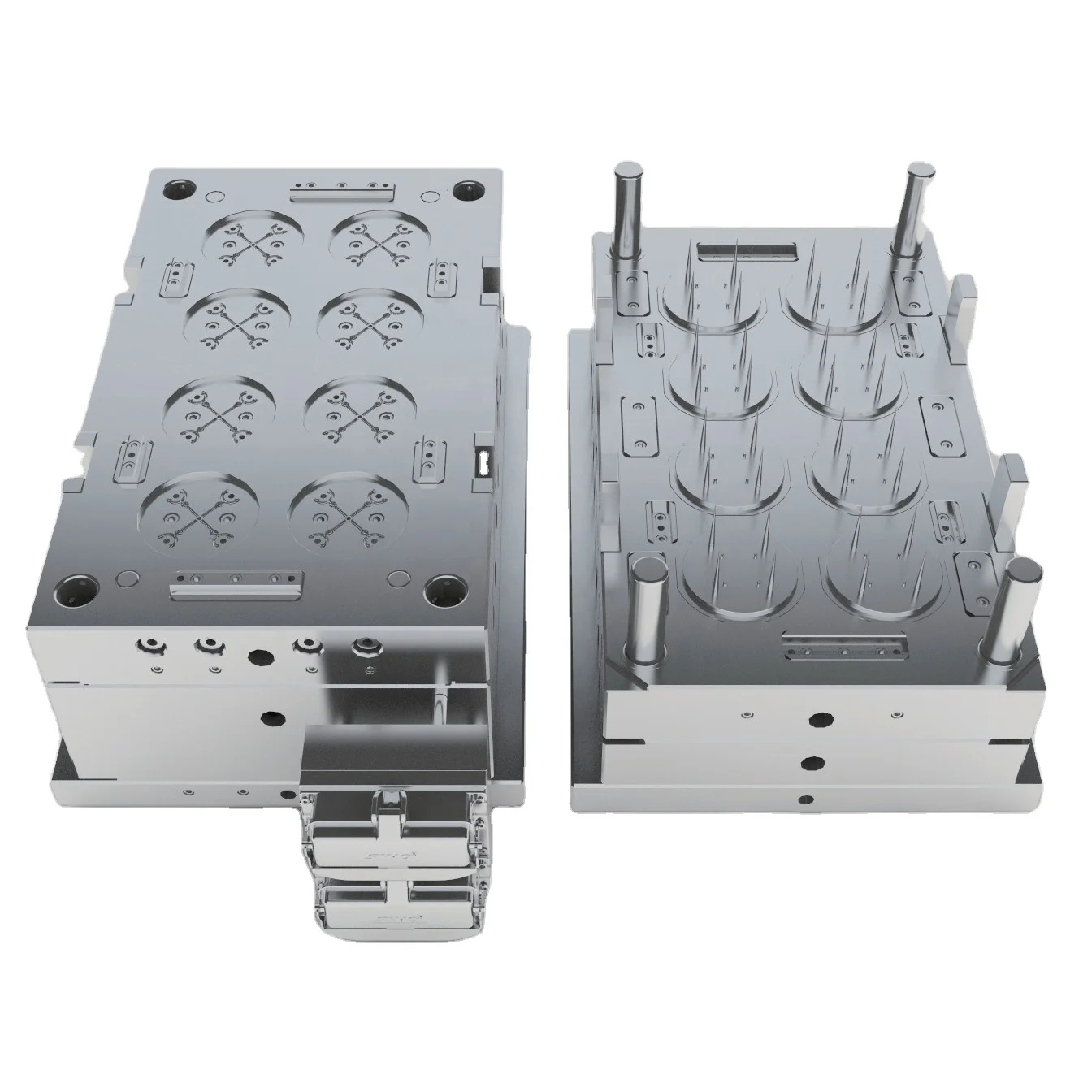
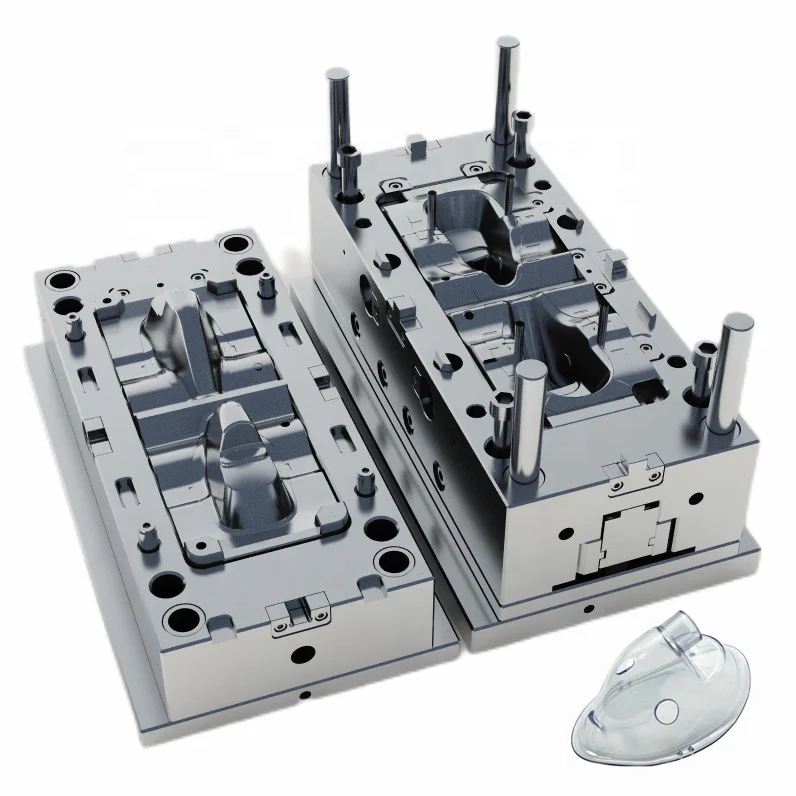
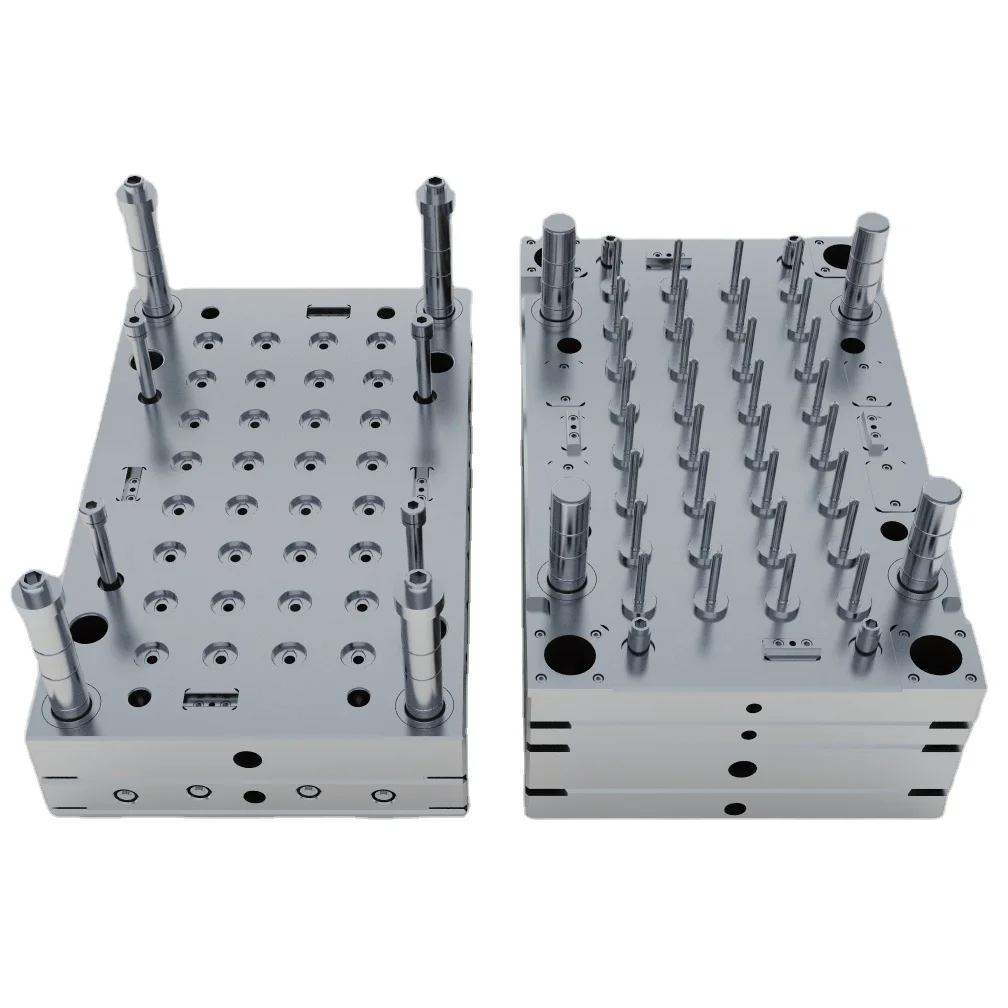
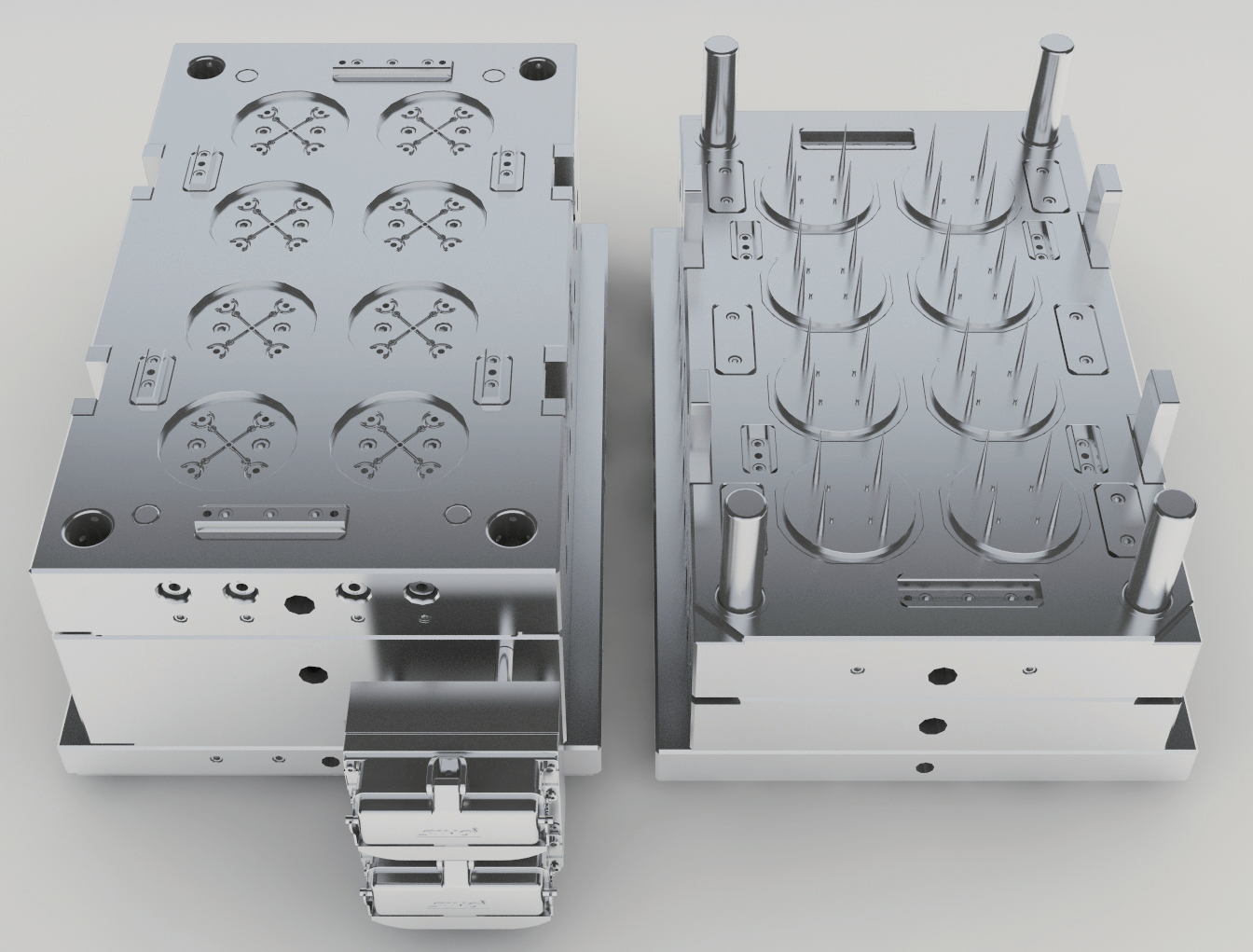
High precision plastic injection molding represents a sophisticated manufacturing process that creates intricate plastic components with exceptional accuracy and consistency. This advanced technique involves injecting molten plastic material into carefully designed molds under controlled pressure and temperature conditions, producing parts that meet strict dimensional tolerances often within micrometers. The process begins with plastic pellets being heated until they reach a molten state, then forcefully injected into a precision-machined mold cavity where the material cools and solidifies into the desired shape. High precision plastic injection molding has become indispensable across numerous industries due to its ability to manufacture complex geometries with tight tolerances that would be impossible or economically unfeasible through other manufacturing methods. The main functions of this process include creating components with intricate details, maintaining consistent quality across large production runs, and producing parts with smooth surface finishes that often require no secondary operations. Technological features that distinguish high precision plastic injection molding include computer-controlled injection parameters, servo-driven systems for precise material delivery, advanced mold temperature control systems, and real-time monitoring capabilities that ensure every part meets specifications. The process utilizes specialized machinery equipped with high-resolution sensors and automated quality control systems that detect even microscopic variations. Applications span diverse sectors including medical device manufacturing where sterile, biocompatible components require exact specifications, automotive industry for producing lightweight yet durable parts, electronics sector for creating housings and connectors with precise fitment, aerospace for manufacturing components that must withstand extreme conditions, and consumer products where aesthetics and functionality merge. The versatility of high precision plastic injection molding allows manufacturers to work with various thermoplastic materials, each offering unique properties such as chemical resistance, flexibility, strength, or transparency, making it possible to tailor solutions to specific application requirements while maintaining the highest quality standards.
The advantages of high precision plastic injection molding make it an attractive choice for businesses seeking reliable, cost-effective manufacturing solutions. First and foremost, this process delivers remarkable consistency, ensuring that every single part produced matches the exact specifications of the first piece, eliminating variations that could compromise product performance or assembly. This reliability translates directly into reduced waste and fewer rejected parts, saving money and resources throughout production cycles. The speed of production stands out as another significant benefit, with modern machines capable of completing injection cycles in mere seconds, allowing manufacturers to produce thousands or even millions of identical parts efficiently. This rapid production capability means faster time-to-market for new products and the ability to meet demanding delivery schedules without compromising quality. Cost efficiency becomes increasingly apparent in medium to large production runs, as the initial investment in tooling gets distributed across many units, dramatically reducing the per-part cost compared to alternative manufacturing methods. Material efficiency also contributes to cost savings, since the process generates minimal waste, with most scrap material being recyclable and reusable in future production runs. The design flexibility offered by high precision plastic injection molding empowers engineers and designers to create complex shapes, incorporate multiple features into single parts, and achieve thin walls or intricate details that would challenge other processes. This capability often eliminates the need for assembly of multiple components, reducing labor costs and potential failure points while improving overall product integrity. Surface quality achieved through this process frequently eliminates the need for additional finishing operations, as parts emerge from molds with smooth, aesthetically pleasing surfaces ready for immediate use or simple decoration. The process accommodates an extensive range of materials, giving designers freedom to select plastics with specific properties such as heat resistance, electrical insulation, impact strength, or chemical compatibility. Automation potential reduces labor requirements and human error, with modern systems capable of running continuously with minimal supervision, further reducing operational costs. Environmental benefits include lower energy consumption compared to metal fabrication processes and the ability to use recycled materials without significant performance degradation. The repeatability and precision eliminate the need for extensive inspection processes, streamlining quality control and reducing associated costs and time investments.

Practical Tips

What's the difference between OEM tooling and regular tooling?

22

Oct

What's the difference between OEM tooling and regular tooling?

Understanding the Core Distinctions of Original Equipment Manufacturing Tools The manufacturing industry relies heavily on precision tools and equipment to create high-quality products. When it comes to tooling solutions, there's often confusion betw...
View More
Why Custom Injection Molding Is Ideal for Precision Parts

22

Oct

Why Custom Injection Molding Is Ideal for Precision Parts

The Evolution of Modern Manufacturing Through Custom Molding Solutions In today's advanced manufacturing landscape, precision and consistency are paramount. Custom injection molding has emerged as a cornerstone technology that enables manufacturers t...
View More
What Makes Top Injection Moulding Product Manufacturers Stand Out?

27

Nov

What Makes Top Injection Moulding Product Manufacturers Stand Out?

The manufacturing landscape has witnessed remarkable transformations over the past decades, with injection moulding emerging as one of the most critical production processes across multiple industries. From automotive components to medical devices, c...
View More
What Should Companies Consider When Ordering Custom Mold and OEM Molding Services?

23

Dec

What Should Companies Consider When Ordering Custom Mold and OEM Molding Services?

Manufacturing companies across industries increasingly rely on custom mold solutions to create precise, high-quality components that meet their specific requirements. The decision to invest in custom mold fabrication represents a significant strategi...
View More

Get a Free Quote

Our representative will contact you soon.
0/1000
Exceptional Dimensional Accuracy and Tolerance Control

Exceptional Dimensional Accuracy and Tolerance Control

High precision plastic injection molding excels in delivering components with extraordinary dimensional accuracy, making it the preferred manufacturing method when tight tolerances are non-negotiable. This capability stems from advanced technological integration including computer numerical control systems, precision-ground mold components, and sophisticated process monitoring that work in concert to maintain specifications measured in micrometers. The importance of this level of accuracy cannot be overstated, particularly in industries where component fitment directly impacts functionality, safety, and user experience. Medical devices exemplify this need, where surgical instruments, drug delivery systems, and diagnostic equipment require precise dimensions to ensure proper operation and patient safety. Even microscopic deviations could render these devices ineffective or dangerous, making the consistent accuracy of high precision plastic injection molding essential. In the electronics industry, connectors, housings, and component carriers must fit together perfectly to protect sensitive circuitry, maintain signal integrity, and ensure reliable connections throughout the product lifecycle. The automotive sector relies on this precision for sensors, lighting components, and interior parts that must integrate seamlessly with other systems while enduring vibration, temperature fluctuations, and years of use. The value this accuracy brings to customers extends beyond initial product performance to encompass reduced assembly time, lower rejection rates, decreased warranty claims, and enhanced brand reputation. When parts consistently meet specifications, assembly line workers spend less time making adjustments or dealing with components that do not fit properly, directly improving manufacturing efficiency and reducing labor costs. Quality control processes become more streamlined since the inherent precision of high precision plastic injection molding reduces the need for extensive inspection, allowing for statistical sampling rather than comprehensive checking of every unit. This dimensional stability remains consistent across production runs spanning months or years, ensuring that replacement parts manufactured long after initial production will fit and function identically to original components, a critical factor for aftermarket support and customer satisfaction. The precision achieved through this process also enables miniaturization trends, allowing designers to create smaller, lighter products without sacrificing strength or functionality.
Superior Surface Finish and Aesthetic Quality

Superior Surface Finish and Aesthetic Quality

The surface finish achieved through high precision plastic injection molding represents a significant competitive advantage, delivering components with exceptional aesthetic quality straight from the mold without requiring additional finishing operations. This capability results from multiple factors including highly polished mold surfaces, controlled cooling rates, optimal material flow characteristics, and precise processing parameters that work together to replicate even the finest mold details onto molded parts. The importance of superior surface finish extends across functional and aesthetic dimensions, impacting how products perform and how customers perceive quality. In consumer products, appearance directly influences purchasing decisions, with smooth, blemish-free surfaces conveying quality and attention to detail that builds brand value and customer confidence. High precision plastic injection molding can produce mirror-like finishes, textured surfaces that hide fingerprints, or specific patterns that enhance grip or visual appeal, all without secondary operations that add cost and time. Medical applications benefit tremendously from superior surface finishes, as smooth surfaces resist bacterial colonization, facilitate cleaning and sterilization, and prevent contamination that could compromise patient safety. Optical components require exceptionally smooth surfaces to ensure light transmission without distortion or scattering, making the surface quality achievable through this process essential for lenses, light guides, and display components. The value customers gain from this surface quality includes reduced manufacturing costs by eliminating polishing, painting, or coating operations that other processes might require. Time savings prove substantial when products can move directly from molding to packaging or assembly without intermediate finishing steps, accelerating production schedules and improving cash flow. Consistency of surface finish across thousands or millions of parts ensures that products maintain uniform appearance, critical for brand identity and customer satisfaction when multiple units are displayed together or when replacement parts must match original components. The durability of molded-in surface characteristics exceeds applied finishes in many cases, as there are no coatings to chip, peel, or wear away with use, resulting in products that maintain their appearance throughout their service life. Environmental advantages accompany these benefits, as eliminating painting or coating processes reduces volatile organic compound emissions and eliminates disposal concerns associated with finishing chemicals and waste streams.
Material Versatility and Property Optimization

Material Versatility and Property Optimization

High precision plastic injection molding offers remarkable material versatility, accommodating an extensive range of thermoplastic resins and compounds that can be tailored to meet specific performance requirements, environmental conditions, and regulatory standards. This flexibility represents a powerful advantage for product developers and engineers who must balance multiple competing demands including strength, weight, cost, appearance, chemical resistance, and sustainability. The process works effectively with commodity plastics such as polypropylene and polyethylene that offer cost-effectiveness for high-volume applications, engineering resins like nylon and polycarbonate that provide superior mechanical properties, and specialized materials including medical-grade polymers, flame-retardant compounds, and electrically conductive formulations. The importance of this material versatility becomes evident when considering the diverse requirements across different applications and industries. Automotive components may require materials that withstand temperature extremes from engine compartments while maintaining dimensional stability and impact resistance. Electronic housings need materials offering electrical insulation, flame resistance, and the ability to dissipate heat while protecting sensitive circuitry. Food contact applications demand materials that meet strict regulatory requirements for safety, resist staining and odor absorption, and withstand repeated cleaning and sterilization. High precision plastic injection molding accommodates filled and reinforced materials containing glass fibers, minerals, or other additives that enhance specific properties such as stiffness, thermal conductivity, or dimensional stability, expanding design possibilities beyond what unreinforced plastics offer. The value this material flexibility brings to customers includes the ability to optimize material selection for each application, choosing the most cost-effective option that meets performance requirements rather than over-engineering with unnecessarily expensive materials. Design engineers gain freedom to specify materials with precisely the properties needed, whether prioritizing transparency for visual inspection, flexibility for living hinges, chemical resistance for harsh environments, or biocompatibility for medical implants. The process also enables the use of recycled content and bio-based materials, helping companies meet sustainability goals and respond to growing environmental awareness among consumers and regulators. Material suppliers continuously develop new formulations with improved properties, and high precision plastic injection molding readily adapts to these innovations, allowing manufacturers to incorporate the latest material technologies without changing fundamental production processes. This adaptability future-proofs manufacturing capabilities and enables companies to respond quickly to changing market demands, regulatory requirements, or competitive pressures by adjusting material specifications rather than investing in entirely new manufacturing equipment or processes.