Medical Injection Molding Companies - Precision Manufacturing Solutions for Healthcare Devices

Get a Quote
Get a Quote

medical injection molding companies

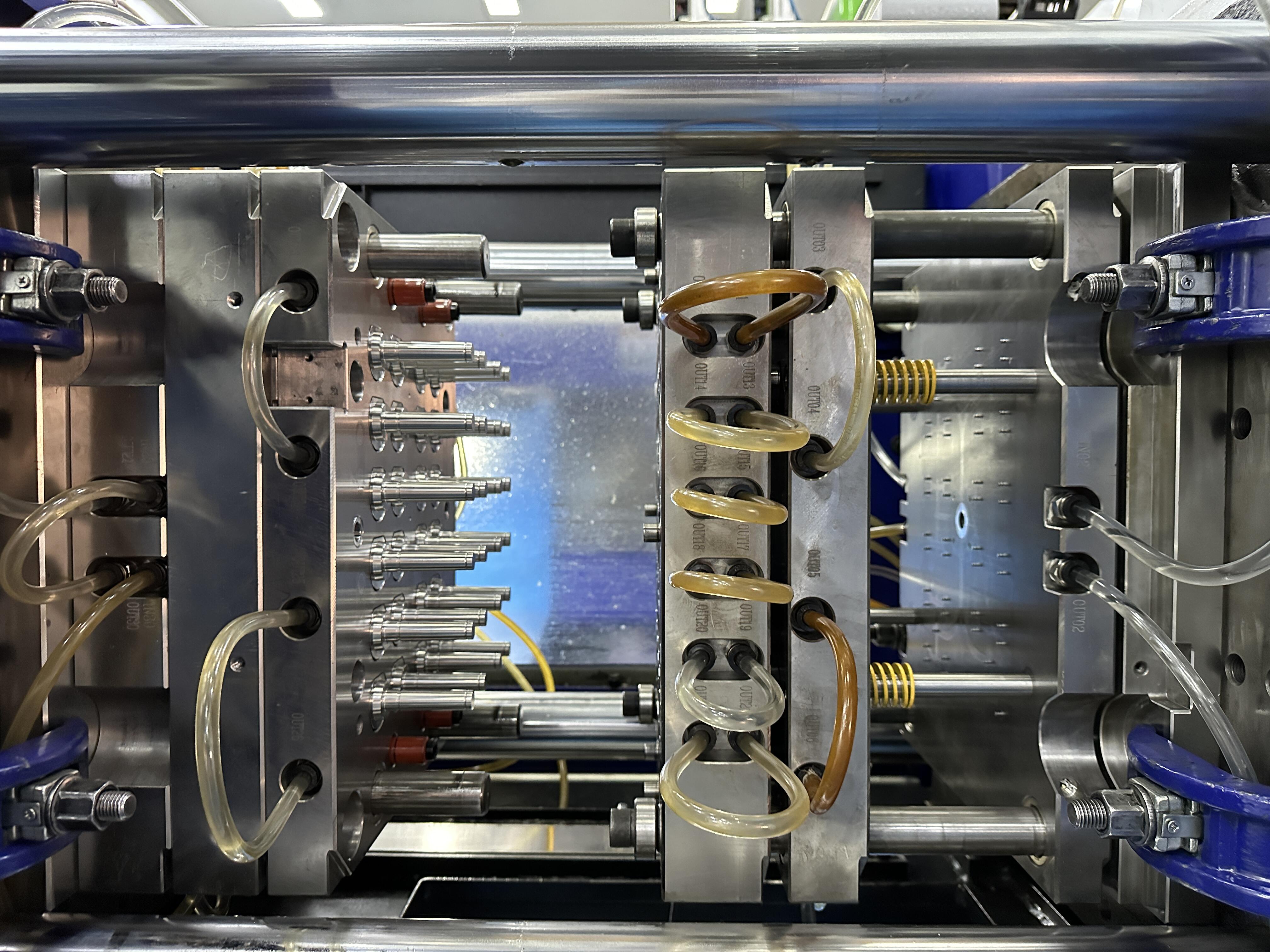
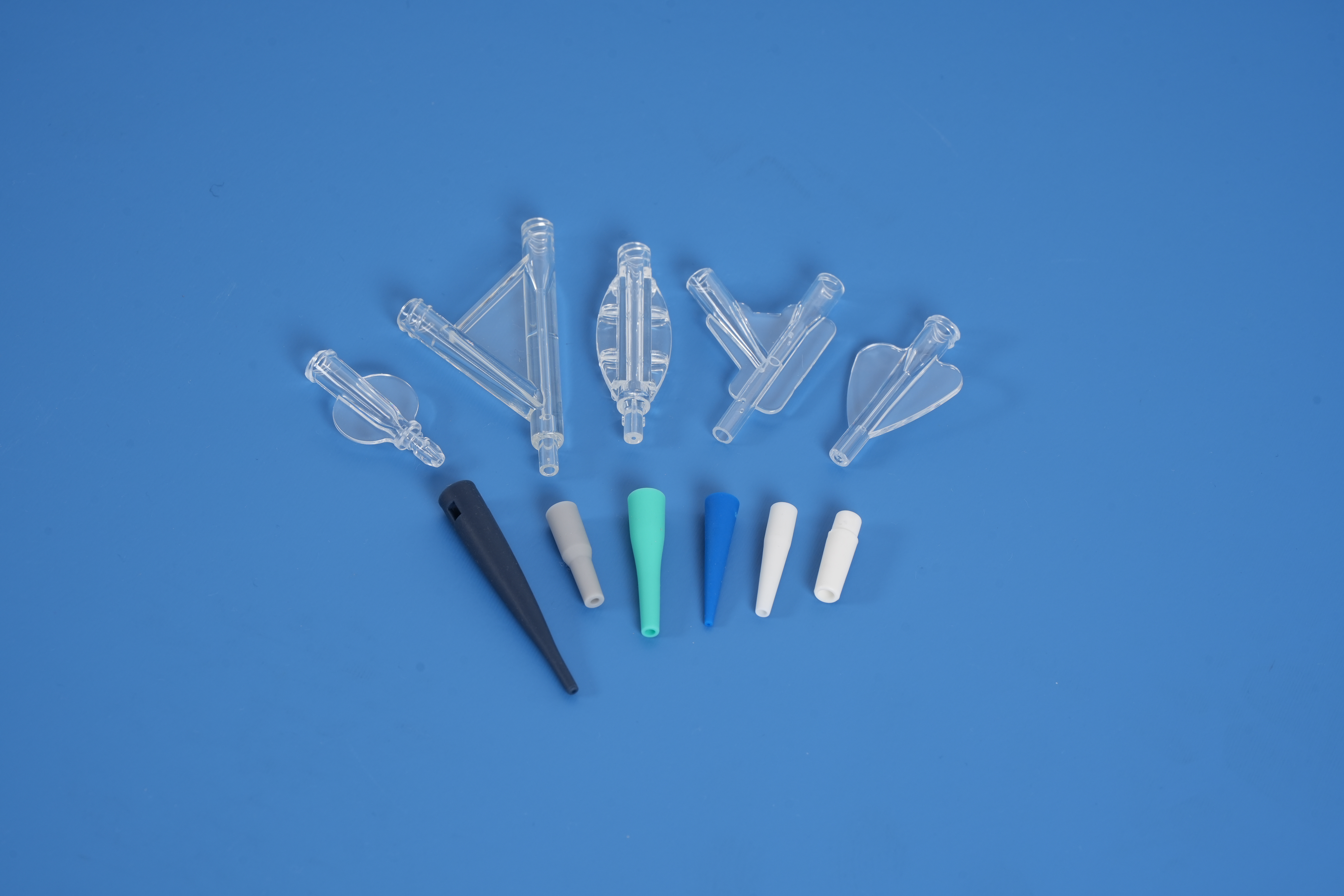
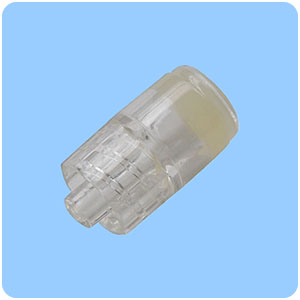
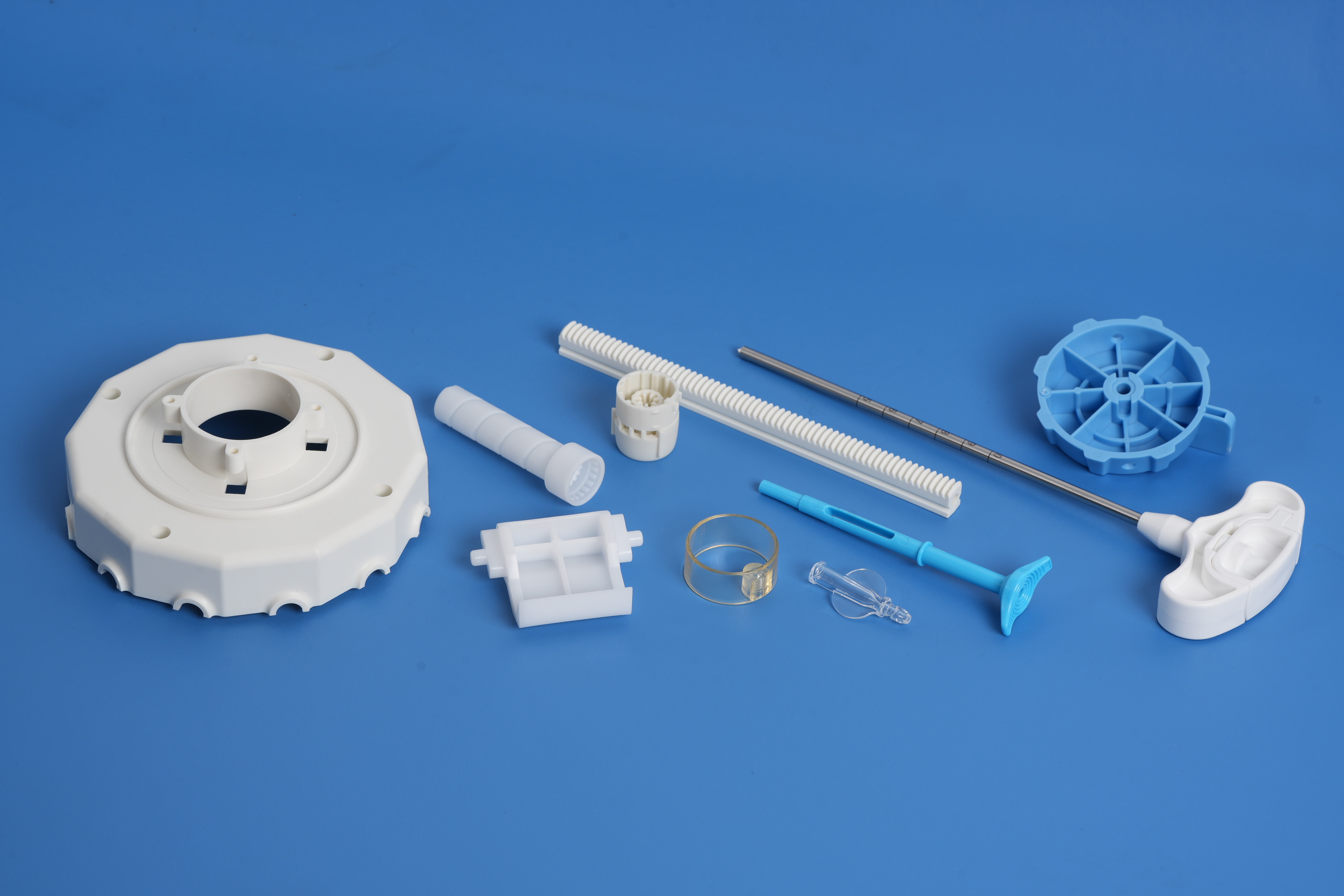
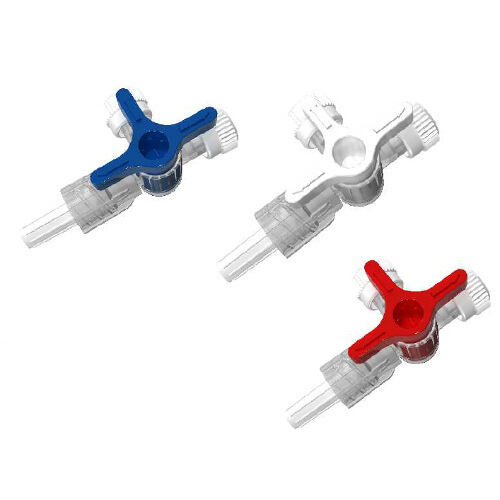
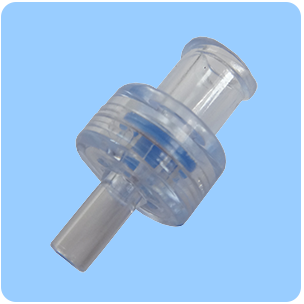
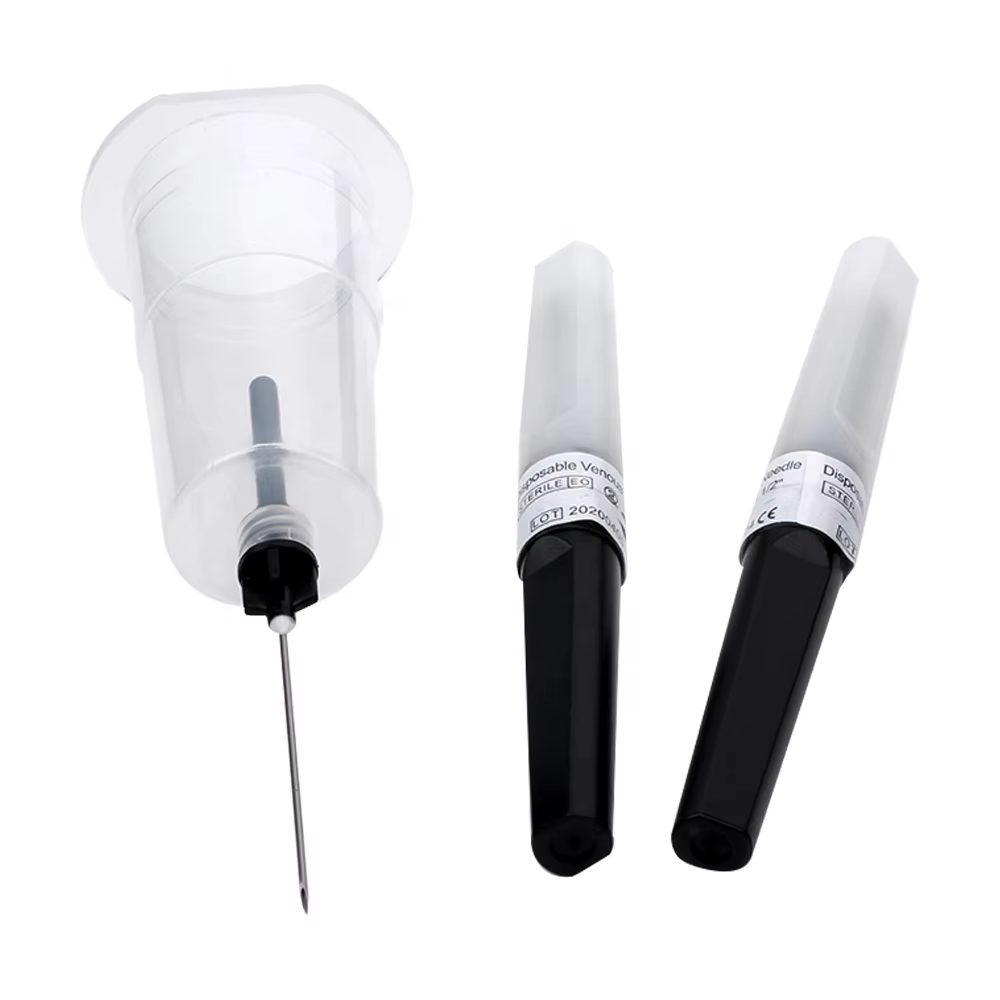
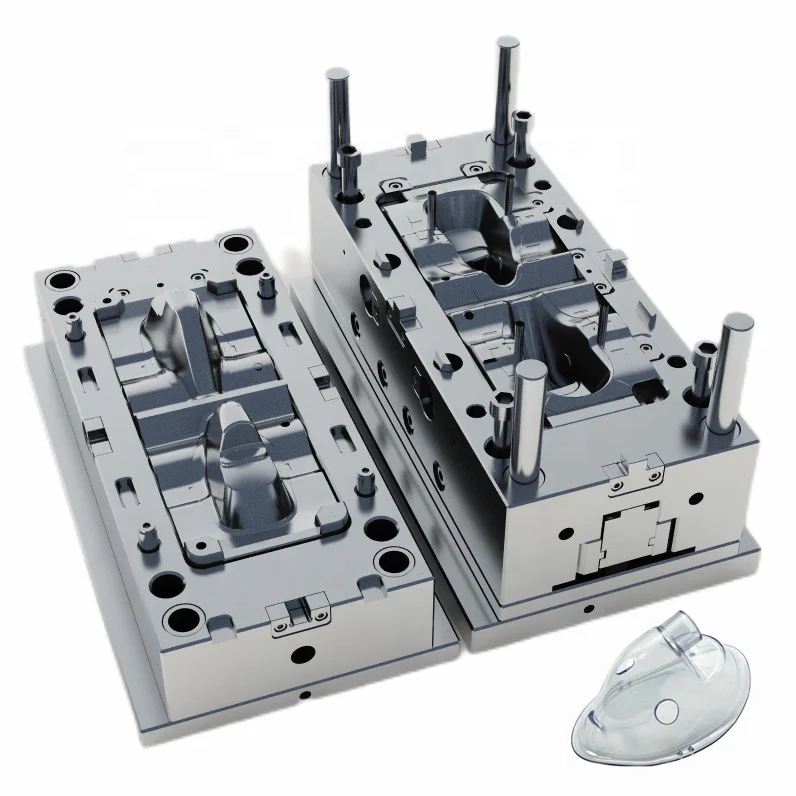
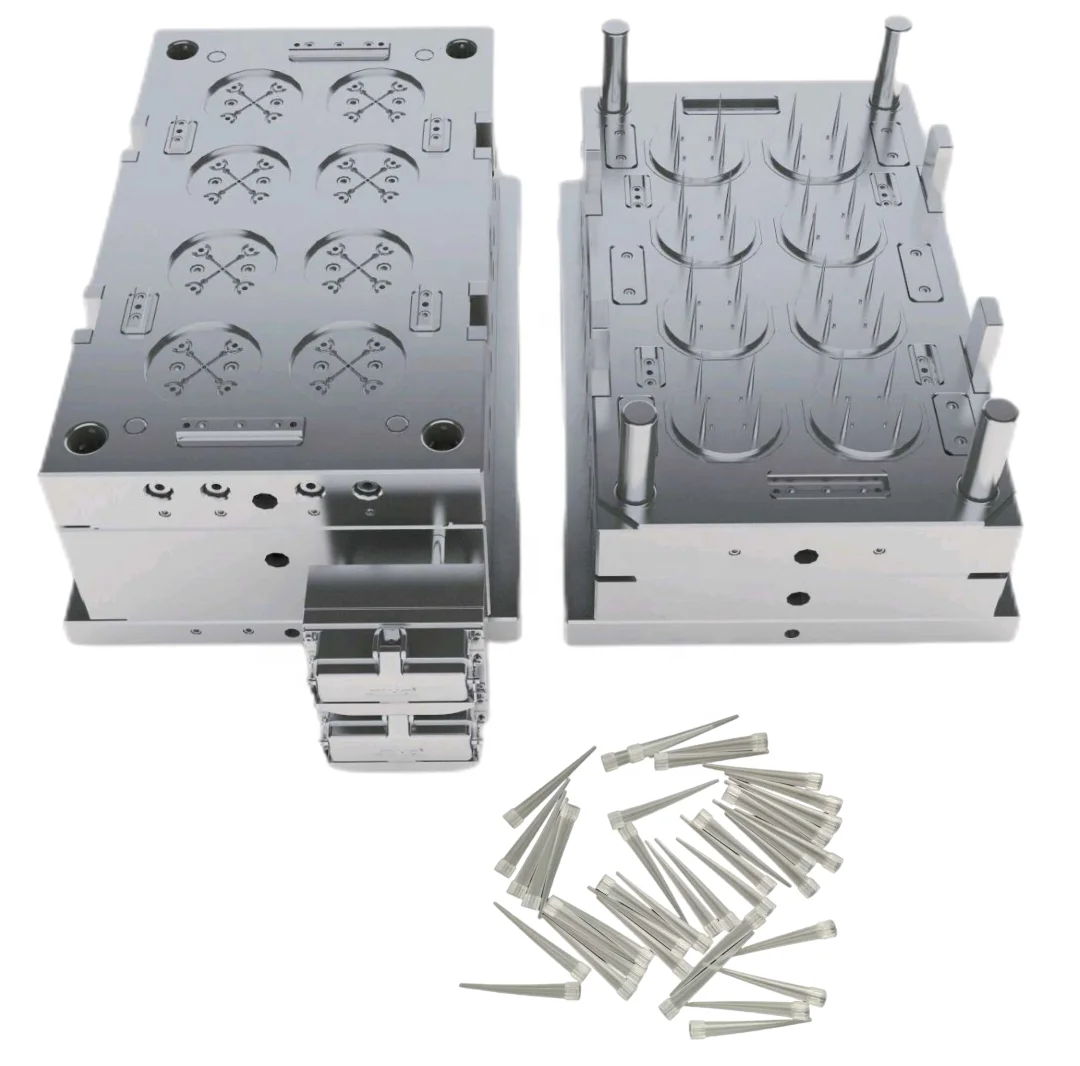
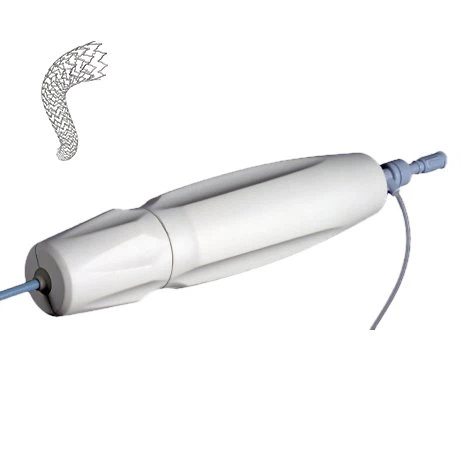
Medical injection molding companies represent specialized manufacturing organizations that produce critical healthcare components through precision plastic injection processes. These enterprises focus exclusively on creating medical-grade products that meet stringent regulatory standards and quality requirements essential for patient safety. Medical injection molding companies utilize advanced thermoplastic materials and sophisticated machinery to manufacture everything from surgical instruments and diagnostic equipment housings to drug delivery systems and implantable devices. The primary function of medical injection molding companies involves transforming raw medical-grade polymers into finished components through controlled heating, injection, and cooling cycles. These organizations maintain cleanroom environments, often certified to ISO Class 7 or Class 8 standards, ensuring contamination-free production. The technological features employed by medical injection molding companies include multi-cavity mold systems, hot runner technology, and automated quality inspection systems that guarantee dimensional accuracy and consistency across production runs. They integrate computer-aided design and computer-aided manufacturing systems to optimize part geometry and minimize defects. Medical injection molding companies serve diverse applications across the healthcare sector, producing components for disposable syringes, IV connectors, inhaler parts, surgical tool handles, blood collection tubes, and prosthetic device components. Their capabilities extend to overmolding techniques that combine multiple materials, micro-molding for miniaturized devices, and insert molding that integrates metal components within plastic housings. These companies work closely with medical device manufacturers, pharmaceutical companies, and healthcare providers to develop custom solutions that address specific clinical needs while maintaining compliance with FDA regulations, ISO 13485 certification requirements, and international medical device standards. The expertise of medical injection molding companies encompasses material selection guidance, design for manufacturability consultation, prototype development, validation testing, and full-scale production management, making them indispensable partners in bringing safe, effective medical products to market.
Working with medical injection molding companies delivers substantial practical benefits that directly impact your product development timeline and market success. First, these specialized manufacturers bring cost efficiency to your production process by leveraging economies of scale and optimized manufacturing techniques that reduce per-unit costs significantly compared to alternative manufacturing methods. Their established infrastructure eliminates the need for substantial capital investment in equipment and facilities, allowing you to allocate resources toward research and product innovation instead. Medical injection molding companies provide rapid production capabilities that accelerate your time to market, with established processes enabling quick transitions from prototype to full-scale manufacturing, often reducing development cycles by months. This speed advantage proves crucial in competitive healthcare markets where being first can establish market leadership. Quality assurance represents another major advantage, as medical injection molding companies maintain rigorous inspection protocols and validation procedures that ensure every component meets exact specifications. Their quality management systems reduce defect rates to negligible levels, minimizing costly recalls and protecting your brand reputation. These companies offer exceptional design flexibility, working collaboratively to refine product geometries, select optimal materials, and incorporate features that enhance functionality while maintaining manufacturability. Their engineering teams provide valuable insights that prevent design flaws before production begins, saving significant revision costs. Regulatory expertise constitutes a critical advantage, with medical injection molding companies maintaining current knowledge of evolving compliance requirements across global markets. They handle documentation, validation studies, and audit preparations, reducing your regulatory burden substantially. Material expertise ensures you select polymers with appropriate biocompatibility, sterilization compatibility, and performance characteristics for your specific application. These companies test multiple material options, providing data-driven recommendations that balance performance requirements with cost considerations. Scalability benefits allow your production to grow seamlessly from initial market introduction through high-volume commercial manufacturing without equipment changes or process modifications. Medical injection molding companies absorb demand fluctuations, managing inventory and production scheduling to align with your sales patterns. Risk mitigation occurs through their established supplier relationships, backup systems, and contingency planning that protect against supply chain disruptions. Their experience navigating challenges provides stability and reliability that emerging medical device companies particularly value. Technical support extends throughout the product lifecycle, with medical injection molding companies offering troubleshooting assistance, process optimization, and continuous improvement initiatives that enhance product performance over time. This ongoing partnership approach creates long-term value beyond initial manufacturing, establishing a collaborative relationship that contributes to sustained competitive advantage in demanding healthcare markets.

Practical Tips

What's the difference between OEM tooling and regular tooling?

22

Oct

What's the difference between OEM tooling and regular tooling?

Understanding the Core Distinctions of Original Equipment Manufacturing Tools The manufacturing industry relies heavily on precision tools and equipment to create high-quality products. When it comes to tooling solutions, there's often confusion betw...
View More
Custom Injection Molding Tips for High-Quality Manufacturing

22

Oct

Custom Injection Molding Tips for High-Quality Manufacturing

Mastering the Art of Precision Manufacturing Through Injection Molding The manufacturing landscape continues to evolve, and custom injection molding stands at the forefront of modern production techniques. This sophisticated process has revolutionize...
View More
What Makes Top Injection Moulding Product Manufacturers Stand Out?

27

Nov

What Makes Top Injection Moulding Product Manufacturers Stand Out?

The manufacturing landscape has witnessed remarkable transformations over the past decades, with injection moulding emerging as one of the most critical production processes across multiple industries. From automotive components to medical devices, c...
View More

06

Jan

The healthcare industry continues to evolve at an unprecedented pace, driven by technological advancements and increasing patient care demands. Modern healthcare facilities require sophisticated medical equipment that not only meets current clinical ...
View More

Get a Free Quote

Our representative will contact you soon.
0/1000
Advanced Cleanroom Manufacturing Capabilities

Advanced Cleanroom Manufacturing Capabilities

Medical injection molding companies distinguish themselves through state-of-the-art cleanroom manufacturing environments that ensure the highest levels of product purity and safety. These controlled environments represent significant investments in infrastructure and operational protocols that protect medical components from contamination throughout the production process. Cleanroom facilities maintained by medical injection molding companies typically achieve ISO Class 7 or Class 8 certification, meaning they limit airborne particulate matter to strictly defined concentrations that prevent contamination of sensitive medical devices. The importance of this capability cannot be overstated when producing components that will contact patients directly or be used in sterile medical procedures. These specialized facilities employ sophisticated air filtration systems with HEPA filters that continuously cycle and purify the manufacturing atmosphere, removing particles down to 0.3 microns in size. Temperature and humidity controls maintain optimal conditions that prevent static electricity buildup and material degradation. Medical injection molding companies implement strict gowning protocols requiring personnel to wear specialized garments, gloves, and face coverings that minimize human-generated contamination. Entry to cleanroom areas occurs through airlocks and gowning rooms where staff follow documented procedures before accessing production zones. The value of advanced cleanroom capabilities extends beyond basic contamination control to encompass comprehensive environmental monitoring systems that continuously track particulate counts, temperature, humidity, and pressure differentials. Medical injection molding companies maintain detailed records of environmental conditions, providing traceability that supports regulatory submissions and quality investigations. Equipment within cleanrooms receives regular maintenance and calibration according to validated schedules, ensuring consistent performance. Injection molding machines in these environments often feature specialized modifications including stainless steel construction, sealed hydraulic systems, and integrated cleaning protocols that prevent lubricant contamination. The surfaces within cleanroom facilities use non-porous materials that resist bacterial growth and facilitate effective cleaning with approved disinfectants. Medical injection molding companies establish cleaning validation protocols demonstrating the effectiveness of their sanitation procedures, providing documented assurance that production areas meet microbiological standards. Material handling within cleanrooms follows controlled procedures with components transferred in sealed containers to prevent exposure. The financial investment in cleanroom infrastructure represents a barrier to entry that specialized medical injection molding companies have overcome, providing customers access to these critical capabilities without requiring their own capital expenditure. This advantage proves particularly valuable for startup medical device companies and established manufacturers seeking to outsource production while maintaining quality standards.
Comprehensive Regulatory Compliance and Quality Management

Comprehensive Regulatory Compliance and Quality Management

Medical injection molding companies offer invaluable expertise in navigating the complex regulatory landscape governing medical device manufacturing, providing comprehensive quality management systems that ensure compliance across global markets. This capability delivers tremendous value to customers who face increasingly stringent requirements from regulatory bodies including the FDA, European Medicines Agency, and other international authorities. Medical injection molding companies maintain ISO 13485 certification, the international standard specifically designed for medical device quality management systems, demonstrating their commitment to systematic controls and continuous improvement. This certification requires regular third-party audits that verify compliance with documented procedures covering every aspect of manufacturing operations. The regulatory knowledge possessed by medical injection molding companies encompasses understanding of device classification systems, biocompatibility testing requirements, sterilization validation protocols, and design control processes mandated by quality system regulations. Their teams stay current with evolving guidance documents and regulatory updates, adapting procedures proactively to maintain compliance. This expertise saves customers significant time and resources that would otherwise be spent developing internal regulatory capabilities. Medical injection molding companies establish master validation plans covering equipment qualification, process validation, and cleaning validation, providing documented evidence that manufacturing processes consistently produce components meeting predetermined specifications. Installation qualification, operational qualification, and performance qualification studies verify that equipment functions correctly, while process validation demonstrates that specific molding parameters reliably produce parts within tolerance. These validation packages form essential components of regulatory submissions, and medical injection molding companies prepare comprehensive documentation that satisfies reviewer requirements. Traceability systems implemented by medical injection molding companies track materials, processing parameters, and inspection results for every production lot, enabling rapid investigation of any quality issues and supporting recall procedures if necessary. Batch records contain complete manufacturing histories that demonstrate compliance with approved processes. Supplier management programs ensure that raw materials meet specifications, with medical injection molding companies qualifying material suppliers through audits and ongoing monitoring of certificates of analysis. Change control procedures govern modifications to processes, materials, or equipment, requiring documented impact assessments and appropriate validation before implementation. Medical injection molding companies maintain complaint handling systems that investigate customer concerns systematically, implementing corrective and preventive actions to address root causes. Internal audit programs assess compliance with established procedures, identifying improvement opportunities. Management review processes ensure senior leadership actively oversees quality system effectiveness. The value delivered through comprehensive regulatory compliance extends to reducing customers' audit burden, as medical injection molding companies host regulatory inspections and customer audits, providing documented evidence of quality system effectiveness. This capability proves especially critical for companies marketing devices internationally, as medical injection molding companies often hold registrations and certifications recognized across multiple jurisdictions, simplifying global market access strategies.
Precision Engineering and Material Science Expertise

Precision Engineering and Material Science Expertise

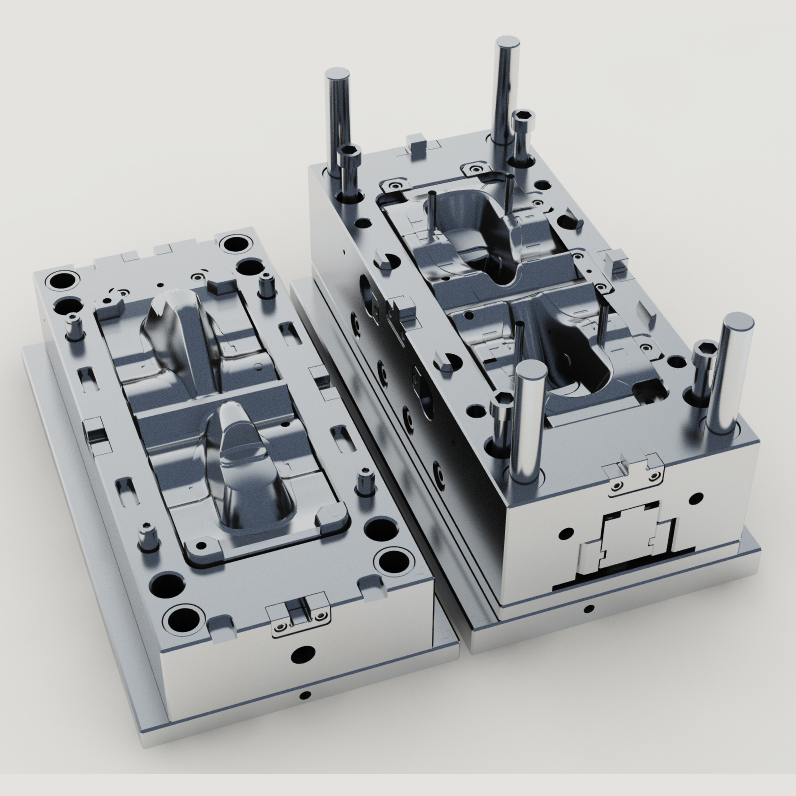
Medical injection molding companies provide exceptional precision engineering capabilities combined with deep material science knowledge that optimizes product performance while ensuring manufacturability. This technical expertise represents a core differentiator that delivers substantial value throughout product development and commercial production phases. The engineering teams at medical injection molding companies possess specialized understanding of how design features impact moldability, with experience spanning thousands of unique medical components across diverse applications. They evaluate part geometries for potential molding challenges including wall thickness variations, draft angles, undercuts, and gate locations that affect material flow and part quality. Through design for manufacturability reviews, medical injection molding companies identify modifications that improve production efficiency without compromising functionality, often reducing cycle times and minimizing defects. Computer-aided engineering simulations performed by medical injection molding companies predict material behavior during the injection process, identifying potential issues like weld lines, air traps, or sink marks before expensive tooling is manufactured. Mold flow analysis software models polymer flow patterns, pressure distributions, and cooling rates, enabling optimization of gate locations, runner systems, and cooling channel configurations. These simulations reduce development iterations and accelerate time to market significantly. Tooling design expertise ensures molds incorporate features that facilitate consistent part production and efficient maintenance. Medical injection molding companies specify appropriate steel grades, surface finishes, and venting systems based on specific polymer requirements and production volumes. They design multi-cavity molds that balance filling across cavities, ensuring dimensional consistency. Hot runner systems eliminate material waste while improving cycle efficiency, and medical injection molding companies select configurations appropriate for specific applications. Material science knowledge distinguishes leading medical injection molding companies, with technical staff understanding the properties, processing requirements, and regulatory status of numerous medical-grade polymers. They guide material selection based on mechanical property requirements, biocompatibility considerations, sterilization method compatibility, and chemical resistance needs. Common materials include polycarbonate, polypropylene, polyethylene, ABS, polysulfone, PEEK, and liquid silicone rubber, each offering distinct advantages for particular applications. Medical injection molding companies maintain relationships with material suppliers, accessing technical data sheets, biocompatibility test results, and regulatory documentation that support device submissions. They conduct processing trials with multiple material options, comparing outcomes to identify optimal choices. Material handling and drying procedures specific to each polymer are implemented to prevent moisture-related defects. Process development expertise enables medical injection molding companies to establish robust manufacturing parameters that accommodate normal process variation while consistently producing compliant parts. Statistical process control methods monitor critical parameters, triggering interventions before defects occur. Process capability studies quantify manufacturing consistency, providing confidence in meeting tight tolerances. The precision achieved by medical injection molding companies extends to dimensional accuracy measured in thousandths of an inch, surface finish control critical for optical clarity or biocompatibility, and repeatability across millions of production cycles. Automated inspection systems verify dimensions using vision systems and coordinate measuring machines, capturing data that demonstrates ongoing process control.