Medical Device Injection Molding Companies: Precision Manufacturing Solutions for Healthcare Innovation

Get a Quote
Get a Quote

medical device injection molding companies

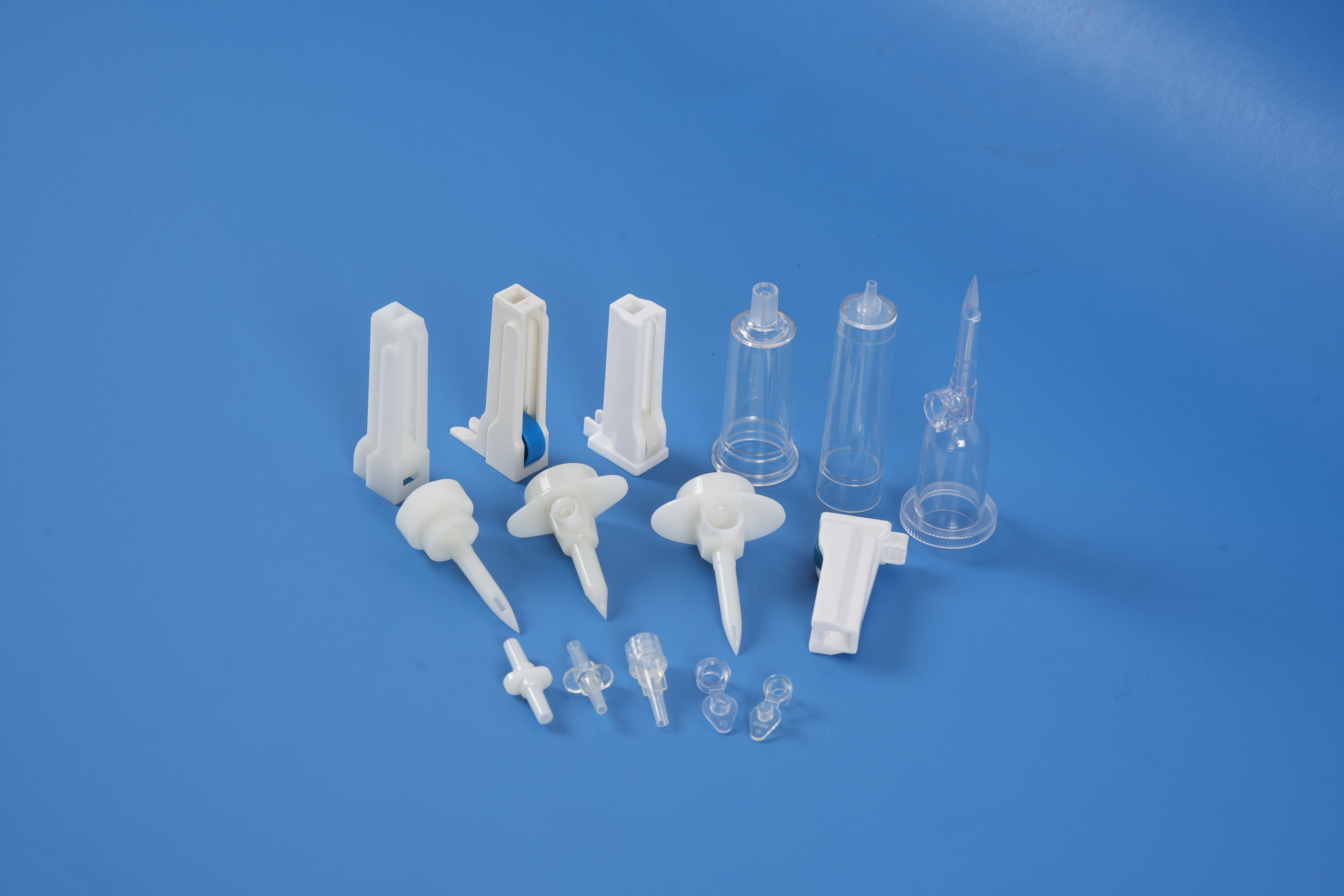
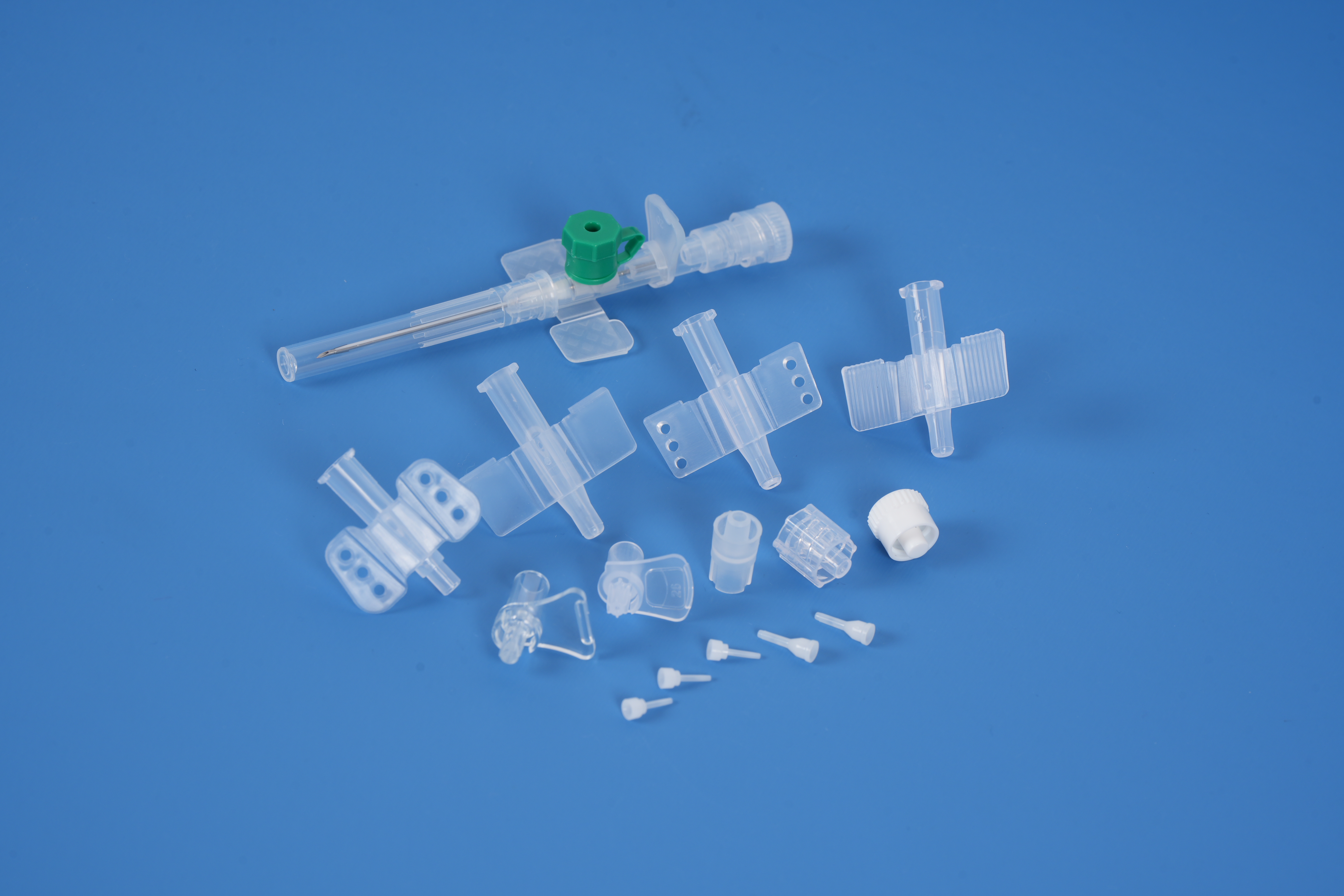
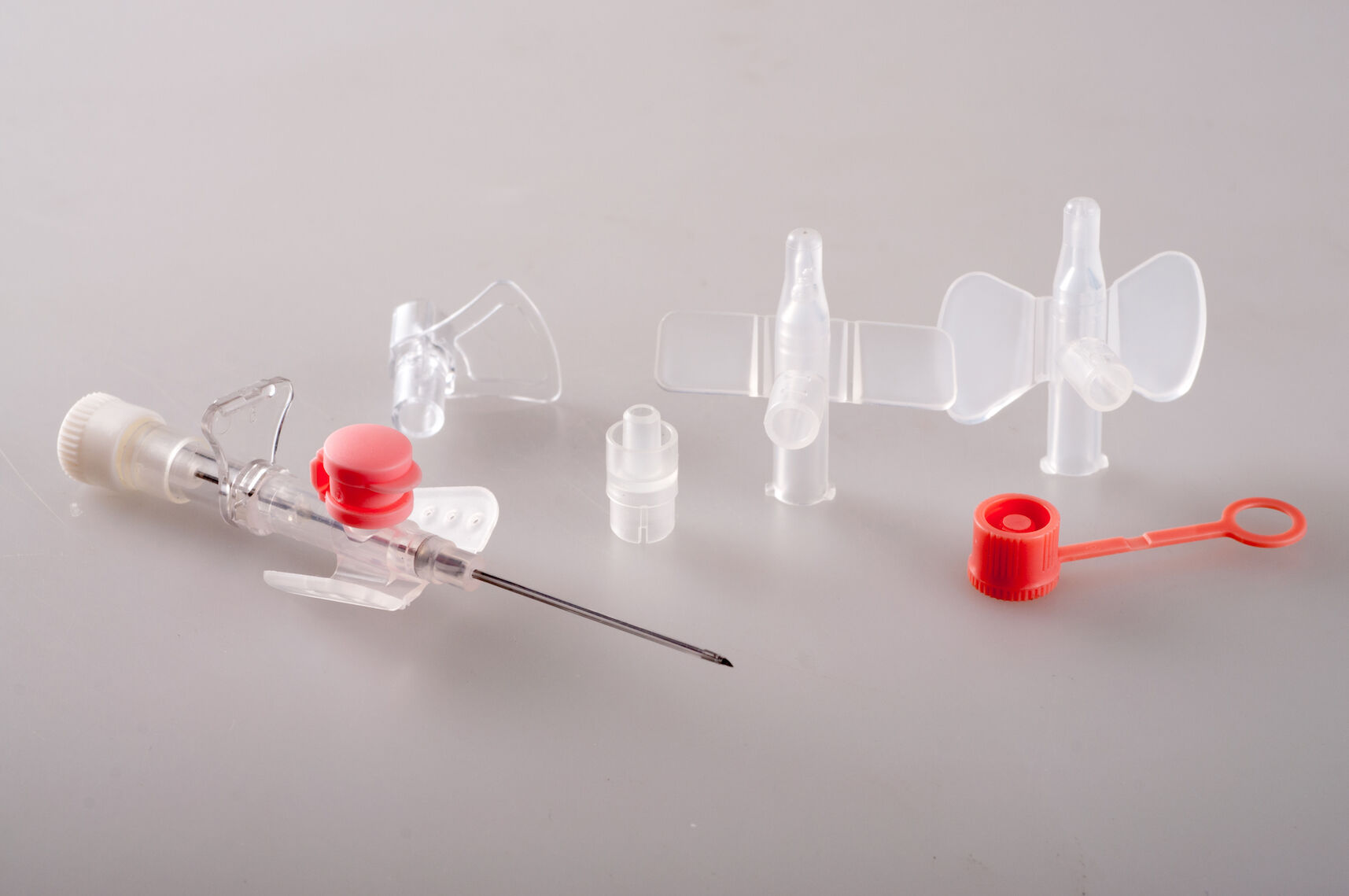
Medical device injection molding companies represent a specialized sector within the manufacturing industry that focuses on producing precision plastic components for healthcare applications. These organizations utilize advanced injection molding technology to create critical medical products ranging from surgical instruments and diagnostic equipment housings to implantable components and drug delivery systems. The primary function of medical device injection molding companies is to transform raw thermoplastic materials into finished medical components through a controlled process that involves heating plastic resins to their melting point, injecting the molten material into precision-engineered molds under high pressure, and cooling the formed parts to exact specifications. These manufacturers serve as essential partners to medical device developers, pharmaceutical companies, hospitals, and healthcare organizations worldwide. The technological features that distinguish medical device injection molding companies include cleanroom manufacturing environments ranging from ISO Class 7 to ISO Class 8 standards, computer-aided design and engineering capabilities for rapid prototyping, multi-cavity mold technology for high-volume production, and advanced quality control systems incorporating statistical process control and automated inspection. Many facilities maintain FDA registration and operate under strict regulatory frameworks including ISO 13485 certification for medical device quality management systems. Applications for products manufactured by medical device injection molding companies span numerous healthcare segments including surgical instruments such as forceps and clamps, diagnostic equipment components like blood glucose meter housings, respiratory devices including nebulizer parts and oxygen mask components, cardiovascular products such as catheter components and syringe barrels, orthopedic implants and surgical guides, dental instruments and orthodontic devices, ophthalmic products including contact lens cases, and pharmaceutical packaging solutions like vial caps and medication delivery systems. The versatility of injection molding technology allows these companies to work with biocompatible materials including polycarbonate, polyethylene, polypropylene, thermoplastic elastomers, and specialized medical-grade resins that meet stringent biocompatibility requirements for patient safety and regulatory compliance across global markets.
Working with medical device injection molding companies delivers substantial practical benefits that directly impact your product development timeline, manufacturing costs, and market success. First and foremost, these specialized manufacturers provide cost efficiency through economies of scale, enabling you to produce thousands or millions of identical components at a fraction of the per-unit cost compared to alternative manufacturing methods. The injection molding process itself minimizes material waste since excess plastic can often be recycled and reintroduced into production cycles, reducing your raw material expenses and supporting sustainability goals. Another significant advantage centers on production speed and consistency, as modern injection molding equipment can produce complex medical components in cycle times ranging from seconds to minutes, allowing medical device injection molding companies to fulfill large orders quickly while maintaining exceptional repeatability across every single unit manufactured. This consistency proves critical in healthcare applications where dimensional accuracy and performance reliability directly affect patient outcomes and regulatory approval. Quality assurance represents another key benefit, as reputable medical device injection molding companies implement rigorous inspection protocols, validation procedures, and documentation practices that align with FDA requirements and international medical device regulations. These manufacturers maintain comprehensive traceability systems that track materials from raw resin suppliers through finished product delivery, providing the documentation necessary for regulatory submissions and post-market surveillance activities. Design flexibility stands out as a particularly valuable advantage, since injection molding accommodates intricate geometries, thin walls, complex internal features, and integrated components that would be difficult or impossible to achieve through machining or assembly operations. Medical device injection molding companies employ experienced engineering teams who can optimize your product designs for manufacturability, suggesting modifications that improve strength, reduce material usage, simplify assembly, or enhance aesthetic appearance without compromising functionality. Material selection expertise provides another practical benefit, as these specialized manufacturers understand the performance characteristics, biocompatibility profiles, sterilization compatibility, and regulatory status of dozens of medical-grade polymers, helping you choose optimal materials that balance cost, performance, and compliance requirements. Speed to market accelerates when partnering with established medical device injection molding companies because they possess existing infrastructure, qualified equipment, trained personnel, and established quality systems that eliminate the need for substantial capital investment in your own manufacturing capabilities. This allows emerging medical device companies and established healthcare organizations alike to focus resources on core competencies like research, clinical trials, and market development while leveraging manufacturing expertise from proven partners who understand the unique demands of medical device production.

Latest News

What Applications Benefit Most from Custom Mold and OEM Molding Solutions?

23

Dec

What Applications Benefit Most from Custom Mold and OEM Molding Solutions?

Manufacturing industries across the globe rely heavily on precision components that meet exact specifications and performance standards. When standard off-the-shelf products cannot deliver the required functionality, companies turn to specialized man...
View More
How to choose a reliable partner for custom mold and OEM molding in medical device manufacturing?

06

Jan

How to choose a reliable partner for custom mold and OEM molding in medical device manufacturing?

Medical device manufacturing demands precision, compliance, and reliability at every stage of production. When selecting a partner for custom mold development and OEM molding services, healthcare companies must evaluate multiple critical factors that...
View More
How to select the right medical-grade tubing and catheters for complex surgical procedures?

06

Jan

How to select the right medical-grade tubing and catheters for complex surgical procedures?

Selecting the appropriate medical-grade tubing and catheters for complex surgical procedures represents one of the most critical decisions healthcare professionals make in their practice. The complexity of modern surgical interventions demands materi...
View More
How can custom OEM molding services optimize the cost of large-scale medical disposables?

06

Jan

How can custom OEM molding services optimize the cost of large-scale medical disposables?

In today's competitive healthcare landscape, medical device manufacturers face mounting pressure to reduce production costs while maintaining the highest quality standards. Custom OEM molding services have emerged as a strategic solution for companie...
View More

Get a Free Quote

Our representative will contact you soon.
0/1000
Cleanroom Manufacturing Environments Ensuring Medical-Grade Quality

Cleanroom Manufacturing Environments Ensuring Medical-Grade Quality

Medical device injection molding companies distinguish themselves through purpose-built cleanroom manufacturing facilities that maintain controlled environmental conditions essential for producing components that meet stringent healthcare industry standards. These specialized production environments control airborne particulate contamination, temperature, humidity, and air pressure differentials to prevent contaminants from compromising product sterility and patient safety. Cleanroom classifications typically range from ISO Class 7, which permits no more than 352,000 particles of 0.5 microns or larger per cubic meter of air, to ISO Class 8 standards allowing up to 3,520,000 particles per cubic meter. Medical device injection molding companies invest substantially in air filtration systems, positive pressure zones, gowning protocols, and environmental monitoring equipment to maintain these exacting conditions throughout production cycles. Personnel working within these controlled environments follow strict protocols including specialized garments, glove requirements, hand washing procedures, and training programs that minimize human-generated contamination sources. The importance of cleanroom manufacturing extends beyond regulatory compliance to encompass fundamental product quality attributes that directly affect clinical performance and patient outcomes. Components manufactured in controlled environments exhibit lower bioburden levels, reducing sterilization challenges and improving shelf life characteristics. Surface cleanliness directly impacts subsequent processes like printing, bonding, coating, or assembly operations that many medical devices require. For implantable devices, surgical instruments, and products contacting sterile body tissues, cleanroom manufacturing represents not merely a competitive advantage but an absolute necessity that distinguishes professional medical device injection molding companies from general plastics manufacturers. The value proposition for customers partnering with cleanroom-certified manufacturers includes reduced validation burdens, lower rejection rates, enhanced regulatory acceptance, and ultimately faster market access for critical medical technologies. Furthermore, established medical device injection molding companies typically maintain multiple certifications and undergo regular third-party audits that verify ongoing compliance with evolving standards, providing customers with confidence that manufacturing practices will meet requirements across different global markets. Investment in cleanroom infrastructure also demonstrates a manufacturer's commitment to the medical device sector, signaling stability, expertise, and long-term partnership potential that emerging healthcare technology companies especially value when selecting manufacturing partners for products that may remain in production for decades.
Advanced Tooling Capabilities and Engineering Support for Optimal Product Development

Advanced Tooling Capabilities and Engineering Support for Optimal Product Development

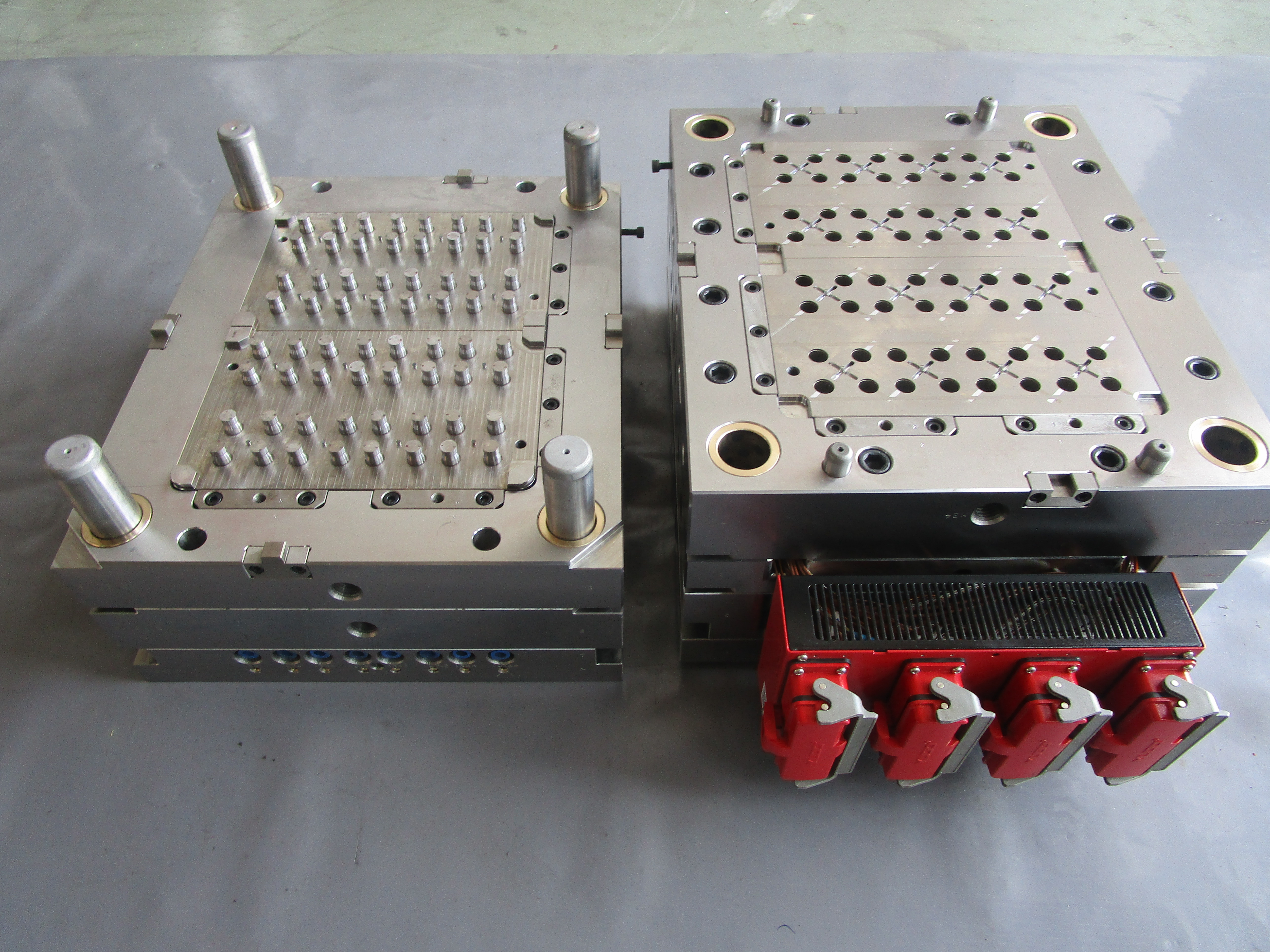
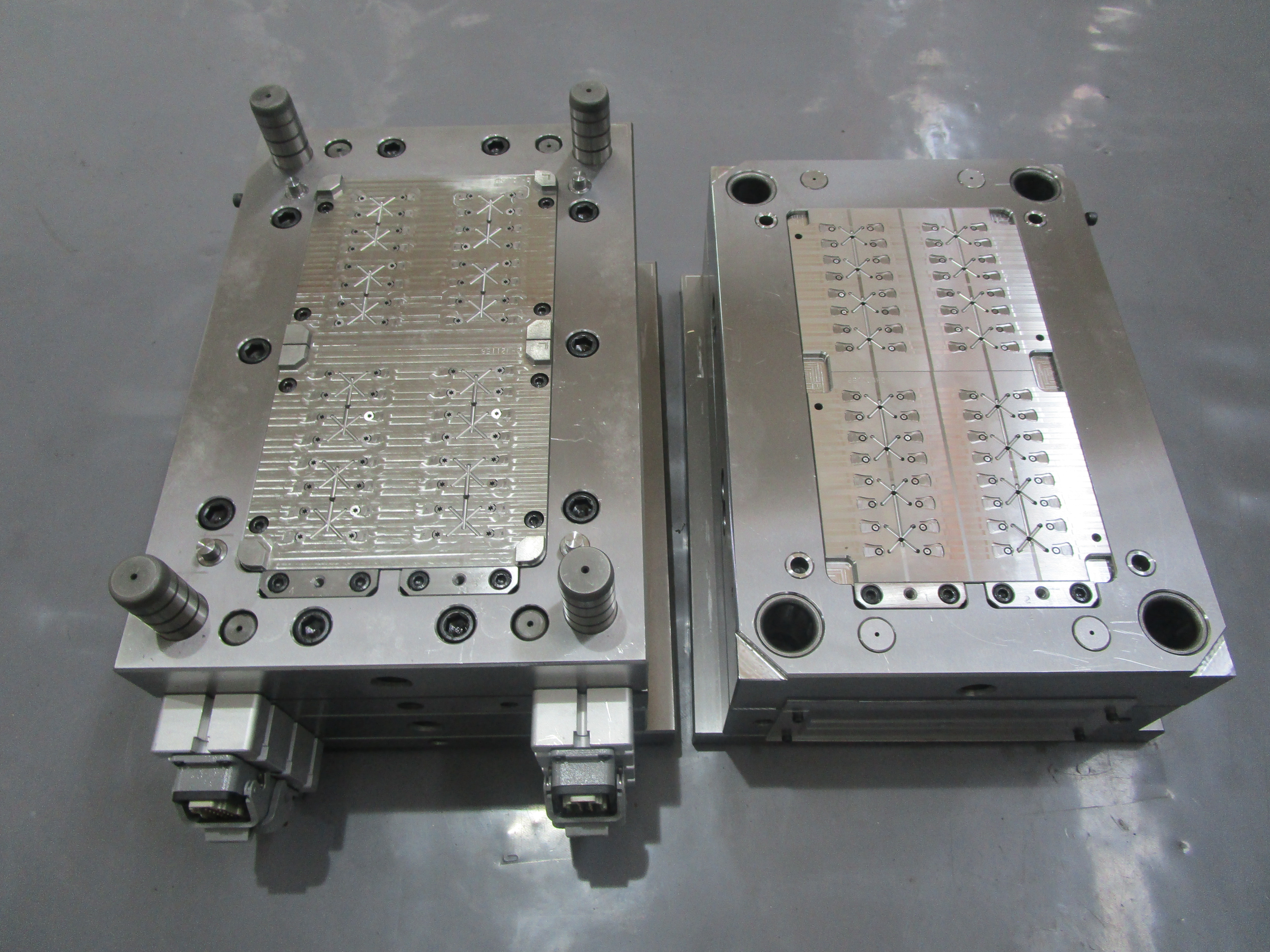
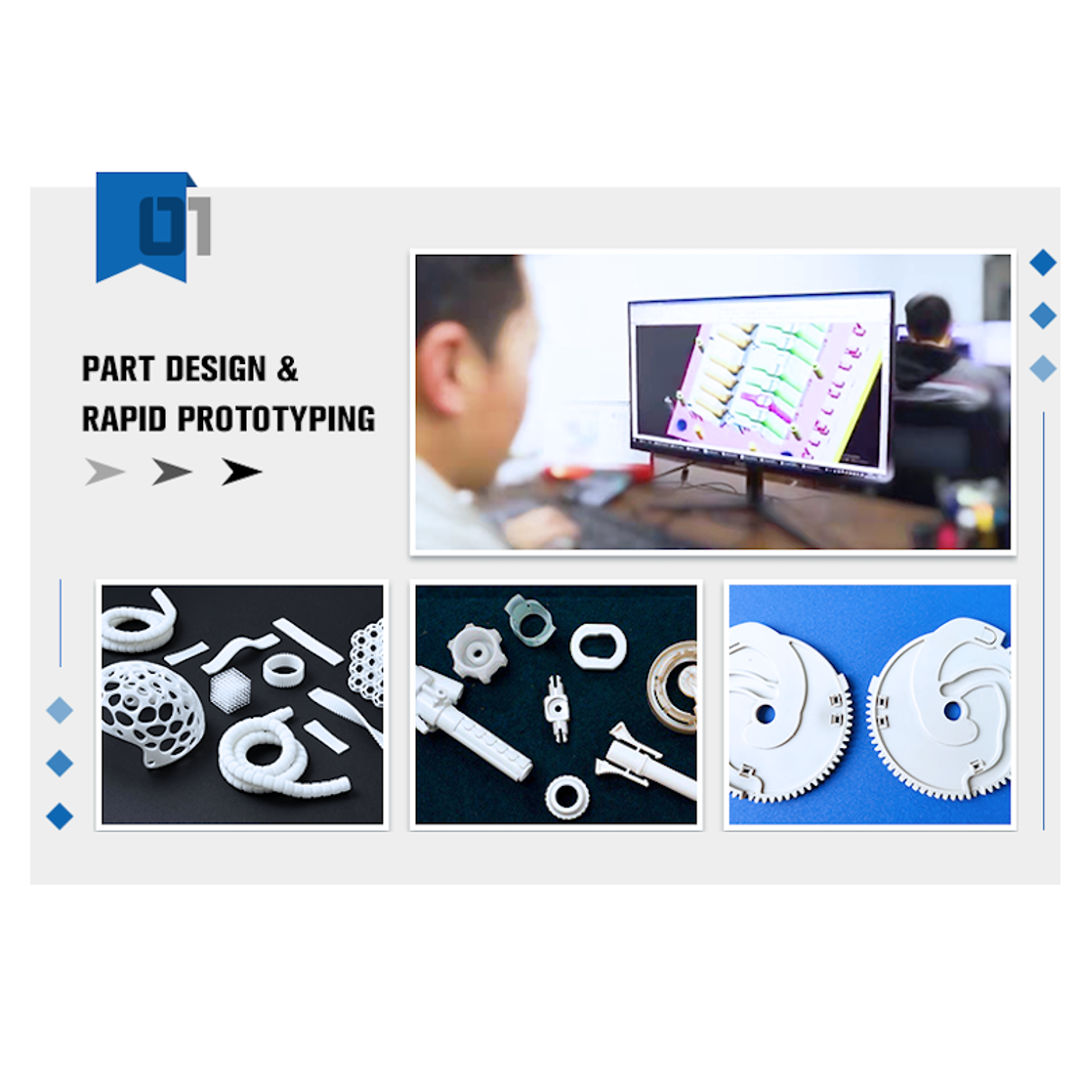
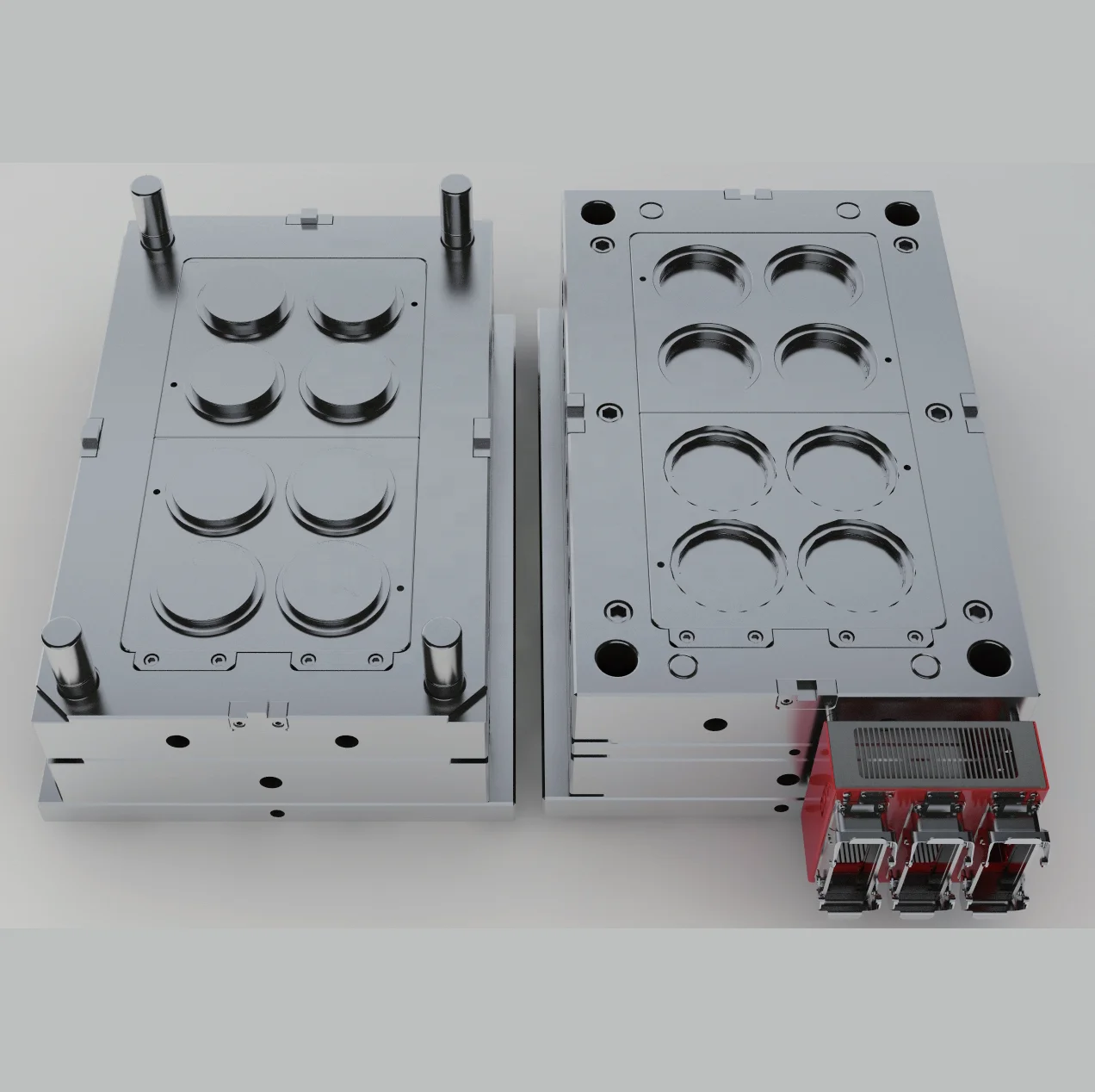
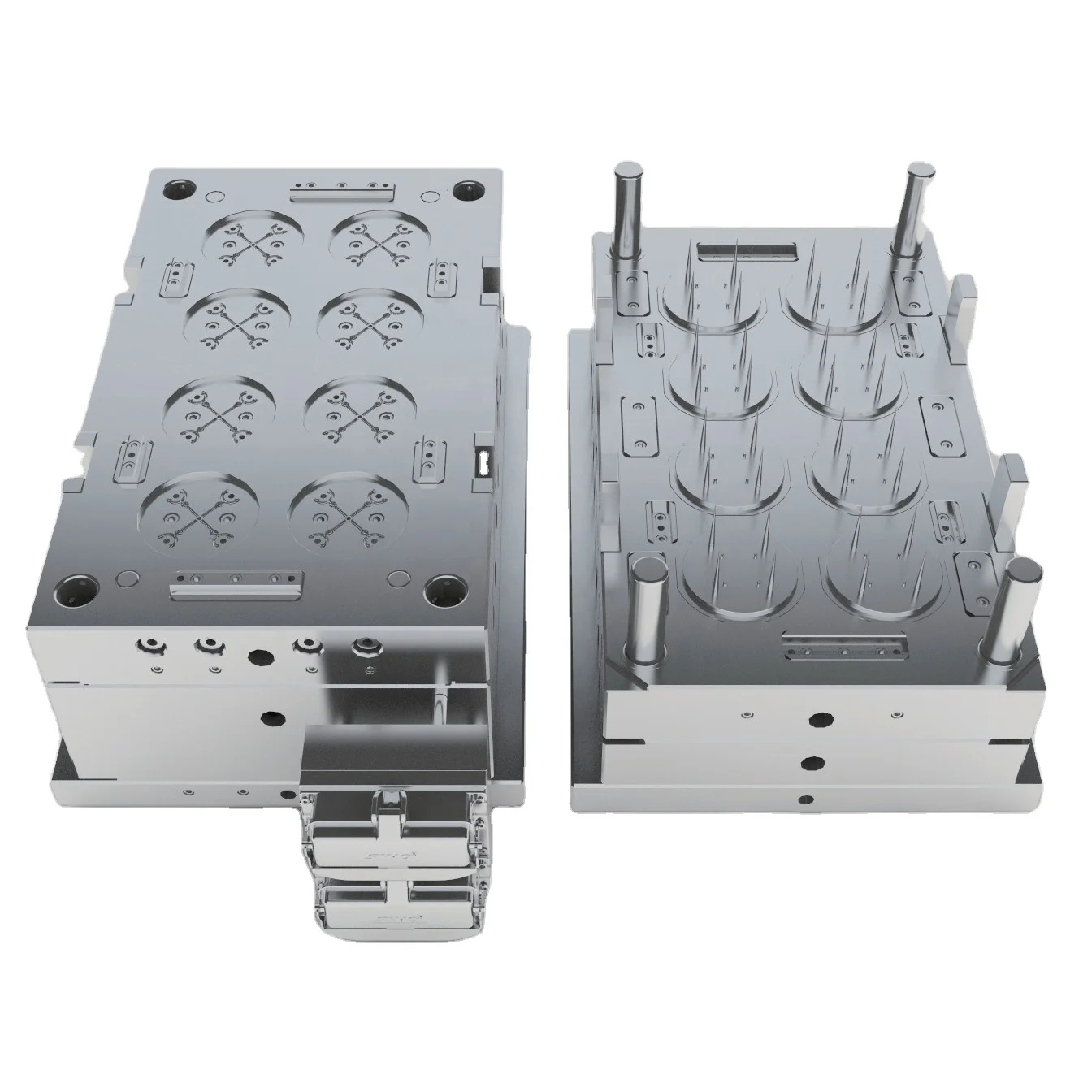
The engineering expertise and sophisticated tooling capabilities that medical device injection molding companies provide represent transformative advantages for healthcare product developers seeking to optimize designs while accelerating development timelines. These specialized manufacturers employ multidisciplinary engineering teams including mechanical engineers, materials scientists, mold designers, and quality engineers who collaborate with customers from initial concept through commercial production. The tooling development process begins with comprehensive design for manufacturability analysis where experienced engineers evaluate product designs for potential molding challenges, suggesting modifications that improve part quality, reduce cycle times, eliminate secondary operations, or decrease material costs. Medical device injection molding companies utilize advanced computer-aided engineering software for mold flow analysis, which simulates how molten plastic will fill mold cavities, identifying potential issues like air traps, weld lines, warpage, or sink marks before expensive tooling fabrication begins. This predictive capability prevents costly design iterations and accelerates product development cycles significantly compared to trial-and-error approaches. Precision mold fabrication represents another critical capability, as medical device injection molding companies typically operate in-house tool rooms equipped with computer numerical control machining centers, electrical discharge machining equipment, and coordinate measuring machines that produce molds with tolerances measured in microns. This precision directly translates to dimensional consistency in molded components, enabling tight assemblies, reliable performance, and reduced quality control failures. Multi-cavity mold technology allows simultaneous production of multiple identical parts during each molding cycle, dramatically improving production efficiency for high-volume medical device components while maintaining consistency across all cavity positions. Family mold capabilities enable production of several different components within a single tool, reducing overall tooling investment for devices requiring multiple plastic parts. The value these advanced tooling capabilities deliver extends throughout the entire product lifecycle, beginning with rapid prototyping services that many medical device injection molding companies offer, allowing designers to evaluate physical samples before committing to production tooling investments. Engineering support continues through design validation testing, process validation activities required for regulatory submissions, and ongoing production optimization that reduces costs as product volumes increase. For medical device companies, particularly startups and small enterprises with limited engineering resources, partnering with experienced medical device injection molding companies effectively expands internal capabilities, providing access to specialized expertise that would be prohibitively expensive to develop independently while maintaining focus on core competencies in clinical research, regulatory strategy, and commercial development.
Regulatory Compliance Expertise and Quality Management Systems Supporting Market Approval

Regulatory Compliance Expertise and Quality Management Systems Supporting Market Approval

Medical device injection molding companies differentiate themselves through comprehensive quality management systems and regulatory compliance expertise that prove invaluable when navigating complex approval processes across global healthcare markets. These specialized manufacturers implement quality systems aligned with ISO 13485 standards, the internationally recognized framework for medical device quality management that demonstrates systematic approaches to design controls, process validation, risk management, and post-market surveillance. Achieving and maintaining ISO 13485 certification requires substantial organizational commitment, documented procedures, regular internal audits, management reviews, and third-party surveillance audits that verify ongoing compliance. Medical device injection molding companies that maintain these certifications provide customers with immediate credibility during regulatory reviews and customer audits, demonstrating established quality infrastructure that reduces perceived manufacturing risks. FDA registration represents another critical qualification that distinguishes medical device injection molding companies operating in or supplying the United States market, as these facilities undergo registration procedures and become subject to FDA inspection authority. Many established manufacturers maintain comprehensive regulatory documentation including device master records, design history files, device history records, and complaint handling procedures that align with Quality System Regulation requirements under 21 CFR Part 820. This regulatory infrastructure proves especially valuable for emerging medical device companies that may lack internal regulatory expertise or for established organizations seeking to outsource manufacturing while maintaining compliance obligations. The practical benefits of partnering with regulatory-compliant medical device injection molding companies include access to validated processes that have demonstrated capability to produce components meeting predetermined specifications consistently, comprehensive documentation supporting regulatory submissions including process validation protocols and reports, material traceability systems that track components from raw material suppliers through finished device distribution, and change control procedures that manage design modifications or process improvements while maintaining regulatory compliance. Risk management represents another area where experienced medical device injection molding companies add substantial value, as these manufacturers understand how to identify potential failure modes in manufacturing processes, implement preventive controls, establish monitoring systems, and maintain objective evidence of risk mitigation activities. This expertise directly supports device manufacturers in fulfilling ISO 14971 risk management requirements that regulatory authorities worldwide expect as part of medical device approval processes. Furthermore, established medical device injection molding companies typically maintain relationships with multiple material suppliers who provide documentation supporting biocompatibility claims, extractables and leachables data, and regulatory status information for resins used in medical applications. This supplier management infrastructure eliminates significant burden from device manufacturers who would otherwise need to independently qualify material sources and maintain supplier quality agreements. For companies pursuing international market access, partnering with medical device injection molding companies familiar with varying regulatory requirements across regions including European Union Medical Device Regulations, Canadian Medical Device Regulations, Japanese Pharmaceutical and Medical Device Act, and other jurisdiction-specific frameworks provides strategic advantages that accelerate global commercialization while minimizing compliance risks that could delay product launches or trigger costly corrective actions.