অসাধারণ মাত্রিক নির্ভুলতা এবং সহনশীলতা নিয়ন্ত্রণ
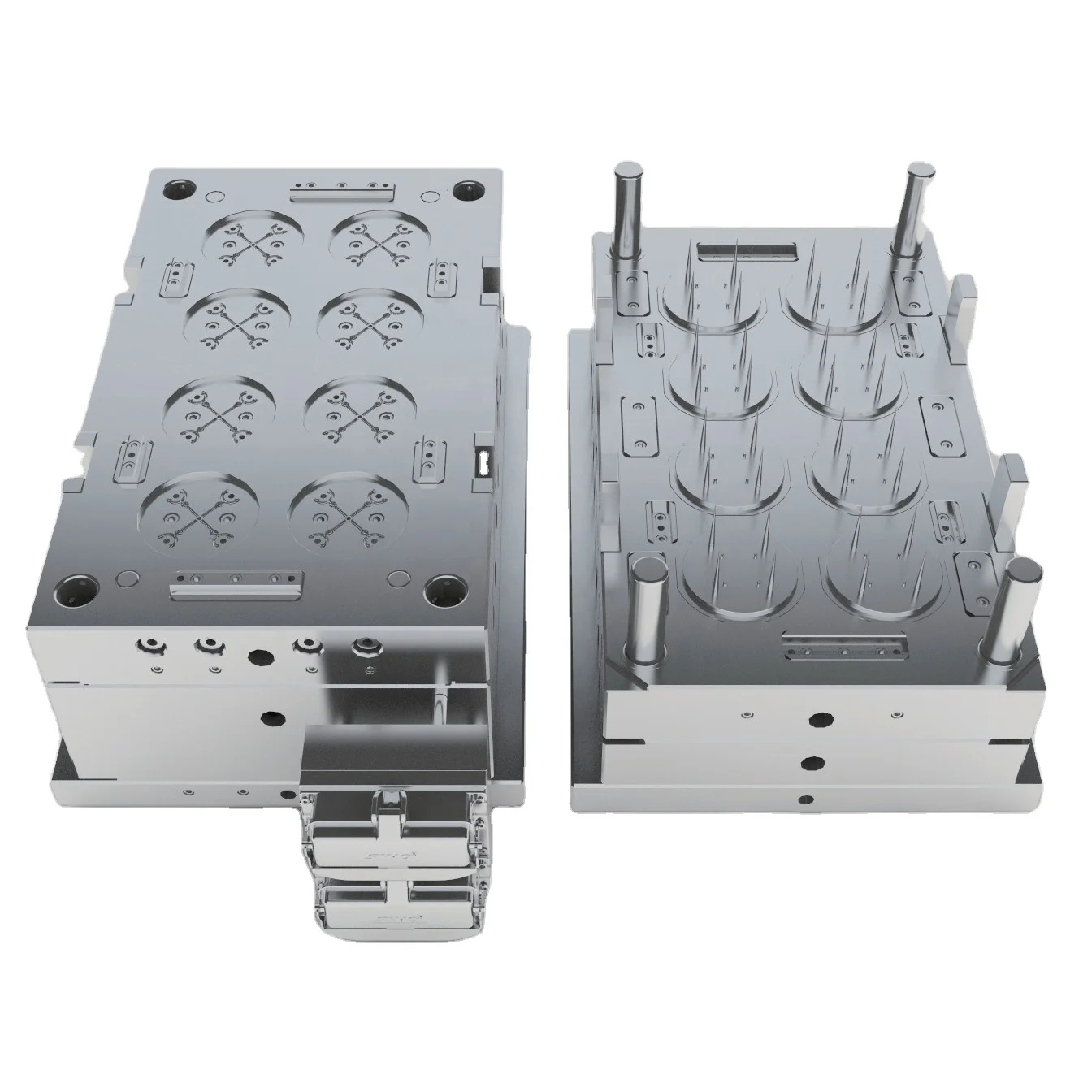
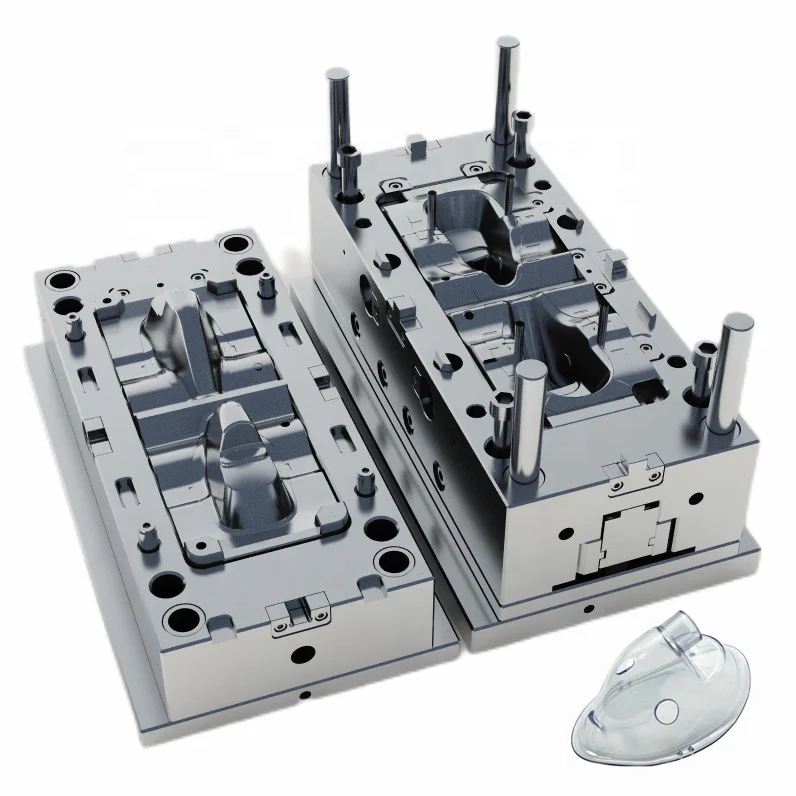
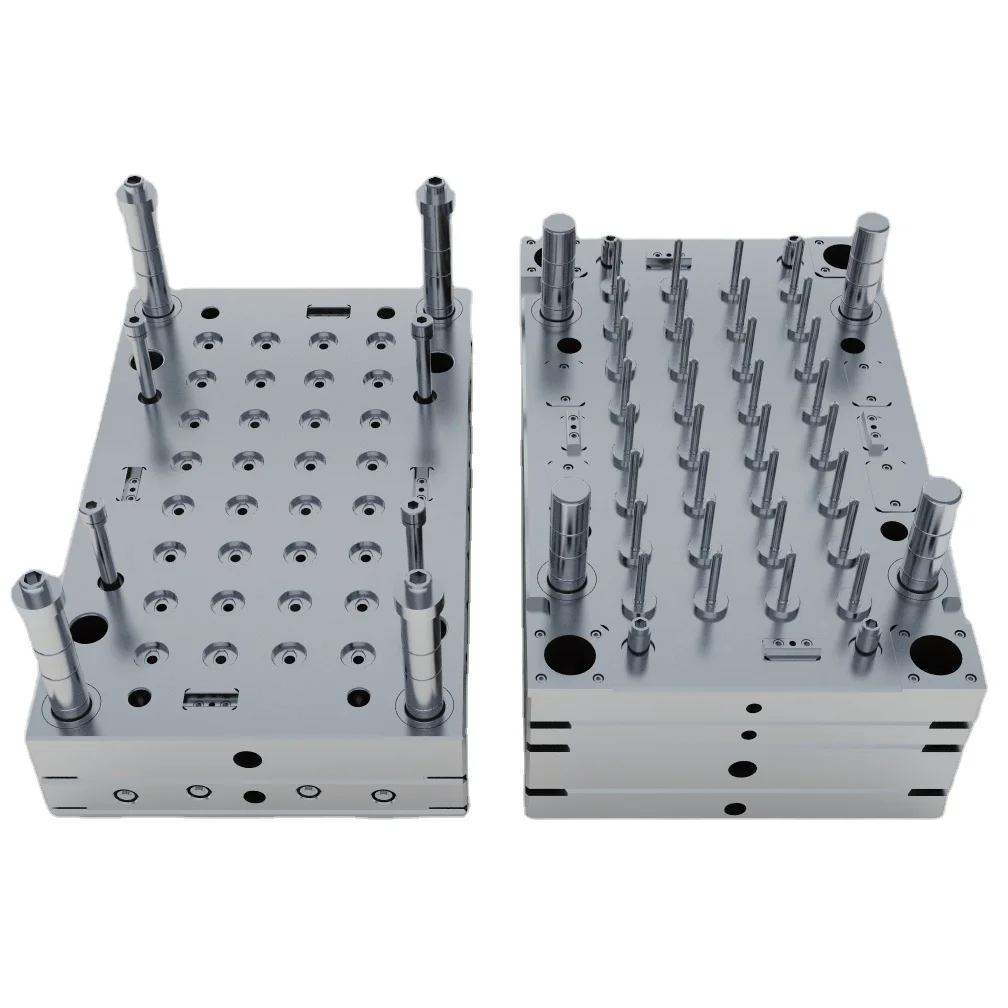
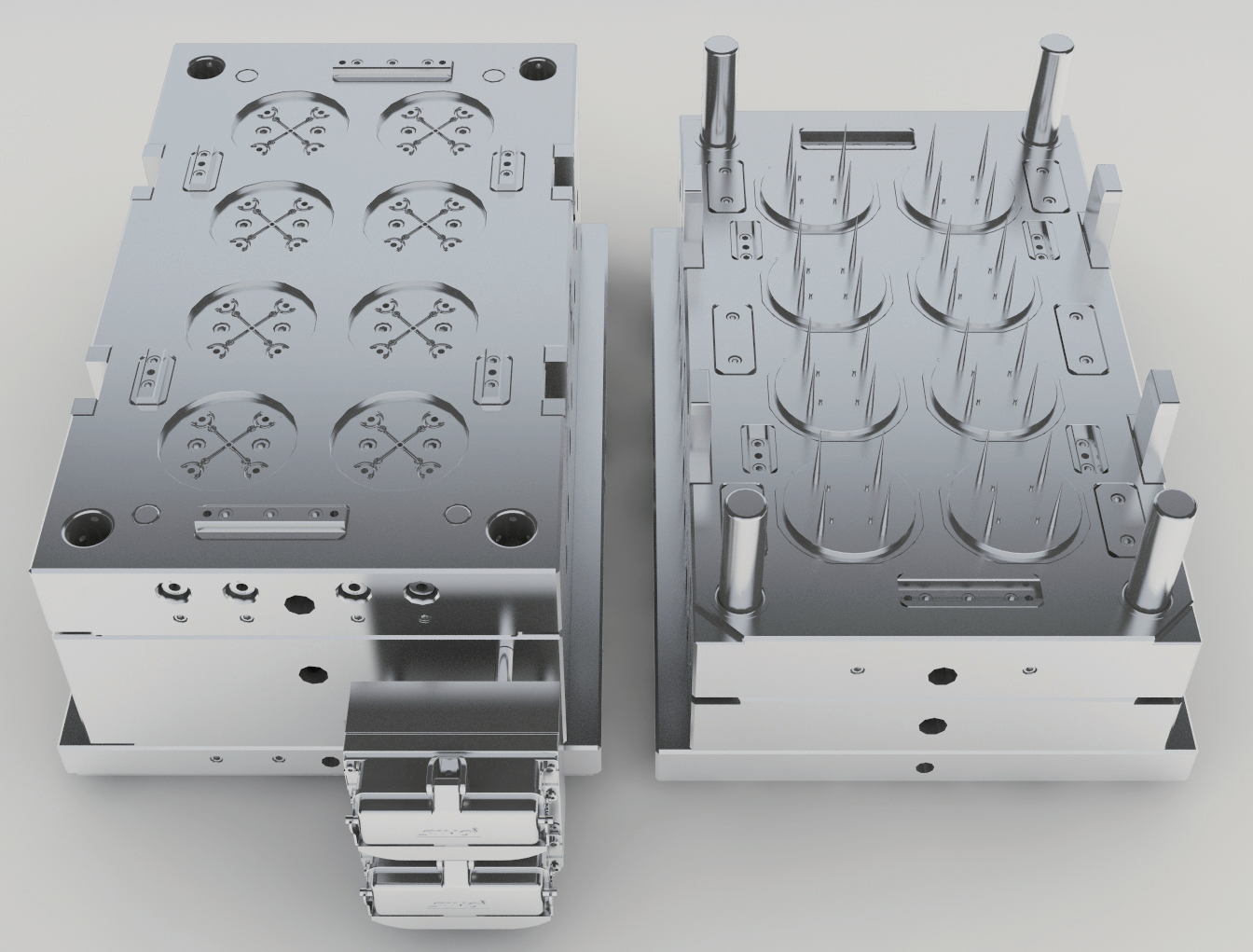
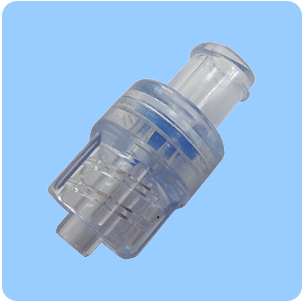
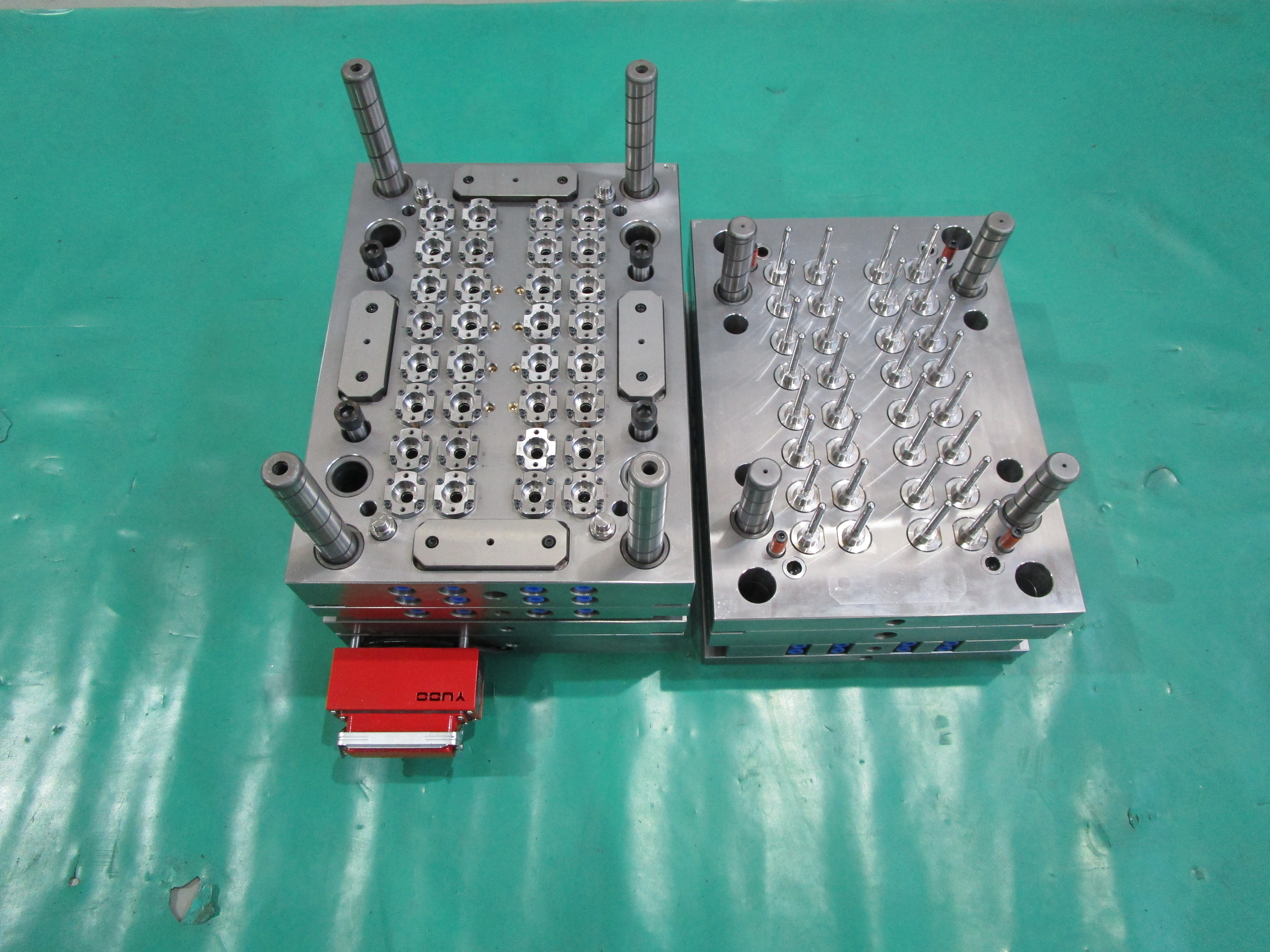
উচ্চ নির্ভুলতাসম্পন্ন প্লাস্টিক ইনজেকশন মোল্ডিং অসাধারণ মাত্রিক নির্ভুলতা সহ উপাদানগুলি তৈরি করে, যা খুবই কঠোর সহনশীলতা প্রয়োজন হলে এটিকে পছন্দনীয় উৎপাদন পদ্ধতি করে তোলে। এই ক্ষমতাটি কম্পিউটার সংখ্যাগত নিয়ন্ত্রণ (সিএনসি) সিস্টেম, নির্ভুলভাবে গ্রাইন্ড করা মোল্ড উপাদান এবং জটিল প্রক্রিয়া মনিটরিং-এর মতো উন্নত প্রযুক্তিগত একীকরণ থেকে উদ্ভূত হয়, যা মাইক্রোমিটারে পরিমাপ করা স্পেসিফিকেশন বজায় রাখতে একত্রে কাজ করে। এই স্তরের নির্ভুলতার গুরুত্বকে অতিমাত্রায় গুরুত্ব দেওয়া যায় না, বিশেষ করে সেইসব শিল্পখাতে যেখানে উপাদানের ফিটমেন্ট সরাসরি কার্যকারিতা, নিরাপত্তা এবং ব্যবহারকারীর অভিজ্ঞতাকে প্রভাবিত করে। চিকিৎসা যন্ত্রপাতি এই প্রয়োজনীয়তার একটি উদাহরণ, যেখানে সার্জিক্যাল যন্ত্রপাতি, ওষুধ বিতরণ ব্যবস্থা এবং রোগ নির্ণয় যন্ত্রপাতির সঠিক মাত্রা আবশ্যক হয় যাতে সঠিক কার্যকারিতা এবং রোগীর নিরাপত্তা নিশ্চিত করা যায়। এমনকি সূক্ষ্ম বিচ্যুতিও এই যন্ত্রগুলিকে অকার্যকর বা বিপজ্জনক করে তুলতে পারে, ফলে উচ্চ নির্ভুলতাসম্পন্ন প্লাস্টিক ইনজেকশন মোল্ডিং-এর সুস্থির নির্ভুলতা অপরিহার্য হয়ে ওঠে। ইলেকট্রনিক্স শিল্পে, কানেক্টর, হাউজিং এবং উপাদান বহনকারীগুলি সংবেদনশীল সার্কিট্রি রক্ষা করতে, সংকেতের অখণ্ডতা বজায় রাখতে এবং পণ্যের সম্পূর্ণ জীবনচক্র জুড়ে বিশ্বস্ত সংযোগ নিশ্চিত করতে পরিপূর্ণভাবে ফিট হতে হয়। স্বয়ংচালিত শিল্প সেন্সর, আলোক উপাদান এবং অভ্যন্তরীণ অংশগুলির জন্য এই নির্ভুলতার উপর নির্ভরশীল, যা অন্যান্য সিস্টেমের সাথে সুগঠিতভাবে একীভূত হতে হয় এবং কম্পন, তাপমাত্রা পরিবর্তন এবং বছরের পর বছর ব্যবহার সহ্য করতে হয়। এই নির্ভুলতা গ্রাহকদের কাছে প্রাথমিক পণ্য কার্যকারিতার পাশাপাশি সংযোজন সময় হ্রাস, প্রত্যাখ্যান হার কমানো, ওয়ারেন্টি দাবি হ্রাস এবং ব্র্যান্ডের সুনাম বৃদ্ধির মতো মূল্য প্রদান করে। যখন অংশগুলি ধারাবাহিকভাবে স্পেসিফিকেশন মেনে চলে, তখন সংযোজন লাইনের কর্মীরা সামঞ্জস্য করতে বা সঠিকভাবে ফিট না হওয়া উপাদানগুলি নিয়ে কাজ করতে কম সময় ব্যয় করেন, যা সরাসরি উৎপাদন দক্ষতা বৃদ্ধি করে এবং শ্রম খরচ হ্রাস করে। গুণগত নিয়ন্ত্রণ প্রক্রিয়াগুলি আরও সরলীকৃত হয়, কারণ উচ্চ নির্ভুলতাসম্পন্ন প্লাস্টিক ইনজেকশন মোল্ডিং-এর সহজাত নির্ভুলতা ব্যাপক পরীক্ষার প্রয়োজনীয়তা কমিয়ে দেয়, ফলে প্রতিটি ইউনিটের সম্পূর্ণ পরীক্ষা না করে পরিসংখ্যানগত নমুনা পরীক্ষা করা সম্ভব হয়। এই মাত্রিক স্থিতিশীলতা মাস বা বছর ধরে চলা উৎপাদন চক্রের মধ্যে ধারাবাহিকভাবে বজায় থাকে, যার ফলে প্রাথমিক উৎপাদনের অনেক পরে তৈরি করা প্রতিস্থাপন অংশগুলি মূল উপাদানগুলির সমানভাবে ফিট হবে এবং সমানভাবে কার্যকর হবে, যা অফ-মার্কেট সমর্থন এবং গ্রাহক সন্তুষ্টির জন্য একটি গুরুত্বপূর্ণ বিষয়। এই প্রক্রিয়ার মাধ্যমে অর্জিত নির্ভুলতা মিনিয়াটুরাইজেশন প্রবণতাকেও সক্ষম করে, যার ফলে ডিজাইনাররা শক্তি বা কার্যকারিতা হারানো ছাড়াই ছোট ও হালকা পণ্য তৈরি করতে পারেন।


 EN
EN