One Way Vacuum Check Valve - Reliable Backflow Prevention Solutions for Industrial and Medical Applications

Get a Quote
Get a Quote

one way vacuum check valve

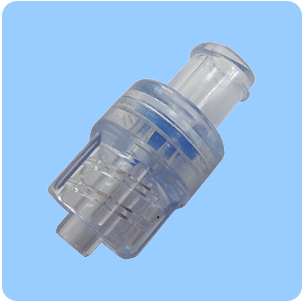
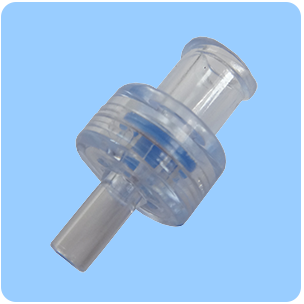
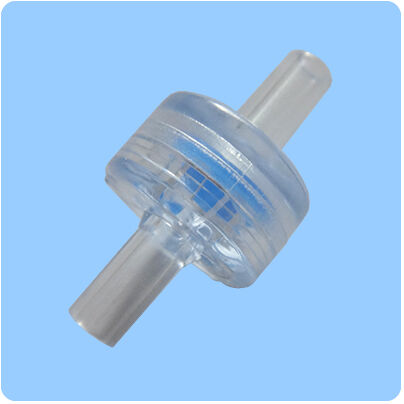
The one way vacuum check valve represents a critical component in fluid and gas management systems, designed to permit flow in a single direction while preventing backflow under vacuum conditions. This specialized valve operates through a precise mechanical mechanism that responds to pressure differentials, automatically opening when forward flow occurs and immediately closing when reverse pressure attempts to move fluids or gases backward. The primary function of the one way vacuum check valve centers on maintaining system integrity by preventing contamination, protecting sensitive equipment from damage caused by reverse flow, and ensuring operational efficiency across diverse applications. Technologically, these valves incorporate advanced sealing materials that maintain effectiveness even under extreme vacuum pressures, typically ranging from partial vacuum to high vacuum environments. The valve construction features durable elastomeric components, stainless steel bodies, and precision-engineered seating surfaces that guarantee reliable performance over extended operational periods. Applications for the one way vacuum check valve span numerous industries including medical devices, laboratory equipment, automotive systems, industrial processing, pneumatic controls, and environmental monitoring systems. In medical settings, these valves protect patients and equipment by preventing cross-contamination in suction systems and respiratory devices. Manufacturing facilities utilize them to maintain consistent vacuum levels in production lines, while automotive applications incorporate them into brake boosters and emission control systems. The valve design accommodates various connection types including barbed fittings, threaded connections, and quick-disconnect couplings, providing installation flexibility across different system configurations. Operating temperature ranges typically extend from negative forty to positive one hundred fifty degrees Celsius, enabling deployment in both cryogenic and elevated temperature environments. The one way vacuum check valve delivers exceptional reliability through its simple yet effective design, requiring minimal maintenance while providing consistent performance throughout its service life.
The one way vacuum check valve delivers substantial benefits that directly impact operational efficiency and cost management for users across multiple sectors. First and foremost, these valves provide automatic protection without requiring external power sources or control systems, which translates to reduced energy consumption and lower operational expenses. The self-actuating mechanism responds instantly to pressure changes, ensuring your system remains protected twenty-four hours daily without manual intervention or electronic monitoring. This autonomous operation eliminates the need for costly control panels, wiring, and ongoing electricity usage, making the one way vacuum check valve an economically smart choice for budget-conscious operations. Installation simplicity represents another significant advantage, as these valves integrate seamlessly into existing systems without extensive modifications or specialized tools. You can complete installation in minutes rather than hours, minimizing downtime and preserving productivity during system upgrades or maintenance procedures. The compact design occupies minimal space, allowing installation in tight locations where larger valves would prove impractical or impossible. Maintenance requirements remain exceptionally low due to the straightforward mechanical construction, which contains fewer moving parts compared to complex valve alternatives. This simplicity reduces the likelihood of mechanical failure and extends service intervals, saving both time and money on routine upkeep. When maintenance becomes necessary, component replacement proceeds quickly and inexpensively, avoiding the substantial costs associated with complicated valve systems. Durability stands as a hallmark advantage, with quality one way vacuum check valves withstanding millions of operational cycles without performance degradation. The robust construction resists chemical corrosion, temperature extremes, and mechanical stress, ensuring long-term reliability even in demanding industrial environments. This longevity provides excellent return on investment, as replacement frequency remains low compared to alternative solutions. Performance consistency represents another crucial benefit, delivering predictable operation across varying conditions and maintaining tight sealing capabilities throughout the valve lifespan. You experience fewer unexpected failures and production interruptions, contributing to smoother operations and enhanced output quality. The one way vacuum check valve also offers versatility in application, functioning effectively with gases, liquids, and mixed-phase fluids across diverse pressure ranges. This adaptability means you can standardize on a single valve type across multiple system applications, simplifying inventory management and reducing procurement complexity. Safety enhancements constitute an important advantage, as these valves prevent hazardous backflow situations that could compromise worker safety or environmental compliance. By automatically blocking reverse flow, they protect against contamination events, equipment damage, and potential safety incidents that might otherwise result in costly liability issues or regulatory penalties.

Latest News

What are the technical challenges in precision OEM tooling manufacturing?

22

Oct

What are the technical challenges in precision OEM tooling manufacturing?

Understanding the Complex World of Advanced Manufacturing Technologies The realm of precision OEM tooling represents one of manufacturing's most demanding sectors, where tolerances are measured in microns and quality standards are uncompromising. As ...
View More
Custom Injection Molding Tips for High-Quality Manufacturing

22

Oct

Custom Injection Molding Tips for High-Quality Manufacturing

Mastering the Art of Precision Manufacturing Through Injection Molding The manufacturing landscape continues to evolve, and custom injection molding stands at the forefront of modern production techniques. This sophisticated process has revolutionize...
View More
What Should Companies Consider When Ordering Custom Mold and OEM Molding Services?

23

Dec

What Should Companies Consider When Ordering Custom Mold and OEM Molding Services?

Manufacturing companies across industries increasingly rely on custom mold solutions to create precise, high-quality components that meet their specific requirements. The decision to invest in custom mold fabrication represents a significant strategi...
View More
How to select the right medical-grade tubing and catheters for complex surgical procedures?

06

Jan

How to select the right medical-grade tubing and catheters for complex surgical procedures?

Selecting the appropriate medical-grade tubing and catheters for complex surgical procedures represents one of the most critical decisions healthcare professionals make in their practice. The complexity of modern surgical interventions demands materi...
View More

Get a Free Quote

Our representative will contact you soon.
0/1000
Superior Contamination Prevention and System Protection

Superior Contamination Prevention and System Protection

The one way vacuum check valve excels at preventing contamination and safeguarding critical system components through its reliable backflow prevention capabilities. In environments where maintaining purity and preventing cross-contamination are paramount, this valve serves as an essential barrier against unwanted material migration. Medical facilities particularly benefit from this feature, as the one way vacuum check valve prevents bodily fluids, medications, or airborne pathogens from traveling backward through suction lines into central vacuum systems or adjacent patient care areas. This protection proves invaluable in surgical suites, dental offices, and hospital wards where infection control standards demand absolute prevention of cross-contamination between patients. Laboratory applications similarly rely on contamination prevention, especially when handling hazardous chemicals, biological samples, or sensitive analytical processes. The valve ensures that vacuum sources remain uncontaminated by experimental materials, protecting expensive vacuum pumps from corrosive substances and preventing sample cross-contamination that could invalidate research results. Industrial processes handling food products, pharmaceuticals, or semiconductor materials require stringent contamination controls, and the one way vacuum check valve delivers this protection consistently. Beyond contamination prevention, system protection extends to safeguarding expensive equipment from damage caused by reverse pressure surges. When vacuum systems shut down or experience power interruptions, pressure differentials can force fluids or gases backward through connected lines, potentially damaging pumps, sensors, and process equipment. The one way vacuum check valve immediately closes during these events, isolating protected equipment from harmful reverse flow conditions. This protective function prevents costly equipment repairs, reduces unplanned downtime, and extends the operational lifespan of connected machinery. The valve also protects against atmospheric pressure ingress into vacuum chambers, maintaining stable internal conditions even when external pressures fluctuate. Manufacturing processes requiring consistent vacuum levels benefit significantly from this stabilization, achieving better product quality and process repeatability. Environmental protection represents another dimension of the contamination prevention advantage, as the one way vacuum check valve prevents the release of process gases or vapors into surrounding workspaces or the external environment. Compliance with environmental regulations becomes easier to maintain when backflow prevention systems function reliably, reducing the risk of accidental emissions that could trigger regulatory violations or community health concerns.

Exceptional Reliability Under Variable Operating Conditions

Exceptional Reliability Under Variable Operating Conditions

The one way vacuum check valve demonstrates remarkable reliability across widely varying operating conditions, making it suitable for applications experiencing temperature fluctuations, pressure variations, and diverse fluid characteristics. This reliability stems from thoughtful engineering that accounts for real-world operational challenges rather than idealized laboratory conditions. Temperature resilience allows the valve to function correctly whether installed in refrigerated environments, ambient conditions, or elevated temperature processes. The carefully selected materials maintain their sealing properties and mechanical characteristics across broad temperature ranges, ensuring that the one way vacuum check valve opens and closes properly regardless of thermal conditions. This temperature stability proves essential in applications like automotive engine compartments where temperatures swing dramatically during operation, or in industrial processes alternating between hot production phases and cool standby periods. Pressure variation handling represents another reliability dimension, as these valves respond appropriately to changing differential pressures without sticking, chattering, or failing to seal. Whether experiencing gentle vacuum levels or deep vacuum conditions, the one way vacuum check valve adjusts its closing force proportionally to maintain effective sealing. This proportional response prevents both inadequate sealing under low vacuum and excessive mechanical stress under high vacuum, optimizing performance across the operational envelope. Chemical compatibility extends reliability to applications involving aggressive fluids or reactive gases. High-grade elastomers and corrosion-resistant metals ensure that the one way vacuum check valve maintains integrity when exposed to solvents, acids, bases, or oxidizing agents commonly encountered in industrial settings. This chemical resistance prevents premature degradation that would compromise sealing effectiveness and necessitate frequent replacements. Vibration tolerance contributes to reliability in mobile applications or industrial settings with substantial mechanical activity. The secure mounting design and robust internal components resist loosening or misalignment caused by vibration, maintaining proper valve function despite challenging mechanical environments. Agricultural equipment, construction machinery, and manufacturing plants with heavy machinery all benefit from this vibration resistance. Cycle life durability ensures that the one way vacuum check valve continues performing reliably through millions of open-close cycles, which proves critical in applications with frequent pressure cycling. Pneumatic control systems, breathing apparatus, and automated manufacturing processes subject valves to repeated actuation, and inferior components quickly fail under these demanding conditions. Quality one way vacuum check valves incorporate fatigue-resistant materials and optimized mechanical designs that withstand this repetitive stress without performance degradation.
Cost-Effective Solution with Minimal Total Ownership Expenses

Cost-Effective Solution with Minimal Total Ownership Expenses

The one way vacuum check valve represents an exceptionally cost-effective solution when evaluating total ownership expenses rather than merely initial purchase price. While upfront costs remain competitive with alternative technologies, the true economic advantage becomes apparent through reduced installation expenses, minimal maintenance requirements, extended service life, and decreased operational costs throughout the valve lifecycle. Installation economy begins with the simple integration process that requires no electrical connections, control wiring, or programming activities. Maintenance personnel can install the one way vacuum check valve using basic hand tools in minutes, avoiding the labor costs associated with complex valve systems requiring specialized technicians or extensive installation time. The straightforward connection methods accommodate standard tubing and fittings already present in most systems, eliminating the need to purchase expensive proprietary connectors or adapters. This installation simplicity translates directly to lower project costs and faster system commissioning, enabling operations to achieve productivity more quickly after installations or upgrades. Energy savings provide ongoing economic benefits since the one way vacuum check valve operates purely through mechanical pressure differentials without consuming electrical power. Unlike electrically actuated valves that continuously draw current or require periodic actuation energy, this passive device generates zero energy costs throughout its operational life. For facilities operating multiple valves across extensive systems, these energy savings accumulate substantially over time, contributing meaningfully to operational budget management and sustainability goals. Maintenance cost reduction stems from the durable construction and simple mechanical design that rarely requires servicing or component replacement. Facilities avoid the recurring expenses associated with electronic controller repairs, actuator replacements, or complex seal assemblies that characterize more sophisticated valve technologies. When maintenance eventually becomes necessary, replacement parts remain inexpensive and readily available, and the straightforward design allows maintenance staff to complete repairs quickly without specialized training or proprietary tools. Downtime minimization contributes economic value by maintaining production continuity and avoiding the revenue losses associated with equipment failures or extended maintenance procedures. The reliable operation of the one way vacuum check valve prevents unexpected system shutdowns that would otherwise halt production lines, interrupt patient care, or compromise research activities. This operational continuity protects against lost productivity and maintains consistent output quality, factors that significantly impact profitability in competitive markets. Longevity advantages extend the replacement interval substantially compared to alternative valve types, reducing the frequency of capital expenditures for valve replacement. Quality one way vacuum check valves commonly provide five to ten years of reliable service under normal operating conditions, and some applications experience even longer service lives. This extended lifespan means fewer purchase transactions, reduced inventory management burden, and decreased installation labor over the system operational lifetime.