Technical Injection Moulding: Precision Plastic Manufacturing Solutions for Industry

Get a Quote
Get a Quote

technical injection moulding

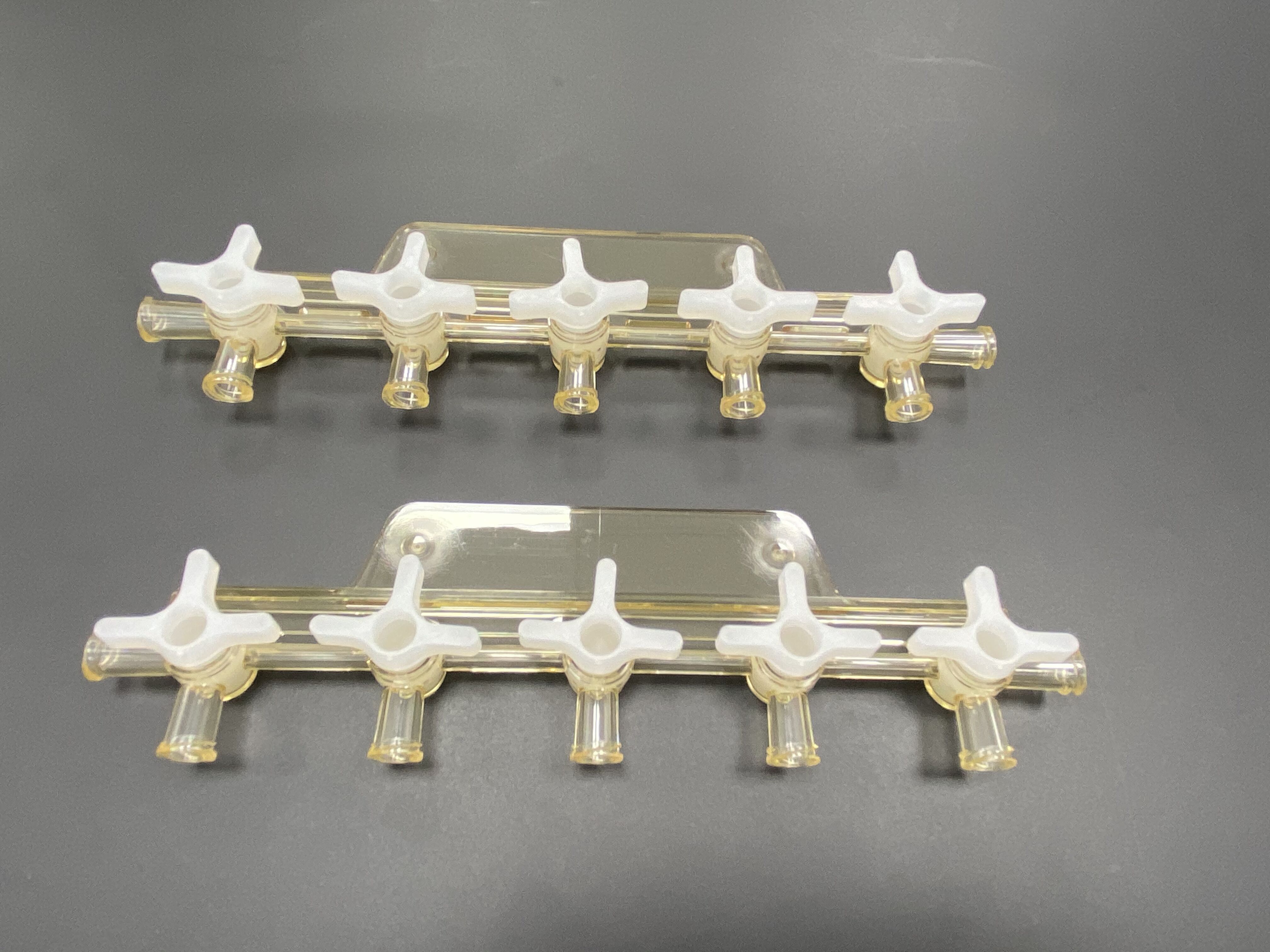
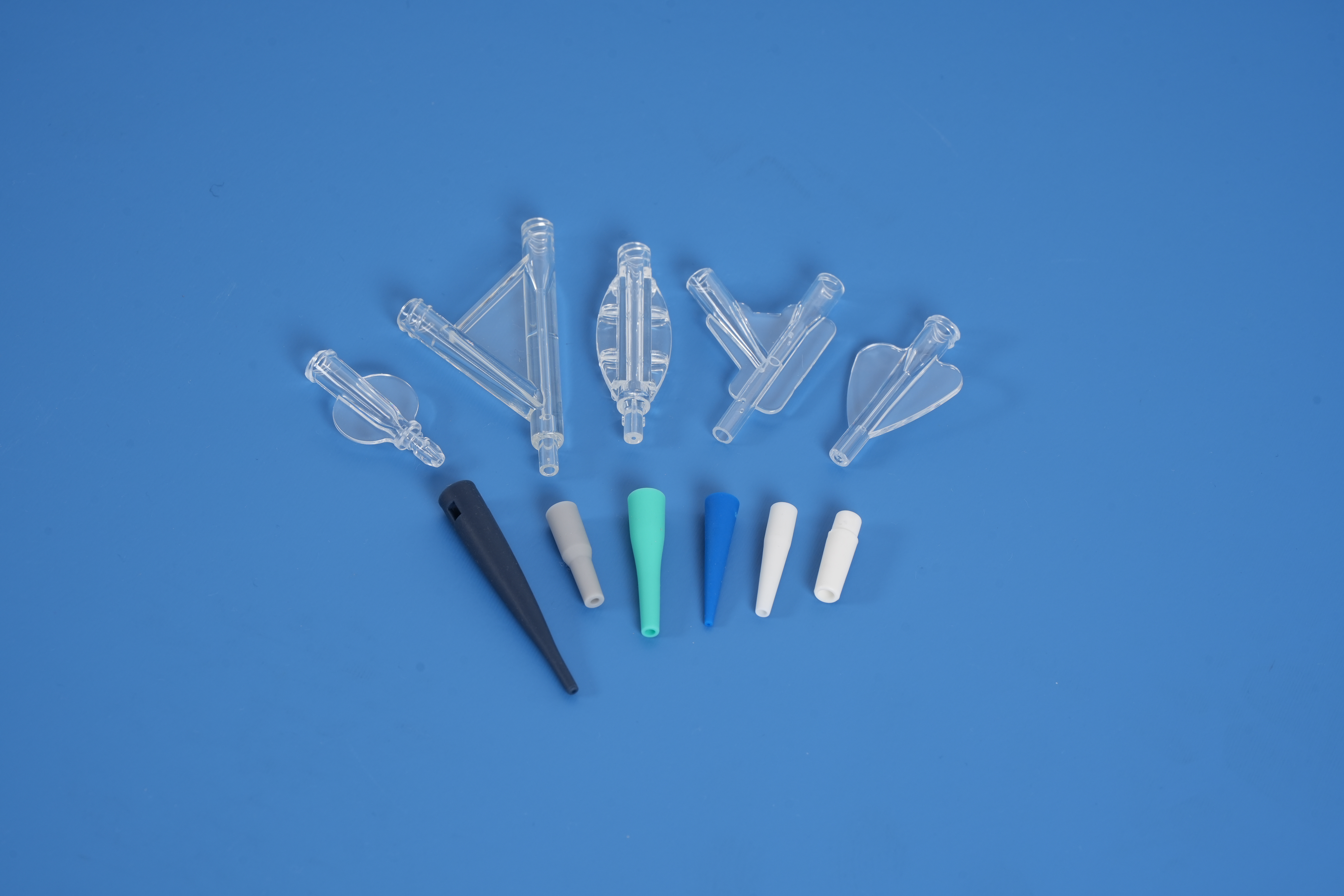
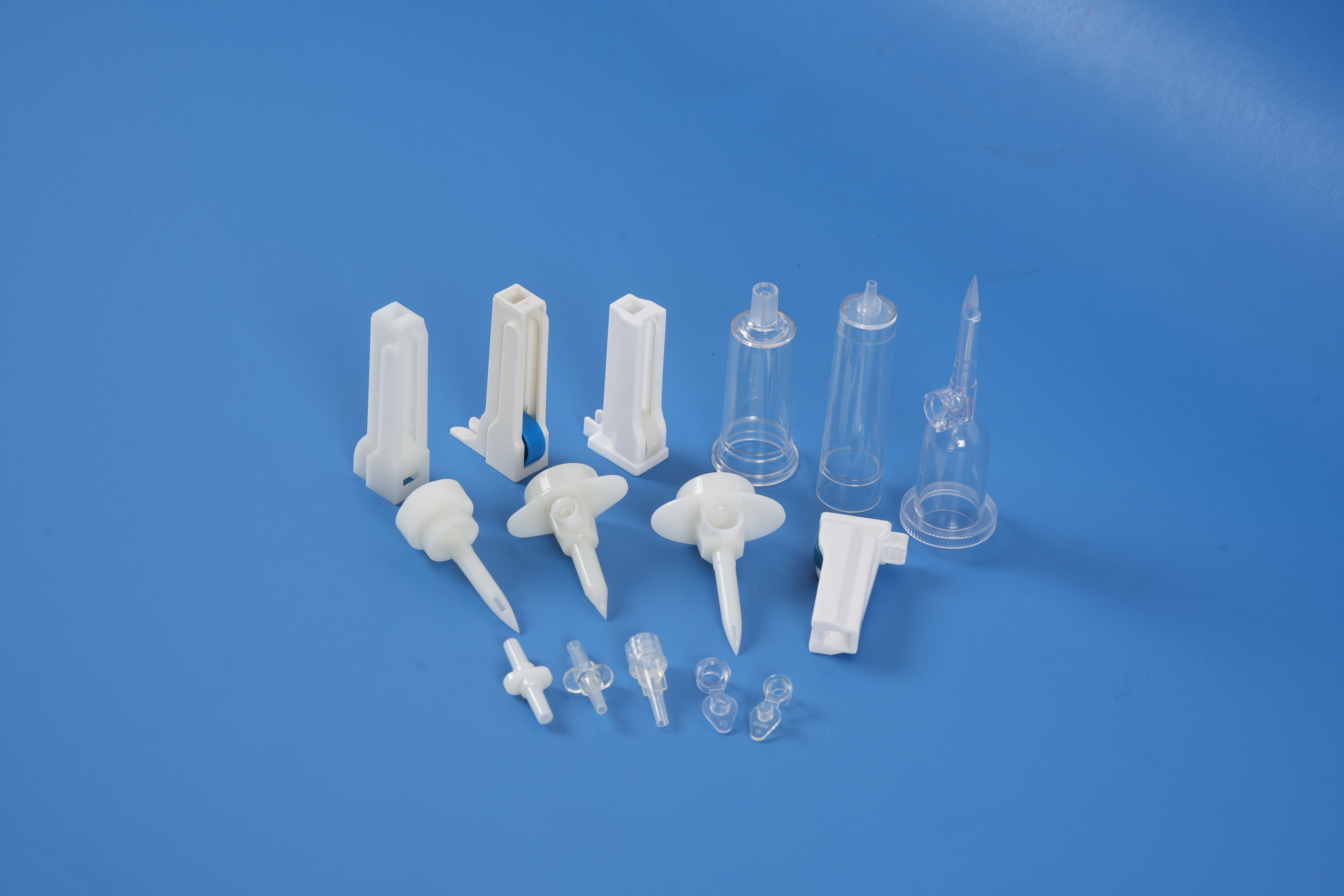
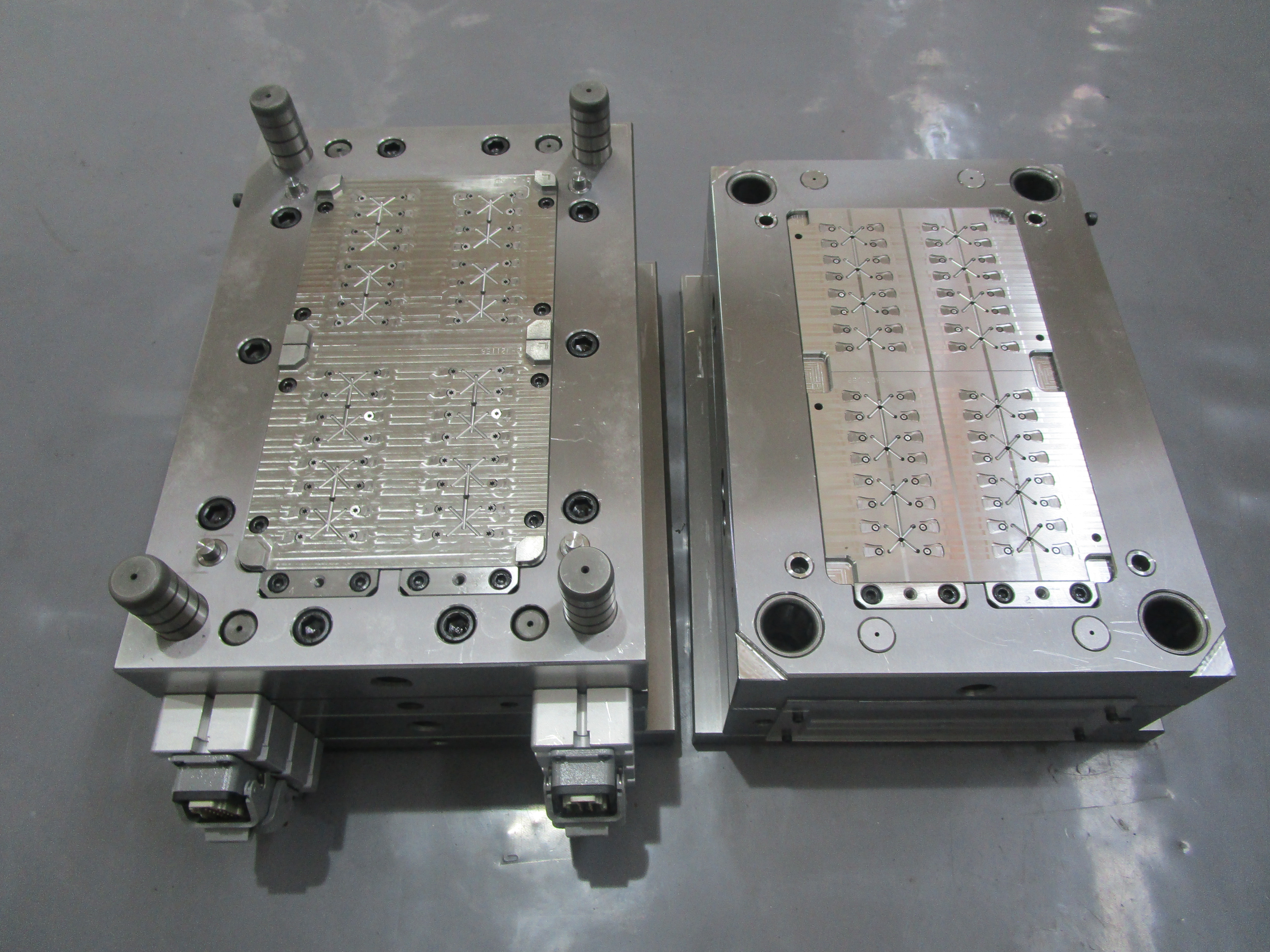
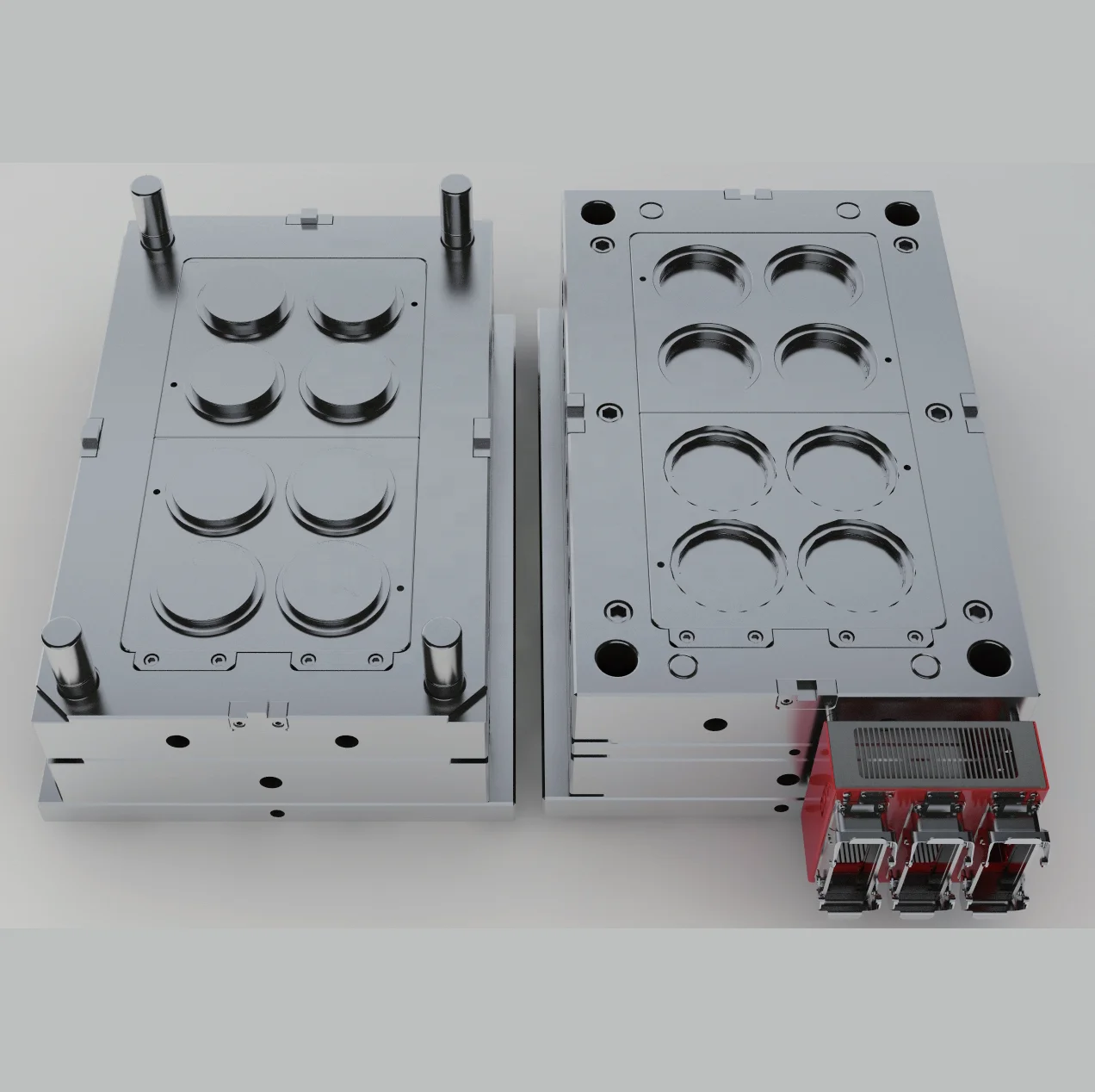
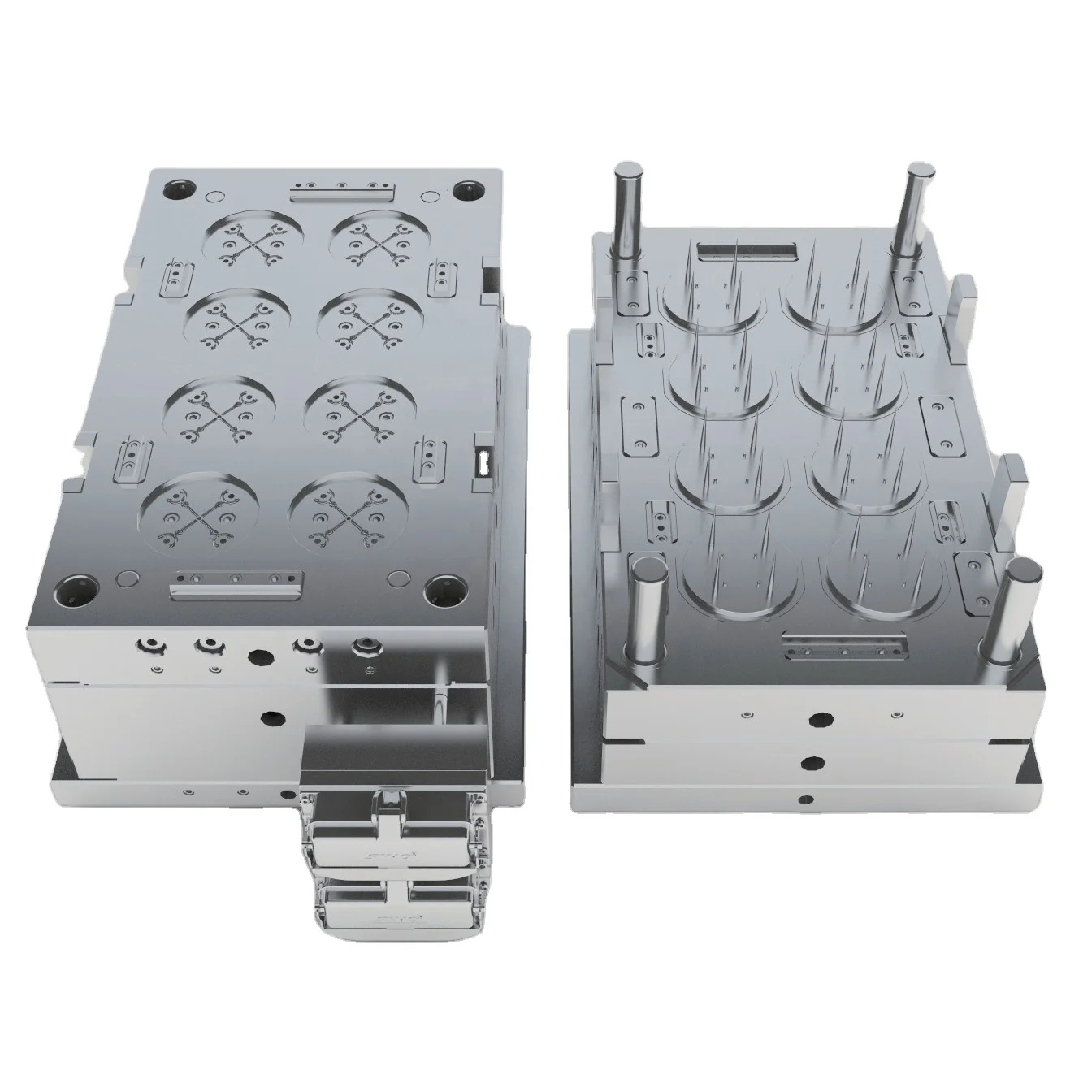
Technical injection moulding represents a sophisticated manufacturing process that transforms raw plastic materials into precise, complex components through controlled heating and pressurized injection into custom-designed moulds. This advanced production method has become indispensable across numerous industries, delivering consistent quality and remarkable efficiency for both high-volume production runs and specialized component manufacturing. The process begins with plastic pellets or granules being fed into a heated barrel, where they undergo controlled melting to achieve optimal viscosity. Once the material reaches the precise temperature required, a reciprocating screw mechanism forces the molten plastic under high pressure into a carefully engineered mould cavity. The mould itself consists of two halves that clamp together with significant force, creating a sealed environment where the plastic takes its final shape. After a precisely timed cooling period, the mould opens and ejects the finished component, ready for the next cycle. Technical injection moulding excels at producing intricate geometries, tight tolerances, and complex features that would prove challenging or impossible with alternative manufacturing methods. The technology accommodates an extensive range of thermoplastic materials, including engineering-grade polymers with enhanced mechanical properties, flame-retardant compounds, UV-resistant formulations, and specialized blends designed for specific performance requirements. Modern technical injection moulding equipment incorporates computerized controls that monitor and adjust multiple parameters in real-time, ensuring consistent part quality throughout production runs. These systems track injection speed, pressure profiles, temperature zones, cooling duration, and cycle times with exceptional precision. The versatility of technical injection moulding extends to producing components ranging from microscopic medical devices weighing mere milligrams to substantial automotive panels exceeding several kilograms. This manufacturing approach delivers exceptional repeatability, meaning each component matches the specifications of its predecessors with minimal variation, a critical requirement for assembly operations and functional performance.
Technical injection moulding delivers remarkable cost efficiency for medium to high-volume production requirements, as the per-unit manufacturing expense decreases significantly once initial tooling investments are recovered. Unlike machining processes that remove material and generate waste, this method uses nearly all the plastic fed into the system, with any excess typically recyclable back into the production cycle. The speed of production stands out as a major practical benefit, with cycle times often measured in seconds rather than minutes, enabling manufacturers to produce thousands of components daily from a single machine. This rapid throughput translates directly into faster delivery schedules and improved inventory management for businesses. The dimensional accuracy achieved through technical injection moulding eliminates or minimizes secondary operations like trimming, drilling, or finishing that add time and expense to manufacturing workflows. Components emerge from the mould ready for assembly or direct use in many applications, reducing handling and labor costs throughout the supply chain. Design flexibility represents another significant advantage, as engineers can incorporate features such as threads, undercuts, logos, textures, and multiple wall thicknesses into a single component without assembly or additional processing. This consolidation of parts reduces inventory complexity and assembly time while improving overall product reliability by eliminating potential failure points at joints or fasteners. The material selection available through technical injection moulding provides solutions for diverse performance requirements, from flexible elastomers to rigid structural polymers, transparent optical-grade plastics to filled compounds with enhanced strength or conductivity. Manufacturers can select materials with specific characteristics like chemical resistance, high-temperature stability, electrical insulation properties, or biocompatibility for medical applications. Surface finish quality emerges directly from the mould, allowing manufacturers to specify anything from high-gloss polished appearances to textured matte surfaces without post-production treatment. Color consistency is maintained by using pre-colored materials or masterbatch additives, ensuring uniform appearance across production runs without painting or coating operations. The automation potential of technical injection moulding reduces labor requirements and human error, as modern systems operate with minimal supervision once properly configured. Robotic systems can handle part removal, quality inspection, and packaging, further streamlining production and improving workplace safety by reducing repetitive manual tasks. Environmental considerations also favor this manufacturing method, as material waste remains minimal, energy consumption per part stays low in high-volume scenarios, and many thermoplastics are fully recyclable at end-of-life.

Latest News

What are the technical challenges in precision OEM tooling manufacturing?

22

Oct

What are the technical challenges in precision OEM tooling manufacturing?

Understanding the Complex World of Advanced Manufacturing Technologies The realm of precision OEM tooling represents one of manufacturing's most demanding sectors, where tolerances are measured in microns and quality standards are uncompromising. As ...
View More
Custom Injection Molding Tips for High-Quality Manufacturing

22

Oct

Custom Injection Molding Tips for High-Quality Manufacturing

Mastering the Art of Precision Manufacturing Through Injection Molding The manufacturing landscape continues to evolve, and custom injection molding stands at the forefront of modern production techniques. This sophisticated process has revolutionize...
View More
How to choose a reliable partner for custom mold and OEM molding in medical device manufacturing?

06

Jan

How to choose a reliable partner for custom mold and OEM molding in medical device manufacturing?

Medical device manufacturing demands precision, compliance, and reliability at every stage of production. When selecting a partner for custom mold development and OEM molding services, healthcare companies must evaluate multiple critical factors that...
View More
How to select the right medical-grade tubing and catheters for complex surgical procedures?

06

Jan

How to select the right medical-grade tubing and catheters for complex surgical procedures?

Selecting the appropriate medical-grade tubing and catheters for complex surgical procedures represents one of the most critical decisions healthcare professionals make in their practice. The complexity of modern surgical interventions demands materi...
View More

Get a Free Quote

Our representative will contact you soon.
0/1000
Precision Engineering and Dimensional Consistency

Precision Engineering and Dimensional Consistency

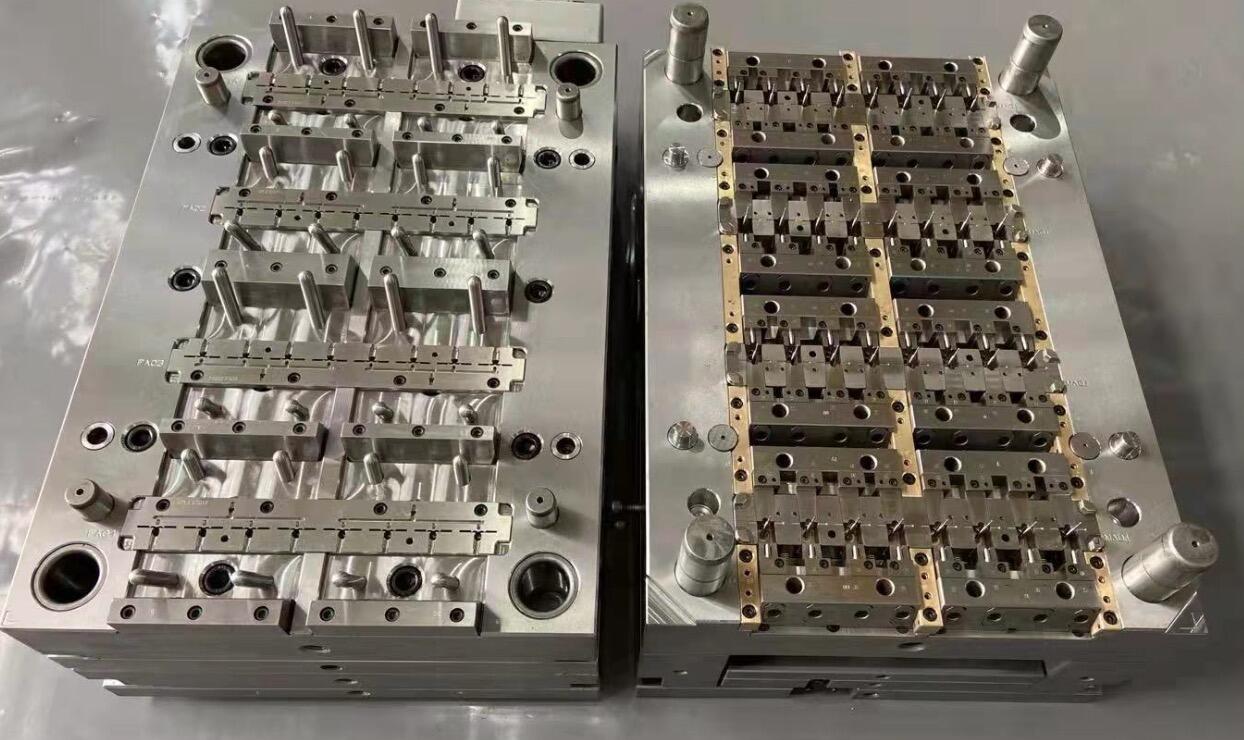
Technical injection moulding achieves extraordinary precision in component manufacturing, delivering tolerances that meet the demanding requirements of industries where dimensional accuracy directly impacts functionality and safety. This manufacturing method controls multiple variables simultaneously to ensure each produced component matches the specified dimensions within micrometers, a level of consistency that proves essential for assemblies requiring interchangeable parts or precise fits. The moulds themselves are crafted using advanced CNC machining, electrical discharge machining, and grinding processes that create cavity surfaces with exceptional smoothness and accuracy. These precision-engineered moulds serve as the negative template for potentially millions of components throughout their service life, making the initial investment in quality tooling a foundation for long-term manufacturing success. The technical injection moulding process maintains dimensional stability through computerized control systems that monitor cavity pressure, melt temperature, injection velocity, holding pressure, and cooling time with real-time feedback loops. These systems automatically adjust parameters to compensate for variations in ambient conditions, material batch characteristics, or equipment performance, ensuring output consistency regardless of external factors. This precision capability enables manufacturers to produce components with complex geometries featuring thin walls, deep ribs, intricate internal channels, and detailed surface textures that replicate the mould surface with remarkable fidelity. Medical device manufacturers rely on this dimensional consistency to produce components like syringes, inhalers, and surgical instruments where precise measurements directly affect patient safety and treatment efficacy. Automotive applications benefit from the tight tolerances that allow clips, fasteners, and housings to assemble reliably without adjustment, reducing assembly time and warranty claims. Electronics manufacturers depend on technical injection moulding to create enclosures, connectors, and component housings with exact dimensions that ensure proper fit of circuit boards, screens, and mechanical assemblies. The repeatability inherent in this process means that parts produced today will match those manufactured months or years later, provided the mould remains properly maintained, allowing companies to confidently commit to long-term supply agreements and spare parts availability.
Material Versatility and Performance Optimization

Material Versatility and Performance Optimization

The extensive range of materials compatible with technical injection moulding provides engineers and product developers with virtually unlimited options for optimizing component performance, cost, and sustainability. Thermoplastic polymers available for this process span from commodity materials like polypropylene and polyethylene to advanced engineering resins such as polycarbonate, polyamide, polyoxymethylene, and liquid crystal polymers, each offering distinct mechanical, thermal, and chemical properties. This material diversity allows manufacturers to select the optimal polymer based on specific application requirements rather than compromising performance due to process limitations. Glass-filled compounds enhance stiffness and dimensional stability for structural applications, while mineral-filled variants improve surface finish and reduce warpage in large components. Carbon fiber reinforcement delivers exceptional strength-to-weight ratios for aerospace and automotive applications where mass reduction directly impacts fuel efficiency and performance. Flame-retardant formulations meet stringent safety standards for electrical enclosures, building components, and transportation interiors without requiring secondary treatments or coatings. UV-stabilized materials maintain color and mechanical properties despite prolonged outdoor exposure, making them ideal for agricultural equipment, outdoor furniture, and architectural applications. The ability to combine different material properties through co-injection or overmoulding techniques expands design possibilities even further, allowing a single component to feature rigid structural sections with integrated soft-touch grips or seals. Technical injection moulding processes these diverse materials efficiently, with processing parameters optimized for each polymer family to achieve maximum performance. The molecular structure of thermoplastics allows them to be melted and solidified repeatedly without significant degradation, supporting both manufacturing efficiency and end-of-life recycling initiatives. Biocompatible medical-grade polymers undergo technical injection moulding to create implantable devices, drug delivery systems, and diagnostic equipment that meet rigorous regulatory standards for purity and performance. Transparent optical-grade acrylics and polycarbonates form lenses, light guides, and display covers with clarity rivaling glass while offering superior impact resistance. Electrically conductive compounds incorporating carbon black or metallic fillers produce housings that provide electromagnetic shielding for sensitive electronics. This material flexibility empowers product designers to innovate without constraints, knowing that technical injection moulding can transform their concepts into functional reality using polymers engineered specifically for their application demands.
Scalability and Economic Production Efficiency

Scalability and Economic Production Efficiency

Technical injection moulding demonstrates exceptional scalability, efficiently serving production requirements from thousands to millions of components annually while maintaining consistent quality and competitive unit costs. This scalability stems from the fundamental process design where the primary investment concentrates in tooling development, after which each production cycle adds minimal incremental cost, creating favorable economics as volume increases. Small and medium enterprises can access technical injection moulding for specialized components through single-cavity or family moulds that produce limited quantities economically, while multinational manufacturers deploy multi-cavity tools running continuously on automated production lines for massive output volumes. The same fundamental process serves both scenarios, making it accessible across diverse business scales and market segments. Production planning benefits from the predictable cycle times inherent in technical injection moulding, allowing manufacturers to accurately forecast capacity, schedule deliveries, and manage inventory levels with confidence. This predictability extends throughout the supply chain, giving customers reliable lead times and enabling just-in-time manufacturing strategies that minimize working capital tied up in inventory. The rapid cycle times characteristic of technical injection moulding translate into impressive production rates, with modern machines producing components every few seconds in optimized operations, meaning a single machine can output tens of thousands of parts weekly. This throughput capability reduces the number of machines required for a given production volume, lowering facility space requirements, energy consumption, and capital equipment costs. Automation integration amplifies these efficiency gains, as robotic systems remove finished components, perform in-process quality checks, and prepare parts for packaging without human intervention, operating continuously across multiple shifts. The consistency of automated technical injection moulding reduces defect rates compared to manual processes, lowering scrap costs and ensuring that nearly all produced components meet specifications, maximizing material utilization and minimizing waste disposal expenses. Tooling durability contributes significantly to long-term economic efficiency, as properly maintained moulds produce hundreds of thousands or even millions of cycles before requiring refurbishment, spreading the initial tooling investment across enormous production volumes. For manufacturers serving global markets, technical injection moulding facilities can be established in diverse geographic locations, allowing production near end markets to reduce shipping costs and lead times while responding quickly to regional demand fluctuations. The combination of high output rates, minimal labor requirements, low per-unit material costs, and long tooling life creates a compelling economic case for technical injection moulding across countless applications, from consumer products to industrial components, making it the preferred manufacturing method for plastic components worldwide.