Medical Mould Solutions: Precision Manufacturing for Healthcare Excellence

Get a Quote
Get a Quote

medical mould

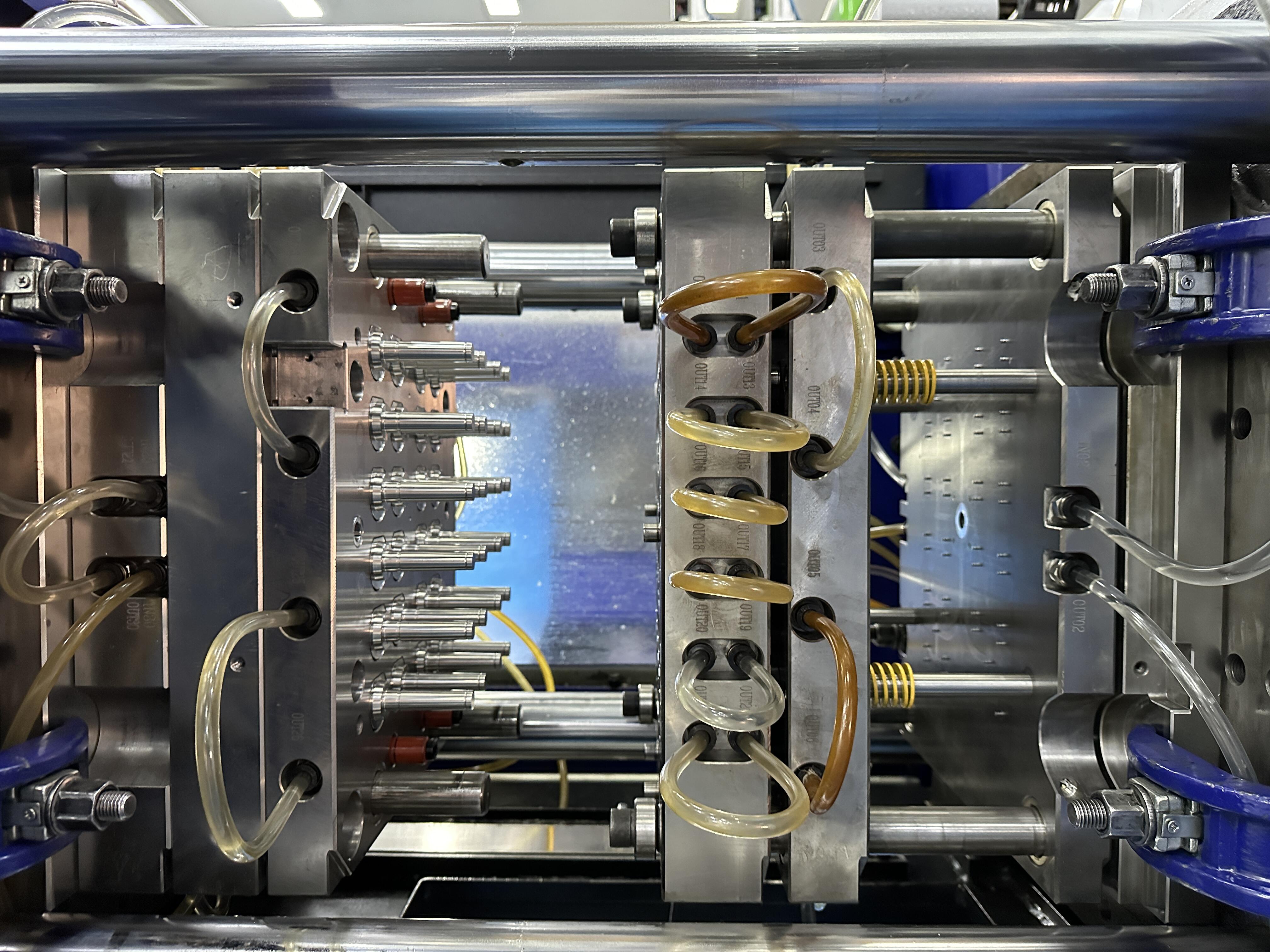
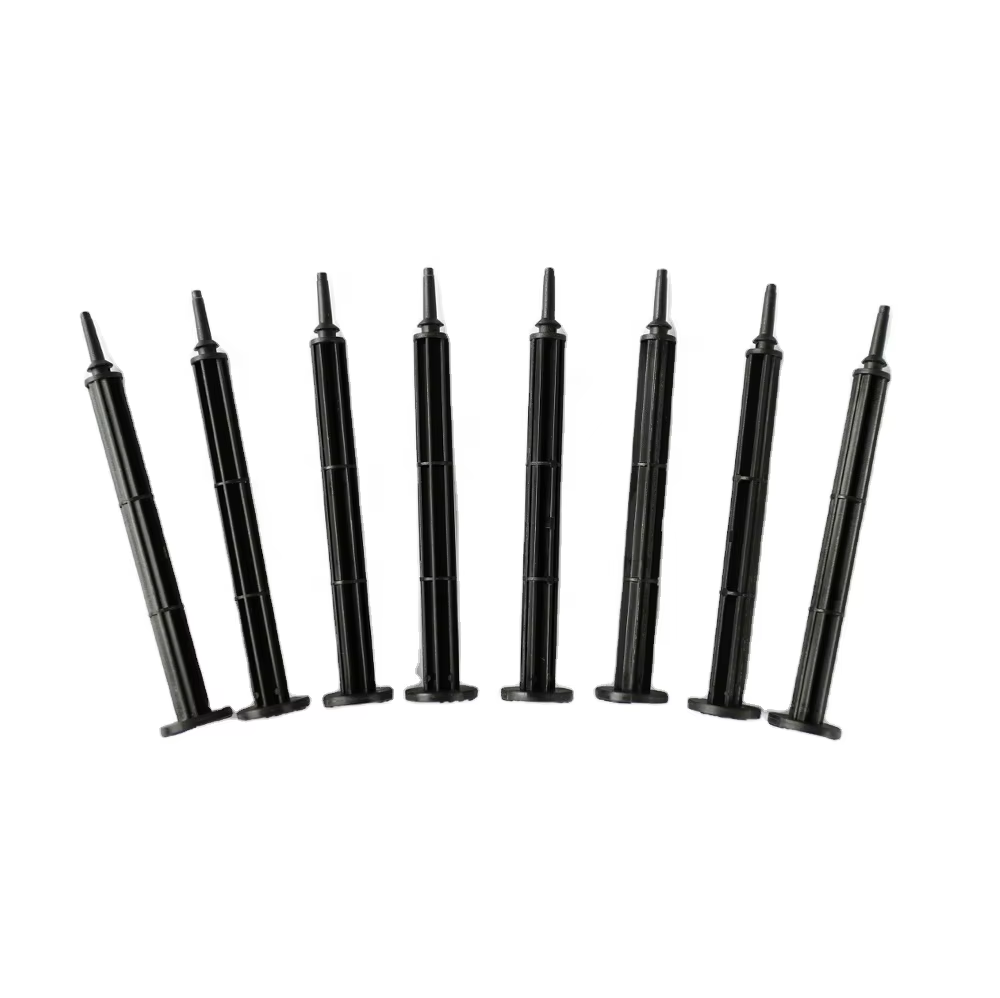
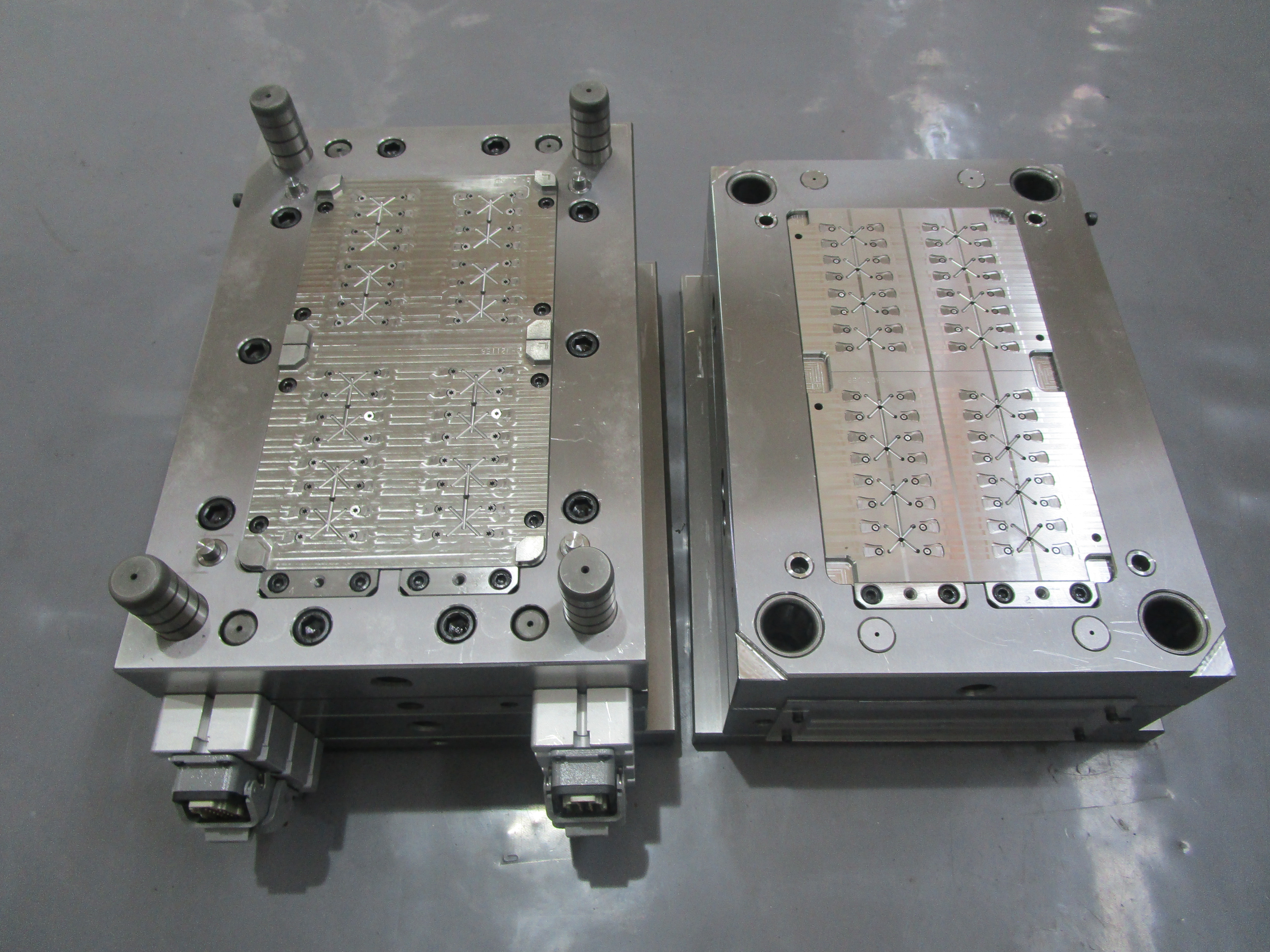
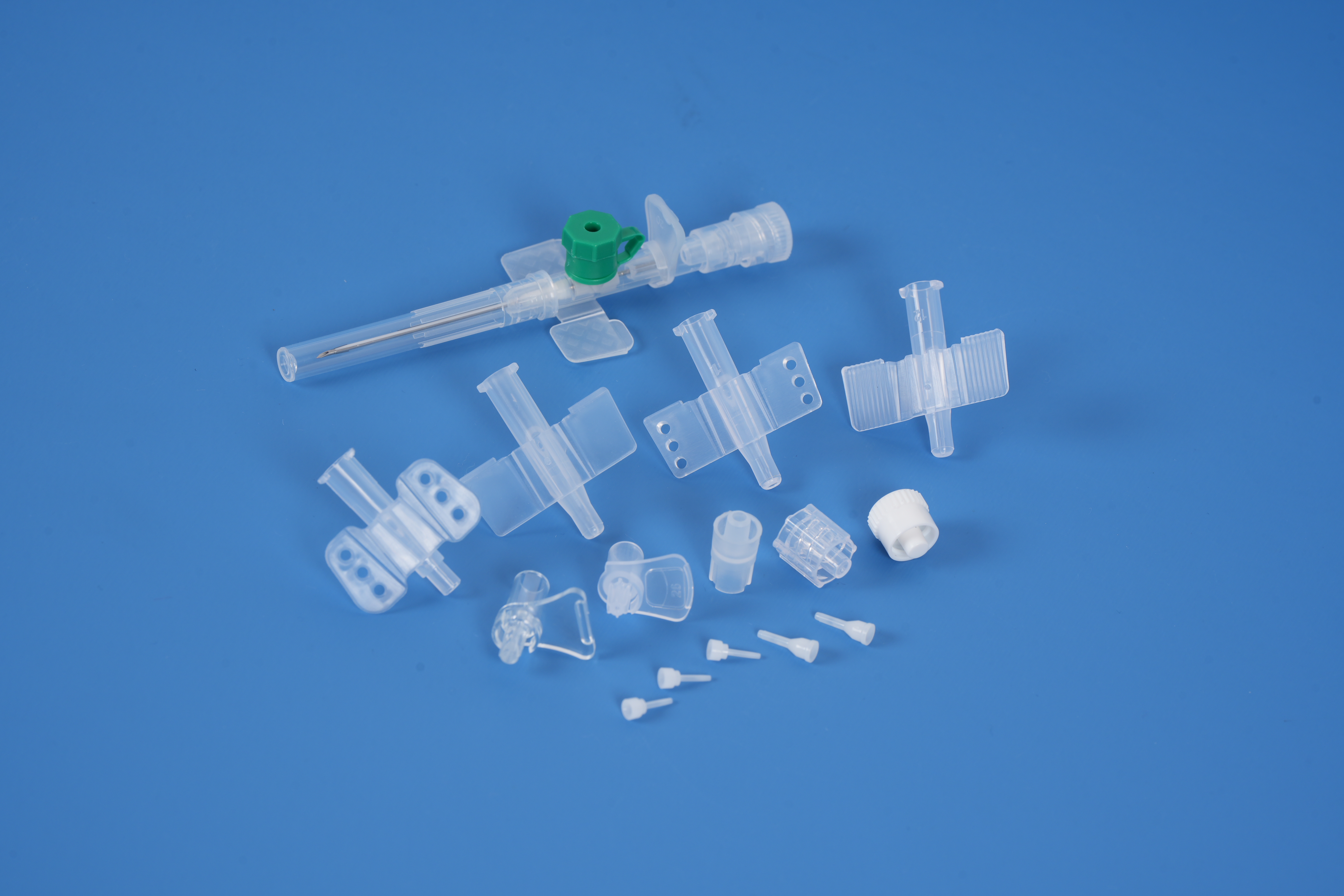
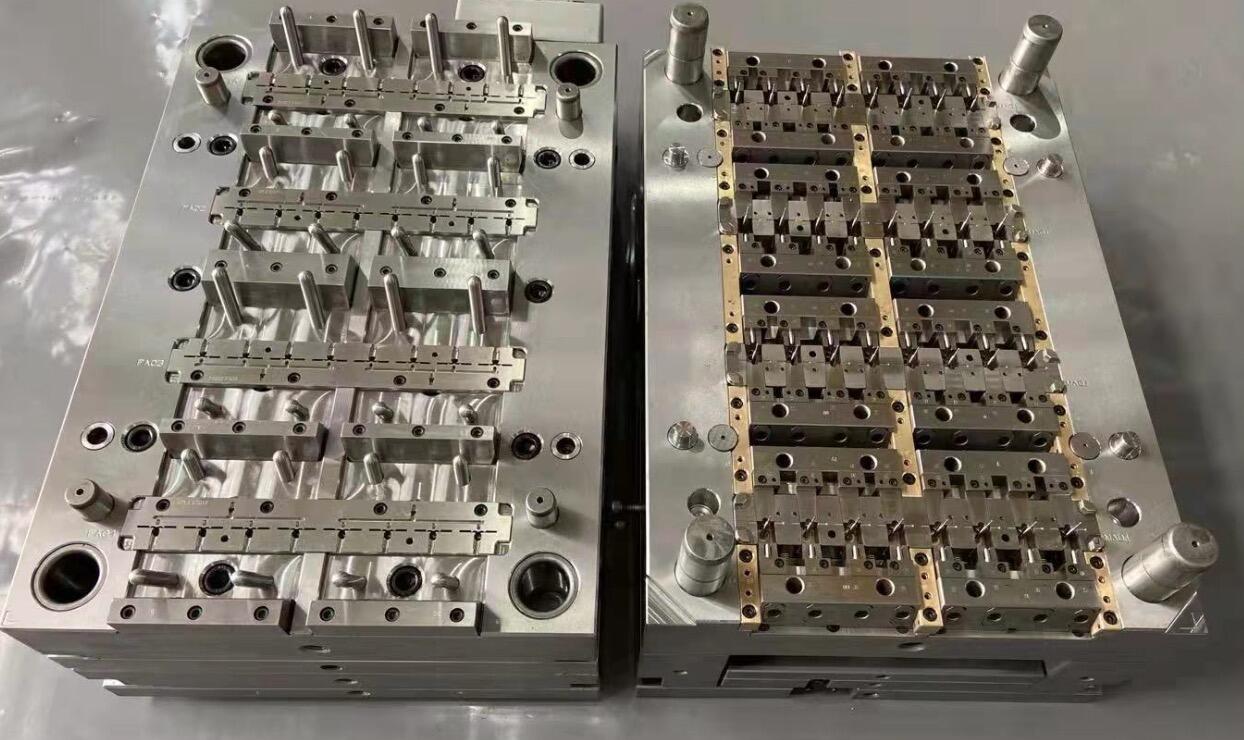
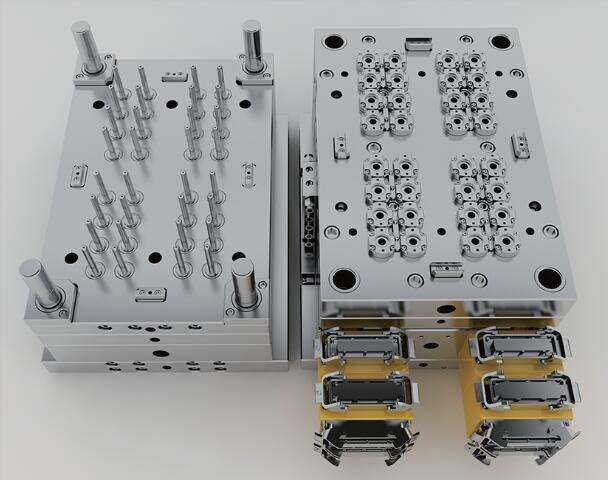
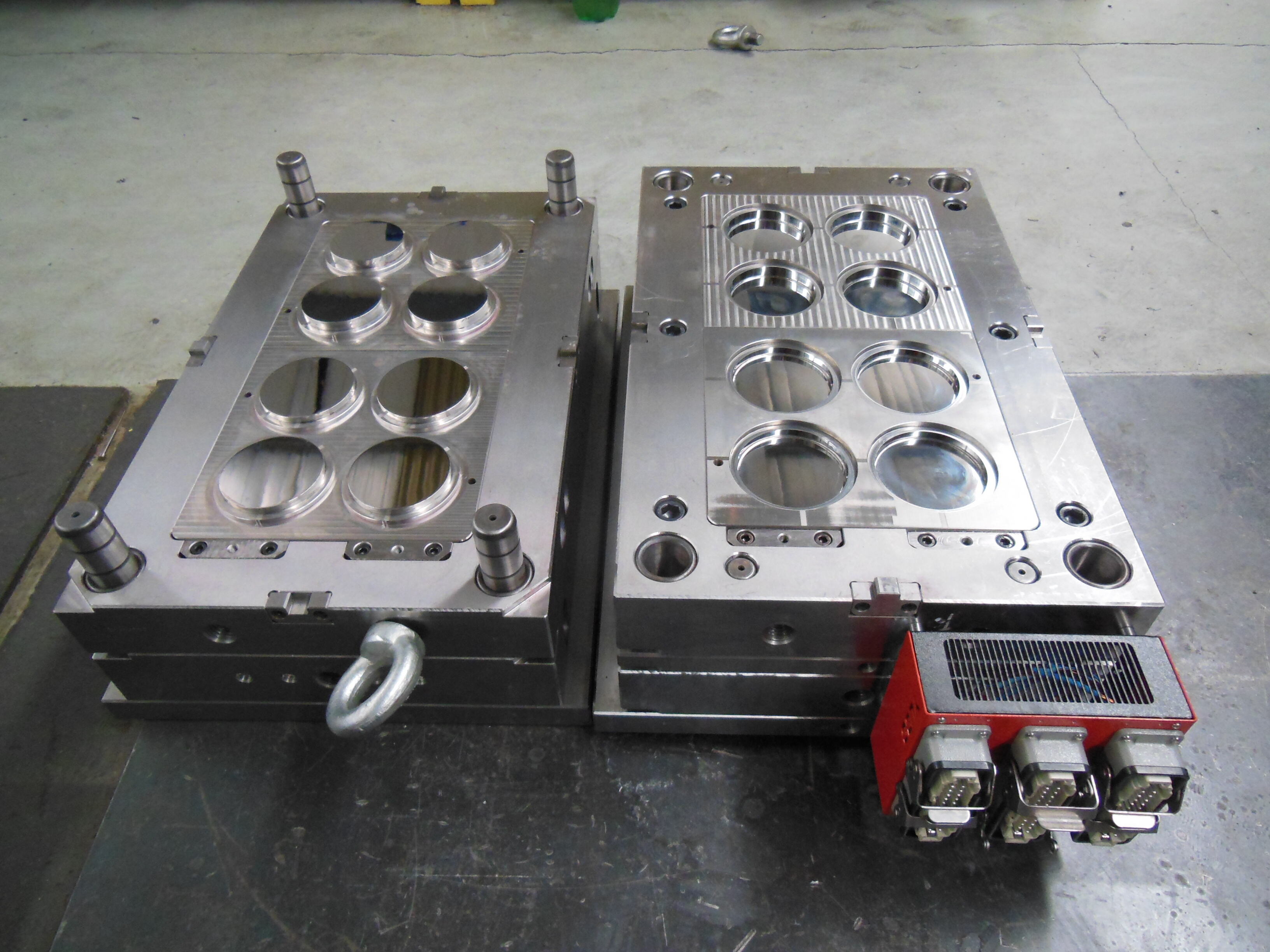
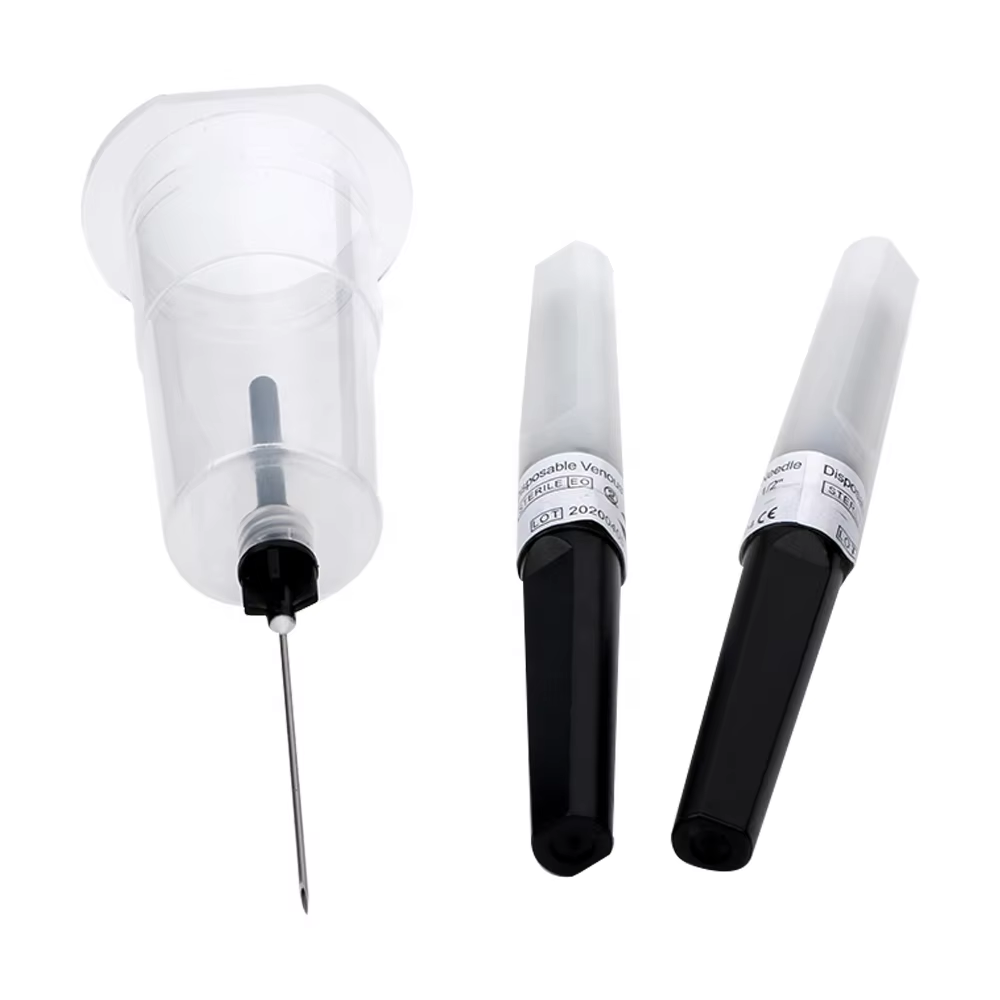
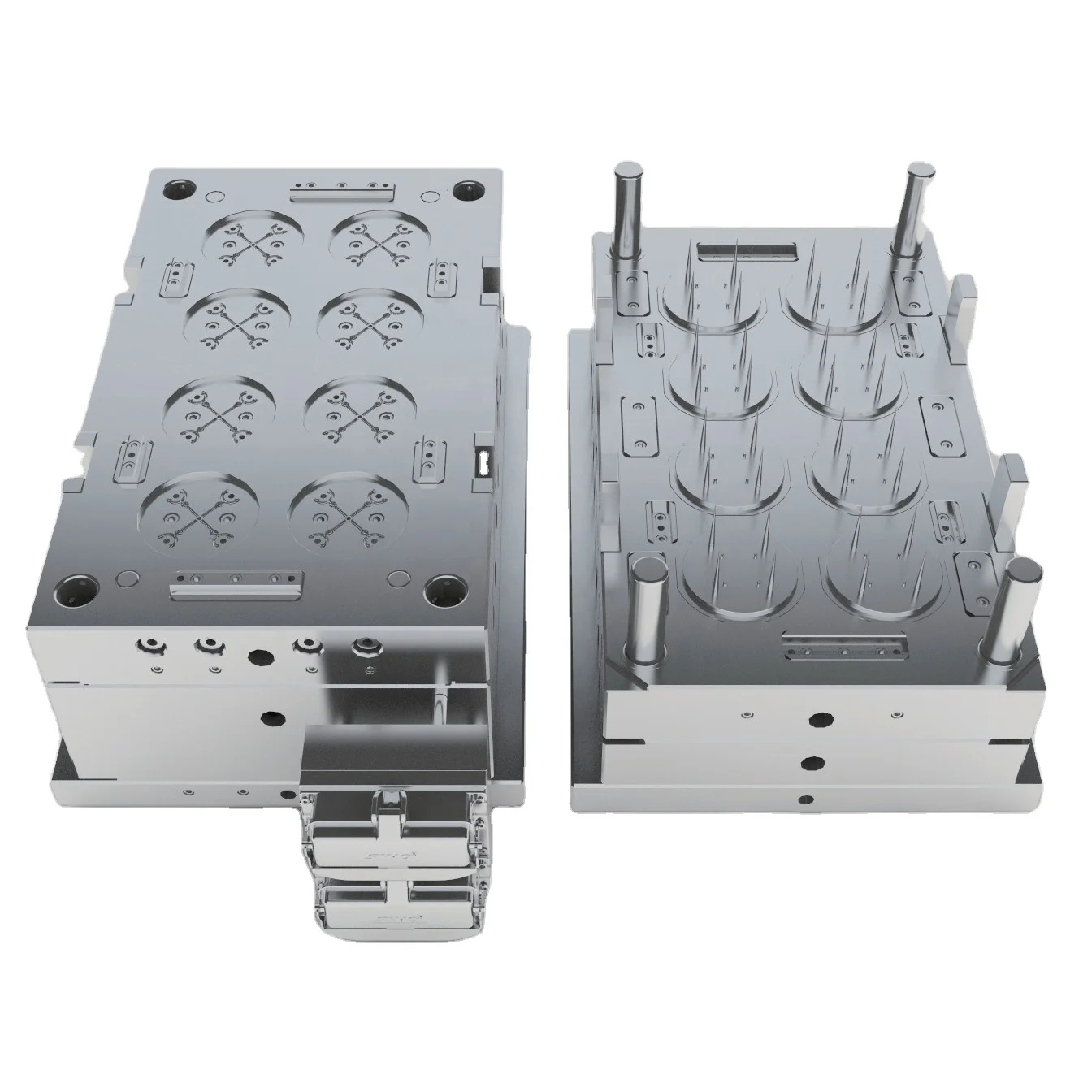
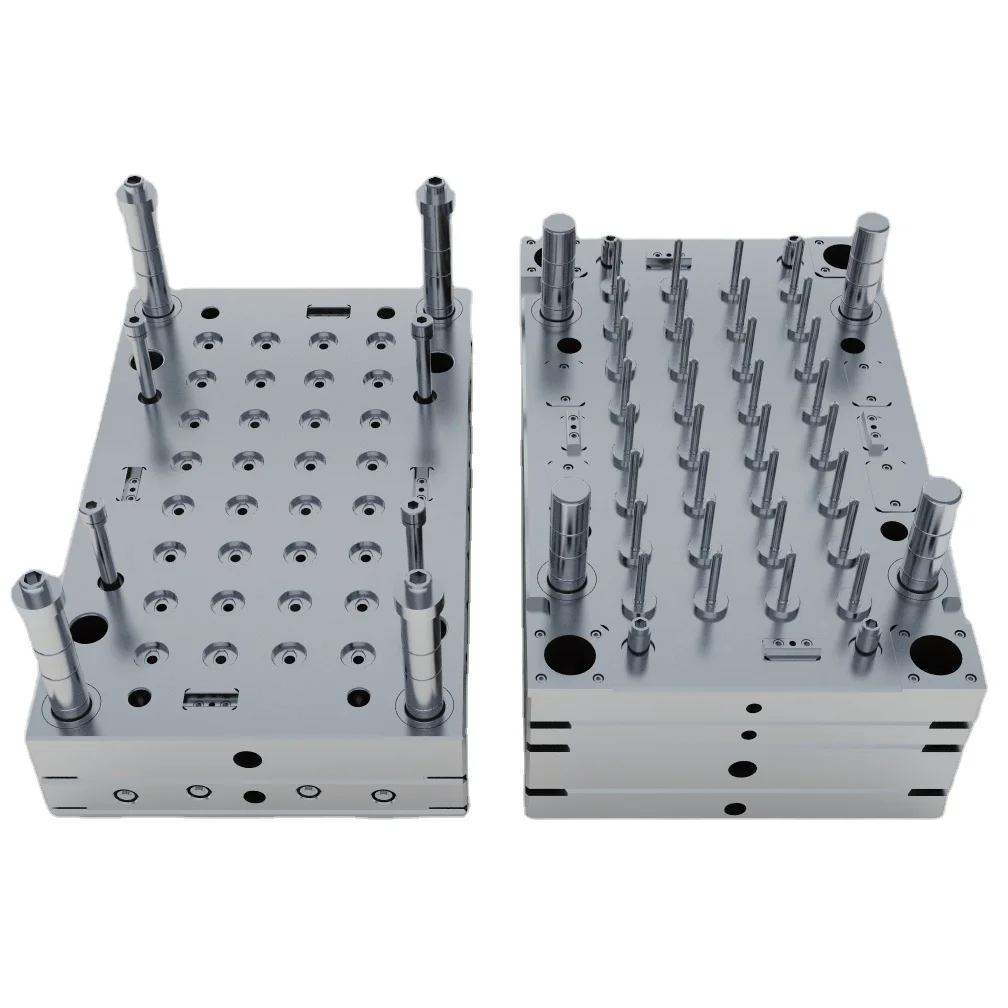
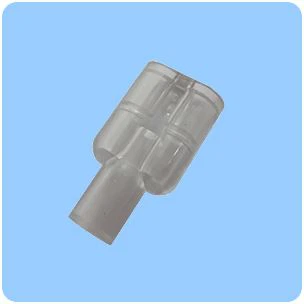
Medical mould technology represents a critical component in the healthcare manufacturing sector, serving as the foundation for producing precise, sterile, and reliable medical devices and components. A medical mould is a specialized tooling system designed to shape various medical-grade materials into specific forms required for healthcare applications. These precision-engineered moulds enable manufacturers to create everything from disposable syringes and surgical instruments to complex diagnostic equipment housings and implantable device components. The primary function of medical mould systems involves transforming raw materials, typically medical-grade plastics, silicones, or specialized polymers, into finished products through injection moulding, compression moulding, or other advanced forming techniques. The technological features of modern medical mould systems include ultra-precise cavity dimensions, often measured in microns, ensuring consistent product quality across millions of production cycles. Advanced cooling channel designs regulate temperature distribution, preventing material degradation and maintaining optimal processing conditions. Surface finishing techniques achieve mirror-polished cavity surfaces, reducing particle generation and facilitating easier sterilization of finished products. Multi-cavity configurations allow simultaneous production of multiple identical parts, dramatically increasing manufacturing efficiency while maintaining strict tolerances. The applications of medical mould technology span numerous healthcare sectors, including pharmaceutical packaging, diagnostic consumables, surgical instruments, drug delivery systems, and patient monitoring equipment. Medical mould systems must comply with stringent regulatory standards, including FDA requirements, ISO 13485 quality management systems, and cleanroom manufacturing protocols. The design process incorporates biocompatibility considerations, ensuring that moulded products will not cause adverse reactions when in contact with human tissue or bodily fluids. Material selection for medical mould construction typically involves hardened tool steels, stainless steel alloys, or specialized materials resistant to corrosion from sterilization processes. Modern medical mould manufacturing leverages advanced technologies such as computer-aided design, electrical discharge machining, and high-speed CNC milling to achieve the exceptional precision required for medical applications.
Investing in high-quality medical mould technology delivers substantial practical benefits that directly impact your production efficiency, product quality, and competitive positioning in the healthcare market. First and foremost, precision manufacturing capabilities ensure that every component meets exact specifications, eliminating costly rejects and reducing material waste. When your medical mould produces parts with consistent dimensions and surface quality, you significantly decrease the time and resources spent on quality control inspections and rework processes. This consistency translates directly into lower production costs and faster time-to-market for your medical products. The durability of properly engineered medical mould systems means you can run hundreds of thousands or even millions of production cycles without significant degradation in part quality. This longevity protects your capital investment and provides predictable production costs over extended periods. You gain the ability to scale production rapidly when market demand increases, without sacrificing the quality standards that healthcare providers and regulatory agencies demand. Automated production processes enabled by advanced medical mould technology reduce labor requirements and minimize human error, both critical factors in maintaining the sterile conditions necessary for medical device manufacturing. Your facility can operate with smaller teams while achieving higher output volumes, improving your overall operational efficiency. The speed of modern injection moulding processes means you can produce complex medical components in seconds rather than minutes, dramatically increasing your daily production capacity. Material versatility represents another significant advantage, as contemporary medical mould systems can process a wide range of biocompatible materials, allowing you to select the optimal polymer for each specific application without requiring entirely new tooling investments. Quick changeover capabilities let you switch between different product lines efficiently, supporting diverse product portfolios and custom manufacturing requirements. Regulatory compliance becomes more straightforward when working with medical mould systems designed specifically for healthcare applications, as these tools incorporate features that facilitate validation, documentation, and traceability requirements. Energy efficiency improvements in modern moulding equipment reduce your operational costs while supporting corporate sustainability initiatives. The precision and repeatability of medical mould manufacturing enable you to offer tighter product specifications than competitors using conventional fabrication methods, creating a distinct market advantage. Enhanced product functionality often results from moulding processes that can create complex geometries, integrated features, and multi-material components impossible to achieve through assembly of separate pieces. Your customers benefit from improved product performance, while you benefit from streamlined manufacturing processes and reduced assembly costs.

Practical Tips

What's the difference between OEM tooling and regular tooling?

22

Oct

What's the difference between OEM tooling and regular tooling?

Understanding the Core Distinctions of Original Equipment Manufacturing Tools The manufacturing industry relies heavily on precision tools and equipment to create high-quality products. When it comes to tooling solutions, there's often confusion betw...
View More
How Does Insert Injection Molding Combine Metals and Plastics Efficiently?

23

Dec

How Does Insert Injection Molding Combine Metals and Plastics Efficiently?

Insert injection molding represents a revolutionary manufacturing process that seamlessly combines different materials, particularly metals and plastics, to create composite components with enhanced functionality and durability. This advanced techniq...
View More
How to select the right medical-grade tubing and catheters for complex surgical procedures?

06

Jan

How to select the right medical-grade tubing and catheters for complex surgical procedures?

Selecting the appropriate medical-grade tubing and catheters for complex surgical procedures represents one of the most critical decisions healthcare professionals make in their practice. The complexity of modern surgical interventions demands materi...
View More
How can custom OEM molding services optimize the cost of large-scale medical disposables?

06

Jan

How can custom OEM molding services optimize the cost of large-scale medical disposables?

In today's competitive healthcare landscape, medical device manufacturers face mounting pressure to reduce production costs while maintaining the highest quality standards. Custom OEM molding services have emerged as a strategic solution for companie...
View More

Get a Free Quote

Our representative will contact you soon.
0/1000
Uncompromising Precision Engineering for Critical Healthcare Applications

Uncompromising Precision Engineering for Critical Healthcare Applications

The foundation of superior medical mould performance lies in precision engineering that achieves dimensional accuracy measured in micrometers, essential for components where even minor variations can affect functionality or patient safety. Advanced medical mould fabrication employs state-of-the-art manufacturing technologies including five-axis CNC machining centers, wire EDM systems, and coordinate measuring machines that verify tolerances throughout the production process. This exceptional precision begins at the design phase, where experienced engineers analyze part geometry, material flow characteristics, and thermal behavior using sophisticated simulation software. These digital tools predict how molten material will fill cavity spaces, identify potential defects before metal cutting begins, and optimize gate locations, cooling channels, and venting systems. The result is a medical mould that performs predictably from the first shot, minimizing expensive trial-and-error adjustments during commissioning. Precision extends to surface finish quality, where polishing techniques achieve mirror-smooth cavity surfaces that facilitate part ejection, reduce cycle times, and minimize surface defects that could harbor contaminants. For medical applications requiring optical clarity, such as diagnostic windows or fluid chambers, specialized polishing protocols achieve surface roughness values below 0.1 microns. Temperature control systems maintain uniform thermal conditions throughout the mould, preventing warpage, sink marks, and dimensional inconsistencies that compromise part quality. Sophisticated sensor networks monitor cavity pressure, material temperature, and cooling efficiency in real-time, providing data that supports process optimization and predictive maintenance programs. The precision achieved through advanced medical mould technology directly impacts your product quality metrics, reducing scrap rates, improving first-pass yield, and ensuring consistent performance across production runs spanning months or years. Precision engineering also supports miniaturization trends in medical device development, enabling production of increasingly smaller components with complex internal features required for minimally invasive procedures and portable diagnostic equipment. When you partner with medical mould manufacturers committed to precision engineering, you gain access to expertise that transforms challenging product concepts into manufacturable reality, supporting innovation while maintaining the quality standards that healthcare applications absolutely demand.

Cleanroom Compatibility and Contamination Control Features

Cleanroom Compatibility and Contamination Control Features

Medical mould systems designed specifically for healthcare manufacturing incorporate critical features that support contamination control and cleanroom operation, essential requirements for producing sterile medical devices and pharmaceutical packaging. Unlike standard industrial moulds, medical mould designs minimize particle generation through careful material selection, surface treatments, and operational characteristics that prevent lubricant migration, metal wear particles, and process residues from contaminating finished products. Stainless steel construction options provide corrosion resistance during repeated exposure to sterilizing agents and cleaning protocols required in medical manufacturing environments. Specialized coatings applied to cavity surfaces create non-stick properties that eliminate the need for mould release agents, which could leave residues on parts destined for patient contact. Sealed bearing systems and contamination barriers prevent external particles from entering critical mould areas during operation. Design features facilitate complete disassembly for thorough cleaning and inspection, supporting validation requirements and routine maintenance procedures mandated by quality management systems. Medical mould systems integrate seamlessly with cleanroom manufacturing cells, featuring compact designs that minimize the equipment footprint while maintaining full functionality. Enclosed processing areas with HEPA filtration capture particles generated during mould operation, preventing contamination of the surrounding cleanroom environment. Automated part handling systems eliminate human contact with moulded components, reducing contamination risks while improving production efficiency. Documentation capabilities built into modern medical mould control systems automatically record critical process parameters for every production cycle, creating the detailed batch records required for regulatory compliance and traceability. Material handling features prevent cross-contamination between different product runs, incorporating purge protocols and dedicated material delivery systems. The contamination control features integrated into medical mould technology protect your significant investments in cleanroom facilities and quality systems while ensuring that every component meets the stringent purity standards healthcare applications require. These specialized capabilities distinguish medical mould systems from conventional industrial tooling, providing the confidence that your manufacturing processes will consistently deliver products safe for patient use. By specifying medical mould systems with advanced contamination control features, you demonstrate commitment to quality that resonates with healthcare customers, regulatory agencies, and ultimately the patients who depend on your products.
Accelerated Production Cycles and Manufacturing Efficiency Optimization

Accelerated Production Cycles and Manufacturing Efficiency Optimization

Modern medical mould technology incorporates advanced features that dramatically reduce cycle times and maximize manufacturing throughput, delivering competitive advantages through superior production efficiency. Optimized cooling channel designs represent perhaps the most significant factor in cycle time reduction, using conformal cooling technology that follows part geometry rather than relying on straight-line drilled channels. These sophisticated cooling circuits, often created through additive manufacturing techniques, provide uniform temperature distribution that accelerates material solidification while preventing thermal stress that causes warpage. Advanced cooling strategies can reduce cycle times by thirty to fifty percent compared to conventional cooling approaches, directly increasing your hourly production capacity without additional capital investment in equipment. Hot runner systems maintain material at optimal processing temperature right up to the gate, eliminating the waste associated with cold runners while enabling faster cycles and material savings that accumulate significantly over production runs numbering in the millions. Rapid mould change systems allow quick installation and removal of different medical mould configurations, supporting flexible manufacturing strategies and reducing downtime between product runs. Predictive maintenance capabilities embedded in smart medical mould systems monitor wear patterns, cycle counts, and performance metrics that indicate when preventive maintenance should occur, avoiding unexpected failures that halt production. Automated quality verification integrated directly into the moulding process detects dimensional variations or cosmetic defects immediately, preventing production of non-conforming parts and eliminating waste. Multi-cavity medical mould configurations produce multiple identical parts simultaneously, multiplying output without proportionally increasing cycle time or energy consumption. Scientific moulding principles applied during process development identify the optimal processing window where part quality remains stable despite minor variations in material properties or environmental conditions, improving first-pass yield and reducing time spent troubleshooting production issues. Energy-efficient servo-driven moulding machines paired with optimized medical mould designs reduce power consumption while delivering the precision and repeatability medical applications require. The cumulative effect of these efficiency optimizations transforms your manufacturing economics, reducing per-unit production costs while increasing capacity to meet growing market demand. Fast cycle times also improve inventory management by enabling just-in-time manufacturing strategies that reduce warehousing costs and minimize capital tied up in finished goods inventory. When healthcare customers require rapid delivery or custom configurations, your efficient medical mould capabilities become a significant competitive differentiator that opens new market opportunities.