Medical Infusion Devices - Advanced Precision Medication Delivery Systems for Enhanced Patient Care

Get a Quote
Get a Quote

medical infusion devices

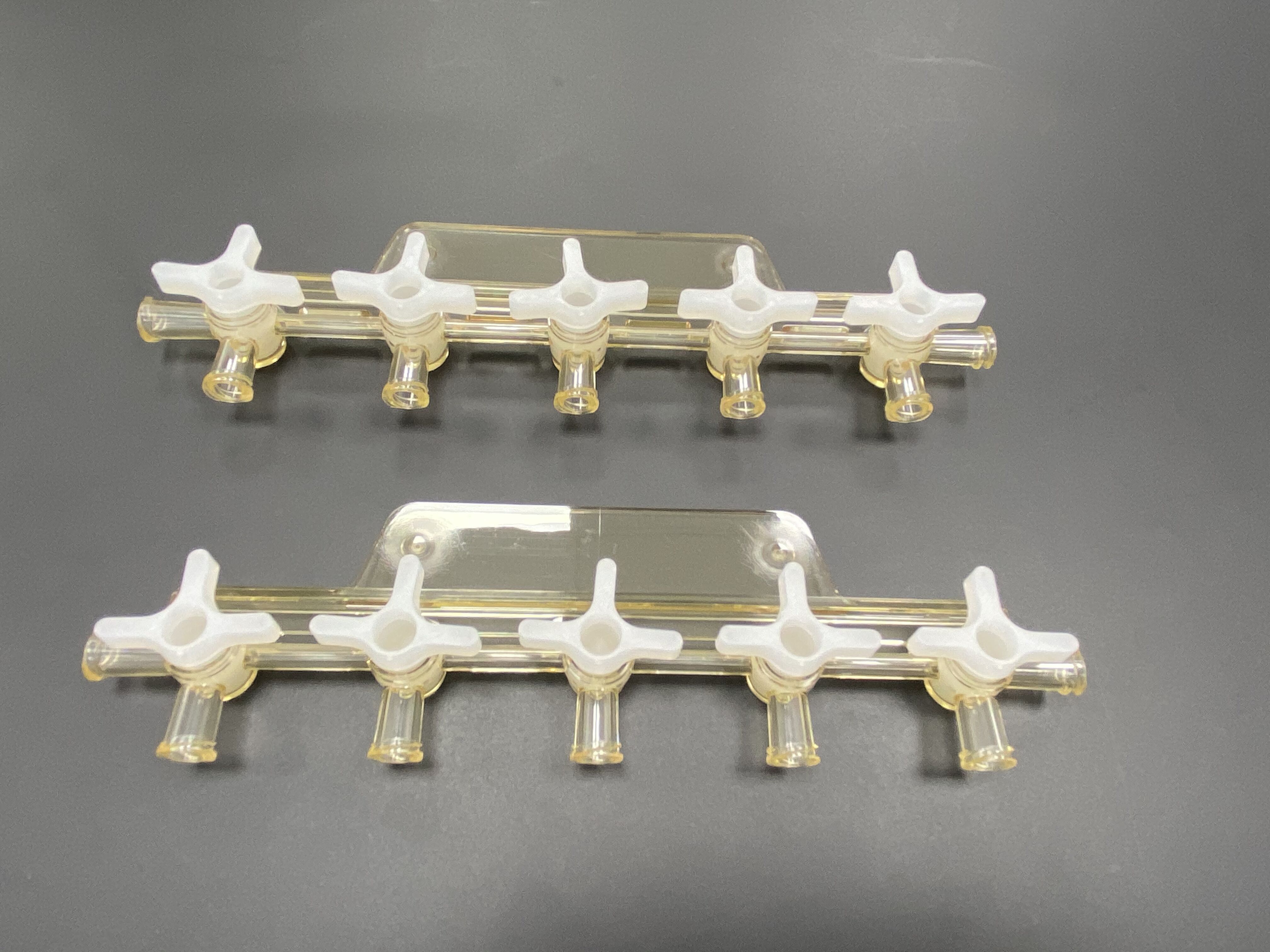
Medical infusion devices represent essential healthcare equipment designed to deliver fluids, medications, nutrients, and blood products directly into a patient's circulatory system with precision and control. These sophisticated instruments have revolutionized patient care by ensuring accurate dosing and consistent therapeutic delivery in hospitals, clinics, home care settings, and emergency medical situations. Modern medical infusion devices incorporate advanced technological features including microprocessor-controlled pumps, programmable delivery rates, multiple safety alarm systems, and intuitive user interfaces that minimize human error while maximizing treatment effectiveness. The primary functions of medical infusion devices encompass controlled fluid administration, precise medication dosing, pain management through continuous or patient-controlled analgesia, chemotherapy delivery, parenteral nutrition support, and blood transfusion management. These devices range from simple gravity-fed systems to complex smart pumps equipped with drug libraries and dose error reduction software. Technological innovations have introduced wireless connectivity, electronic health record integration, and real-time monitoring capabilities that enable healthcare providers to track infusion progress remotely and respond quickly to any complications. Medical infusion devices serve critical applications across numerous medical specialties including oncology, critical care, anesthesiology, pediatrics, geriatrics, and outpatient therapy centers. The versatility of these systems allows customization for specific patient populations, from neonatal intensive care units requiring micro-volume precision to adult emergency departments demanding rapid large-volume resuscitation. Contemporary medical infusion devices feature ergonomic designs, battery backup systems for transport, tamper-resistant security measures, and comprehensive data logging for quality assurance and regulatory compliance. As healthcare continues evolving toward personalized medicine and value-based care models, medical infusion devices play an increasingly vital role in optimizing therapeutic outcomes while reducing complications, shortening hospital stays, and improving overall patient satisfaction and safety throughout the treatment journey.
Medical infusion devices deliver remarkable benefits that directly impact patient outcomes and healthcare facility operations in measurable ways. First and foremost, these systems provide unmatched accuracy in medication delivery, eliminating the guesswork and variability associated with manual administration methods. When treating patients, precision matters tremendously because even small dosing errors can lead to serious complications or therapeutic failures. Medical infusion devices calculate and maintain exact flow rates, ensuring patients receive the right amount of medication at the right time without interruption. This consistency proves especially critical for medications with narrow therapeutic windows where slight variations could mean the difference between healing and harm. Healthcare professionals gain significant time savings when using medical infusion devices because automated systems reduce the need for constant manual adjustments and calculations. Nurses and doctors can focus their expertise on patient assessment and care planning rather than standing bedside monitoring drip rates or performing mathematical conversions. The efficiency gains translate directly into better staffing utilization and the ability to care for more patients without compromising quality. Safety features built into modern medical infusion devices protect both patients and healthcare workers from preventable errors. Alarm systems alert staff immediately when problems arise, such as air in the line, occlusions, low battery, or completed infusions. Drug libraries programmed into smart pumps warn users when selected doses fall outside established safety parameters, creating an additional verification checkpoint that catches mistakes before they reach the patient. These protective mechanisms reduce liability exposure for healthcare facilities while building patient trust and confidence. Medical infusion devices also enhance patient comfort and mobility during treatment. Portable battery-operated pumps allow patients to move around, visit with family, or participate in physical therapy while continuing to receive necessary medications. This mobility accelerates recovery by preventing the complications associated with prolonged bed rest and improving psychological wellbeing through increased independence. Documentation capabilities embedded in advanced medical infusion devices create comprehensive electronic records of all infusion events, providing valuable data for clinical decision-making, quality improvement initiatives, and regulatory compliance. Healthcare administrators can analyze usage patterns, identify training needs, track medication consumption, and demonstrate adherence to evidence-based protocols. The financial benefits extend beyond direct cost savings to include reduced waste from expired or incorrectly prepared medications, fewer complications requiring extended hospitalization, and improved reimbursement through better documentation of care provided. For home healthcare providers and patients managing chronic conditions, medical infusion devices enable safe treatment outside hospital walls, reducing healthcare costs while maintaining therapeutic effectiveness and allowing patients to remain in familiar, comfortable surroundings with loved ones nearby.

Practical Tips

What are the technical challenges in precision OEM tooling manufacturing?

22

Oct

What are the technical challenges in precision OEM tooling manufacturing?

Understanding the Complex World of Advanced Manufacturing Technologies The realm of precision OEM tooling represents one of manufacturing's most demanding sectors, where tolerances are measured in microns and quality standards are uncompromising. As ...
View More
How Can Custom Mold and OEM Molding Improve Product Manufacturing Efficiency?

23

Dec

How Can Custom Mold and OEM Molding Improve Product Manufacturing Efficiency?

Manufacturing efficiency has become the cornerstone of competitive advantage in today's industrial landscape. Companies across various sectors are discovering that traditional manufacturing approaches often fall short of meeting modern demands for pr...
View More
What Applications Benefit Most from Custom Mold and OEM Molding Solutions?

23

Dec

What Applications Benefit Most from Custom Mold and OEM Molding Solutions?

Manufacturing industries across the globe rely heavily on precision components that meet exact specifications and performance standards. When standard off-the-shelf products cannot deliver the required functionality, companies turn to specialized man...
View More
How can custom OEM molding services optimize the cost of large-scale medical disposables?

06

Jan

How can custom OEM molding services optimize the cost of large-scale medical disposables?

In today's competitive healthcare landscape, medical device manufacturers face mounting pressure to reduce production costs while maintaining the highest quality standards. Custom OEM molding services have emerged as a strategic solution for companie...
View More

Get a Free Quote

Our representative will contact you soon.
0/1000
Precision Medication Delivery Technology

Precision Medication Delivery Technology

The cornerstone advantage of medical infusion devices lies in their ability to deliver medications with extraordinary precision that manual methods simply cannot match. These sophisticated systems utilize advanced microprocessor technology and precision mechanical components to control fluid flow at rates ranging from fractions of a milliliter per hour for delicate pediatric patients to hundreds of milliliters per hour for emergency resuscitation scenarios. The importance of this precision becomes immediately apparent when considering high-alert medications such as insulin, heparin, chemotherapy agents, or vasopressors where therapeutic doses and toxic doses exist in close proximity. Medical infusion devices eliminate human calculation errors that historically contributed to medication mistakes, providing consistent delivery that maintains stable drug concentrations in the bloodstream. This stability proves essential for medications requiring steady-state levels to achieve optimal therapeutic effects. Modern medical infusion devices feature programmable profiles allowing healthcare providers to customize delivery patterns including continuous infusions, intermittent boluses, tapered doses, or patient-controlled administration within preset safety limits. The flexibility accommodates diverse clinical protocols while maintaining the precision necessary for positive outcomes. Drug library technology integrated into contemporary medical infusion devices adds another layer of safety by storing institutional guidelines for hundreds of medications with predefined dosing ranges, concentration standards, and administration protocols. When clinicians program an infusion, the device cross-references the order against the drug library and alerts users if parameters fall outside safe ranges, prompting verification before delivery begins. This intelligent safeguard catches errors at the point of care when intervention remains simple and prevents adverse events that could otherwise result in patient harm, extended hospitalization, or even fatality. The precision capabilities of medical infusion devices extend beyond flow rate control to include volume tracking with accuracy exceeding manual monitoring methods. Devices calculate and display total volume infused, volume remaining, and time to completion, providing transparency that supports clinical decision-making and helps coordinate care activities. For patients receiving multiple concurrent infusions, modern medical infusion devices can be networked together, allowing providers to view all active therapies from a single interface and ensuring comprehensive awareness of the complete medication regimen. This systems approach reduces the risk of drug interactions, fluid overload, or therapeutic gaps that might occur when treatments are managed in isolation.
Enhanced Patient Safety Through Comprehensive Monitoring

Enhanced Patient Safety Through Comprehensive Monitoring

Patient safety represents the paramount concern in healthcare delivery, and medical infusion devices contribute significantly to protecting patients from preventable harm through multiple integrated safety mechanisms. These devices continuously monitor numerous parameters throughout the infusion process, detecting problems instantly and alerting caregivers before minor issues escalate into serious complications. Air-in-line detection systems use ultrasonic or optical sensors to identify even microscopic air bubbles in the infusion tubing, automatically stopping fluid delivery and sounding alarms to prevent air embolism, a potentially fatal complication. Occlusion detection technology recognizes when flow becomes blocked due to kinked tubing, infiltrated intravenous sites, or clotted catheters, preventing tissue damage from excessive pressure buildup while ensuring patients receive prescribed therapies without interruption. Medical infusion devices also monitor their own mechanical and electrical systems, alerting users to low battery conditions, mechanical malfunctions, or programming errors that could compromise delivery accuracy. The comprehensive nature of these safety features creates multiple redundant protective layers, dramatically reducing the likelihood that any single point of failure could result in patient injury. Beyond immediate hazard detection, medical infusion devices support safety through features like dose limits, lockout intervals for patient-controlled analgesia, and anti-freeflow mechanisms that prevent uncontrolled medication delivery if tubing becomes disconnected from the pump. Authentication requirements ensure only authorized personnel can program or modify infusion parameters, preventing tampering or unauthorized adjustments. Audit trails maintained by medical infusion devices record every action taken, creating accountability and providing valuable data for investigating incidents, identifying system improvements, and demonstrating compliance with safety standards. The safety advantages extend to healthcare workers as well, with medical infusion devices reducing exposure to hazardous medications through closed-system administration that minimizes environmental contamination. Needleless connection systems integrated with many devices decrease needlestick injuries that pose infection risks to clinical staff. The cumulative effect of these safety features transforms medical infusion devices from simple delivery tools into comprehensive safety systems that actively protect all stakeholders in the healthcare environment. Research consistently demonstrates that facilities utilizing advanced medical infusion devices with integrated safety technologies experience measurably lower rates of medication errors, adverse drug events, and associated costs compared to institutions relying on basic infusion equipment or manual administration methods.
Operational Efficiency and Healthcare Workflow Optimization

Operational Efficiency and Healthcare Workflow Optimization

Medical infusion devices deliver substantial operational benefits that optimize healthcare workflows, improve resource utilization, and enhance overall facility efficiency in ways that directly impact financial performance and staff satisfaction. These devices streamline medication administration processes by automating calculations, reducing setup time, and minimizing the need for constant bedside adjustments that pull nurses away from other essential care activities. When nurses spend less time managing infusion mechanics, they gain capacity for patient education, family communication, care coordination, and clinical assessment tasks that leverage their professional expertise more effectively. This efficiency translates into improved job satisfaction as healthcare professionals focus on meaningful patient interactions rather than repetitive technical tasks. Modern medical infusion devices integrate seamlessly with electronic health record systems through bidirectional communication interfaces that automatically populate documentation, retrieve medication orders, and update administration records without manual data entry. This connectivity eliminates transcription errors, ensures documentation accuracy, and saves substantial time previously spent on paperwork. Pharmacy integration allows medication orders to flow directly from prescriber to pharmacist to bedside, creating a closed-loop medication management system that enhances safety while accelerating treatment initiation. Healthcare administrators benefit from comprehensive data analytics capabilities built into advanced medical infusion devices that aggregate usage information across entire facilities or health systems. These insights reveal utilization patterns, identify opportunities for standardization, highlight training needs, and support evidence-based decisions about equipment procurement, staffing models, and protocol development. Predictive maintenance features alert biomedical engineering departments to potential equipment failures before they occur, allowing proactive service that prevents downtime and extends device lifespan. The financial impact of operational efficiency gains proves substantial when calculated across high-volume facilities treating thousands of patients annually. Reduced medication waste, fewer preventable complications, shorter lengths of stay, and optimized staff deployment combine to generate significant cost savings that quickly offset equipment investment. Medical infusion devices also support value-based care models by providing the data infrastructure necessary to track quality metrics, demonstrate outcome improvements, and document adherence to evidence-based protocols required for optimal reimbursement. For healthcare systems managing diverse care settings including hospitals, ambulatory surgery centers, infusion clinics, and home health programs, standardizing on common medical infusion device platforms creates additional efficiencies through simplified training, interchangeable supplies, centralized technical support, and volume purchasing advantages. The portability and versatility of modern medical infusion devices allow facilities to deploy equipment flexibly across departments based on demand fluctuations, maximizing asset utilization rather than maintaining dedicated equipment in every location.