Materialeflexibilitet, der understøtter mangfoldige krav til ydeevne
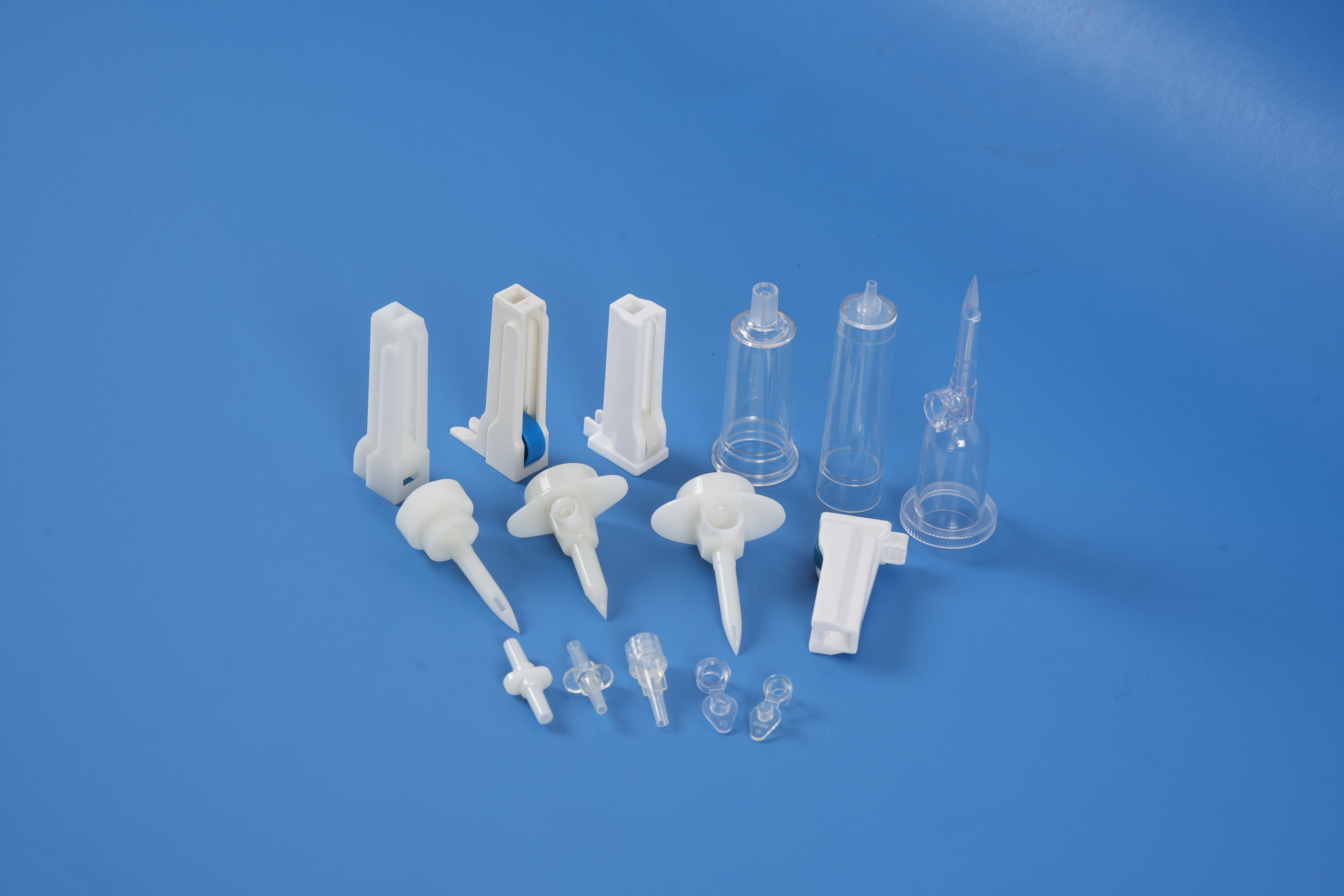
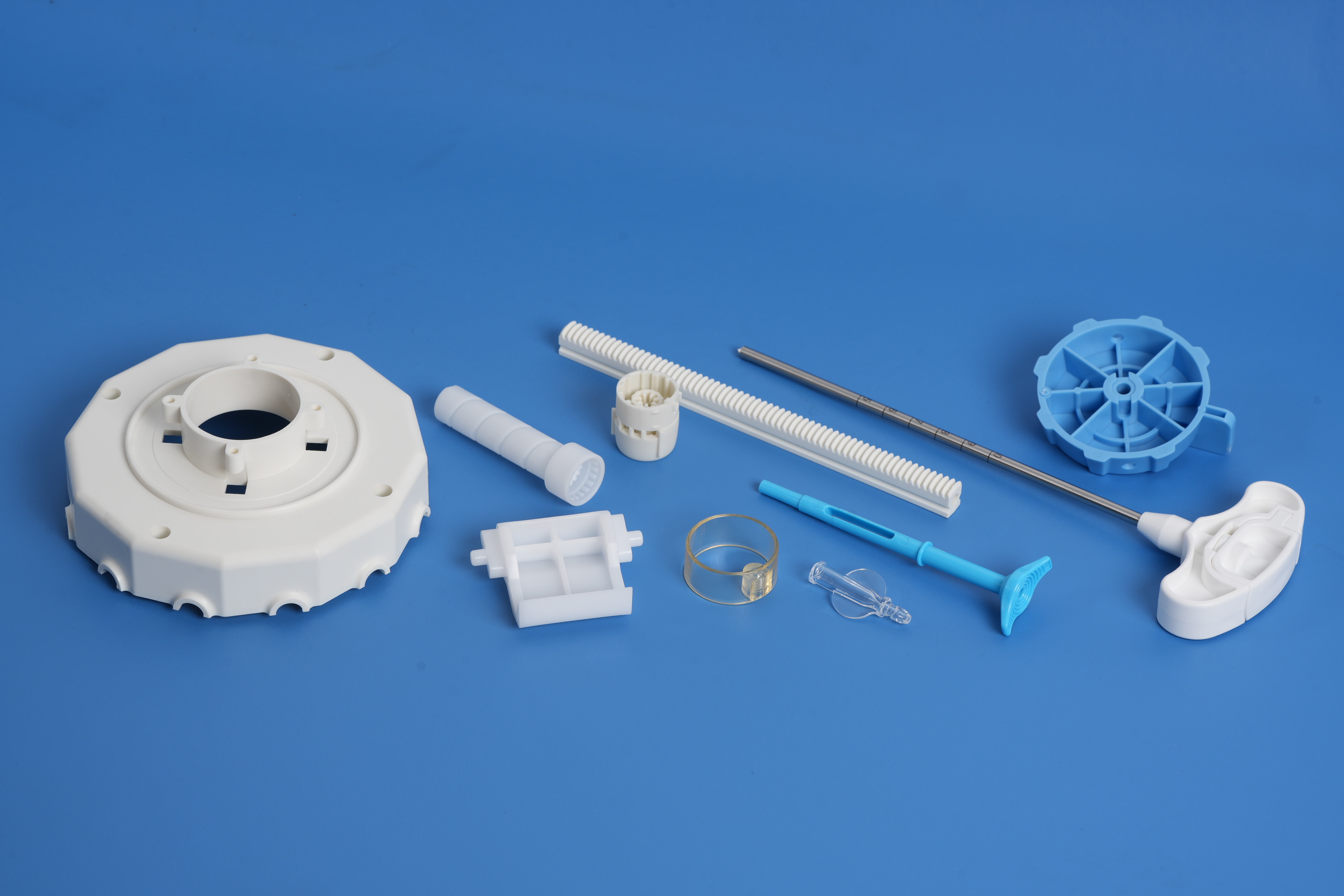
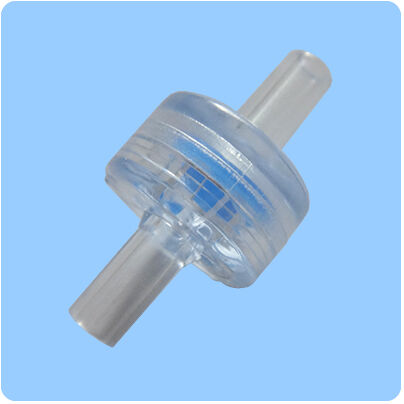
Den omfattende udvalg af plastharpikser, der er tilgængelige til brugerdefinerede sprøjtestøbte plastdele, giver designere mulighed for at optimere materialeegenskaberne til specifikke anvendelseskrav og skabe komponenter, der yder bedre præstation end alternative løsninger, samtidig med at de reducerer vægt og omkostninger. Almindelige harpikser såsom polypropylen, polyethylen og polystyren leverer omkostningseffektive løsninger til anvendelser, der kræver grundlæggende mekaniske egenskaber og kemisk modstandsdygtighed. Konstruktions-thermoplastikker som nylon, polycarbonat, acetal og ABS tilbyder forbedret styrke, temperaturbestandighed og dimensionsstabilitet til krævende miljøer. Højtydende polymerer såsom PEEK, PPS og flydende krystalpolymerer tåler ekstreme temperaturer, aggressive kemikalier og steriliseringscyklusser, som kræves inden for luftfarts-, medicinsk- og industrielle anvendelser. Materialeudvælgelsen strækker sig ud over basis-harpikserne og omfatter også tilsætningsstoffer og modificerende stoffer, der forbedrer specifikke egenskaber. Glasfiberforstærkning øger stivhed og styrke og gør det muligt for brugerdefinerede sprøjtestøbte plastdele at erstatte metaldele, samtidig med at vægten reduceres med halvdelen eller mere. Flammehæmmende tilsætningsstoffer gør det muligt for dele at opfylde strenge brand sikkerhedsstandarder inden for elektronik, transport og byggeri. UV-stabilisatorer beskytter udendørs komponenter mod nedbrydning forårsaget af sollys, hvilket forlænger levetiden for landbrugsudstyr, automobilers ydre trim og bygningsprodukter. Farvestoffer eliminerer behovet for efterfølgende maling, hvilket reducerer fremstillingsprocessen, mens de samtidig sikrer en farvefast fremtoning, der bevares gennem hele produktets levetid. Ledende tilsætningsstoffer gør det muligt at fremstille brugerdefinerede sprøjtestøbte plastdele, der kan oplade statisk elektricitet, og dermed beskytte følsomme elektroniske komponenter mod skade fra elektrostatiske udladninger. Biokompatible medicinske kvalitets-harpikser opfylder FDA-kravene til enheder, der kommer i kontakt med menneskeligt væv, og understøtter anvendelser fra kirurgiske instrumenter til implanterbare komponenter. Gennemsigtige materialer – fra krystalklart polycarbonat til slagfast akryl – muliggør brugerdefinerede sprøjtestøbte plastdele til beskyttelsesdæksler, displaylinser og væskebeholdere, hvor visuel inspektion er afgørende. Leverancer af materialer udvikler fortsat innovative sammensætninger, der udvider mulighederne, herunder bio-baserede harpikser fremstillet af vedvarende ressourcer samt avancerede kompositmaterialer, der indeholder kulstof-fiber eller specialfyldstoffer. Denne materialeversatilitet giver ingeniører mulighed for at afveje modsatrettede krav såsom styrke versus fleksibilitet, gennemsigtighed versus uigennemsigtighed samt omkostning versus præstation og dermed skabe optimerede løsninger, som ikke ville være mulige med traditionelle fremstillingsmaterialer.

 EN
EN