Capacitates Versatiles Processionis Materialium
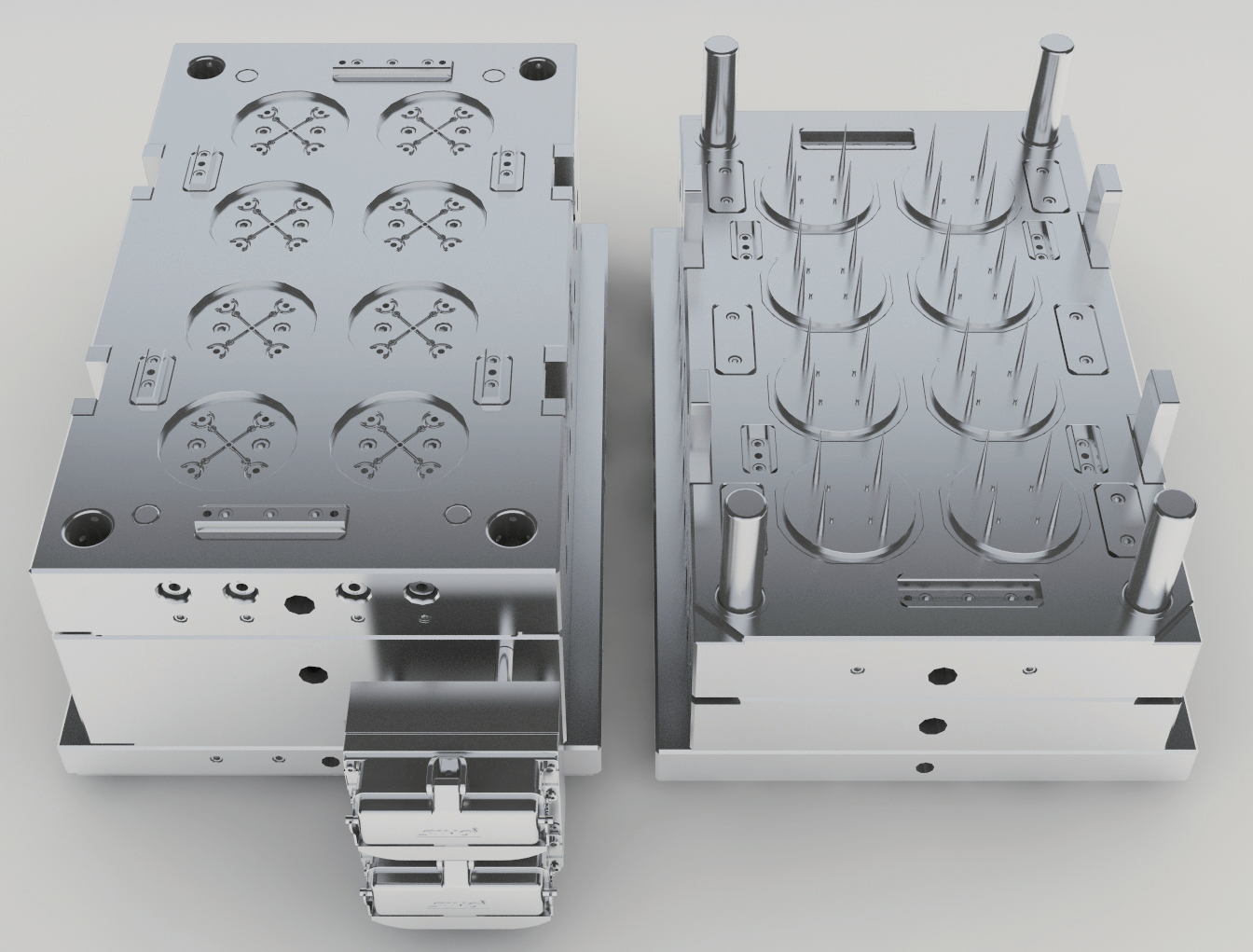
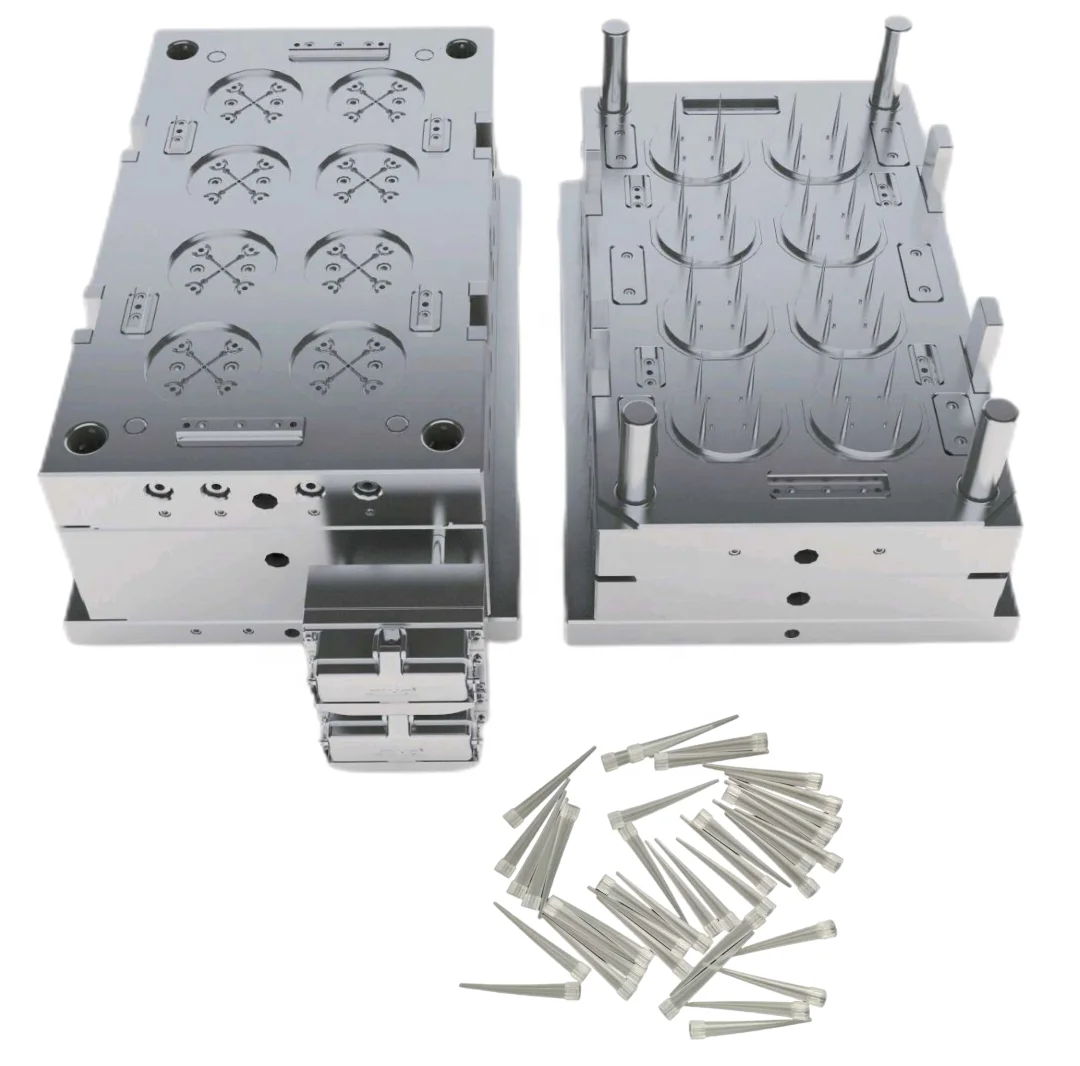
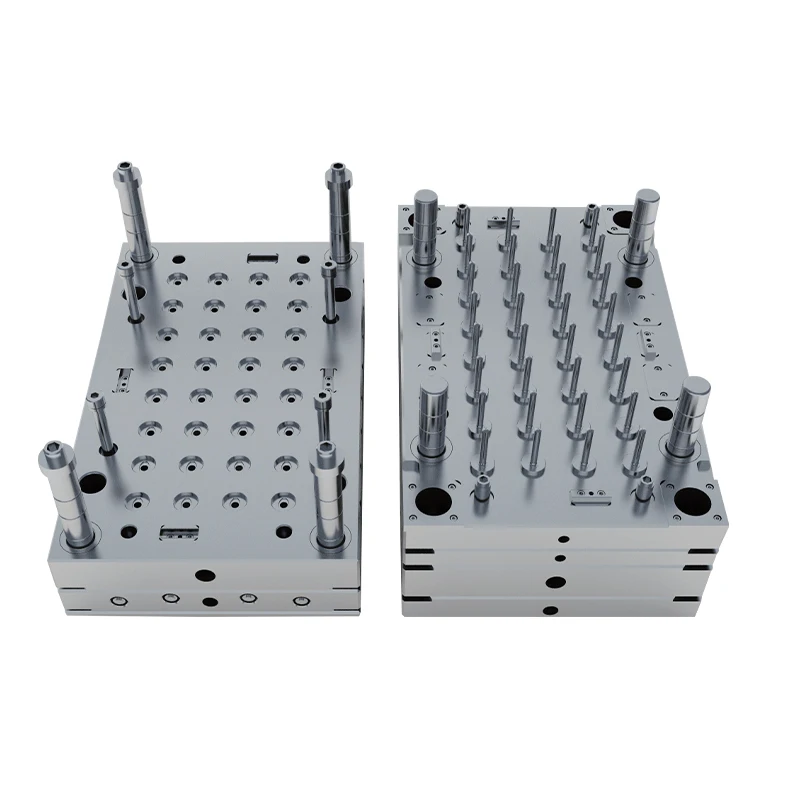
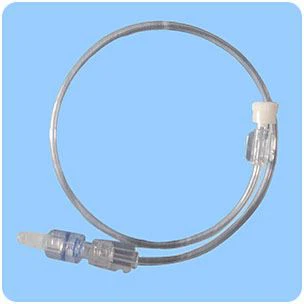
Pressus pro fundendo per injectionem mirabilem versatilitatem ostendit in tractando variis materiis plasticis, quarum unaquaeque proprietates proprias habet, quae fabricatoribus facultatem praebent optima materialia ad certa applicationum postulata eligendi. Haec versatilitas occasionem aperit per infinitas industrias et categorias productorum, ita ut apparatus valde utilis sit societatibus multis mercatis inservientibus. Plastica vulgaris, ut polyethylenum et polypropylenum, facile in pressibus pro fundendo per injectionem in formam communem tractantur, optima resistentia chemica et fortitudo ad impactum praebentes ad applicationes a continenti bus ciborum ad partes automobilium. Haec materialia, cum liquefacta sunt, facile fluunt, formas plene implent, et cito frigescunt, quod temporibus cycli brevibus favet, quae productivitatem maximizant. Plastica technica, ut nylon, polycarbonatum, et ABS, proprietates mechanicus meliores, resistentiam ad temperaturam, et stabilitatem dimensionalem praebent ad applicationes exigentes in tectis electronicis, in casis instrumentorum electricorum, et in partibus automobilium sub capote. Pressus pro fundendo per injectionem haec materialia tractat per mutationes temperaturae in tubo et per modos cocleae mutatos, qui ad characteristics speciales liquefactionis et profila viscositatis accommodantur. Polymers altae perficiendae, ut PEEK, PPS, et polimeri cristallorum liquidorum, capacitates tractandi provocant propter temperaturas liquefaciendi extremas et angustas fenestras tractandi; tamen apparatus speciales pro fundendo per injectionem haec materialia feliciter tractant ad applicationes in aerospatio, in implantis medicis, et in semiconductoribus, ubi proprietates egregiae pretiosos materiae sumptus iustificant. Machinae etiam tractant composita repleta et renfortata quae fibras vitreas, pigmenta mineralia, aut fibras carbonicas continent, quae fortitudinem, rigiditatem, et stabilitatem dimensionalem augent, dum tamen cocleae et tubi resistentes abrusioni requiruntur ad characteristicas abrasivas tractandas. Versatilitas colorum exsurgit per technologiam massae principalis (master batch), qua pressus pro fundendo per injectionem parvas quantitates colorantis concentrati cum resina naturali base miscet dum tractatur, quod mutationes colorum permittit sine purgatione ampla aut munditia apparatus. Integratio contenti recyclati sustentabilitatis fines iuvat, quoniam apparatus tractat plasticas post-consumptionem vel post-industriales recyclatas sive solas sive mixtas cum materia prima, adiuvans fabricatores ad obligationes ambientales implendas dum sumptus reguntur. Capacitates pro tractando pluribus materiis permittunt systemata pressuum pro fundendo per injectionem ad combinanda diversa plasticas in unica parte per technicas superfundendi (overmolding) vel co-injectionis, creando producta cum manubriis tactus mollis super basibus structuris duris aut fenestris transparendis in tectis opacis. Fornitores materiae continuo novas formulas elaborant cum proprietatibus melioribus, et pressus pro fundendo per injectionem ad hos progressus se accommodat per mutationes parametrorum potius quam per substitutionem apparatus, quod investitiones capitales protegit dum aditus ad novissimas technologias materiales paretur, quae praebent praerogativas competitivas.


 EN
EN