Medical Plastic Molding Solutions: Precision Manufacturing for Healthcare Excellence

Get a Quote
Get a Quote

medical plastic molding

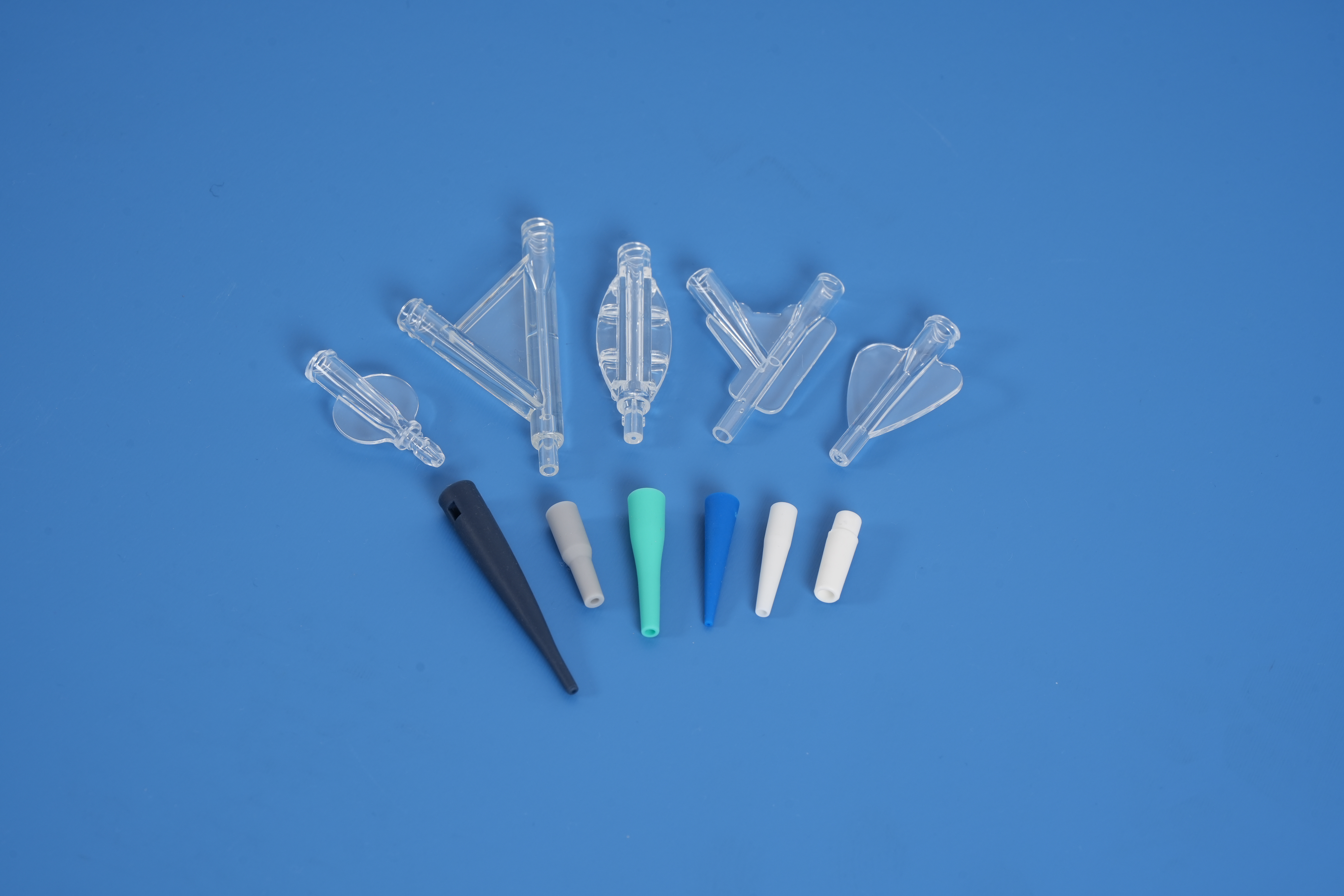
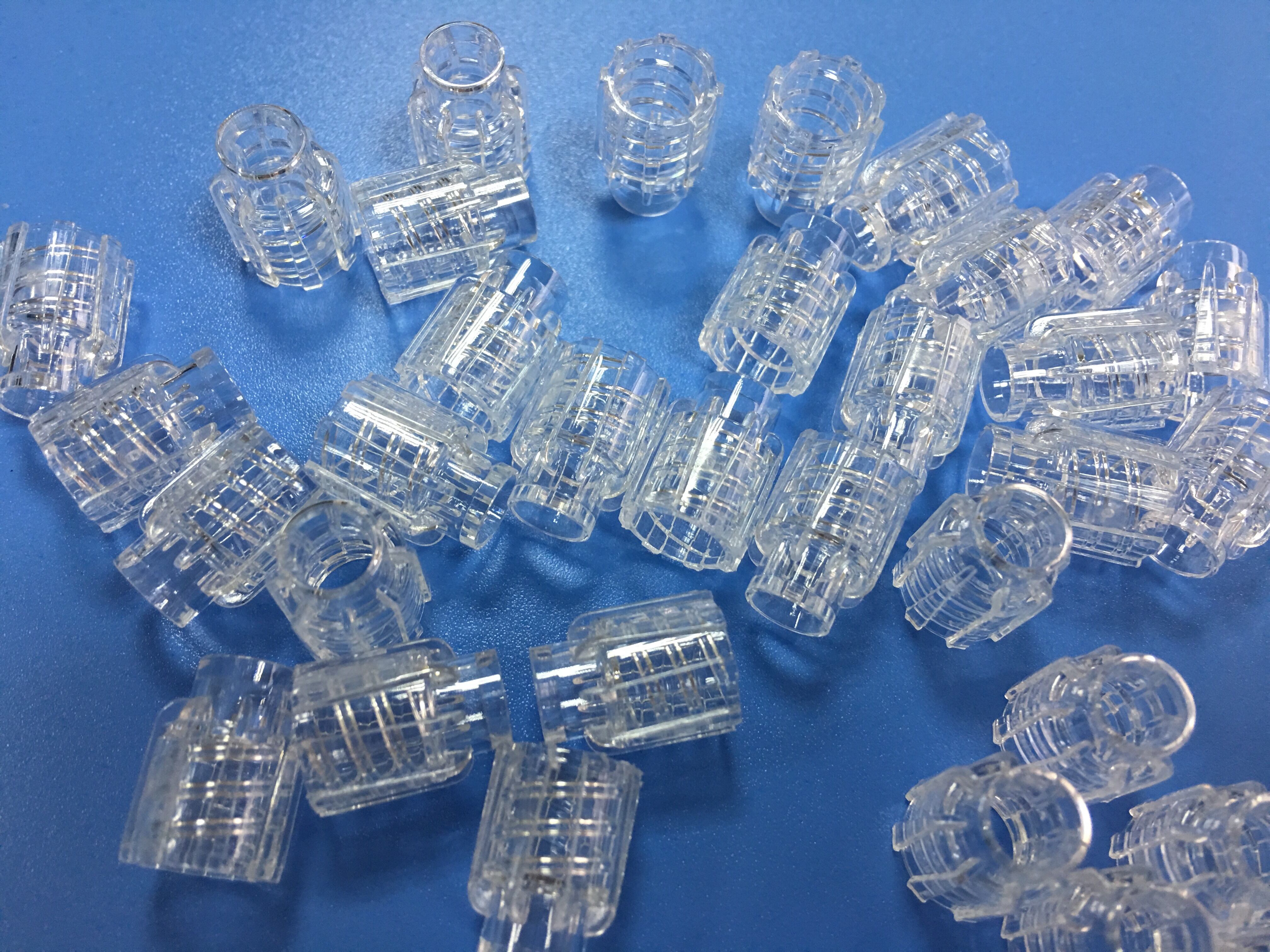
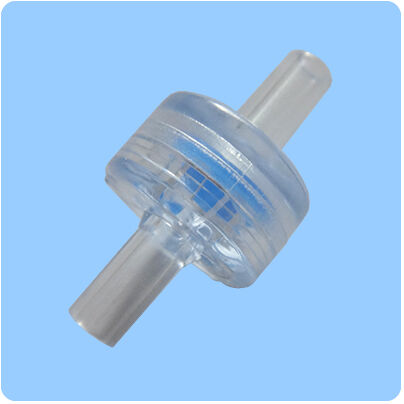
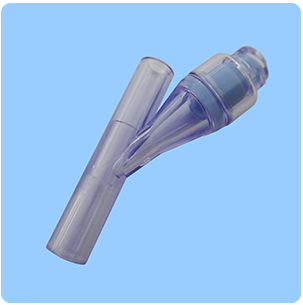
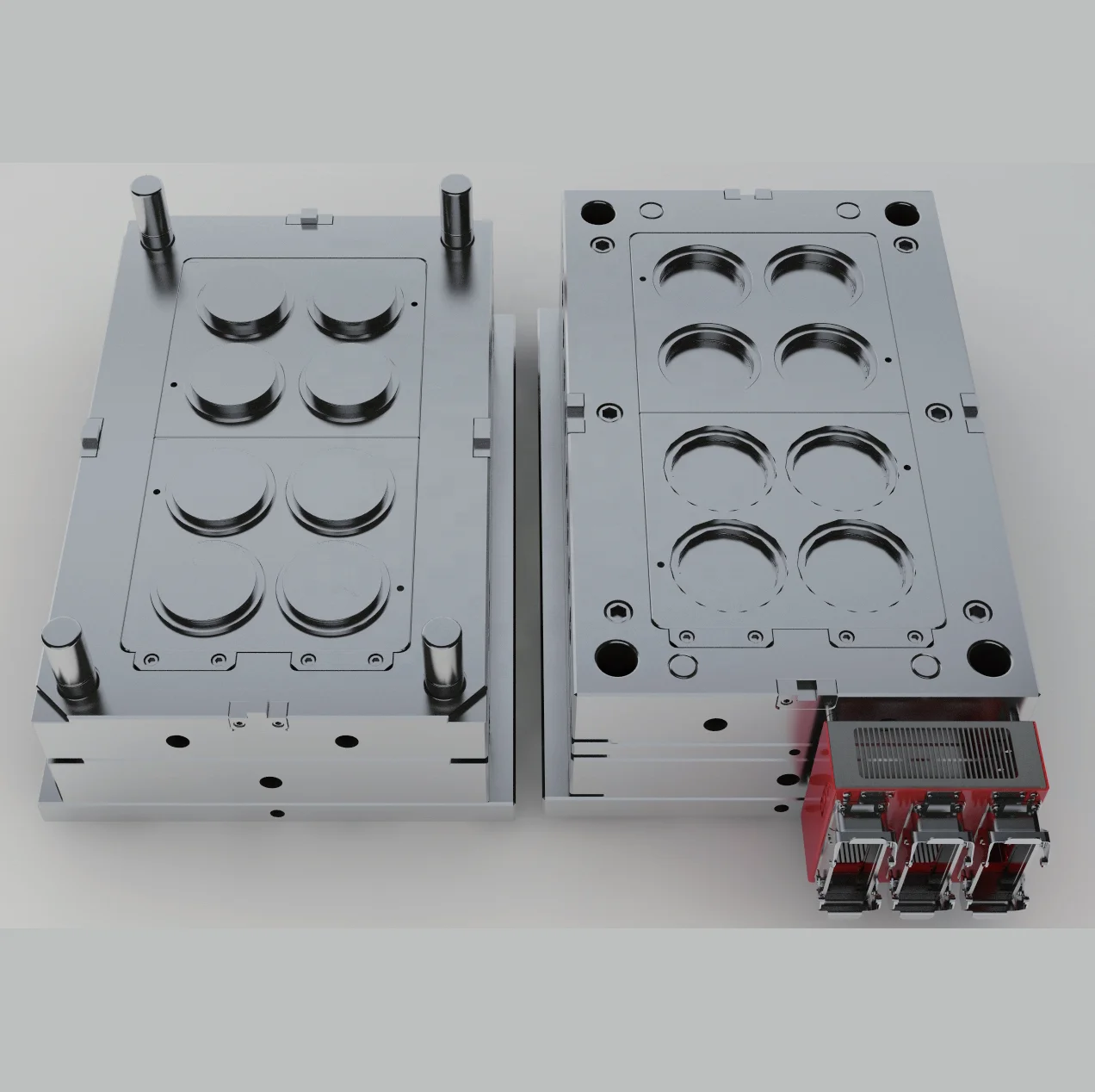
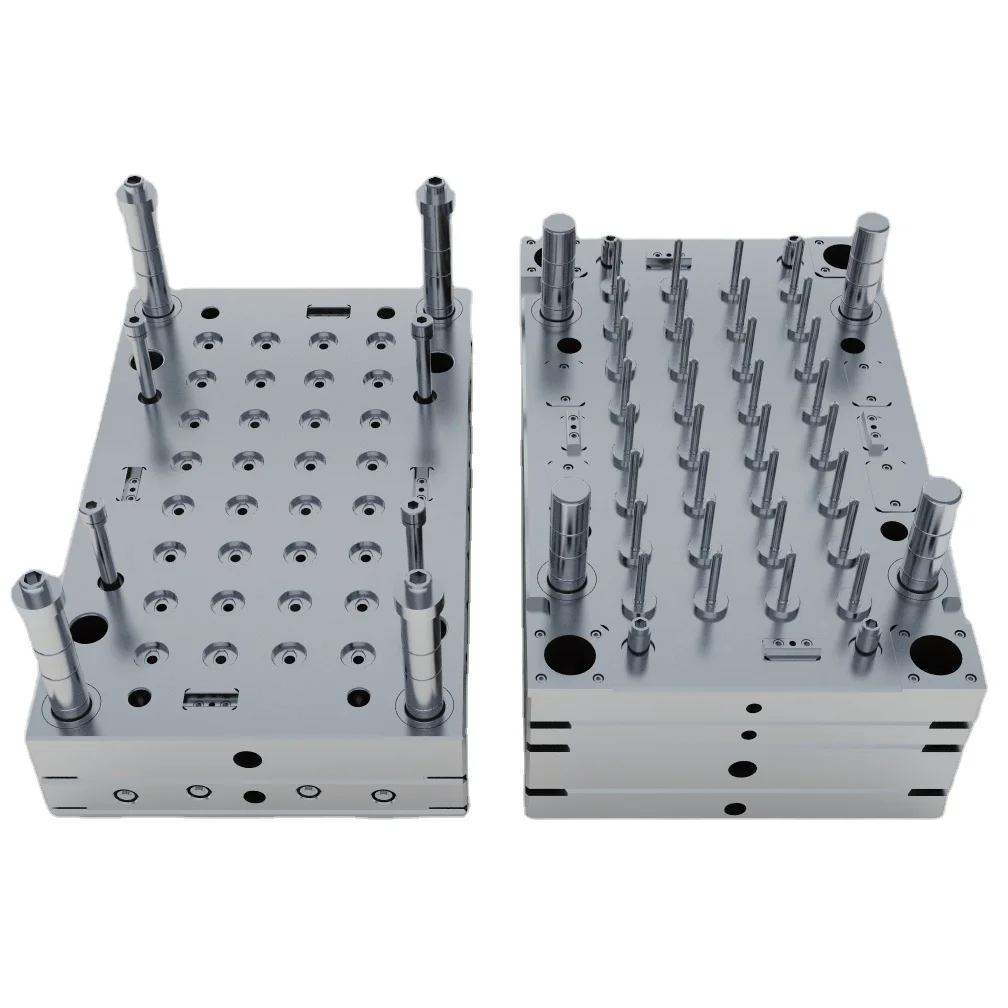
Medical plastic molding represents a sophisticated manufacturing process that has revolutionized the healthcare industry by producing precise, sterile, and reliable plastic components for medical devices and equipment. This specialized technique involves injecting molten plastic material into carefully designed molds to create parts that meet stringent regulatory standards and exacting specifications required in medical applications. The process encompasses various molding methods including injection molding, blow molding, extrusion, and thermoforming, each tailored to produce specific types of medical components. Medical plastic molding serves critical functions in creating everything from simple disposable items like syringes and tubing to complex implantable devices and diagnostic equipment housings. The technological features of medical plastic molding include advanced computer-aided design systems, cleanroom manufacturing environments, automated quality control processes, and material selection protocols that ensure biocompatibility and patient safety. Modern medical plastic molding facilities operate under strict regulatory compliance, adhering to ISO 13485 standards and FDA guidelines that govern medical device manufacturing. The process utilizes medical-grade polymers such as polycarbonate, polyethylene, polypropylene, and specialized thermoplastics that offer excellent chemical resistance, sterilization compatibility, and biological inertness. Applications of medical plastic molding span across multiple healthcare sectors including surgical instruments, diagnostic equipment, drug delivery systems, laboratory supplies, hospital furniture components, and wearable health monitoring devices. The versatility of medical plastic molding allows manufacturers to produce both high-volume disposable products and low-volume specialized components with equal precision and consistency. This manufacturing approach has become indispensable in modern healthcare delivery, enabling cost-effective production of essential medical supplies while maintaining the highest quality standards that patient safety demands in contemporary medical practice.
Medical plastic molding delivers substantial cost savings compared to traditional manufacturing methods by enabling mass production of components at significantly lower per-unit costs, making healthcare supplies more affordable and accessible to facilities worldwide. The process reduces material waste through precise injection techniques that use only the exact amount of plastic needed for each component, contributing to both economic efficiency and environmental sustainability. Production speed stands as another major benefit, as medical plastic molding can manufacture thousands of identical parts in a single day, ensuring consistent supply chains for hospitals and clinics that depend on reliable inventory of essential medical supplies. Quality consistency reaches exceptional levels through automated processes that eliminate human error and variability, ensuring every component meets identical specifications regardless of production batch or timing. The flexibility of medical plastic molding allows manufacturers to quickly adapt designs and switch between different product lines without extensive retooling, responding rapidly to changing healthcare needs and emerging medical technologies. Sterilization compatibility represents a crucial advantage, as molded medical plastics withstand various sterilization methods including autoclaving, gamma radiation, and ethylene oxide treatment without degrading or losing structural integrity. Material properties can be customized to meet specific application requirements, selecting polymers that offer desired characteristics such as transparency for visual inspection, flexibility for comfortable patient contact, or rigidity for structural support in medical equipment. The lightweight nature of plastic components reduces shipping costs and makes medical devices easier for healthcare professionals to handle during procedures, improving ergonomics and reducing physical strain. Medical plastic molding eliminates sharp edges and burrs through smooth mold surfaces, creating safer products that minimize risk of injury to patients and medical staff during use. Biocompatibility testing ensures that molded components do not trigger adverse reactions when in contact with human tissue or bodily fluids, providing peace of mind for both medical professionals and patients. The process supports complex geometries and intricate designs that would be difficult or impossible to achieve with metal fabrication or other manufacturing techniques, enabling innovative medical device concepts. Transparency options allow for visual monitoring of fluid levels, medication administration, and device function without opening sterile barriers, enhancing safety protocols in clinical settings. Color coding capabilities help prevent medical errors by enabling visual differentiation between different medication dosages, device sizes, or functional components through integrated pigmentation during the molding process. Long shelf life characterizes properly molded medical plastics, which resist degradation from environmental factors and maintain sterile barriers effectively over extended storage periods, reducing waste from expired inventory.

Latest News

Custom Injection Molding Tips for High-Quality Manufacturing

22

Oct

Custom Injection Molding Tips for High-Quality Manufacturing

Mastering the Art of Precision Manufacturing Through Injection Molding The manufacturing landscape continues to evolve, and custom injection molding stands at the forefront of modern production techniques. This sophisticated process has revolutionize...
View More
What Makes Top Injection Moulding Product Manufacturers Stand Out?

27

Nov

What Makes Top Injection Moulding Product Manufacturers Stand Out?

The manufacturing landscape has witnessed remarkable transformations over the past decades, with injection moulding emerging as one of the most critical production processes across multiple industries. From automotive components to medical devices, c...
View More
How Can Custom Mold and OEM Molding Improve Product Manufacturing Efficiency?

23

Dec

How Can Custom Mold and OEM Molding Improve Product Manufacturing Efficiency?

Manufacturing efficiency has become the cornerstone of competitive advantage in today's industrial landscape. Companies across various sectors are discovering that traditional manufacturing approaches often fall short of meeting modern demands for pr...
View More
What Applications Benefit Most from Custom Mold and OEM Molding Solutions?

23

Dec

What Applications Benefit Most from Custom Mold and OEM Molding Solutions?

Manufacturing industries across the globe rely heavily on precision components that meet exact specifications and performance standards. When standard off-the-shelf products cannot deliver the required functionality, companies turn to specialized man...
View More

Get a Free Quote

Our representative will contact you soon.
0/1000
Precision Engineering and Dimensional Accuracy for Critical Medical Applications

Precision Engineering and Dimensional Accuracy for Critical Medical Applications

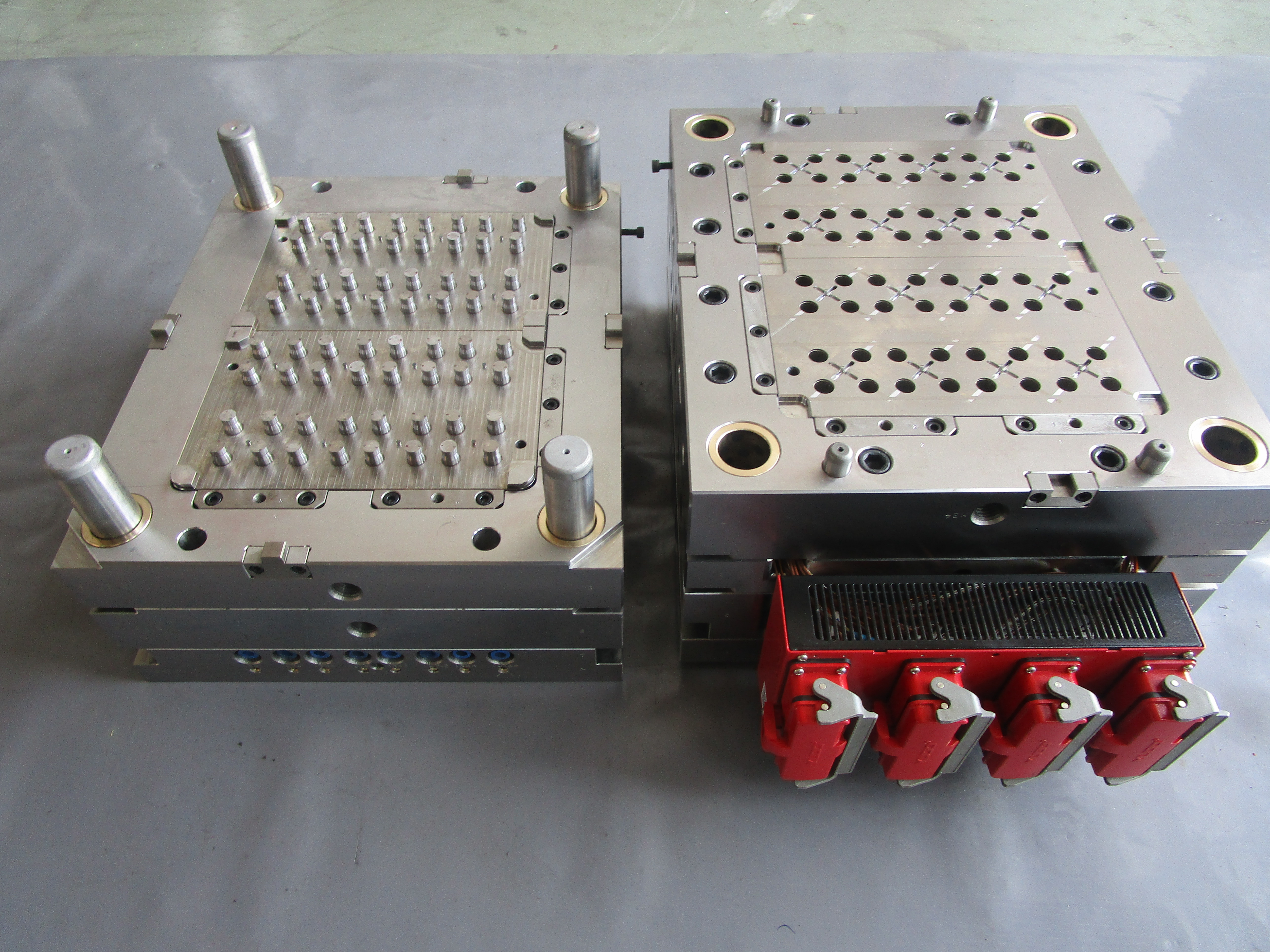
Medical plastic molding achieves extraordinary precision levels that prove essential for producing components used in life-saving medical devices and diagnostic equipment where dimensional accuracy directly impacts patient outcomes and device functionality. The manufacturing process utilizes computer numerical control systems and sophisticated mold design software that calculates material flow, cooling rates, and shrinkage factors to produce parts with tolerances measured in microns, ensuring perfect fit and function in complex medical assemblies. This precision becomes particularly critical when creating components for drug delivery systems where exact dosing depends on precisely molded channels, chambers, and valve mechanisms that must perform reliably under various conditions. Surgical instruments manufactured through medical plastic molding benefit from consistent dimensions that allow surgeons to work with confidence, knowing that each tool will perform identically regardless of which specific unit they select from sterilized inventory. Diagnostic equipment housings require exact specifications to accommodate sensitive electronic components and optical systems, with medical plastic molding providing the tight tolerances necessary to maintain proper alignment and protect delicate internal mechanisms from environmental factors. The precision of medical plastic molding extends to surface finish quality, producing smooth, non-porous surfaces that resist bacterial colonization and facilitate effective sterilization, contributing to infection control protocols in healthcare facilities. Mold cavity design incorporates advanced cooling channel configurations that ensure uniform temperature distribution throughout the molding cycle, preventing warpage and dimensional distortion that could compromise component performance. Quality assurance protocols include coordinate measuring machine verification, visual inspection systems, and statistical process control monitoring that continuously validates dimensional accuracy throughout production runs. This commitment to precision engineering means that medical facilities can rely on consistent component performance across different production batches and time periods, simplifying inventory management and reducing concerns about compatibility issues when replacing parts or restocking supplies. The dimensional stability of properly molded medical components ensures that assembled devices maintain their specifications throughout their intended service life, withstanding repeated sterilization cycles and normal handling without degradation of fit or function that could impact clinical effectiveness.
Regulatory Compliance and Quality Assurance Systems for Patient Safety

Regulatory Compliance and Quality Assurance Systems for Patient Safety

Medical plastic molding operates within comprehensive regulatory frameworks that prioritize patient safety through rigorous quality management systems, documentation protocols, and validation procedures that exceed requirements in most other manufacturing sectors. Production facilities maintain certification to ISO 13485 standards specifically designed for medical device manufacturers, implementing quality management systems that address every aspect of the manufacturing process from raw material receipt through final product release and post-market surveillance. FDA registration and compliance with 21 CFR Part 820 regulations ensure that medical plastic molding operations in the United States follow current Good Manufacturing Practice requirements, maintaining detailed batch records, implementing process validation studies, and conducting regular internal audits to verify continued compliance. Material traceability systems track every component back to specific resin lots, allowing rapid identification and recall of affected products should any quality issue emerge with particular raw material shipments, protecting patients and healthcare providers while demonstrating manufacturing accountability. Cleanroom environments classified according to ISO 14644 standards provide controlled atmospheric conditions that minimize particulate contamination during production of medical components, with air filtration systems, positive pressure differentials, and strict personnel protocols preventing introduction of contaminants that could compromise product sterility or safety. Biocompatibility testing following ISO 10993 standards evaluates potential biological responses to device materials through cytotoxicity studies, sensitization tests, and irritation assessments that ensure molded components will not cause adverse reactions when contacting patient tissue or bloodstream. Process validation demonstrates that manufacturing procedures consistently produce components meeting all predetermined specifications, with installation qualification, operational qualification, and performance qualification studies documenting equipment capabilities and process repeatability. Change control procedures ensure that any modifications to materials, processes, or equipment undergo thorough evaluation and approval before implementation, maintaining product consistency and preventing unintended consequences that could affect safety or efficacy. Supplier qualification programs extend quality assurance upstream to raw material providers, verifying that incoming resins meet medical-grade specifications and come from manufacturers operating under appropriate quality systems. This comprehensive approach to regulatory compliance and quality assurance provides healthcare organizations with confidence that medical plastic molding produces components meeting the highest safety standards.
Material Innovation and Specialized Polymer Selection for Healthcare Performance

Material Innovation and Specialized Polymer Selection for Healthcare Performance

Medical plastic molding leverages cutting-edge polymer science and material technology to provide healthcare applications with plastics engineered specifically for medical environments, offering properties unavailable in standard commodity resins used for general consumer products. Biocompatible polymers undergo extensive testing and certification to verify compatibility with human physiology, ensuring that materials used in implantable devices, surgical instruments, and patient contact applications will not trigger inflammatory responses, toxic reactions, or immunological complications that could harm patients. Chemical resistance characteristics allow molded medical components to withstand exposure to pharmaceuticals, disinfectants, bodily fluids, and cleaning agents without degradation, maintaining structural integrity and surface properties throughout repeated use cycles in demanding clinical environments. Sterilization-stable materials tolerate multiple exposure cycles to steam autoclaving at elevated temperatures, gamma radiation doses, or ethylene oxide treatment without yellowing, cracking, or loss of mechanical properties, supporting reusable device applications and extending product service life. Transparent medical-grade polymers such as polycarbonate and specialty acrylics provide optical clarity for applications requiring visual monitoring of fluids, medication levels, or internal device components while maintaining impact resistance and sterilization compatibility that standard transparent materials cannot match. Flexible thermoplastic elastomers offer soft-touch properties and comfortable patient contact surfaces for wearable devices, tubing, and seals while maintaining durability and cleanability necessary for medical applications. Antimicrobial additives can be incorporated into polymer formulations during medical plastic molding to provide inherent bacterial resistance that helps reduce healthcare-associated infection risks, particularly valuable for high-touch surfaces and frequently handled components. Radio-opaque materials containing barium sulfate or bismuth compounds enable X-ray visibility of molded components, allowing medical professionals to verify placement and positioning of devices during procedures without additional imaging agents. Flame-retardant formulations meet stringent flammability standards required for hospital environments where oxygen enrichment and electrical equipment create elevated fire risks, providing additional safety margins in critical care settings. Drug compatibility testing ensures that polymers used in medication delivery systems do not absorb, adsorb, or leach substances that could affect drug potency, stability, or patient exposure to unwanted extractables. This sophisticated approach to material selection and polymer engineering through medical plastic molding enables healthcare innovations that improve patient outcomes while meeting increasingly stringent performance and safety requirements.