Უმაღლესი ხარისხის კონტროლი და მუდმივი პროდუქტის სიმდგრადობა
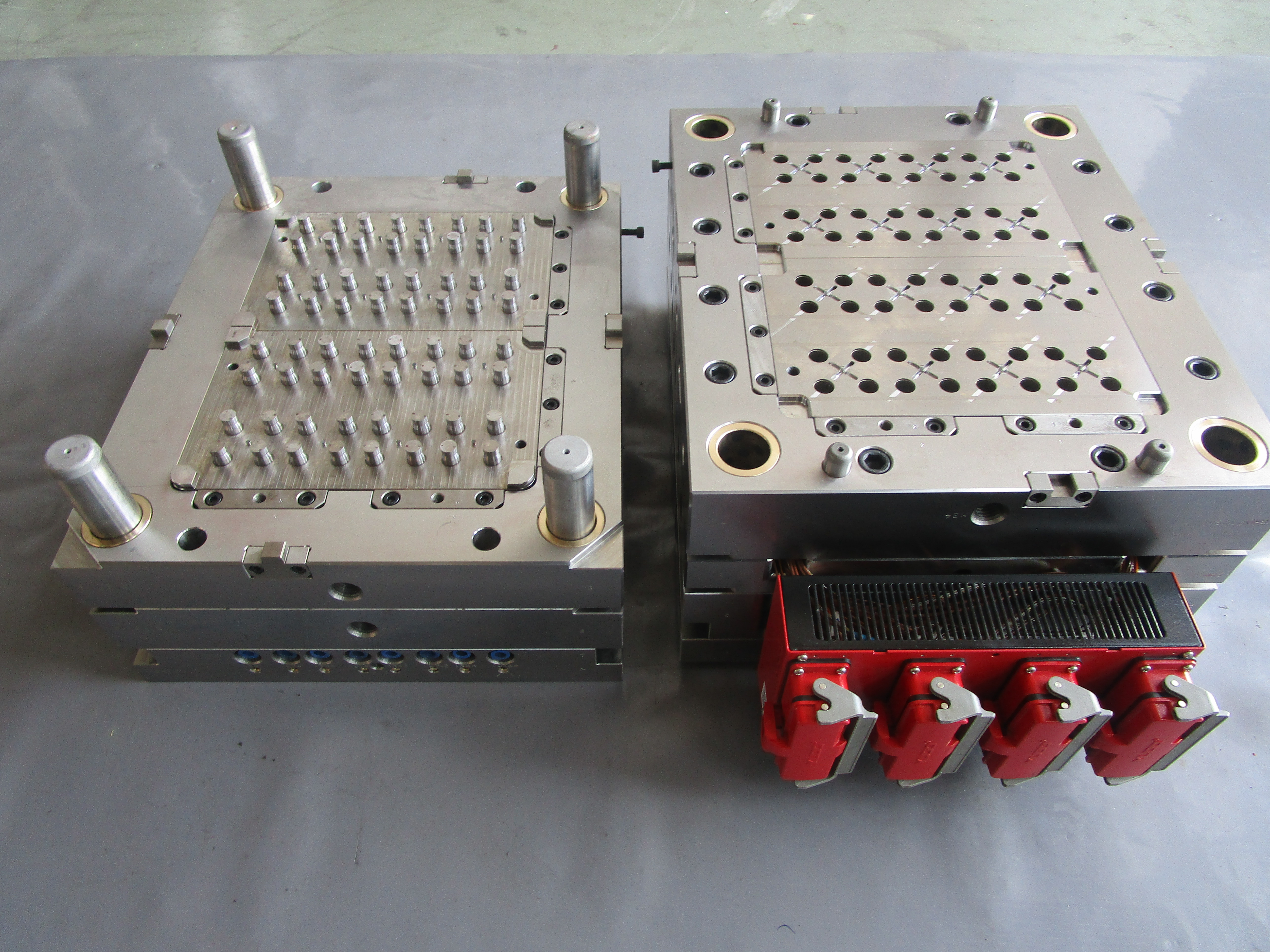
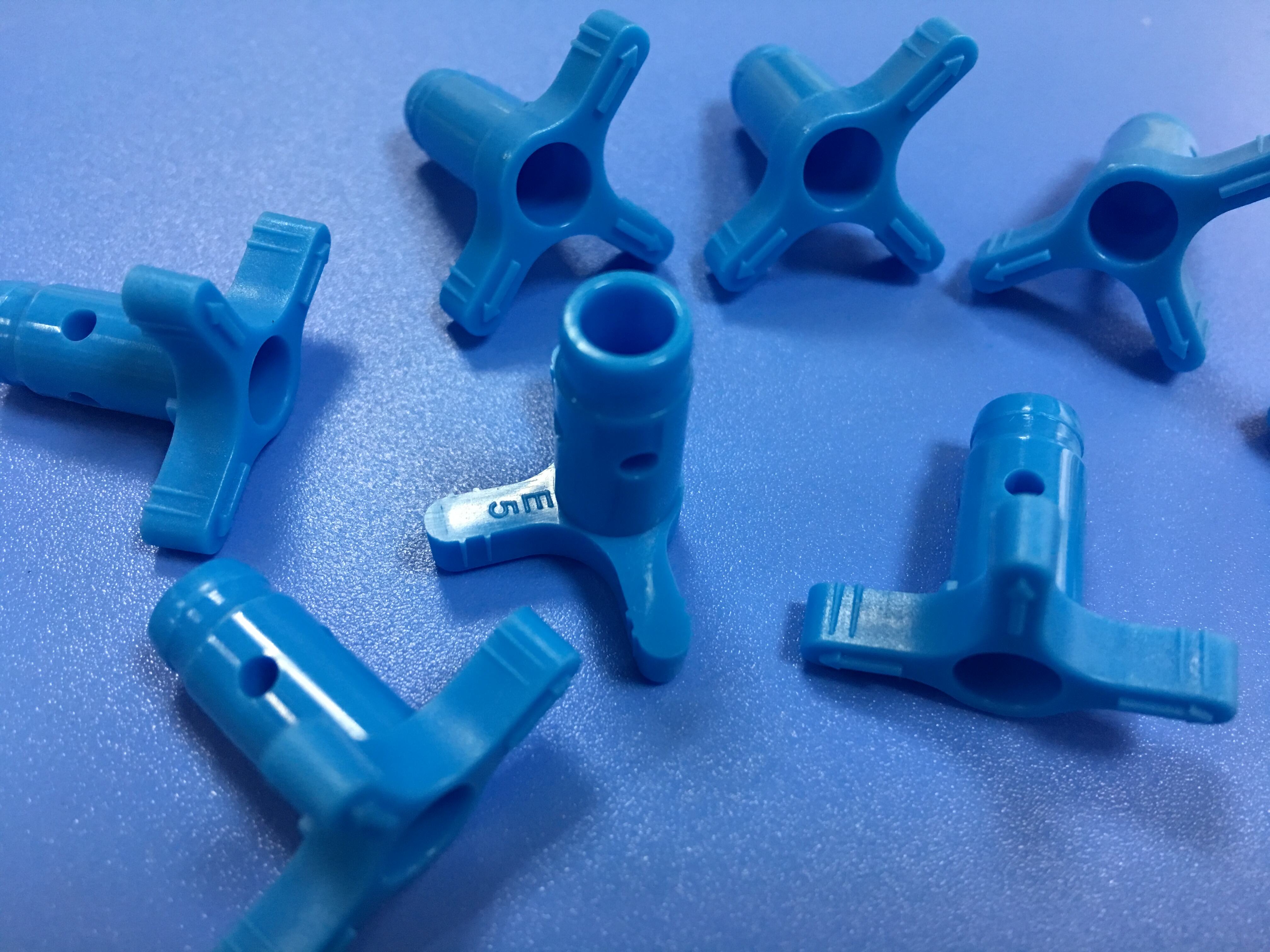
Ინექციური ფორმირების ბიზნესმა ჩამოაყალიბა მკაცრი ხარისხის სტანდარტები, რომლებიც უზრუნველყოფენ თითოეულ წარმოებულ კომპონენტს ზუსტი სპეციფიკაციების შესაბამისად და საიმედოდ იმოქმედებს მთელი მისი გამოყენების პერიოდის განმავლობაში. ეს ვალდებულება ხარისხის მიმართ იწყება პროცესის საფუძვლებით, სადაც კომპიუტერული მართვის მანქანები აკონტროლებენ და რეგულირებენ კრიტიკულ პარამეტრებს, როგორიცაა ტემპერატურა, წნევა, შეწოვის სიჩქარე და გაგრილების დრო რეალურ დროში თითო ინექციური ფორმირების ბიზნესში გამოყენებულია დახვეწილი სენსორები და უკუკავშირის სისტემები, რომლებიც აღნიშნავს ცვლილებებს მანამ, სანამ ისინი გამოწვეული იქნება დეფექტური ნაწილებით, რაც ავტომატურად ახდენს კორექციებს ოპტიმალური პირობების შესანარჩუნებლად. პროცესის კონტროლის ეს დონე იძლევა თანმიმდევრულობას, რომელსაც ხელით წარმოების მეთოდები უბრალოდ ვერ შეესაბამება. ზომების სიზუსტე შენარჩუნებულია მილიონობით საწარმოო ციკლის განმავლობაში ინჩილის ათასიან ნაწილში გაზომული ტოლერანტებთან. ხარისხის უზრუნველყოფა ინექციური ფორმირების ბიზნესში ვრცელდება პროცესის მონიტორინგის მიღმა, მოიცავს ვრცელი ვალიდაციის პროტოკოლებს, რომლებიც ადასტურებენ მასალის თვისებებს, ფორმის შესრულებას და დასრულებული ნაწილის მახასიათებლებს წარმოების დაწყებამდე. მასალის სერტიფიცირება უზრუნველყოფს, რომ შემოსული პლასტმასის ხავერდები აკმაყოფილებენ სპეციფიკაციებს მექანიკური თვისებების, ქიმიური წინააღმდეგობისა და რეგულაციების შესაბამისობის მოთხოვნების შესახებ, რომლებიც სპეციფიურია თითოეული გამოყენებისათვის. ინექციური ფორმირების ბიზნესი ინარჩუნებს დეტალურ დოკუმენტაციას, რომელიც იკვლევს ყველა მასალის პარტიას და წარმოების სვლას, რაც უზრუნველყოფს სრულად მიკვლევადობას, რაც უძვირფასესია რეგულირებადი ინდუსტრიებისთვის, როგორიცაა სამედიცინო მოწყობილ სტატისტიკური პროცესების კონტროლის მეთოდები საშუალებას აძლევს ინექციური ფორმირების ბიზნესს, რომ გამოავლინოს ტენდენციები და პოტენციური პრობლემები, სანამ ისინი გავლენას მოახდენენ პროდუქტის ხარისხზე, მონაცემთა ანალიტიკის გამოყენებით, შედეგიანობის ოპტიმი ზომის შემოწმება კოორდინატების საზომი მანქანებით, ოპტიკური შედარებით და ავტომატიზებული ხედვის სისტემებით ადასტურებს, რომ დასრულებული ნაწილები შეესაბამება საინჟინრო ნახაზებს და ფუნქციონალურ მოთხოვნებს. ინექციური ფორმირების ბიზნესი ასევე ატარებს მასალების გამოცდას, მათ შორის ძაბვის გამძლეობას, დარტყმის წინააღმდეგობას და გარემოს ექსპოზიციის სიმულაციებს, რათა დაადასტუროს პროდუქტების შესრულება რეალური გამოყენების პირობებში. ფორმის შენარჩუნების პროგრამები ინექციური ფორმირების ბიზნესში უზრუნველყოფს ინსტრუმენტების ოპტიმალურ მდგომარეობაში დარჩენას, რეგულარული გაწმენდით, ინსპექტირებითა და რემონტით, რომლებიც ხელს უშლის აცვივებასთან დაკავშირებულ ხარისხის დეგრადაცი სუფთა ოთახის გარემოს მგრძნობიარე გამოყენებისათვის აჩვენებს, თუ როგორ ადაპტირებს ინექციური ფორმირების ბიზნესი ხარისხის კონტროლის ზომებს სპეციფიკური ინდუსტრიის მოთხოვნების დასაკმაყოფილებლად, სამედიცინო მოწყობილობების წარმოებიდან ელექტრონული საერთაშორისო ხარისხის სტანდარტების სერტიფიცირება, როგორიცაა ISO 9001, უზრუნველყოფს ინექციური ფორმირების ბიზნესის ვალდებულების გარე ვალიდაციას სისტემატური ხარისხის მართვისა და მუდმივი გაუმჯობესების მიმართ. მომხმარებლის სპეციფიკური ხარისხის მოთხოვნები შეუფერხებლად ინტეგრირებულია წარმოების პროტოკოლებში, რაც უზრუნველყოფს ინექციური ფორმირების ბიზნესის პროდუქციის მიწოდებას, რომელიც აკმაყოფილებს როგორც ზოგად სტანდარტებს, ასევე უნიკალურ მოთხოვნებს.

 EN
EN