Acrylic Injection Molding: Precision Manufacturing Solutions for Transparent Components

Get a Quote
Get a Quote

acrylic injection molding

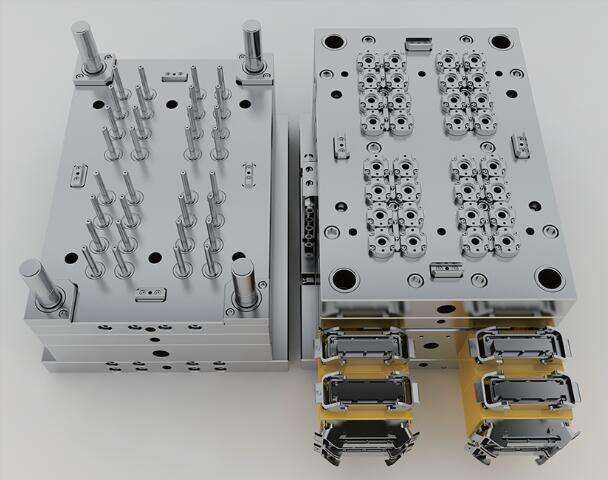
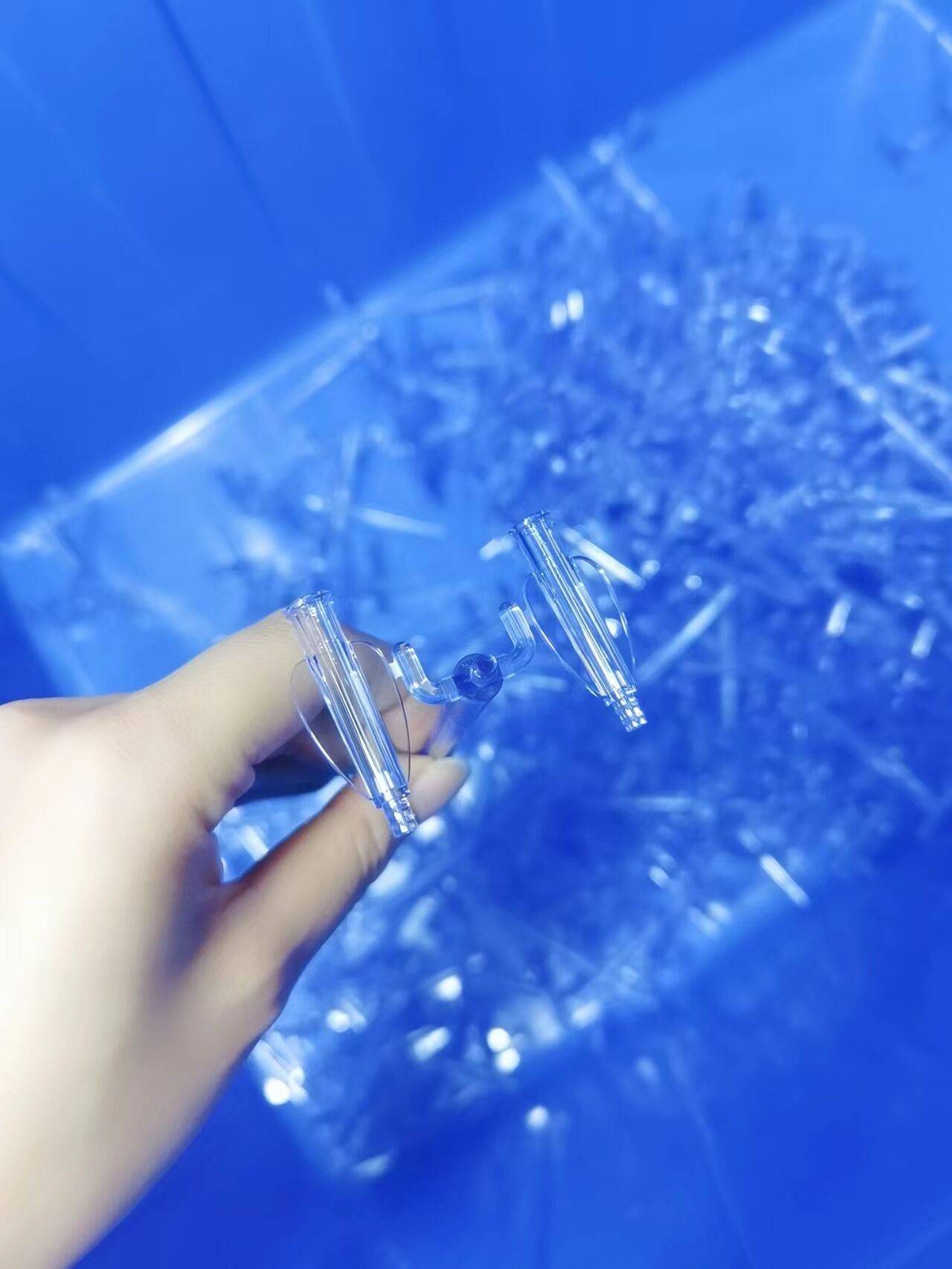
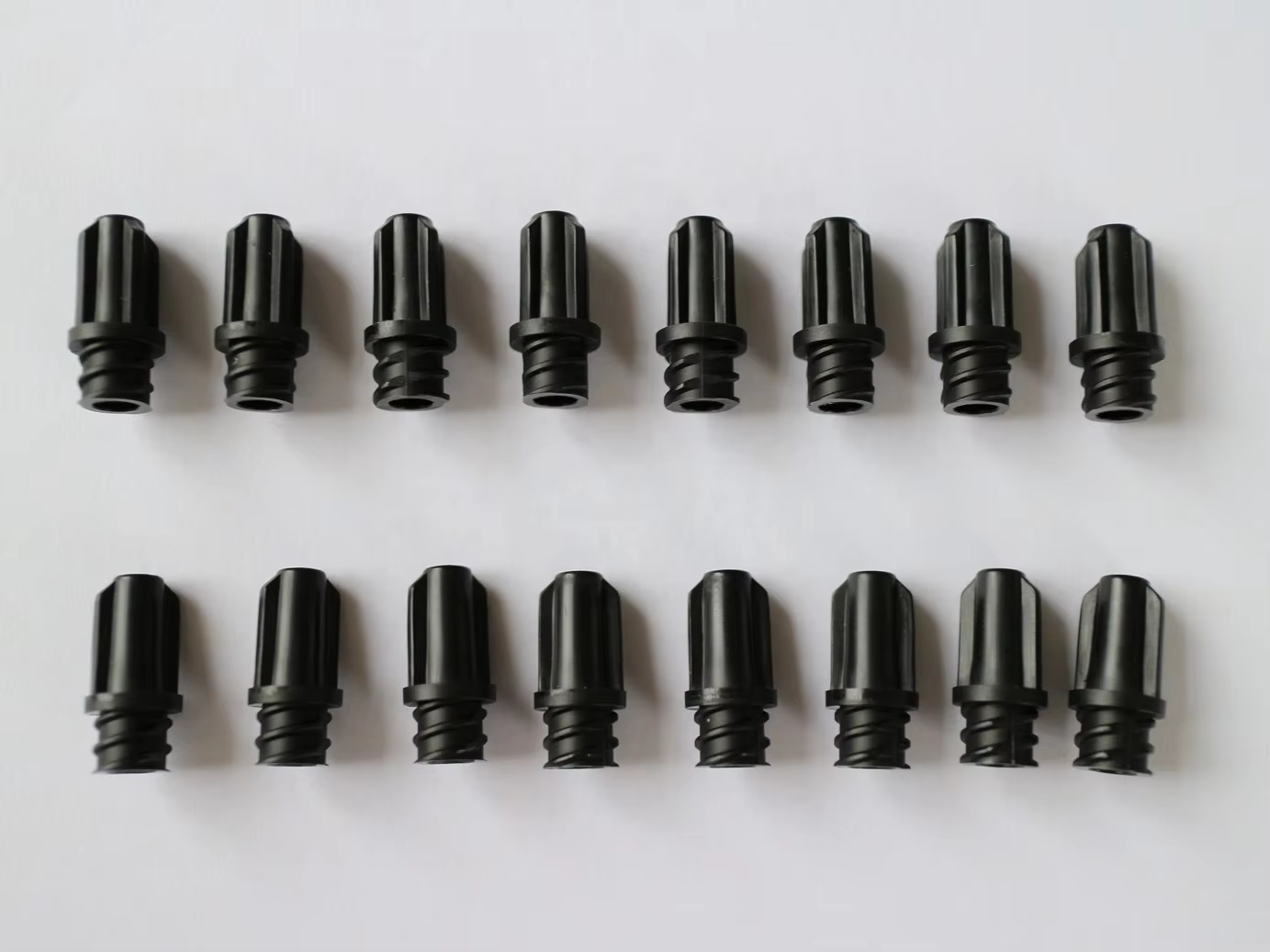
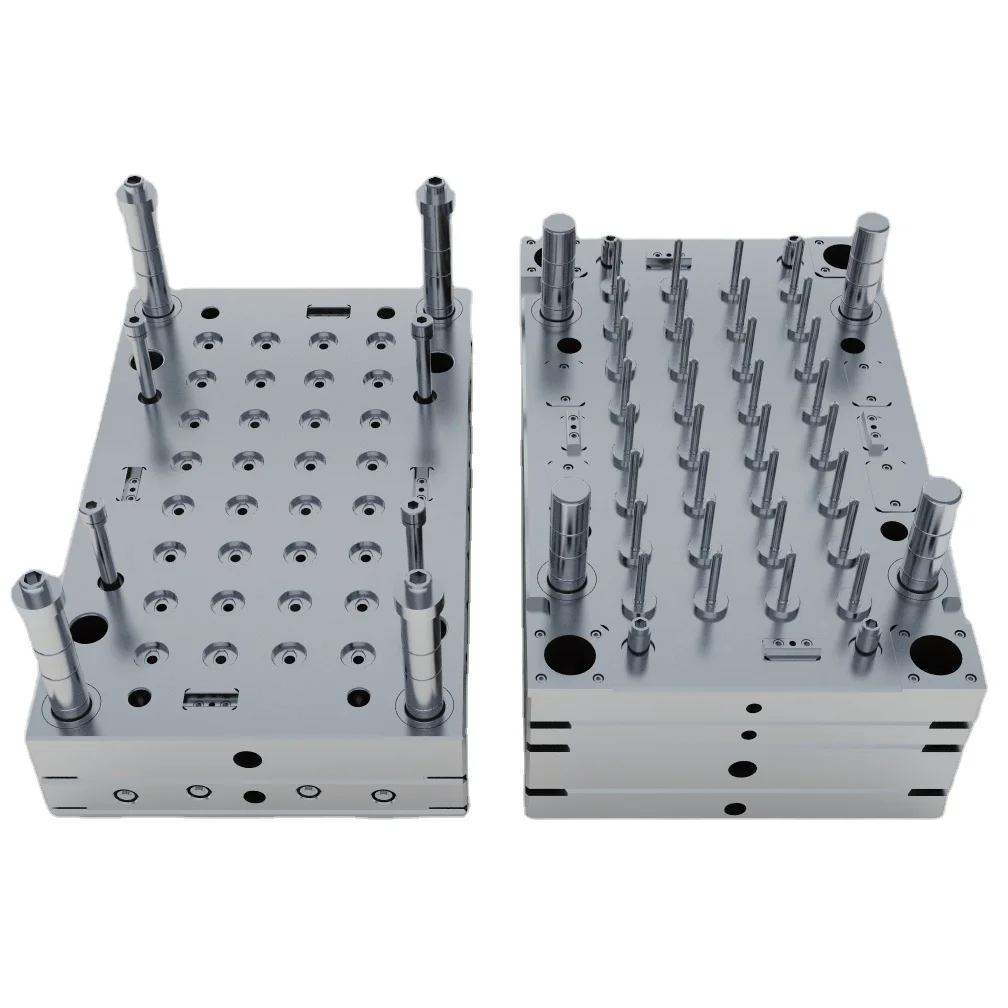
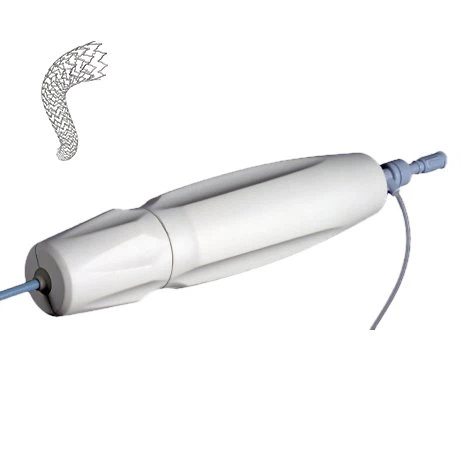
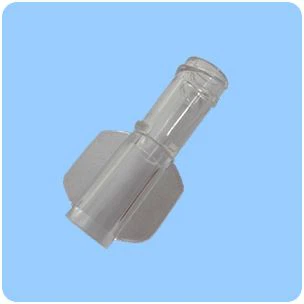
Acrylic injection molding represents a sophisticated manufacturing process that transforms acrylic resin into precise, high-quality plastic components through controlled heating and pressure application. This process involves melting acrylic pellets at optimal temperatures and injecting the molten material into custom-designed molds under high pressure, where it cools and solidifies into the desired shape. The technology serves as a cornerstone method for producing transparent, durable products across numerous industries. The main functions of acrylic injection molding include creating complex geometries with exceptional dimensional accuracy, producing components with superior optical clarity, and manufacturing parts that exhibit excellent weather resistance and mechanical strength. The process enables manufacturers to achieve consistent quality across large production volumes while maintaining tight tolerances and smooth surface finishes. Technological features of this manufacturing method encompass advanced temperature control systems that prevent material degradation, precision injection mechanisms that ensure uniform material distribution, and sophisticated cooling systems that minimize internal stress and warping. Modern acrylic injection molding equipment incorporates computer-controlled parameters that monitor injection speed, pressure profiles, and cooling rates to optimize part quality. The applications of acrylic injection molding span diverse sectors including automotive lighting components, medical device housings, consumer electronics displays, architectural elements, and safety equipment. Automotive manufacturers utilize this process for headlight lenses and dashboard components that require clarity and impact resistance. The medical industry relies on acrylic injection molding for diagnostic equipment covers and laboratory instrument parts that demand optical precision and chemical resistance. Consumer goods manufacturers employ this technique for creating cosmetic packaging, electronic device screens, and decorative items that showcase acrylic's aesthetic appeal and durability.
Acrylic injection molding delivers remarkable cost efficiency for businesses seeking to produce high-quality plastic components at scale. The process allows manufacturers to create thousands or even millions of identical parts from a single mold, dramatically reducing the per-unit production cost as volume increases. This economy of scale makes the technology particularly attractive for companies planning medium to large production runs. The initial investment in mold creation pays for itself quickly when spread across substantial quantities, offering long-term financial benefits that improve profit margins and competitive positioning. The superior optical clarity achieved through acrylic injection molding stands as one of its most compelling advantages. Parts produced through this method exhibit light transmission properties comparable to glass, reaching up to ninety-two percent transparency. This crystal-clear finish eliminates the need for secondary polishing operations in many applications, saving both time and money while ensuring consistent visual quality. Products maintain their clarity throughout their service life, resisting yellowing and cloudiness that affect inferior materials. The exceptional durability of injection-molded acrylic components ensures products withstand demanding environmental conditions and physical stress. These parts resist scratching better than many alternative plastics, maintaining their appearance and functionality over extended periods. The material naturally withstands ultraviolet radiation without significant degradation, making it ideal for outdoor applications where sun exposure would damage other plastics. This weather resistance translates to longer product lifecycles and reduced replacement costs for end users. Design flexibility represents another significant advantage, as acrylic injection molding accommodates intricate shapes, fine details, and complex geometries that would be difficult or impossible to achieve through other manufacturing methods. Engineers can incorporate functional features such as snap fits, living hinges, and textured surfaces directly into the molded part, eliminating assembly steps and reducing overall production complexity. The process supports various surface finishes from high gloss to matte, allowing brands to achieve their desired aesthetic without additional processing. Production speed gives businesses a competitive edge by enabling rapid turnaround from order to delivery. Once the mold is prepared, individual parts can be produced in cycles lasting just seconds to minutes, depending on size and complexity. This rapid production capability helps companies respond quickly to market demands, reduce inventory carrying costs, and improve cash flow through faster order fulfillment. The consistency and repeatability of acrylic injection molding ensure every part meets exact specifications, minimizing defects and reducing waste. Automated quality control integrated into modern equipment catches variations before they become costly problems, maintaining high standards across entire production runs.

Tips And Tricks

Why Custom Injection Molding Is Ideal for Precision Parts

22

Oct

Why Custom Injection Molding Is Ideal for Precision Parts

The Evolution of Modern Manufacturing Through Custom Molding Solutions In today's advanced manufacturing landscape, precision and consistency are paramount. Custom injection molding has emerged as a cornerstone technology that enables manufacturers t...
View More
What Sets a Leading Injection Manufacturer Apart?

27

Nov

What Sets a Leading Injection Manufacturer Apart?

The manufacturing landscape for injection molding has evolved dramatically over the past decade, with companies facing increasing demands for precision, efficiency, and cost-effectiveness. As industries ranging from automotive to medical devices requ...
View More
What Should Companies Consider When Ordering Custom Mold and OEM Molding Services?

23

Dec

What Should Companies Consider When Ordering Custom Mold and OEM Molding Services?

Manufacturing companies across industries increasingly rely on custom mold solutions to create precise, high-quality components that meet their specific requirements. The decision to invest in custom mold fabrication represents a significant strategi...
View More
How Do You Evaluate a Supplier for Custom Mold and OEM Molding Projects?

23

Dec

How Do You Evaluate a Supplier for Custom Mold and OEM Molding Projects?

Selecting the right supplier for your custom mold and OEM molding projects represents one of the most critical decisions in manufacturing. The success of your product development, production timelines, and overall profitability directly depends on pa...
View More

Get a Free Quote

Our representative will contact you soon.
0/1000
Exceptional Material Properties for Demanding Applications

Exceptional Material Properties for Demanding Applications

Acrylic injection molding produces components with a unique combination of physical and chemical properties that make them suitable for challenging applications across multiple industries. The process creates parts with outstanding impact resistance, offering strength that exceeds ordinary glass while weighing significantly less. This combination of toughness and light weight proves invaluable in applications ranging from protective barriers to transportation components where weight reduction improves fuel efficiency without compromising safety. The material maintains its structural integrity across a wide temperature range, performing reliably in both cold environments and moderate heat conditions without becoming brittle or deforming. Chemical resistance represents another crucial property, as acrylic injection molding produces parts that withstand exposure to many common chemicals, cleaning agents, and environmental contaminants. This resistance ensures products maintain their appearance and functionality even in harsh industrial settings or outdoor installations where chemical exposure is inevitable. The non-porous surface created during the molding process prevents absorption of liquids and contaminants, making components easy to clean and maintain hygiene standards critical in medical and food service applications. The dimensional stability of injection-molded acrylic parts ensures they maintain precise measurements throughout their service life. Unlike some materials that shrink, swell, or warp with humidity changes or temperature fluctuations, properly molded acrylic components retain their shape and tolerances. This stability is essential for assemblies requiring tight fits or optical applications where even minor distortions would compromise performance. Manufacturers can specify exact dimensions with confidence, knowing parts will arrive and remain within tolerance throughout their useful life. The electrical insulation properties of acrylic injection molding make it valuable for electronic housings and components requiring protection from electrical interference or conductivity. The material naturally resists electrical current flow while providing physical protection for sensitive circuits and components. This combination of electrical insulation and optical clarity creates unique opportunities for products requiring visual inspection of electronic systems while maintaining safety standards. Additionally, acrylic injection molding enables precise color matching and consistency, allowing brands to maintain visual identity across product lines and production batches, which strengthens brand recognition and customer loyalty.
Environmental Sustainability and Resource Efficiency

Environmental Sustainability and Resource Efficiency

Acrylic injection molding aligns with modern environmental responsibility goals through multiple sustainability advantages that benefit both manufacturers and end users. The process generates minimal material waste compared to subtractive manufacturing methods, as the injection system delivers precisely the amount of material needed to fill the mold cavity with minimal excess. Any sprues, runners, or rejected parts can be ground and reprocessed into new raw material, creating a closed-loop system that maximizes resource utilization and reduces landfill contributions. This recyclability extends throughout the product lifecycle, as acrylic components can be collected and reprocessed at end of life rather than becoming permanent waste. The energy efficiency of modern acrylic injection molding equipment has improved dramatically with technological advances in heating systems, hydraulic controls, and process optimization. Contemporary machines use significantly less electricity per part than older equipment, reducing both operational costs and carbon footprints. Manufacturers can demonstrate environmental commitment to customers and stakeholders while improving bottom-line profitability through reduced utility expenses. The combination of lower energy consumption and material efficiency makes acrylic injection molding an environmentally responsible choice for conscious businesses. The longevity of products made through acrylic injection molding contributes to sustainability by reducing replacement frequency and the associated environmental impacts of manufacturing, shipping, and disposing of short-lived alternatives. Components that maintain clarity, strength, and appearance for years or decades reduce the total environmental burden compared to products requiring frequent replacement. This durability delivers value to customers through lower lifetime costs while supporting corporate sustainability initiatives and meeting increasingly stringent environmental regulations. Water conservation represents another environmental benefit, as acrylic injection molding requires minimal water usage compared to some alternative manufacturing processes. Closed-loop cooling systems recirculate water efficiently, and the process itself does not require water as a primary input or generate water-based waste streams requiring treatment. This efficiency proves particularly valuable in regions facing water scarcity or where water treatment infrastructure is limited. The ability to produce parts locally through acrylic injection molding reduces transportation-related emissions and supply chain complexity. Companies can establish regional manufacturing facilities that serve local markets, minimizing the environmental impact and cost of shipping finished goods across continents. This localization also improves supply chain resilience and enables faster response to customer needs, creating competitive advantages beyond environmental benefits.
Advanced Customization and Innovation Opportunities

Advanced Customization and Innovation Opportunities

Acrylic injection molding unlocks extensive customization possibilities that empower businesses to differentiate their products and meet specific customer requirements with precision. The technology supports intricate design features including variable wall thickness, undercuts, threads, and complex internal geometries that would challenge other manufacturing methods. Designers can optimize parts for specific performance criteria, adding reinforcement ribs for strength where needed while minimizing material use in less critical areas. This design freedom enables innovation in product functionality and aesthetics that creates competitive advantages in crowded markets. The process accommodates multiple finishing options integrated directly into the molding operation, including textures, patterns, and surface treatments that enhance grip, visual appeal, or light diffusion properties. Manufacturers can create parts with glossy surfaces for premium aesthetics or matte finishes for reduced glare in optical applications. Texturing can be incorporated into specific areas while maintaining smooth surfaces elsewhere, all within a single molding cycle. This capability eliminates secondary operations and the associated costs while ensuring consistent quality across all surface treatments. Color customization through acrylic injection molding offers brands precise control over product appearance to match corporate identities or market preferences. Pigments can be mixed into the base resin to create virtually any color, from subtle tints to bold, saturated hues. Special effect additives enable metallic finishes, pearlescent surfaces, or fluorescent properties without painting or coating. Color is integral to the material rather than applied afterward, ensuring it will not chip, peel, or fade with normal use. This permanence maintains product appearance throughout its lifecycle, preserving brand image and customer satisfaction. Insert molding capabilities expand design possibilities by allowing metal components, electronics, or other materials to be encapsulated directly within the acrylic part during the injection process. This technique creates hybrid components that combine the strengths of different materials while reducing assembly requirements and improving reliability by eliminating mechanical fasteners. Applications include incorporating threaded metal inserts for strong attachment points, embedding sensors or circuits for smart products, or combining materials with complementary properties for optimized performance. Multi-shot or overmolding techniques take customization further by injecting different materials or colors in sequential operations to create complex parts with varied properties in different zones. This advanced approach enables products with soft-touch grip areas on rigid structures, colored accents without painting, or transparent windows in opaque housings, all in a single integrated component that reduces assembly complexity and improves reliability.