Advanced Plastic Injection Molding Solutions: Precision Manufacturing for Modern Industries

Get a Quote
Get a Quote

plastic injection molding products

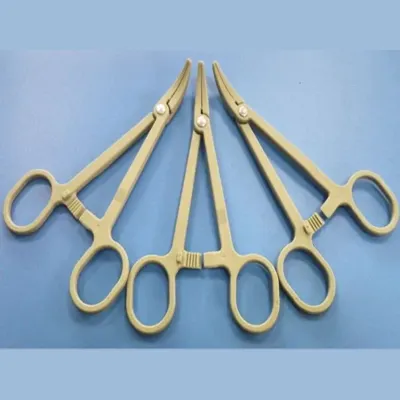
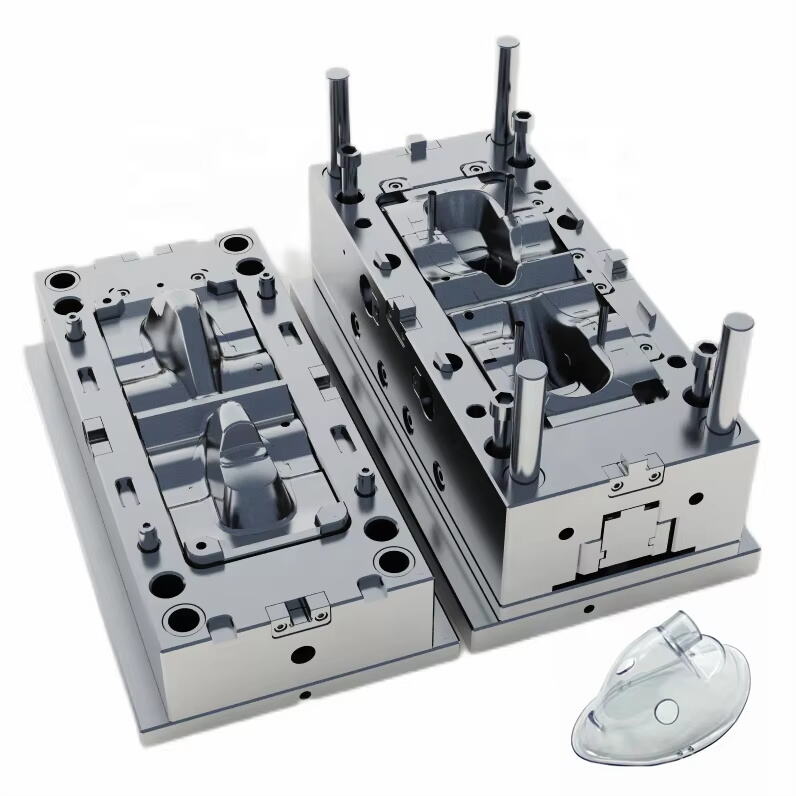
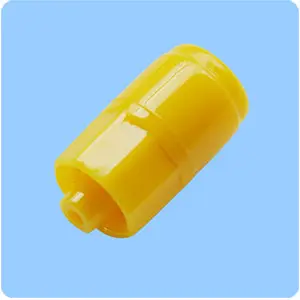
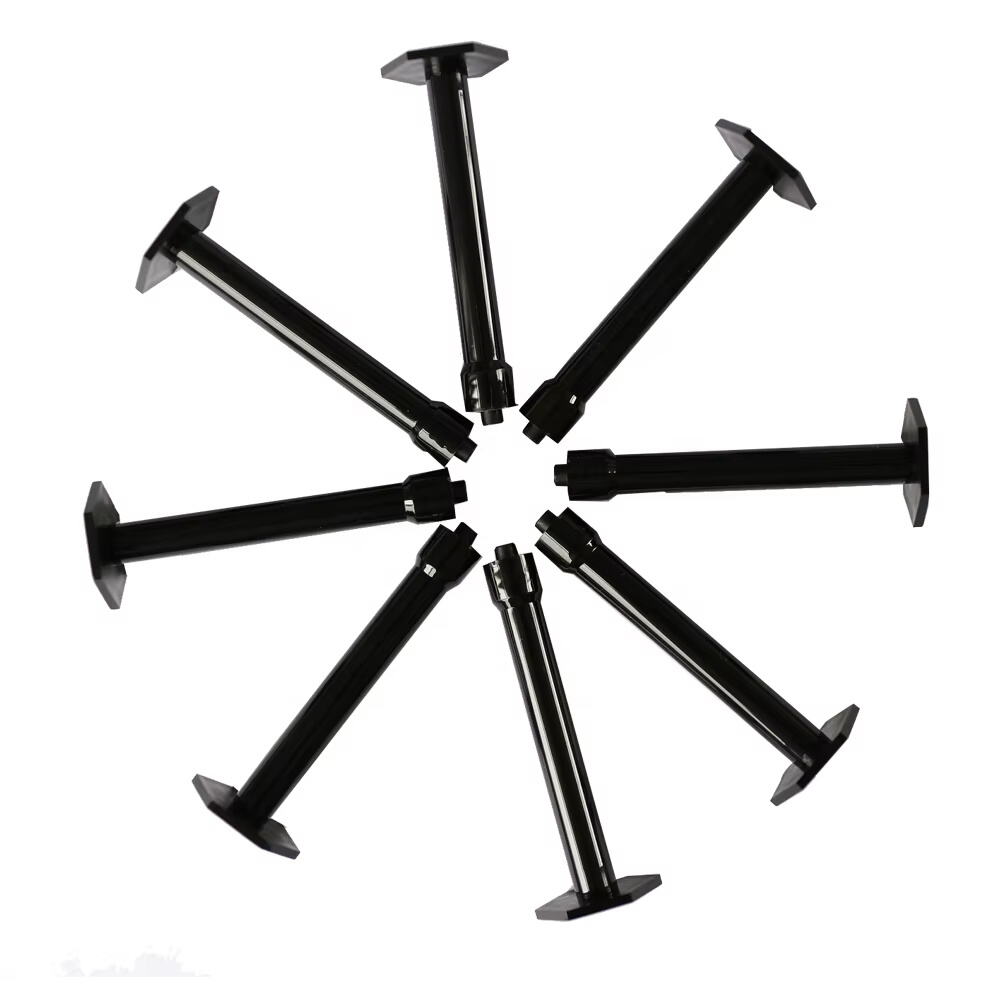
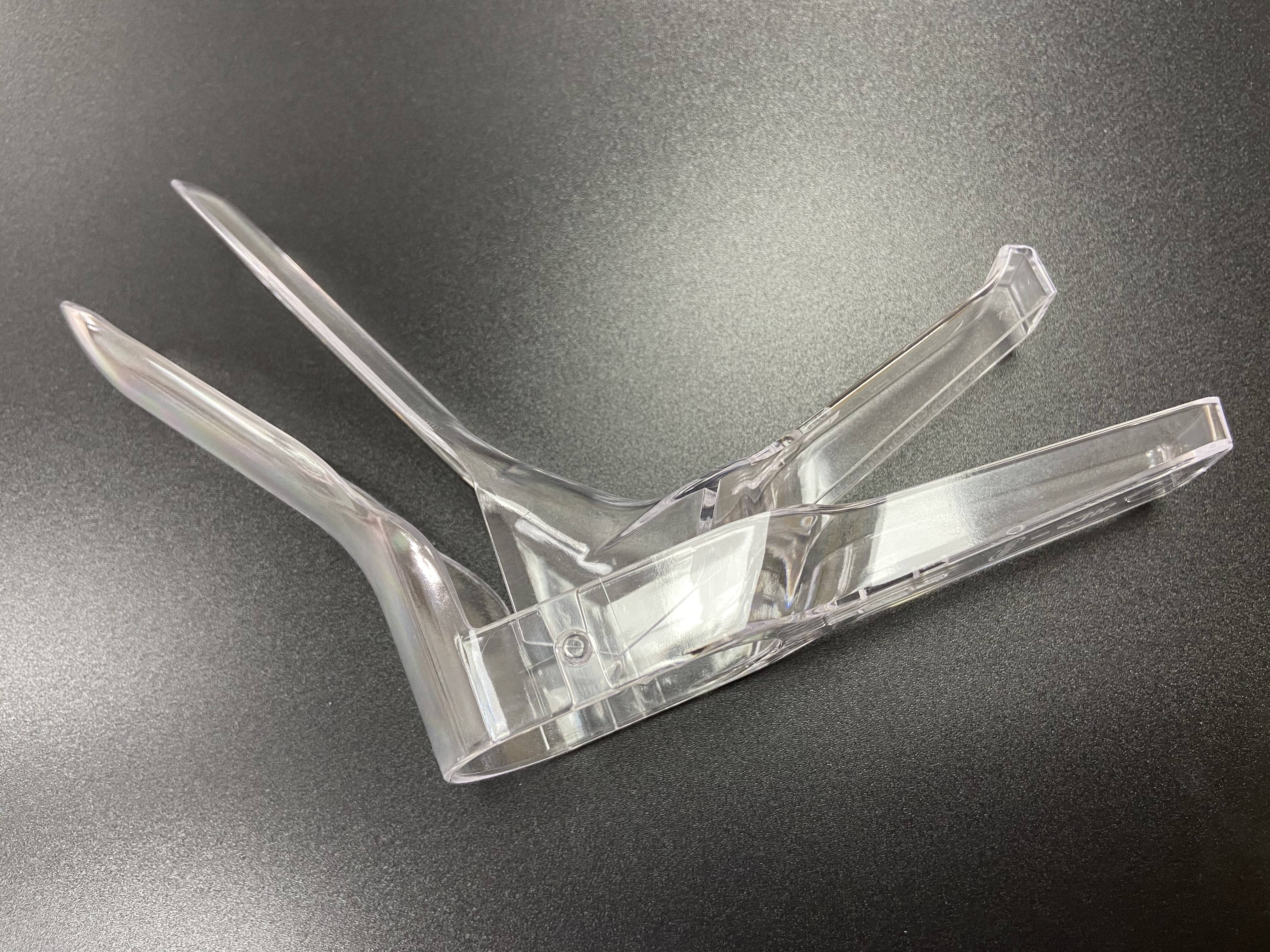
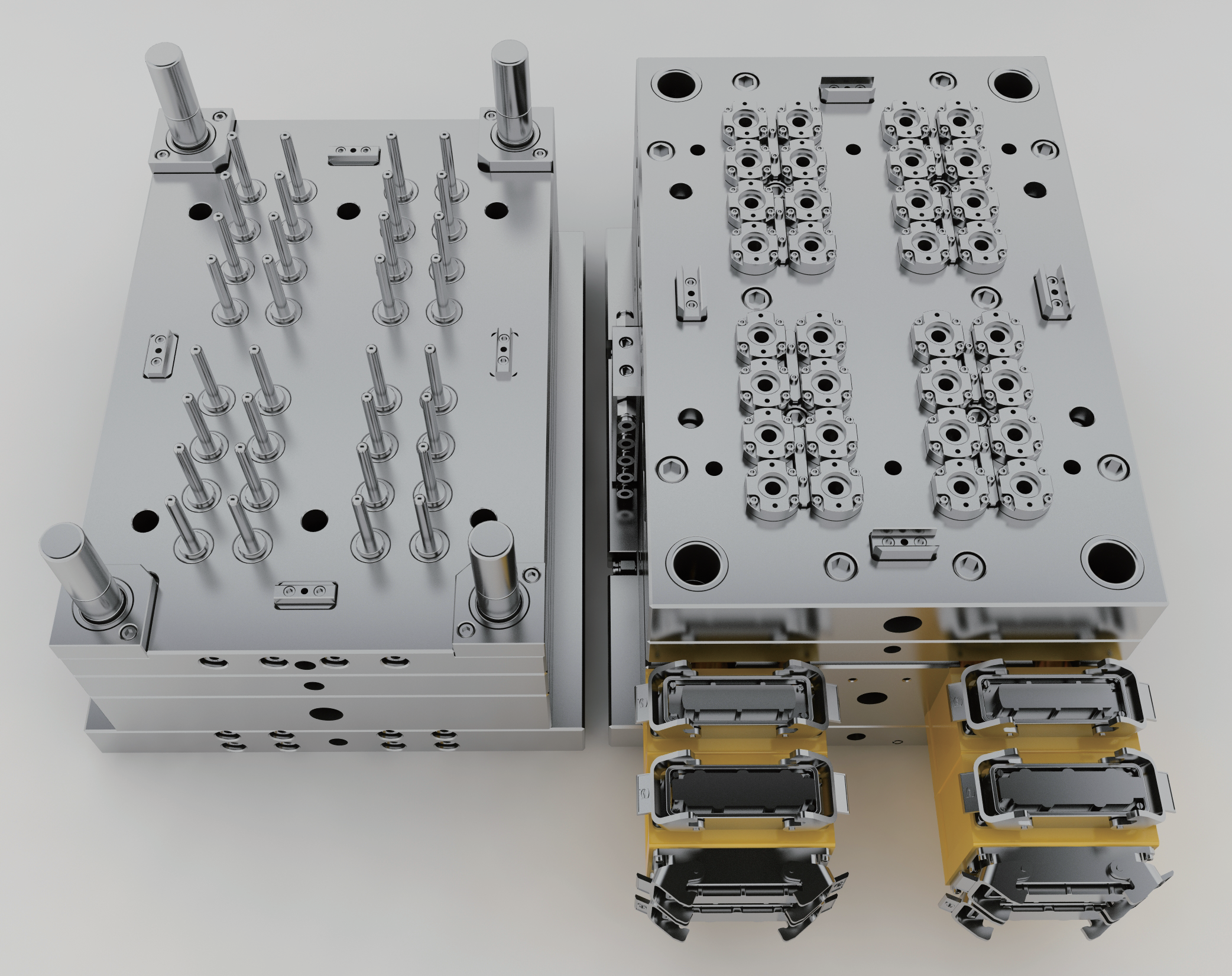
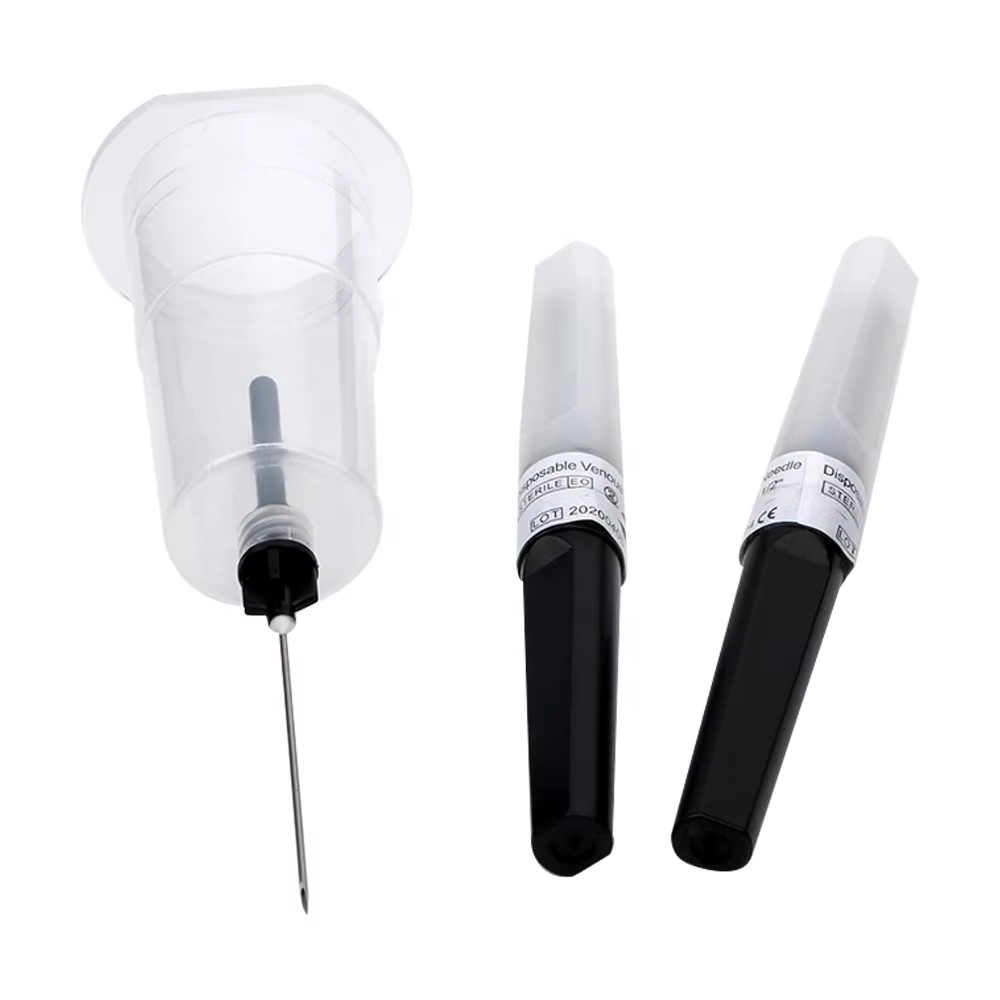
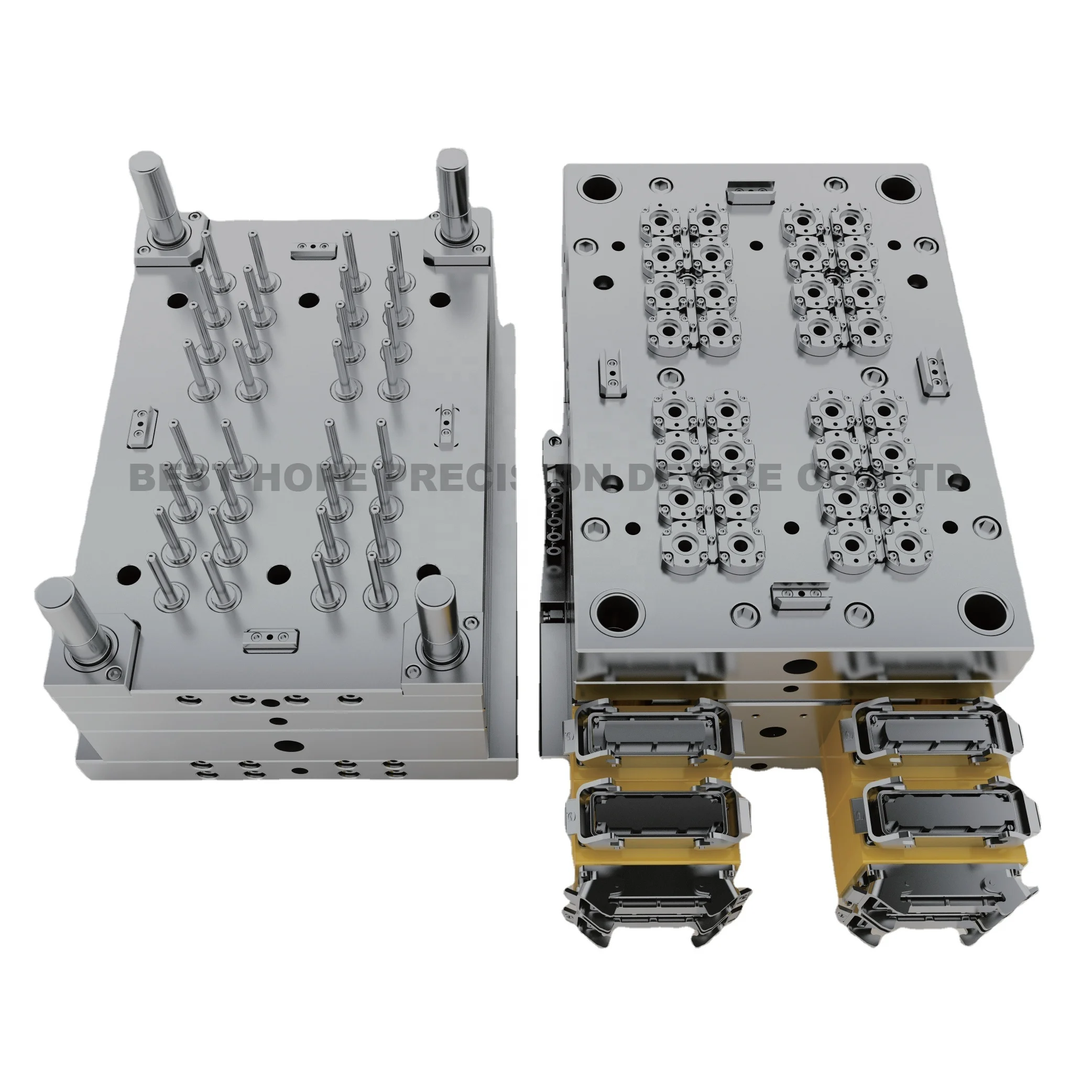
Plastic injection molding products represent a cornerstone of modern manufacturing, offering unparalleled versatility and efficiency in producing complex plastic components. This manufacturing process involves injecting molten plastic material into precisely engineered molds under high pressure, creating exact replicas with exceptional consistency. The technology employs sophisticated machinery that can handle a wide range of thermoplastic and thermosetting polymers, enabling the production of parts ranging from microscopic medical components to large automotive panels. The process stands out for its ability to create intricate geometries, fine details, and textured surfaces while maintaining tight tolerances and structural integrity. Advanced features include multi-material injection capabilities, gas-assisted molding, and in-mold decoration techniques, allowing for enhanced functionality and aesthetic appeal. The applications span numerous industries, including automotive, consumer electronics, medical devices, packaging, and household goods. Modern plastic injection molding incorporates smart manufacturing principles, utilizing sensors and automation to ensure quality control and process optimization, resulting in minimal waste and maximum efficiency. The technology continues to evolve with innovations in material science and processing techniques, making it an increasingly sustainable and cost-effective solution for mass production.
Plastic injection molding products offer numerous compelling advantages that make them the preferred choice for manufacturers and businesses across various sectors. First, the process delivers exceptional cost-effectiveness in high-volume production, with per-unit costs decreasing significantly as production quantities increase. The high level of automation and precision ensures consistent quality across production runs, minimizing defects and reducing waste. Manufacturing speed is another crucial benefit, with cycle times typically ranging from a few seconds to a few minutes, enabling rapid production of large quantities. The versatility of the process allows for the use of multiple materials and colors in a single part, while also accommodating complex geometries that would be impossible or prohibitively expensive to produce through other methods. From a design perspective, plastic injection molding provides excellent surface finish options and the ability to integrate various features like threads, snap-fits, and living hinges directly into the molded part. The process is highly scalable, making it suitable for both prototype development and mass production. Environmental benefits include the ability to use recycled materials and the minimal waste generation through runner recycling systems. The durability and lightweight nature of injection-molded products contribute to reduced transportation costs and enhanced product longevity. Additionally, the process offers excellent dimensional accuracy and repeatability, crucial for applications requiring precise specifications. The ability to produce parts with varying wall thicknesses and incorporate structural features helps optimize material usage while maintaining product strength and functionality.

Practical Tips

What are the common applications of injection molds in the medical industry?

28

Feb

What are the common applications of injection molds in the medical industry?

Introduction to Injection Molding in the Medical Industry Injection molding has become really important in healthcare because it allows manufacturers to make intricate parts that meet strict dimensional requirements. Medical device companies rely o...
View More
What are the quality standards for injection molds in ISO Class 8 clean room environments?

28

Feb

What are the quality standards for injection molds in ISO Class 8 clean room environments?

ISO Class 8 Clean Rooms: An Overview Clean rooms rated at ISO Class 8 serve important functions in places where keeping things really clean matters, especially when making medical devices. The ISO 14644-1 standard sets limits here too, allowing no ...
View More
How Does Industry 4.0 Impact the Future of Injection Molding?

28

Feb

How Does Industry 4.0 Impact the Future of Injection Molding?

Introduction to Industry 4.0 Industry 4.0 marks what many call the fourth wave of industrial change, where manufacturers are weaving digital tech right into their production lines. What makes this shift so impactful? Think about how companies now u...
View More
How to Choose the Right Materials for Medical Plastic Injection Molding?

06

Mar

How to Choose the Right Materials for Medical Plastic Injection Molding?

Introduction to Choosing Materials for Medical Plastic Injection Molding Choosing the right materials for medical plastic injection molding really matters for how safe and effective medical devices end up being. After all, these plastics often come...
View More

Get a Free Quote

Our representative will contact you soon.
0/1000
Advanced Material Integration and Customization

Advanced Material Integration and Customization

Plastic injection molding excels in material versatility and customization capabilities, offering manufacturers unprecedented flexibility in product development. The technology supports an extensive range of engineering-grade plastics, including high-performance polymers, reinforced composites, and specialty blends. This versatility enables the creation of products with specific mechanical properties, chemical resistance, thermal stability, and aesthetic qualities. The process allows for precise control over material flow and cooling, ensuring optimal molecular alignment and crystallization for enhanced strength and durability. Advanced multi-material injection techniques enable the production of complex parts with varying material properties in different regions, eliminating the need for assembly and improving product performance. Custom color matching and special effects can be achieved through precise material formulation and processing parameters, meeting exact customer specifications and brand requirements.
Quality Assurance and Process Control

Quality Assurance and Process Control

Modern plastic injection molding incorporates sophisticated quality assurance systems and process control mechanisms to ensure consistent product excellence. Advanced monitoring systems continuously track critical parameters such as pressure, temperature, and material flow during the molding cycle. Real-time data analysis enables immediate detection of process variations and automatic adjustments to maintain optimal production conditions. Quality control measures include in-line inspection systems utilizing vision technology and dimensional verification tools to detect defects and ensure compliance with specifications. The integration of statistical process control (SPC) methods helps identify trends and potential issues before they impact product quality. Documentation and traceability systems maintain detailed records of production parameters and material batches, supporting quality certification requirements and facilitating continuous improvement initiatives.
Sustainability and Cost Efficiency

Sustainability and Cost Efficiency

Plastic injection molding leads the way in sustainable manufacturing practices while maintaining exceptional cost efficiency. The process minimizes material waste through precise shot control and advanced runner systems that allow for the recycling of excess material. Energy efficiency is achieved through optimized heating and cooling systems, reducing the carbon footprint of production operations. The ability to use recycled materials and bio-based plastics supports environmental sustainability goals without compromising product quality. The high production efficiency and automation reduce labor costs and increase throughput, resulting in competitive pricing for high-volume production. Advanced mold design and cooling systems minimize cycle times while maintaining product quality, further improving cost-effectiveness. The durability of injection-molded products reduces replacement frequency and associated environmental impact, while their lightweight nature reduces transportation costs and emissions.