Advanced Mold Tooling Solutions: Precision Engineering for Modern Manufacturing

Get a Quote
Get a Quote

mold tooling

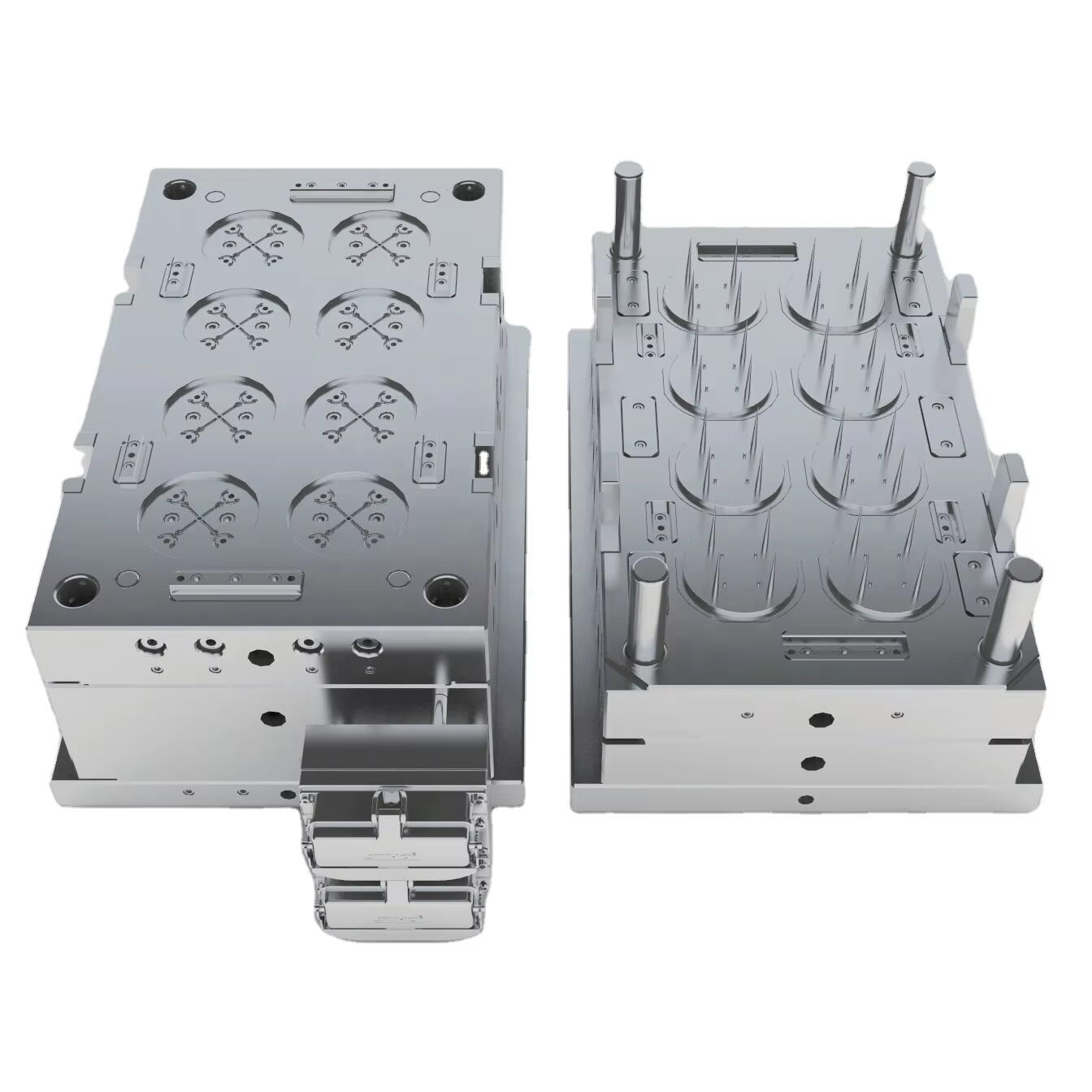
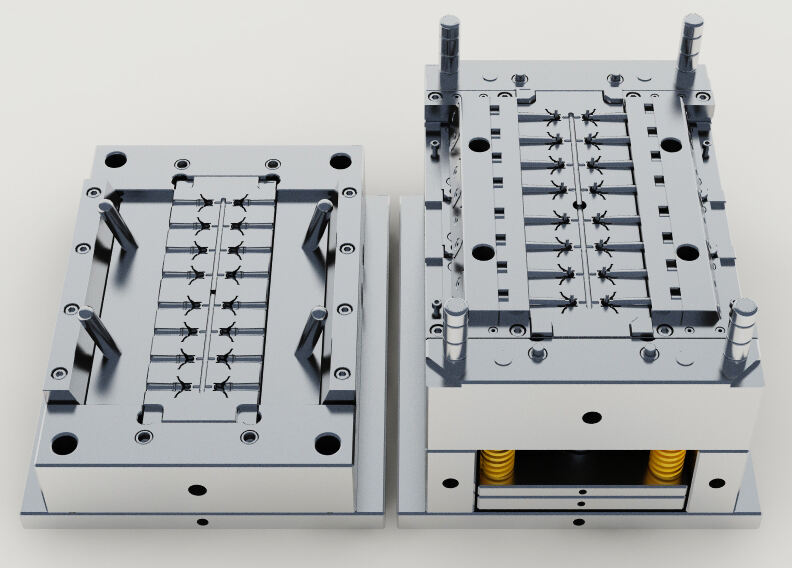
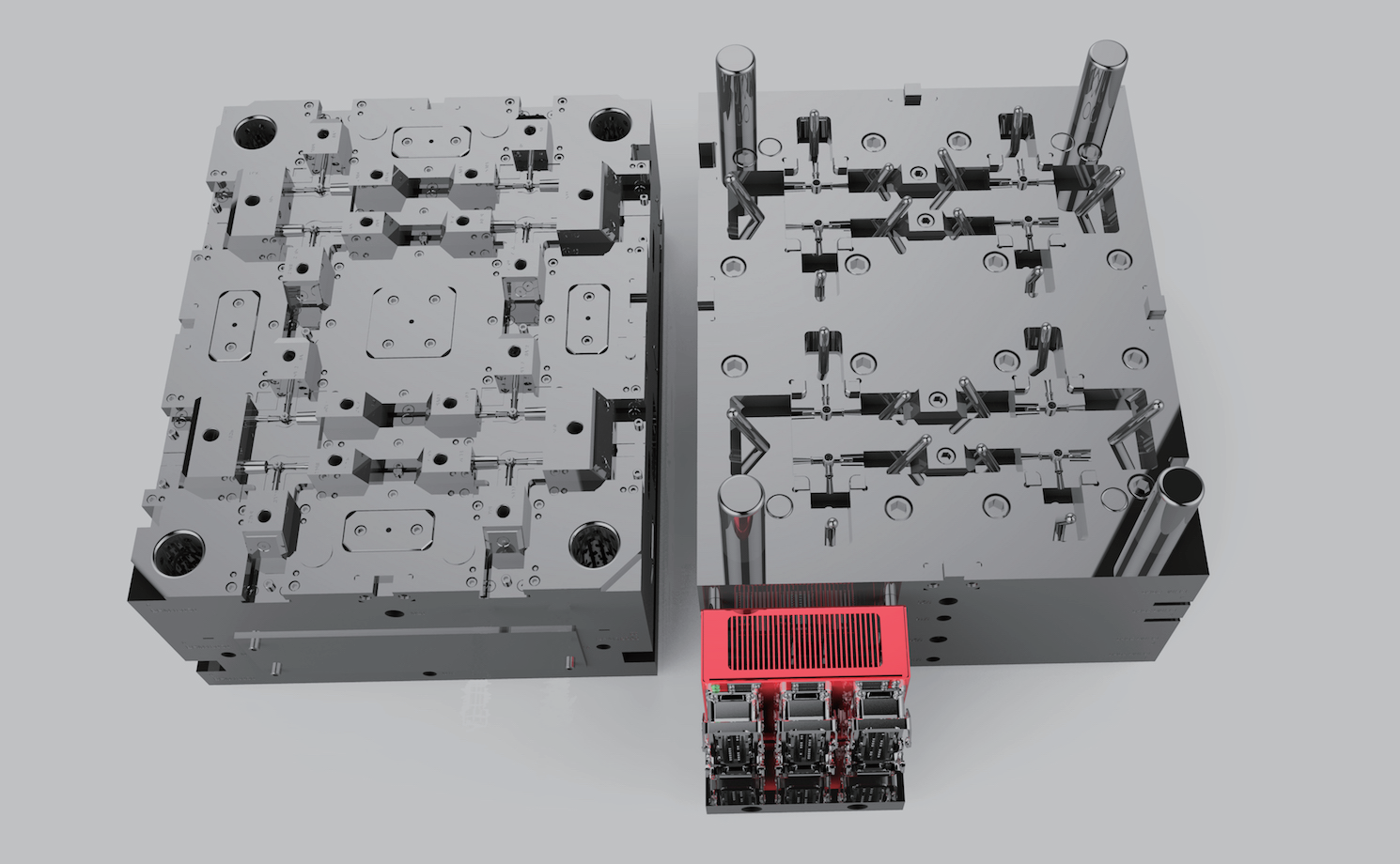
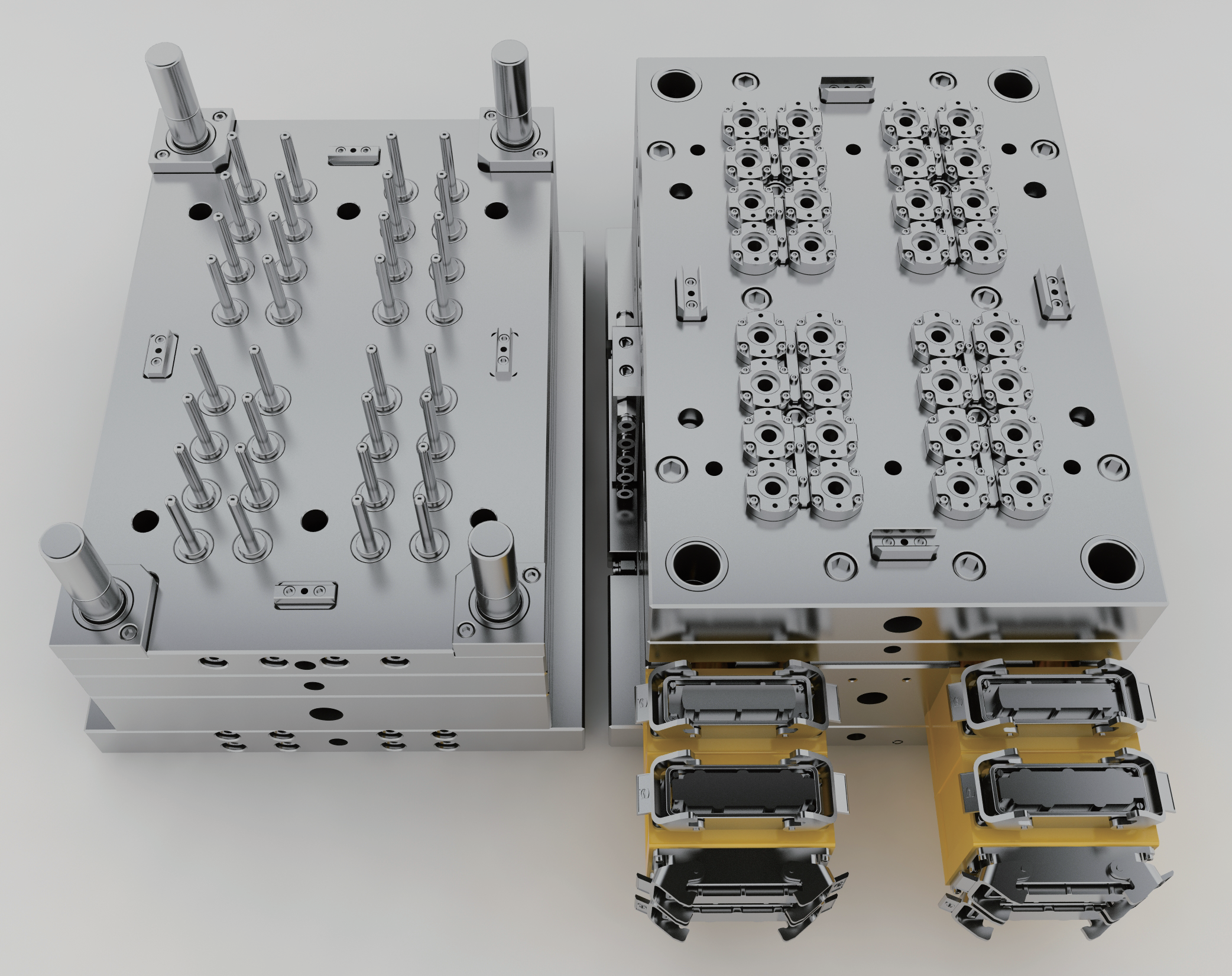
Mold tooling represents a critical component in modern manufacturing, serving as the foundation for precise and efficient production processes. This sophisticated technology encompasses the design, creation, and maintenance of molds used in various manufacturing applications, particularly in plastic injection molding and metal forming. The tooling system consists of multiple precisely engineered components, including the mold base, cavity and core inserts, cooling channels, and ejection mechanisms. These elements work in harmony to ensure consistent product quality and optimal production efficiency. Advanced mold tooling incorporates cutting-edge features such as conformal cooling systems, which provide uniform temperature control throughout the molding process, and sophisticated venting systems that prevent defects caused by trapped air. The technology also embraces modern innovations like hot runner systems for improved material flow and reduced waste, alongside sophisticated surface treatments that enhance mold durability and performance. In contemporary manufacturing, mold tooling plays a pivotal role in industries ranging from automotive and aerospace to consumer goods and medical devices, enabling the production of complex geometries with tight tolerances and superior surface finishes.
Mold tooling offers numerous compelling advantages that directly impact manufacturing efficiency and product quality. First and foremost, it enables high-volume production with exceptional consistency, ensuring that each part meets exact specifications throughout extended production runs. The precision engineering inherent in modern mold tooling significantly reduces material waste, leading to substantial cost savings over time. Advanced cooling systems integrated into the mold design optimize cycle times, dramatically increasing production efficiency while maintaining product quality. The durability of contemporary mold tooling materials and treatments results in extended tool life, reducing maintenance requirements and downtime. Automated features within the tooling system minimize human intervention, reducing labor costs and the potential for human error. The flexibility of modern mold tooling allows for quick changeovers and modifications, enabling manufacturers to respond rapidly to market demands. Enhanced surface finishing capabilities ensure superior product aesthetics without additional processing steps. The integration of smart monitoring systems provides real-time feedback on mold performance, allowing for preventive maintenance and optimal operation. These advantages combine to deliver a comprehensive solution that maximizes production efficiency, reduces operational costs, and ensures consistent quality output.

Practical Tips

How to choose the right material for injection mold manufacturing?

28

Feb

How to choose the right material for injection mold manufacturing?

Introduction to Injection Molding Injection molding stands out as one of those key manufacturing techniques where hot plastic gets pushed into molds to create all sorts of parts. We see this method at work behind countless plastic items we encounte...
View More
How Does Industry 4.0 Impact the Future of Injection Molding?

28

Feb

How Does Industry 4.0 Impact the Future of Injection Molding?

Introduction to Industry 4.0 Industry 4.0 marks what many call the fourth wave of industrial change, where manufacturers are weaving digital tech right into their production lines. What makes this shift so impactful? Think about how companies now u...
View More
How Does Custom Mold Design Design Impact OEM Product Quality?

06

Mar

How Does Custom Mold Design Design Impact OEM Product Quality?

Introduction to Custom Mold Design in OEM Manufacturing Good custom mold design sits at the heart of OEM manufacturing, letting companies produce parts that fit just right for all sorts of applications out there. When manufacturers get the mold spe...
View More
What Materials Are Best for Custom Molds in OEM Molding?

12

Mar

What Materials Are Best for Custom Molds in OEM Molding?

Introduction Getting the right mold materials sorted out matters a lot for OEM production since these materials directly affect how good the final products turn out. When manufacturers go for top notch materials, they're basically setting their mol...
View More

Get a Free Quote

Our representative will contact you soon.
0/1000
Advanced Thermal Management System

Advanced Thermal Management System

The integrated thermal management system represents a breakthrough in mold tooling technology, featuring sophisticated conformal cooling channels that provide precise temperature control throughout the molding process. This advanced system utilizes computational fluid dynamics to optimize coolant flow paths, ensuring uniform heat distribution and removal. The result is significantly reduced cycle times, minimal part warpage, and enhanced product quality. The system's intelligent design allows for rapid temperature adjustments, enabling quick startup and shutdown procedures while maintaining consistent thermal conditions during production. This feature is particularly valuable for complex parts with varying wall thicknesses or challenging geometrical requirements.
Precision Engineering and Durability

Precision Engineering and Durability

The mold tooling's precision engineering incorporates state-of-the-art materials and manufacturing techniques, ensuring exceptional accuracy and longevity. Advanced surface treatments and coatings provide superior wear resistance, extending tool life and maintaining dimensional stability over millions of cycles. The tooling's robust construction features high-grade steel alloys specifically chosen for their thermal properties and mechanical strength. Precision-machined components, with tolerances measured in microns, ensure perfect alignment and consistent operation throughout the tool's lifetime. This attention to detail results in reduced maintenance requirements and minimal production interruptions.
Smart Monitoring and Control Integration

Smart Monitoring and Control Integration

The incorporation of smart monitoring and control systems transforms traditional mold tooling into an intelligent manufacturing solution. Advanced sensors throughout the mold provide real-time data on critical parameters such as pressure, temperature, and material flow. This information feeds into sophisticated control systems that can automatically adjust processing parameters to maintain optimal conditions. The system's predictive maintenance capabilities alert operators to potential issues before they impact production, while integrated quality control measures ensure consistent part quality. This level of automation and monitoring significantly reduces scrap rates and improves overall operational efficiency.