Inovacinis dizaino lankstumas ir klinikinė pritaikomumas
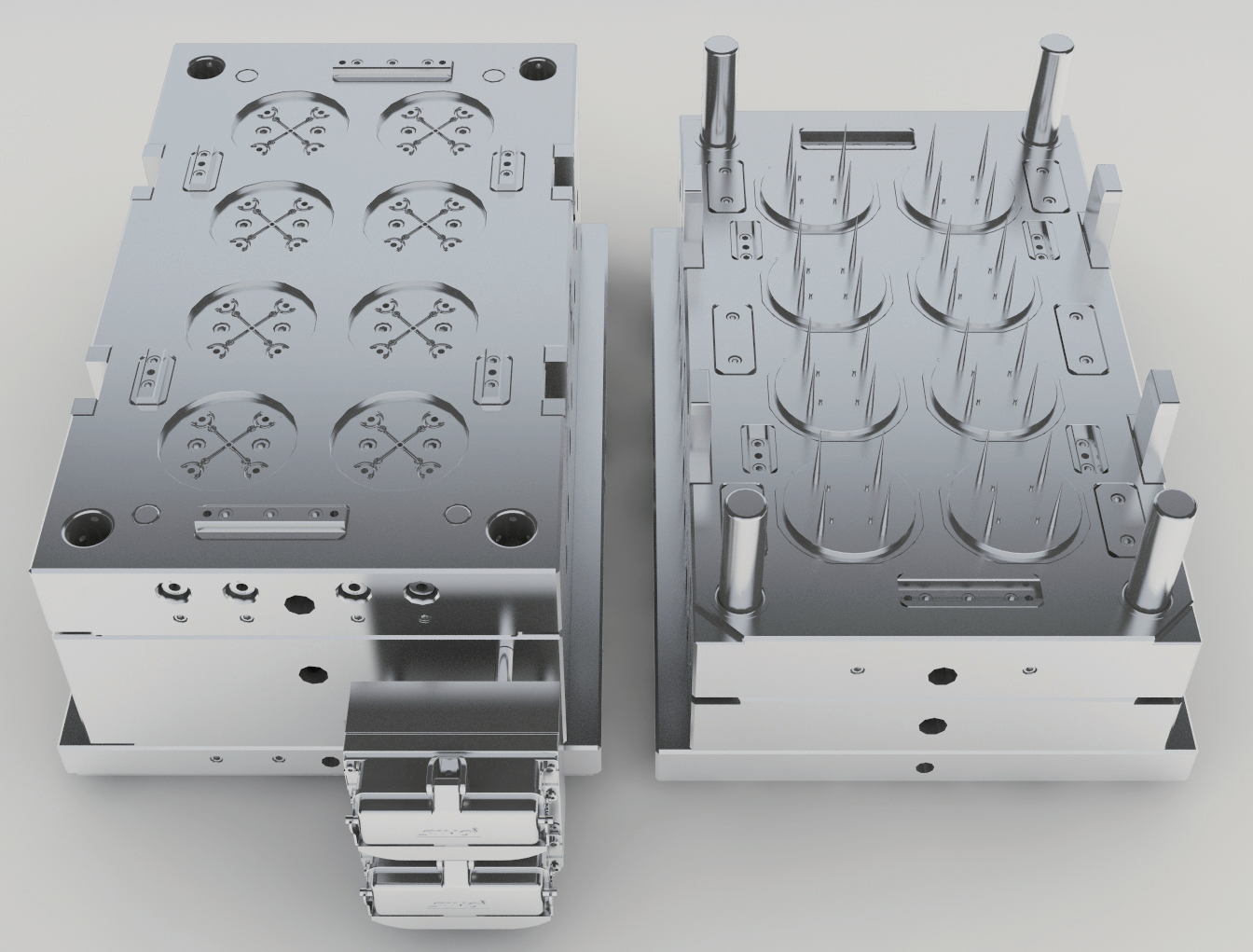
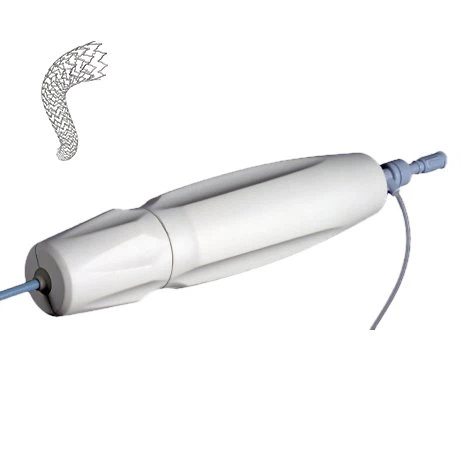
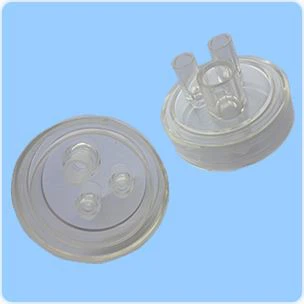
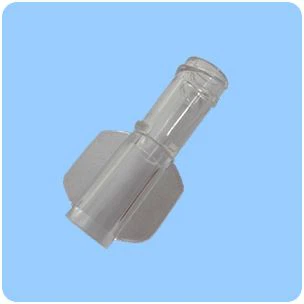
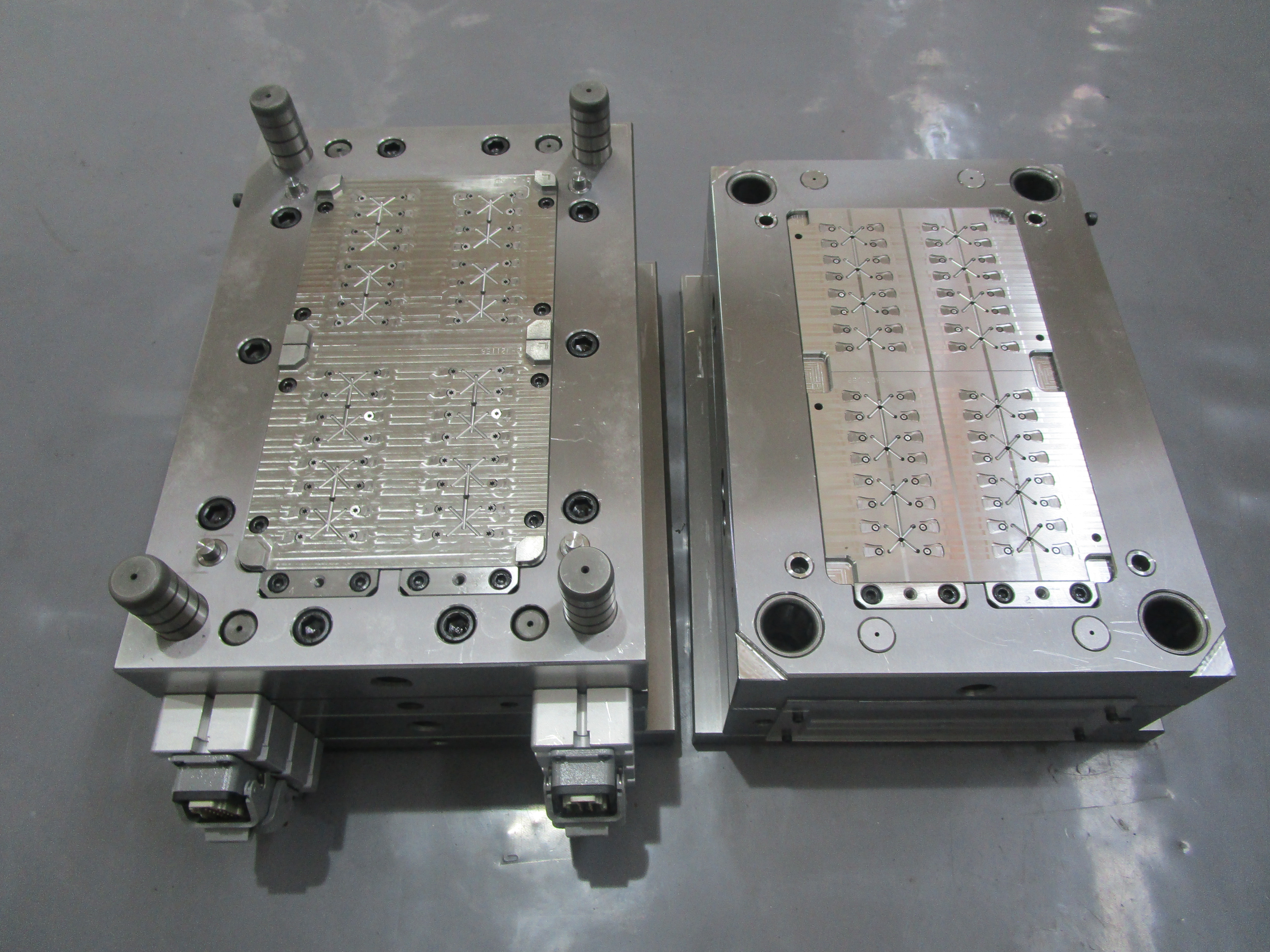
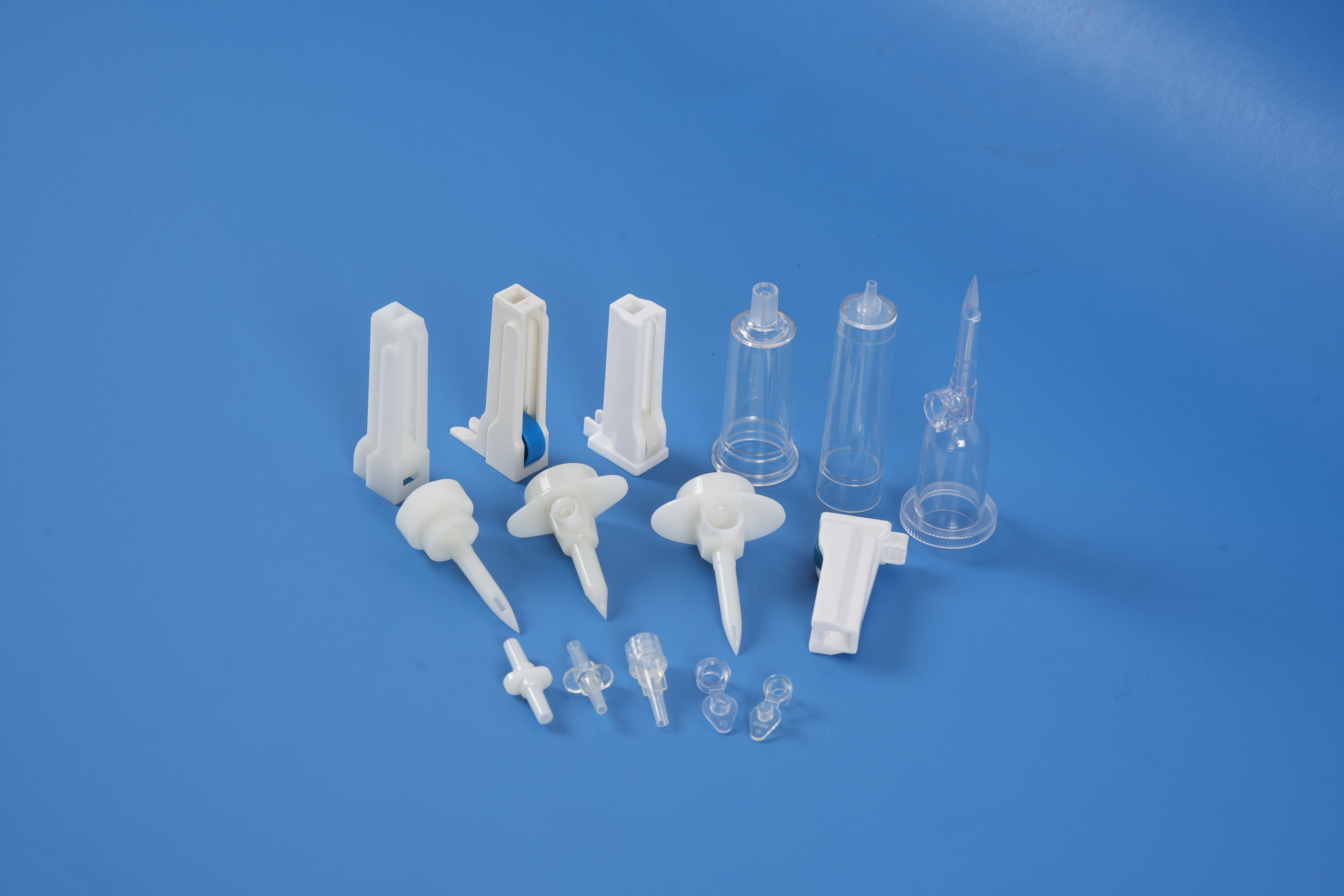
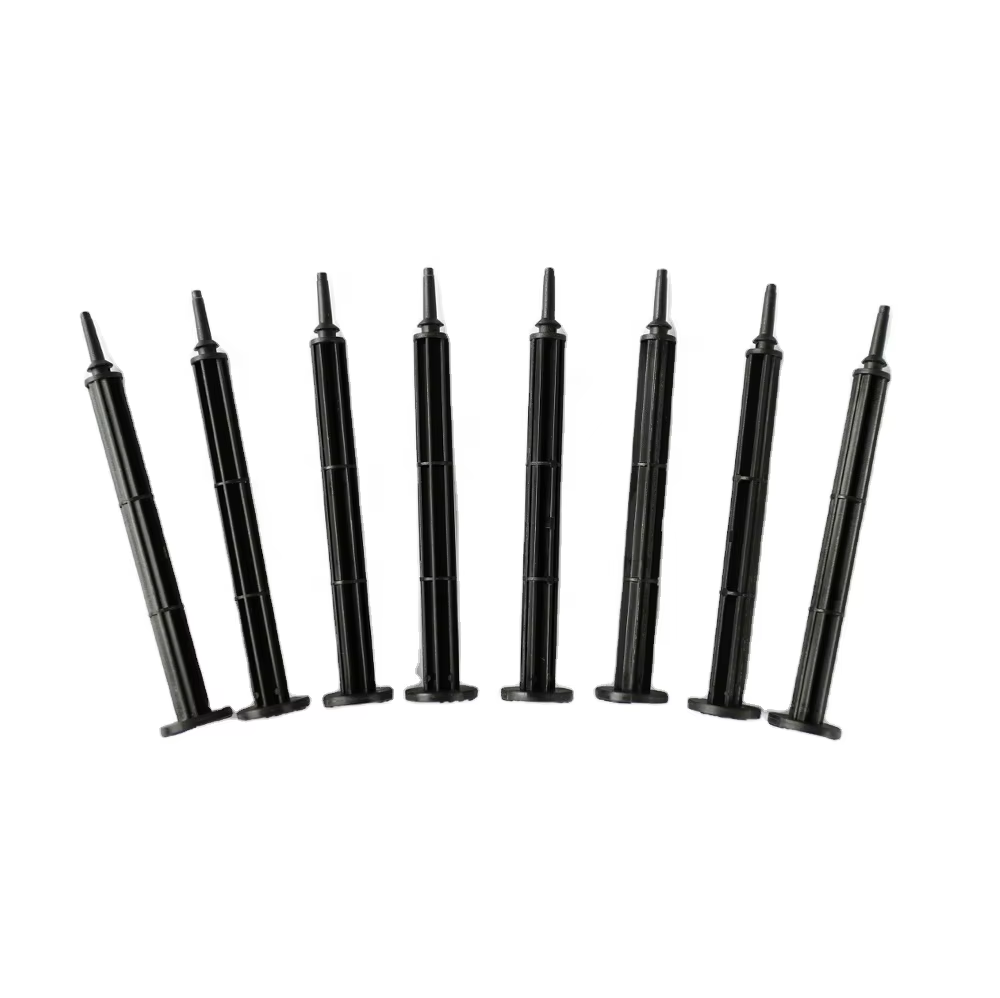
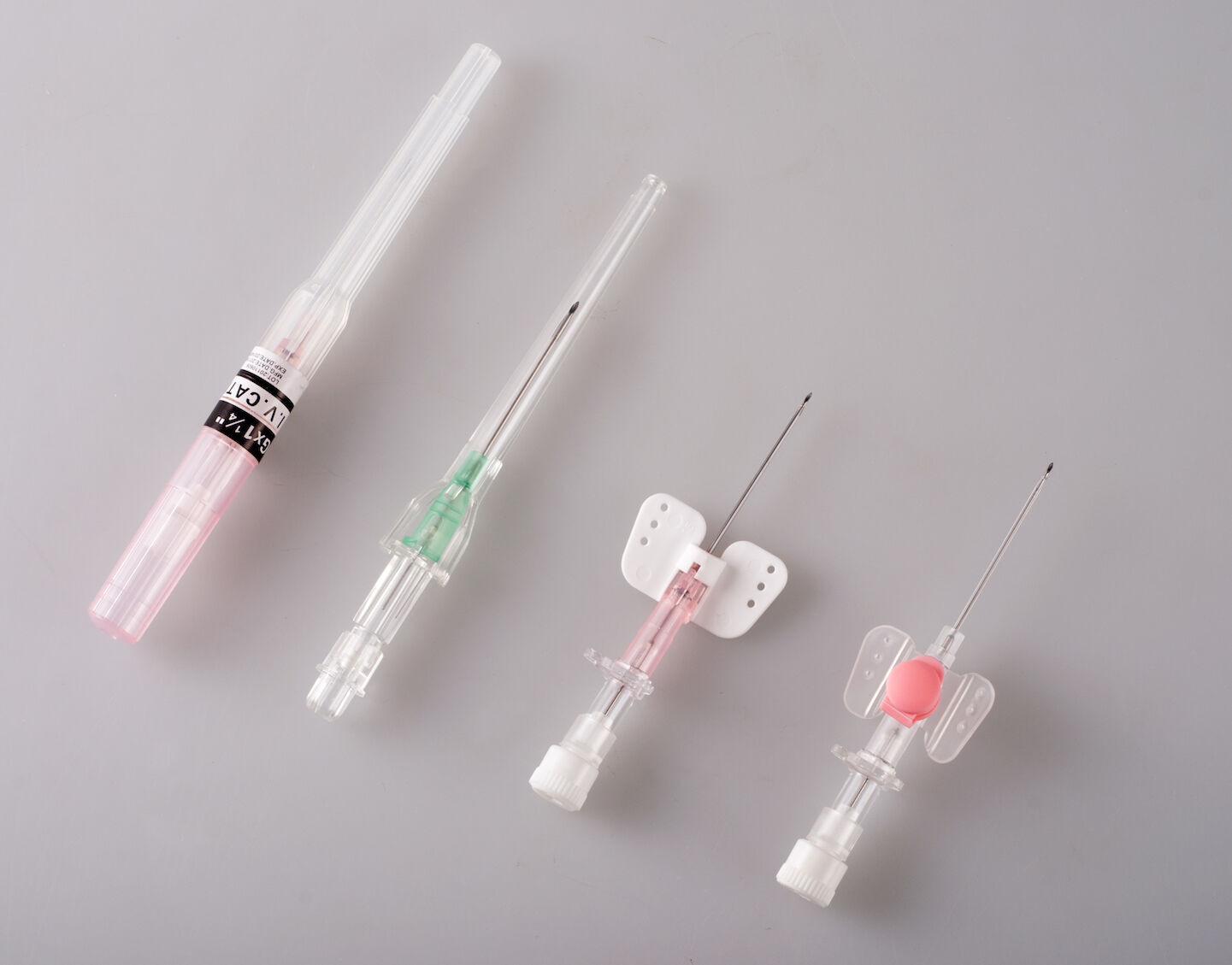
Medicininiai plastikiniai gaminiai pasižymi nepasiekiama dizaino lankstumu, kuris leidžia nuolat tobulinti sveikatos priežiūros teikimo metodus ir pacientų gydymo galimybes. Medicininių polimerų formavimo galimybė leidžia inžinieriams kurti sudėtingas geometrines formas ir integruotas funkcijas, kurios būtų neįmanomos arba pernelyg brangios naudojant tradicines medžiagas. Šis dizaino laisvumas sukūrė revoliucinius gaminius, tokius kaip daugiakanalės kateterės, iš anksto užpildytos švirkštai su integruotomis saugos mechanizmais ir mikrosrautinės diagnostinės priemonės, kurios vienu metu atlieka kelis tyrimus. Gamintojai gali greitai kurti prototipus ir iteruoti dizainus naudodami kompiuteriu paremtą projektavimo programinę įrangą ir 3D spausdinimo technologijas, taip sutrumpinant plėtojimo ciklą nuo idėjos iki klinikinio įdiegimo. Galimybė gaminti medicininius plastikinius gaminius įvairiais kietumo (durometrų) ir lankstumo lygiais leidžia juos pritaikyti konkrečioms anatominiams reikalavimams ir procedūrų technikoms. Minkšti, lankstūs plastikai užtikrina paciento patogumą išorėje dėvimoms ar į jautrias kūno vietas įvedamoms priemonėms, o kieti plastikai suteikia konstrukcinį stabilumą chirurginėms priemonėms ir diagnostinės įrangos korpusams. Spalvinės žymėjimo galimybės, būdingos plastikų gamybai, padeda padidinti saugą, vizualiai atskiriant gaminių dydžius, tipus ar numatytą panaudojimą, todėl sumažėja rinkimosi klaidų rizika laiko kritinėse procedūrose. Medicininiai plastikiniai gaminiai gali turėti pažangias funkcijas, pvz., Luer-lock jungtis saugiems prisijungimams, padalintus žymėjimus tiksliai matuojant arba apsauginius antplombuotus užraktus, kad būtų užtikrinta didesnė sauga. Plastikų cheminė įvairovė leidžia gamintojams maišyti skirtingus polimerus arba pridėti funkcines priedas, kurie suteikia tam tikras savybes, pvz., radiopalydėjimą vaizdavimo tikslais, UV atsparumą šviesai jautriems vaistams ar antimikrobinį poveikį infekcijų prevencijai. Moduliniai dizaino metodai leidžia medicininiams plastikiniams gaminiams be problemų integruotis su elektroninėmis stebėjimo sistemomis, kuriant protingas priemones, kurios realiuoju laiku pateikia duomenis apie vaistų pristatymą, fiziologinius parametrus ar priemonės veikimą. Plastikų gamybos mastelis leidžia gaminti tiek dideliais kiekiais standartinius gaminius, tiek ribotais kiekiais specializuotus įrenginius retoms ligoms ar vaikų gydymui. Paviršiaus modifikavimo technikos leidžia gamintojams keisti medicininių plastikinių gaminių sąsajos savybes, nekeičiant pagrindinės medžiagos charakteristikų, optimizuojant tokias savybes kaip slydumas kateterių įvedimui, ląstelių prilipimas audinių inžinerijos rėmeliams ar vaistų išleidimas kontroliuojamu būdu. Klinikinė pritaikomumas taip pat apima pakavimo naujoves, kai medicininiai plastikiniai gaminiai pristatomos tokiose konfiguracijose, kurios palaiko sterilią techniką, pvz., atsiskleidžiančiose maišelėse arba vienas į kitą įstatytose dėžutėse, kurios įrankius išdėsto pagal konkrečią procedūrą. Medicininių plastikinių gaminių suderinamumas su įvairiomis sterilizavimo metodikomis suteikia sveikatos priežiūros įstaigoms lankstumo pasirinkti tuos sterilizavimo protokolus, kurie geriausiai tinka jų darbo eigos ir įrangos galimybėms – tai gali būti spinduliavimo, cheminė ar šiluminė sterilizacija.



 EN
EN