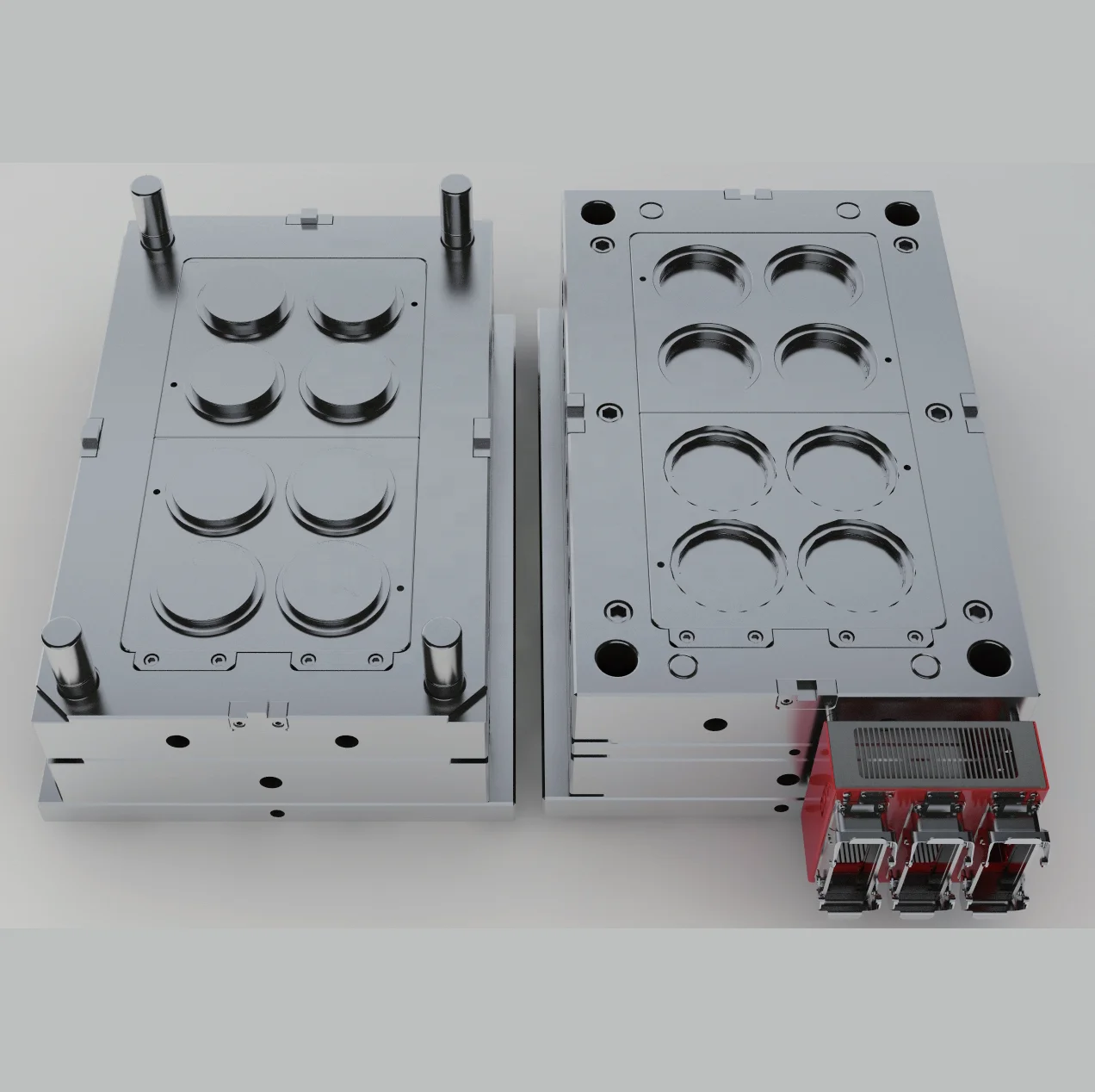
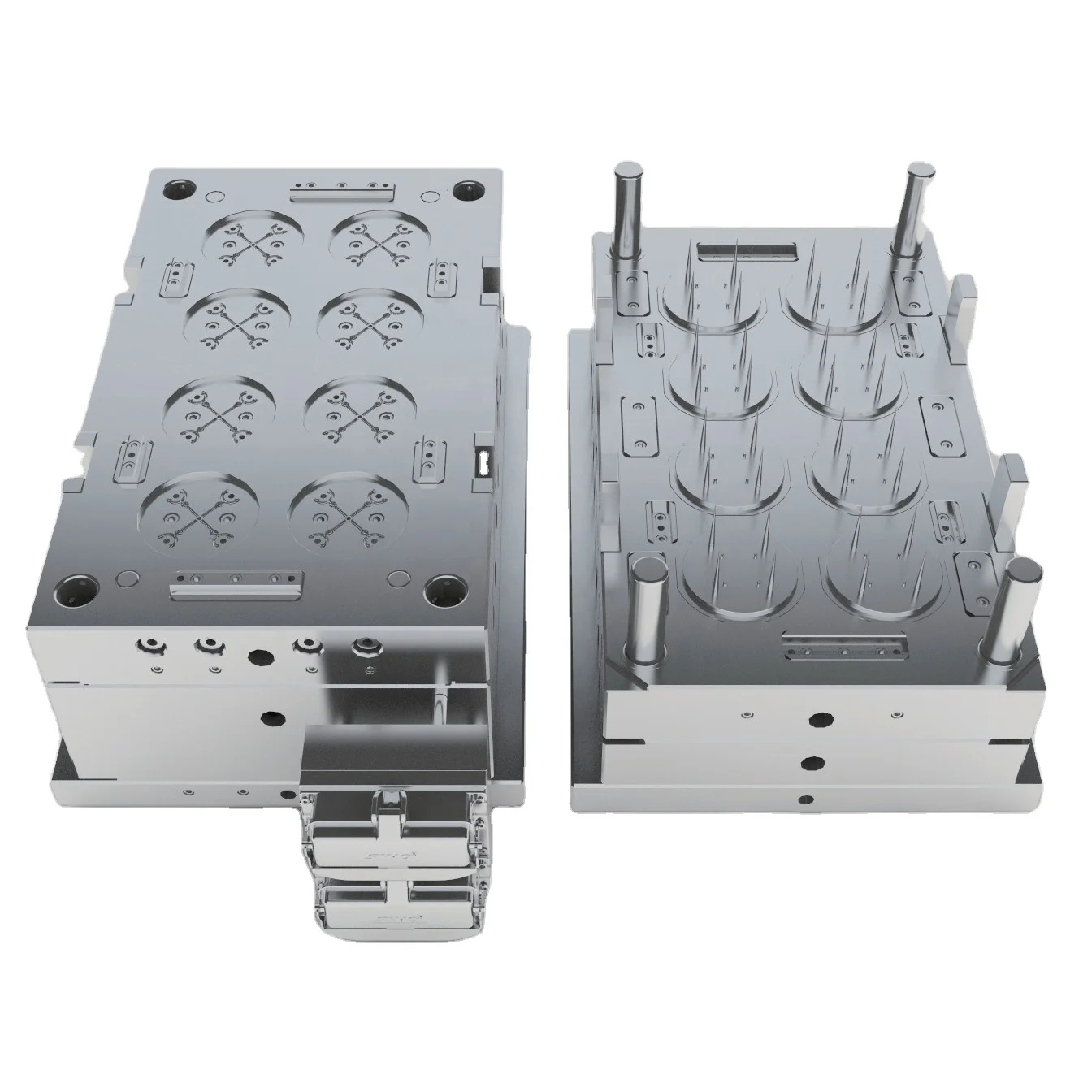
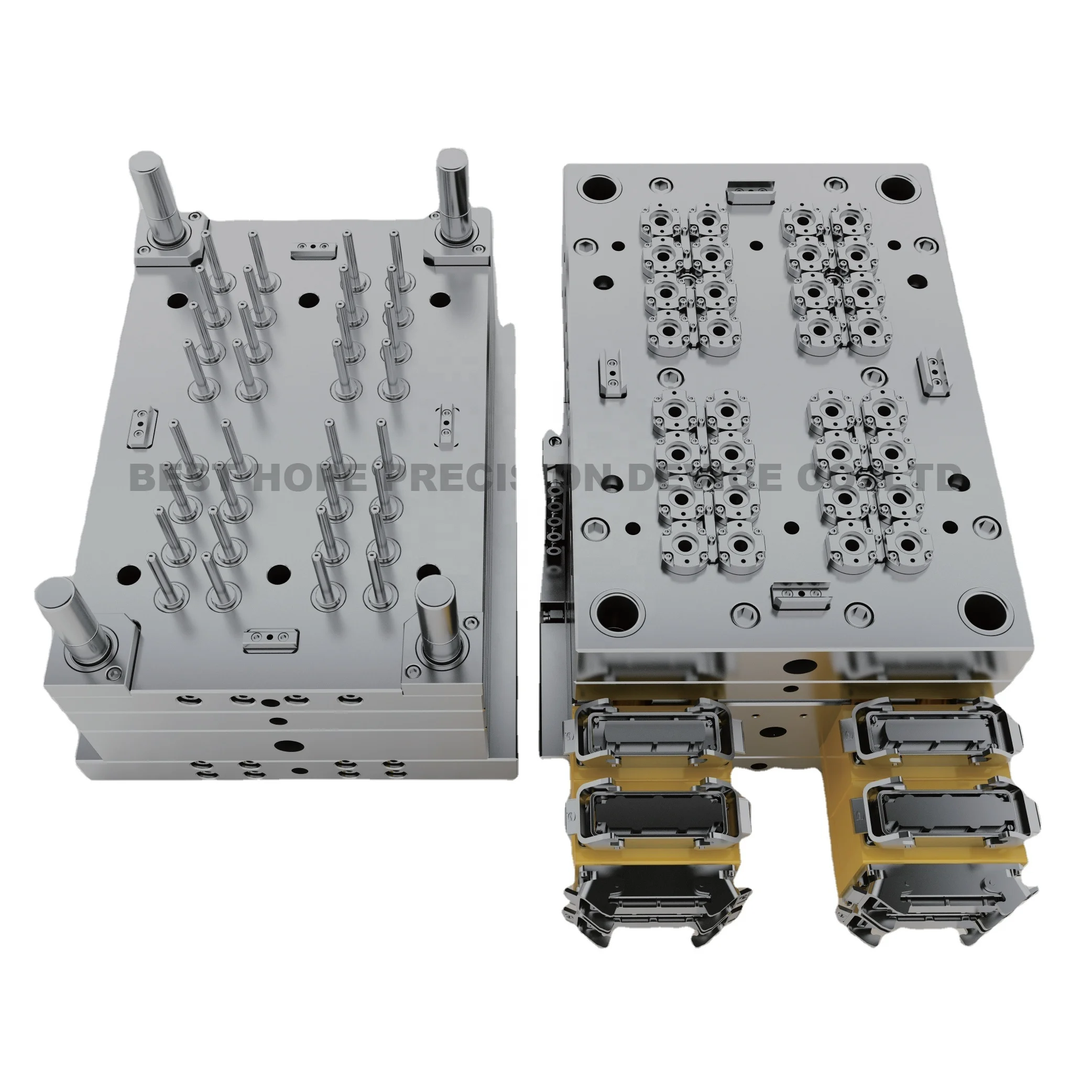
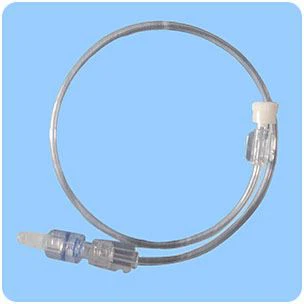
חלקים המיוצרים בעריכה בזריקה
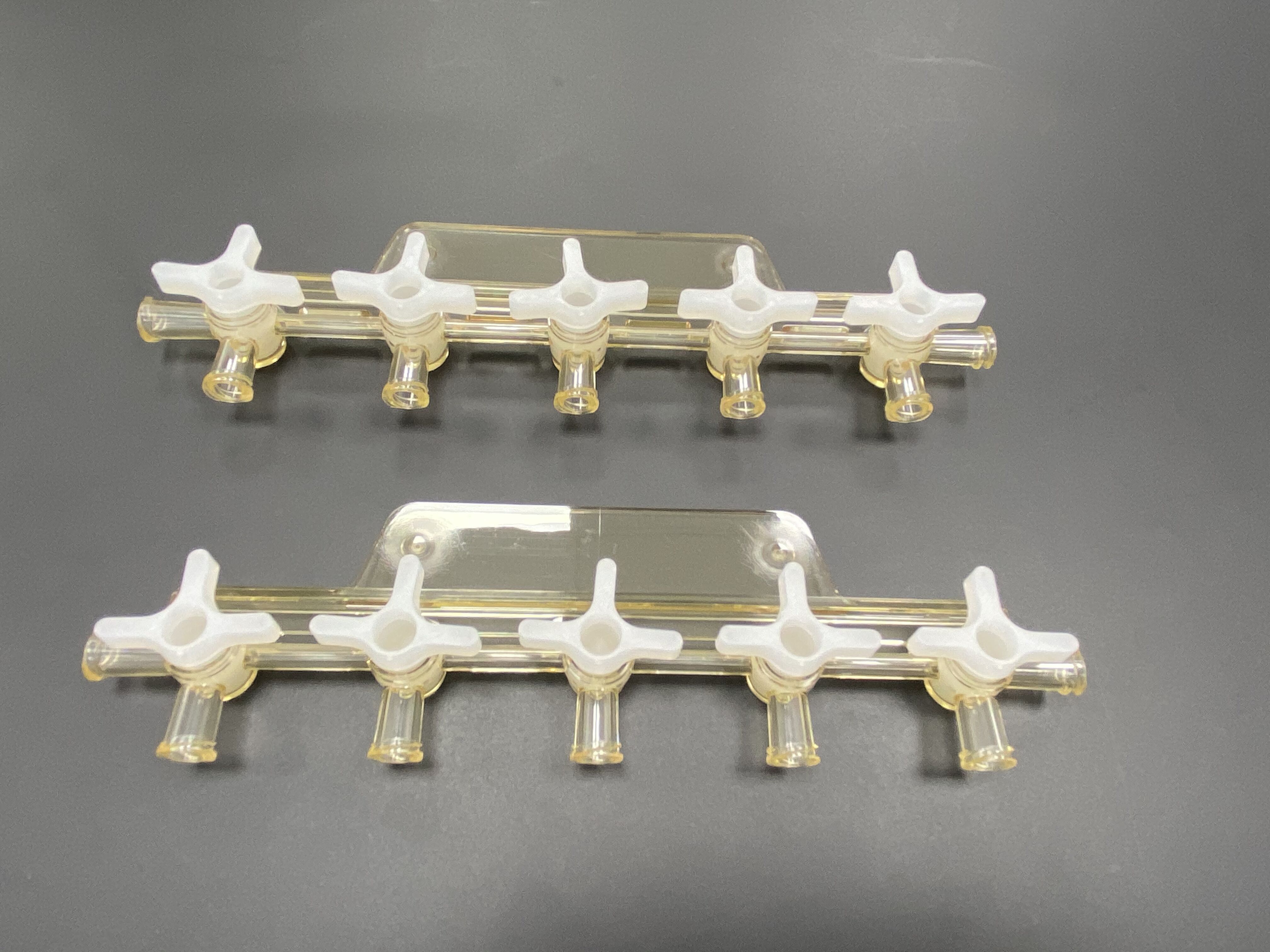
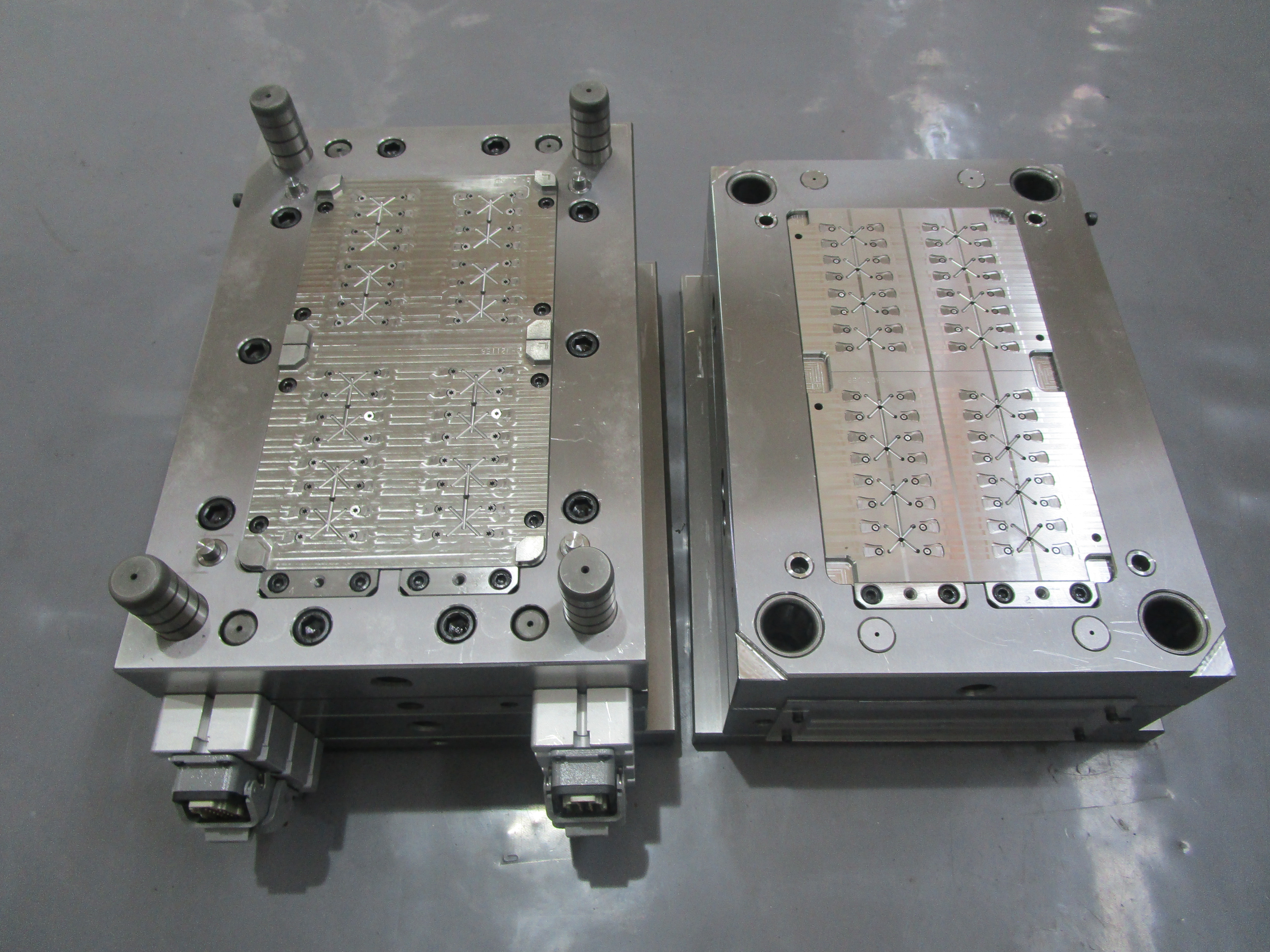
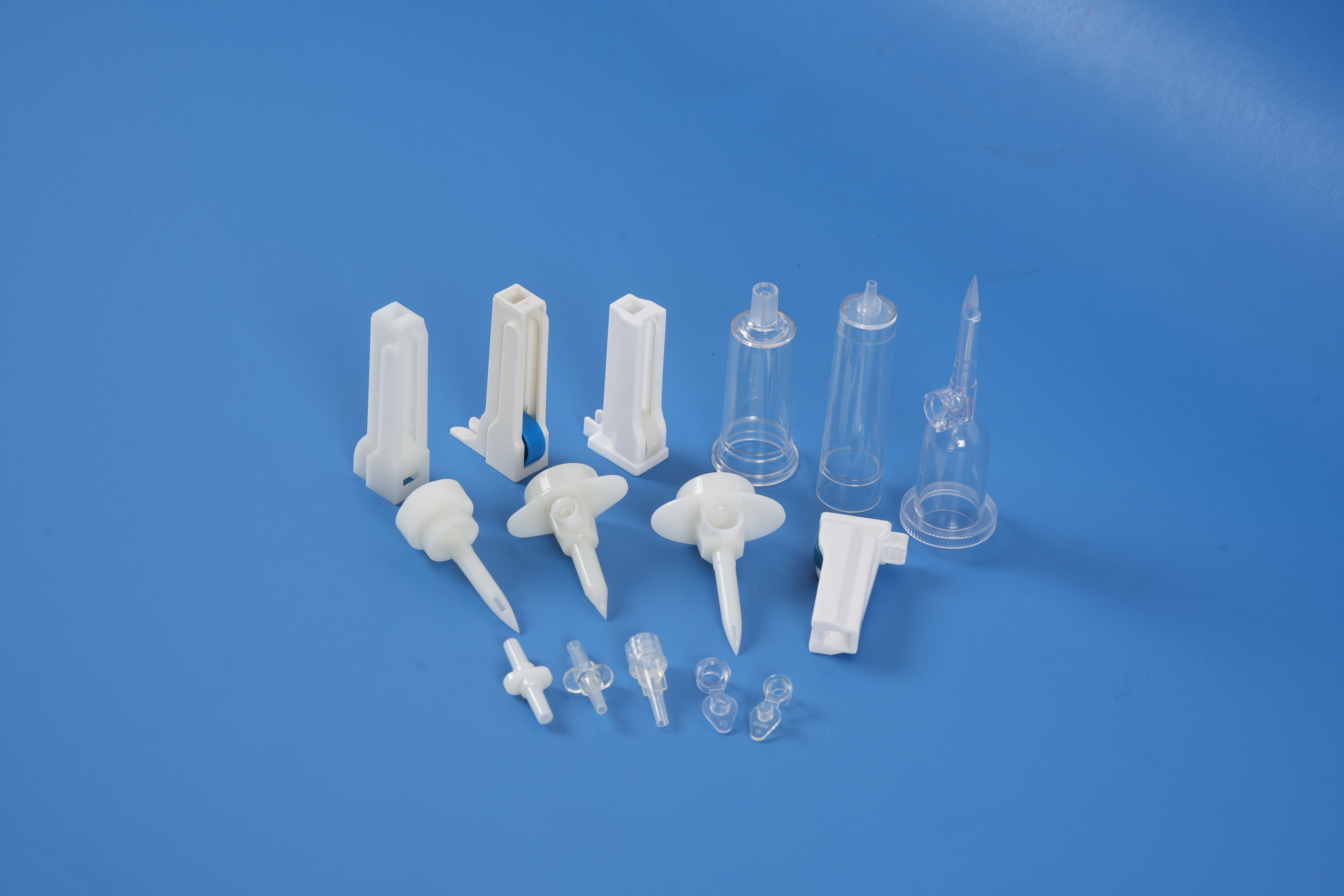
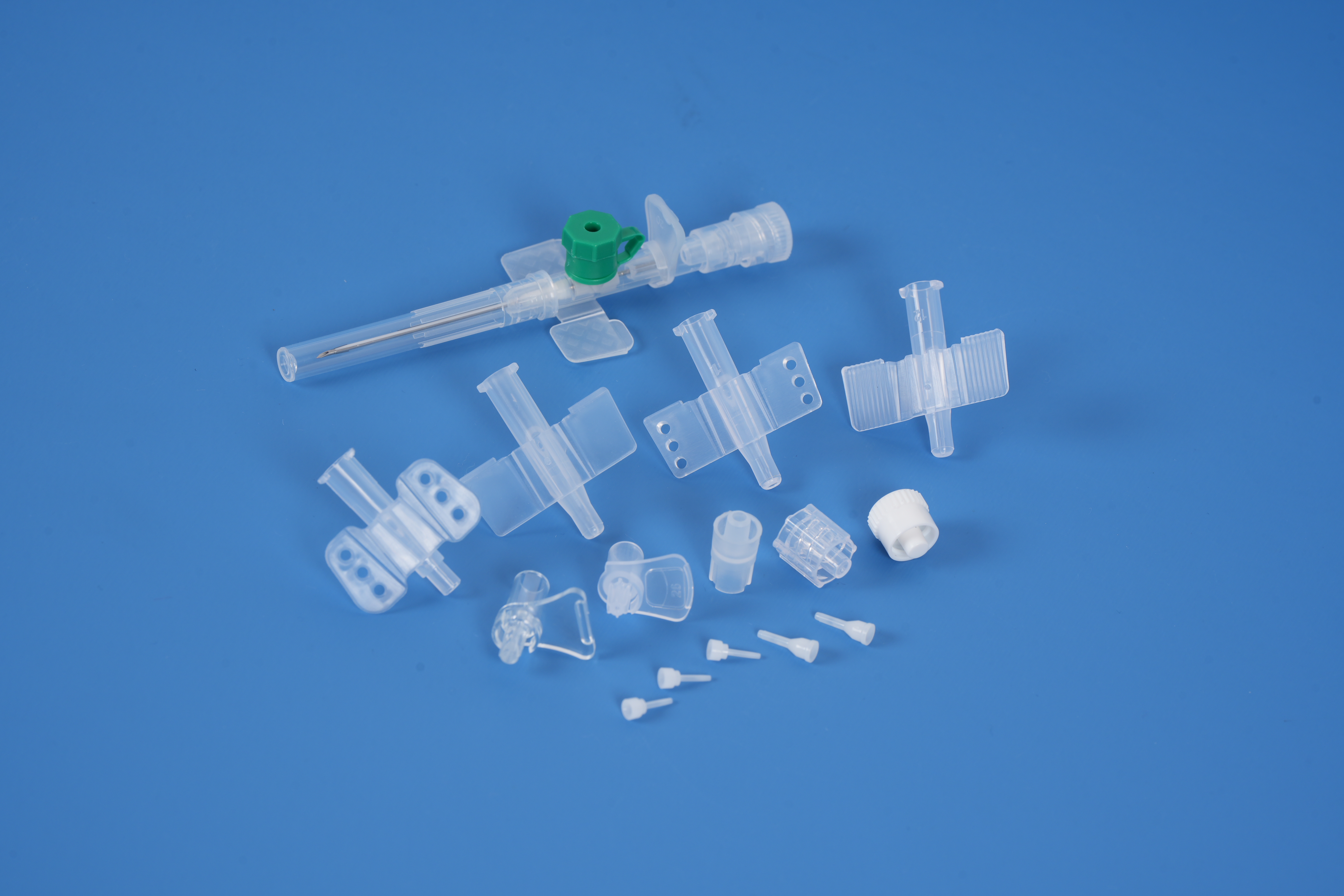
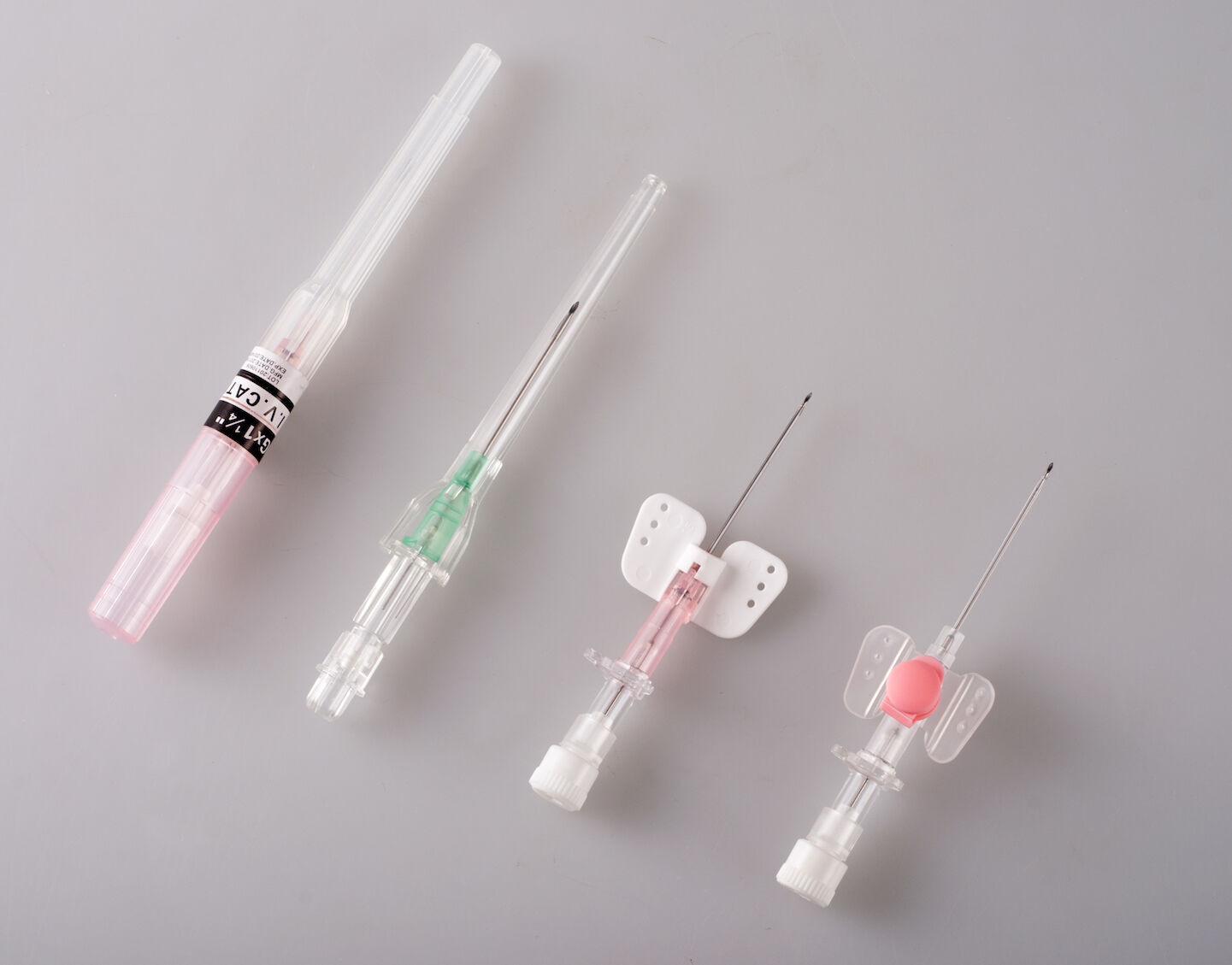
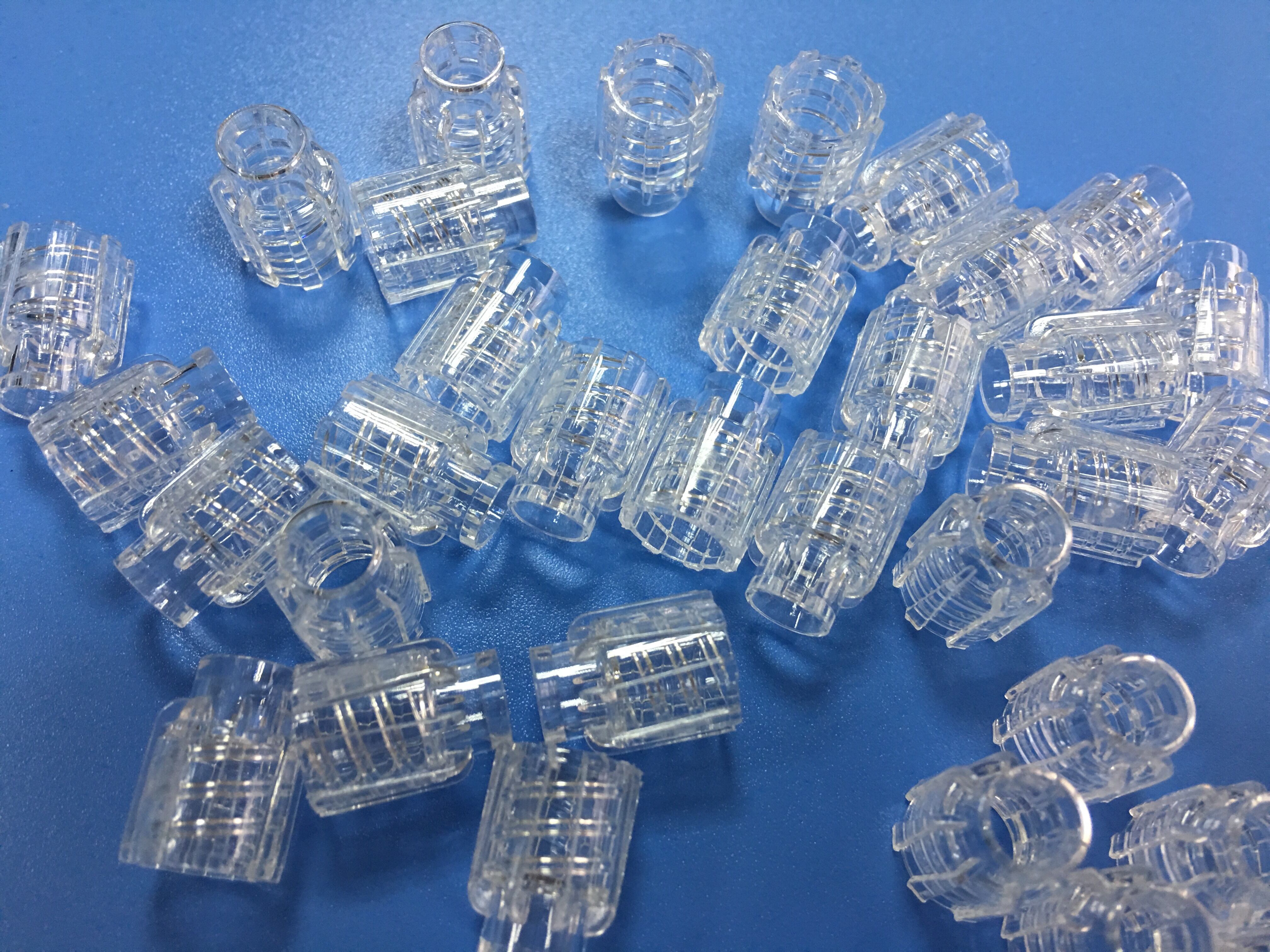
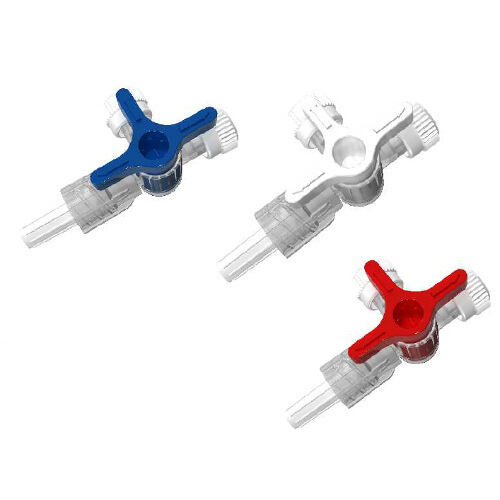
חלקים המיוצרים בשיטת הזרקה מהווים אחת מפתרונות הייצור הרב-תכליתיים והנפוצים ביותר בתעשייה המודרנית. שיטה מתקדמת זו של ייצור כוללת הזרקת חומר נוזלי, לרוב פולימרים פלסטיים, לתבניות מעוצבות במדויק תחת לחץ גבוה, שם הוא מתקרר ומתגבש לצורה הרצויה. הפונקציות העיקריות של חלקים המיוצרים בשיטת הזרקה משתרעות על פני אלפי יישומים, החל מרכיבי רכב ועד להתקנים רפואיים, מכשירי אלקטרוניקה צרכנית ומוצרים לבית. רכיבים אלו ממלאים תפקידים קריטיים במערכות הרכבה, תמיכה מבנית, מעטפות הגנה, מנגנוני פעולה פונקציונליים ורכיבים אסתטיים. התכונות הטכנולוגיות המבדילות חלקים המיוצרים בשיטת הזרקה כוללות דיוק ממדי ייחודי, עקביות חוזרת באיכות, יכולת לייצר גאומטריות מורכבות, וכן את האפשרות לשלב מספר אלמנטים עיצוביים בתוך רכיב בודד. טכנולוגיית הזרקה המתקדמת מאפשרת לייצר חלקים עם פרטים עדינים, קירות דקיקים, סובלנות מדויקת וסיום משטח חלק – דברים שקשה או בלתי אפשרי להשיג באמצעות שיטות ייצור חלופיות. התהליך תומך במגוון רחב של חומרים תרמופלסטיים ותרמוסטים, שכל אחד מהם מציע תכונות ייחודיות כגון חוזק, גמישות, עמידות בחום, עמידות בכימיקלים ושקיפות אופטית. היישומים לחלקים המיוצרים בשיטת הזרקה משתרעים כמעט בכל ענף תעשייתי. בענף הרכב, הרכיבים כוללים לוחות מחוונים, בומפרים, קישוטי פנים, מעטפות תאורת רכב ורכיבים מתחת למפרש. ביישומים הרפואיים נכללים כלים כירורגיים, מעטפות ציוד אבחון, מכשירי משלוח תרופות וציוד חד-פעמי למעבדות. יצרני מוצרים צרכניים מסתמכים על חלקים המיוצרים בשיטת הזריקה לכל דבר – החל מאריזות וצעצועים, דרך מעטפות כלים חשמליים ועד רכיבי מכונות ביתיות. תעשיית האלקטרוניקה משתמשת ברכיבים אלו במתחברים, מעטפות, מקשים למקלדות ותומכים מבניים. גישה ייצור זו הפכה ללא נפקחת, משום שהיא משלבת מהירות, דיוק, יעילות בחומר ויעילות עלות בדרכים שלא ניתן להתאים לשיטות ייצור מסורתיות, מה שהופך את החלקים המיוצרים בשיטת הזריקה לבחירה המועדפת הן לפיתוח פרוטוטיפים והן לייצור במספרים גדולים בשווקים העולמיים.

 EN
EN