
 EN
EN
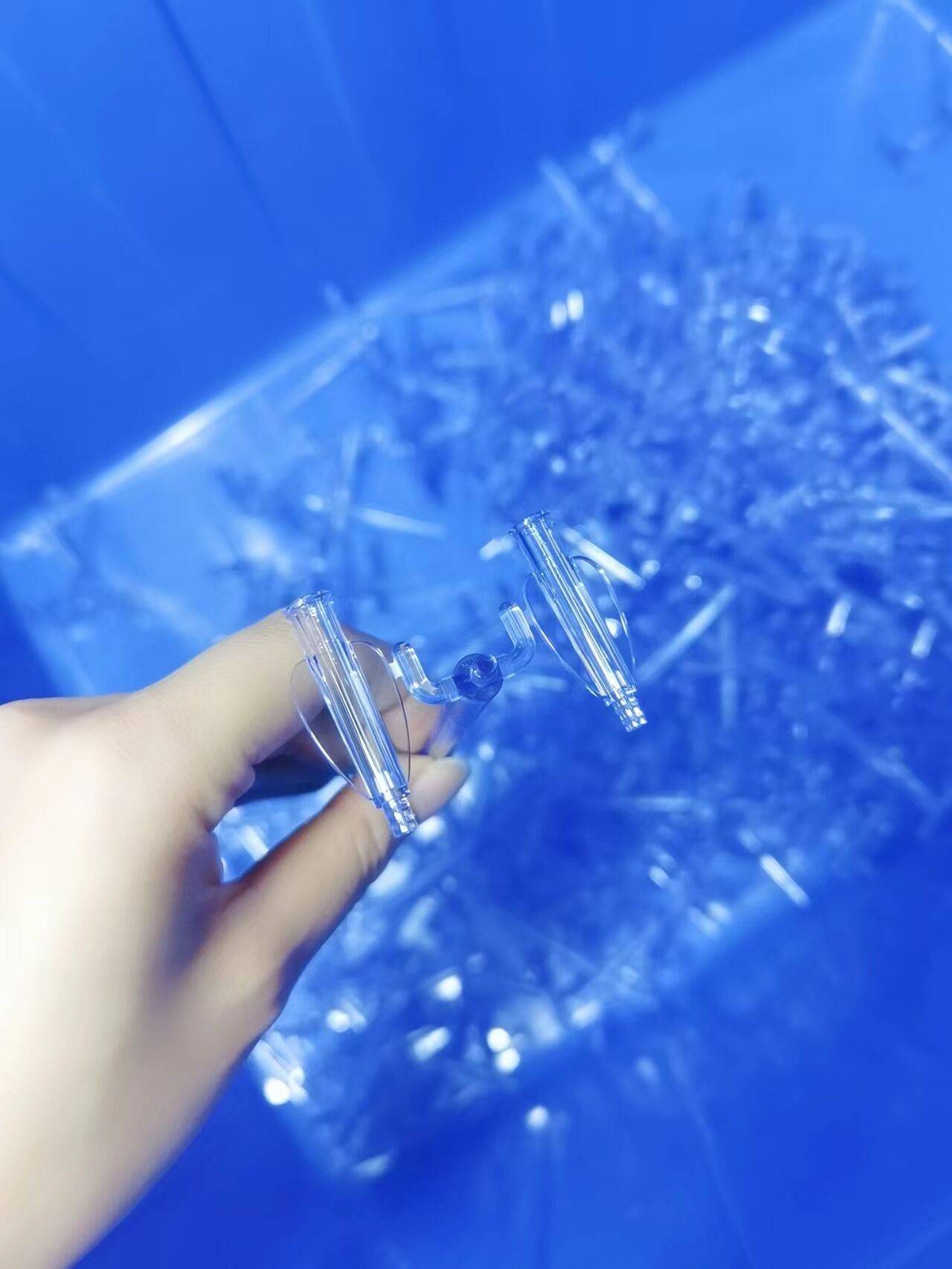
Il panorama produttivo per la stampatura a iniezione è notevolmente evoluto nell'ultimo decennio, con le aziende che devono far fronte a richieste sempre crescenti di precisione, efficienza ed economicità. Mentre settori che vanno dall'automotive ai dispositivi medici richiedono componenti sempre più sofisticati, il ruolo di un produttore specializzato nella stampatura a iniezione diventa più cruciale che mai. Comprendere ciò che distingue i fornitori eccezionali da quelli mediocri può fare la differenza tra il successo del progetto e costosi ritardi.
Le aziende moderne cercano partner in grado di garantire una qualità costante adattandosi alle esigenze di mercato in rapida evoluzione. Le migliori aziende di stampaggio a iniezione combinano tecnologie avanzate con una profonda esperienza settoriale, creando un valore che va ben oltre le semplici capacità produttive. Questi produttori comprendono che i loro clienti hanno bisogno di più che semplici componenti: necessitano di partner strategici in grado di contribuire all'innovazione e al vantaggio competitivo.
Standard Avanzati di Tecnologia e Attrezzature
Macchinari per Stampaggio all'Avanguardia
Gli impianti leader nel settore dello stampaggio a iniezione investono significativamente in attrezzature avanzate che garantiscono precisione e ripetibilità durante tutta la produzione. Le moderne macchine per lo stampaggio a iniezione sono dotate di sofisticati sistemi di controllo che monitorano con notevole accuratezza temperatura, pressione e tempistiche. Questi sistemi permettono ai produttori di mantenere tolleranze molto strette ottimizzando al contempo l'efficienza produttiva, riducendo gli scarti e assicurando una qualità costante dei componenti.
Gli impianti più avanzati utilizzano macchine servo-controllate che offrono un'elevata efficienza energetica e un controllo preciso del processo di iniezione. Queste macchine possono regolare i parametri in tempo reale, adattandosi alle variazioni delle proprietà del materiale o alle condizioni ambientali. Questo livello di controllo è essenziale nella produzione di geometrie complesse o quando si lavorano materiali specializzati che richiedono condizioni di lavorazione specifiche.
Automazione e Integrazione Industry 4.0
Le aziende di stampaggio a iniezione progressivo adottano tecnologie di automazione che migliorano sia la produttività che la qualità. I sistemi robotici gestiscono con costanza l'estrazione dei pezzi, le operazioni secondarie e i controlli qualitativi, superando le prestazioni dei processi manuali. Questi sistemi automatizzati riducono i tempi di ciclo minimizzando al contempo il rischio di contaminazione o danni durante la manipolazione.
I concetti di fabbrica intelligente integrano sensori IoT e analisi dati per ottimizzare continuamente i processi produttivi. Sistemi di monitoraggio in tempo reale tracciano le prestazioni delle macchine, prevedono le esigenze di manutenzione e identificano opportunità di ottimizzazione. Questo approccio basato sui dati consente ai produttori di raggiungere un'elevata efficacia complessiva delle attrezzature, riducendo al contempo i fermi imprevisti e i costi di manutenzione.
Esperienza e innovazione nella scienza dei materiali
Conoscenza avanzata dei polimeri
I fornitori eccezionali di stampaggio a iniezione possiedono una profonda conoscenza della scienza dei materiali e del comportamento dei polimeri. Questa competenza consente loro di consigliare i materiali ottimali per specifiche applicazioni, considerando fattori come proprietà meccaniche, resistenza chimica ed esposizione ambientale. Mantengono rapporti con i principali fornitori di materiali e sono aggiornati sulle nuove tecnologie polimeriche.
L'esperienza nella selezione dei materiali diventa particolarmente preziosa quando si trattano applicazioni specializzate come dispositivi medici, componenti automobilistici o involucri elettronici. Un fornitore esperto produttore di iniezioni può guidare i clienti nelle complesse decisioni relative ai materiali, assicurando che i polimeri selezionati soddisfino sia i requisiti prestazionali che gli standard normativi.
Soluzioni Sostenibili di Materiale
La consapevolezza ambientale guida l'innovazione nella scienza dei materiali, con produttori leader che offrono alternative sostenibili ai polimeri tradizionali. Le materie plastiche di origine biologica, i materiali riciclati e le opzioni biodegradabili forniscono soluzioni responsabili dal punto di vista ambientale senza compromettere le prestazioni. Questi produttori collaborano strettamente con i fornitori di materiali per sviluppare formulazioni personalizzate che soddisfino obiettivi specifici di sostenibilità.
I principi dell'economia circolare influenzano la scelta dei materiali, con particolare attenzione alla riciclabilità e alla riduzione dell'impatto ambientale durante tutto il ciclo di vita del prodotto. I produttori avanzati implementano sistemi a circuito chiuso che minimizzano gli sprechi e massimizzano l'utilizzo dei materiali. Forniscono inoltre indicazioni sulle considerazioni relative alla fine del ciclo di vita, aiutando i clienti a progettare prodotti con percorsi adeguati di smaltimento o riciclo.
Sistemi Qualità ed Eccellenza nelle Certificazioni
Gestione della qualità completa
Le aziende leader nella stampaggio a iniezione implementano sistemi di gestione della qualità robusti che superano gli standard del settore. Questi sistemi coprono ogni aspetto della produzione, dall'ispezione dei materiali in entrata alla verifica del prodotto finale. Metodi di controllo statistico dei processi garantiscono che la produzione rimanga entro parametri specificati, con azioni correttive immediate in caso di deviazioni.
La documentazione della qualità fornisce una tracciabilità completa per ogni lotto produttivo, consentendo un'identificazione rapida delle cause alla radice in caso di problemi. I sistemi avanzati di qualità si integrano con le attrezzature di produzione per fornire feedback in tempo reale sulle prestazioni del processo. Questa integrazione permette aggiustamenti immediati che evitano la produzione di pezzi difettosi.
Certificazioni specifiche per settore
I produttori leader mantengono certificazioni rilevanti per i settori di riferimento, come ISO 13485 per dispositivi medici, TS 16949 per applicazioni automobilistiche o AS9100 per componenti aerospaziali. Queste certificazioni dimostrano l'impegno verso standard qualitativi specifici del settore e la conformità alle normative. Il mantenimento di più certificazioni richiede un investimento significativo in formazione, documentazione e processi di audit.
La conformità normativa va oltre gli standard qualitativi di base, includendo la sicurezza dei materiali, le normative ambientali e i requisiti di responsabilità del prodotto. I produttori esperti comprendono il complesso panorama normativo e aiutano i clienti a orientarsi nei requisiti di conformità durante tutto il processo di sviluppo del prodotto. Questa competenza risulta preziosa quando si lanciano prodotti su mercati multipli con quadri normativi diversi.
Supporto alla Progettazione e Capacità di Ingegneria
Progettazione per la Fabbricazione
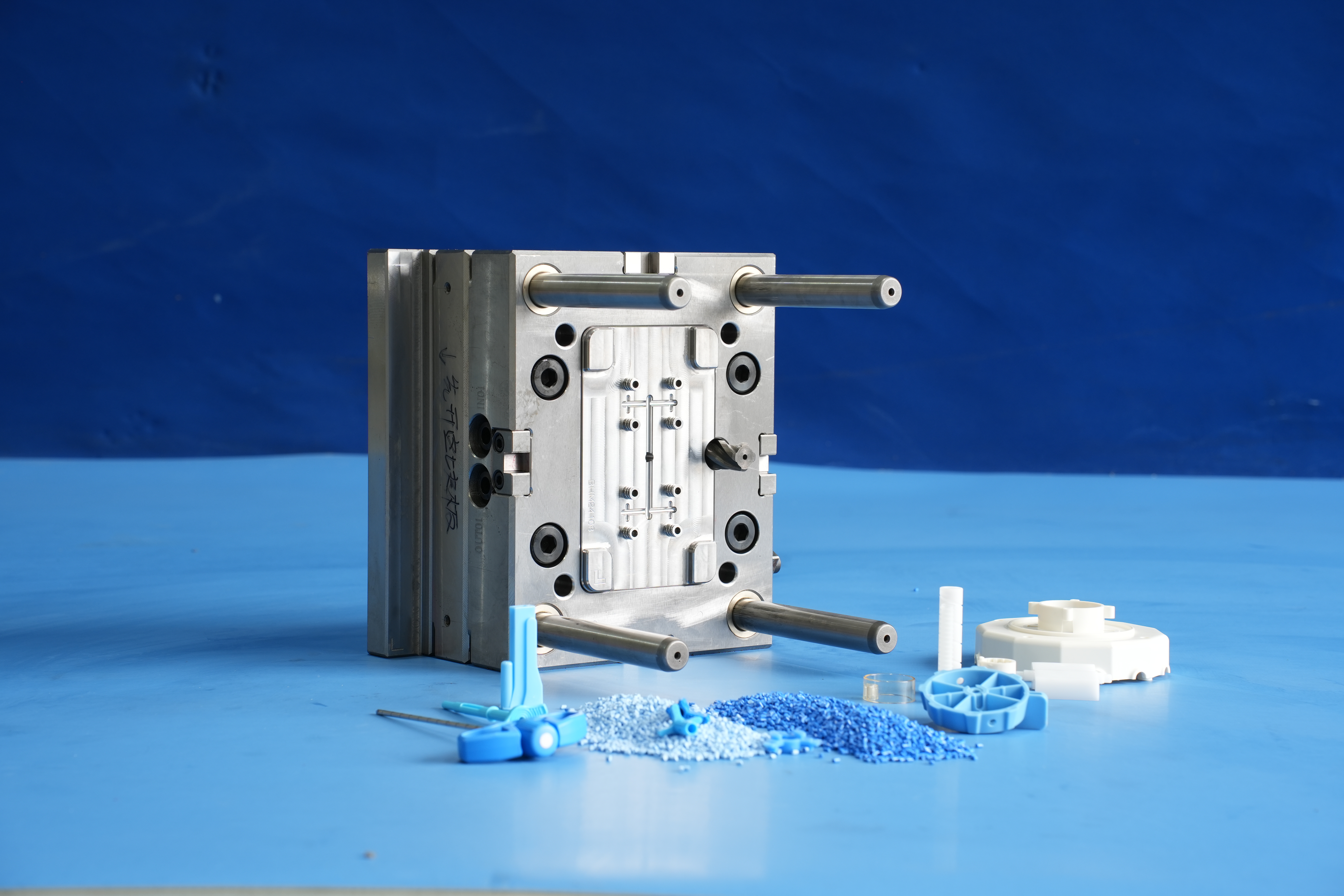
I partner eccezionali per lo stampaggio a iniezione offrono un supporto completo nella progettazione, ottimizzando i componenti per l'efficienza produttiva. I principi del design for manufacturability aiutano a ridurre i costi di produzione, migliorando al contempo la qualità dei pezzi e riducendo i tempi di ciclo. Ingegneri esperti identificano precocemente eventuali problemi di stampaggio nel processo di progettazione, prevenendo costose riprogettazioni e ritardi nella produzione.
Un software avanzato di simulazione consente agli ingegneri di prevedere il flusso del materiale, identificare potenziali difetti e ottimizzare la posizione dei punti d'iniezione prima dell'inizio della costruzione degli stampi. Questa validazione virtuale riduce i tempi di sviluppo e minimizza il rischio di modifiche agli stampi durante l'avvio della produzione. Le capacità di simulazione supportano inoltre le decisioni relative alla selezione dei materiali, prevedendo il comportamento di diversi polimeri durante lo stampaggio.
Prototipazione e Sviluppo Rapido
I principali produttori offrono servizi di prototipazione rapida che accelerano i tempi di sviluppo del prodotto. Le tecnologie di stampa 3D consentono una rapida produzione di prototipi funzionali per test e validazione. Questi prototipi permettono ai team di progettazione di valutare forma, adattamento e funzionalità prima di effettuare investimenti in attrezzature produttive.
La prototipazione mediante stampaggio a iniezione con utensili morbidi o stampi in alluminio fornisce componenti che rappresentano in modo fedele la qualità di produzione, consentendo al contempo affinamenti del design. Questo approccio colma il divario tra prototipi stampati in 3D e produzione completa, permettendo test approfonditi con materiali intesi per la produzione. La capacità di iterazione rapida supporta metodologie di sviluppo agile e riduce le pressioni sui tempi di commercializzazione.
Gestione della catena di approvvigionamento e presenza globale
Relazioni Strategiche con i Fornitori
Le eccezionali aziende di stampaggio a iniezione mantengono relazioni strategiche con fornitori chiave lungo tutta la catena di approvvigionamento. Questi partenariati garantiscono un accesso affidabile a materiali, componenti e servizi di alta qualità. Relazioni solide con i fornitori offrono inoltre un accesso anticipato a nuove tecnologie e materiali, abilitando opportunità di innovazione per i clienti.
La resilienza della catena di approvvigionamento diventa sempre più importante nei mercati globali soggetti a interruzioni causate da disastri naturali, instabilità politica o volatilità economica. I produttori leader sviluppano reti di fornitori diversificate che offrono alternative quando le fonti principali non sono disponibili. Questa ridondanza garantisce la continuità della produzione anche in circostanze difficili.
Reti di Produzione Globale
I fornitori multinazionali di stampaggio a iniezione offrono capacità produttive globali che supportano i clienti con requisiti di mercato internazionali. Più sedi produttive garantiscono una diversificazione geografica consentendo al contempo un supporto locale ai mercati. Questa presenza globale riduce i costi di trasporto e i tempi di consegna, offrendo al contempo vantaggi in termini di copertura valutaria.
Le capacità di trasferimento tecnologico assicurano una qualità costante tra diverse sedi produttive. Processi standardizzati, specifiche degli equipaggiamenti e programmi formativi mantengono standard uniformi indipendentemente dalla località di produzione. Questa coerenza permette una flessibile allocazione della capacità produttiva mantenendo standard qualitativi elevati in tutta la rete manifatturiera.
Domande frequenti
Quali qualifiche devo cercare quando si sceglie un produttore per lo stampaggio a iniezione?
Cercate produttori dotati di certificazioni settoriali rilevanti, attrezzature moderne, personale tecnico esperto e comprovata esperienza nel vostro specifico settore applicativo. Verificate i loro sistemi di gestione della qualità, le capacità di gestione dei materiali e la capacità di fornire supporto progettuale durante tutto il processo di sviluppo del prodotto.
Quanto è importante l'automazione nelle moderne operazioni di stampaggio a iniezione?
L'automazione migliora significativamente la coerenza, riduce i costi del lavoro e consente capacità produttive 24/7. I moderni sistemi automatizzati offrono anche un migliore controllo qualità grazie alla movimentazione costante e ai processi integrati di ispezione. Tuttavia, il livello di automazione deve corrispondere al volume di produzione e ai requisiti di qualità.
Qual è il ruolo dell'esperienza nei materiali nei progetti di stampaggio a iniezione di successo?
L'esperienza nei materiali è fondamentale per ottimizzare le prestazioni dei componenti, ridurre i costi e garantire la conformità alle normative. I produttori esperti possono consigliare materiali alternativi che offrono migliori prestazioni o vantaggi economici, pur soddisfacendo tutti i requisiti funzionali. Questa competenza diventa particolarmente preziosa per applicazioni specializzate con esigenze prestazionali uniche.
Come fanno i produttori leader a garantire una qualità costante tra diverse serie di produzione?
La coerenza della qualità richiede sistemi di controllo di processo robusti, documentazione completa, manutenzione regolare delle attrezzature e formazione continua degli operatori. Metodi di controllo statistico del processo monitorano in tempo reale i parametri chiave, consentendo correzioni immediate in caso di variazioni. I sistemi di tracciabilità assicurano che eventuali problemi di qualità possano essere identificati e corretti rapidamente.
Table of Contents
- Standard Avanzati di Tecnologia e Attrezzature
- Esperienza e innovazione nella scienza dei materiali
- Sistemi Qualità ed Eccellenza nelle Certificazioni
- Supporto alla Progettazione e Capacità di Ingegneria
- Gestione della catena di approvvigionamento e presenza globale
-
Domande frequenti
- Quali qualifiche devo cercare quando si sceglie un produttore per lo stampaggio a iniezione?
- Quanto è importante l'automazione nelle moderne operazioni di stampaggio a iniezione?
- Qual è il ruolo dell'esperienza nei materiali nei progetti di stampaggio a iniezione di successo?
- Come fanno i produttori leader a garantire una qualità costante tra diverse serie di produzione?
