Advanced Surgical Devices: Precision Instruments for Superior Patient Outcomes and Operational Excellence

Get a Quote
Get a Quote

surgical devices

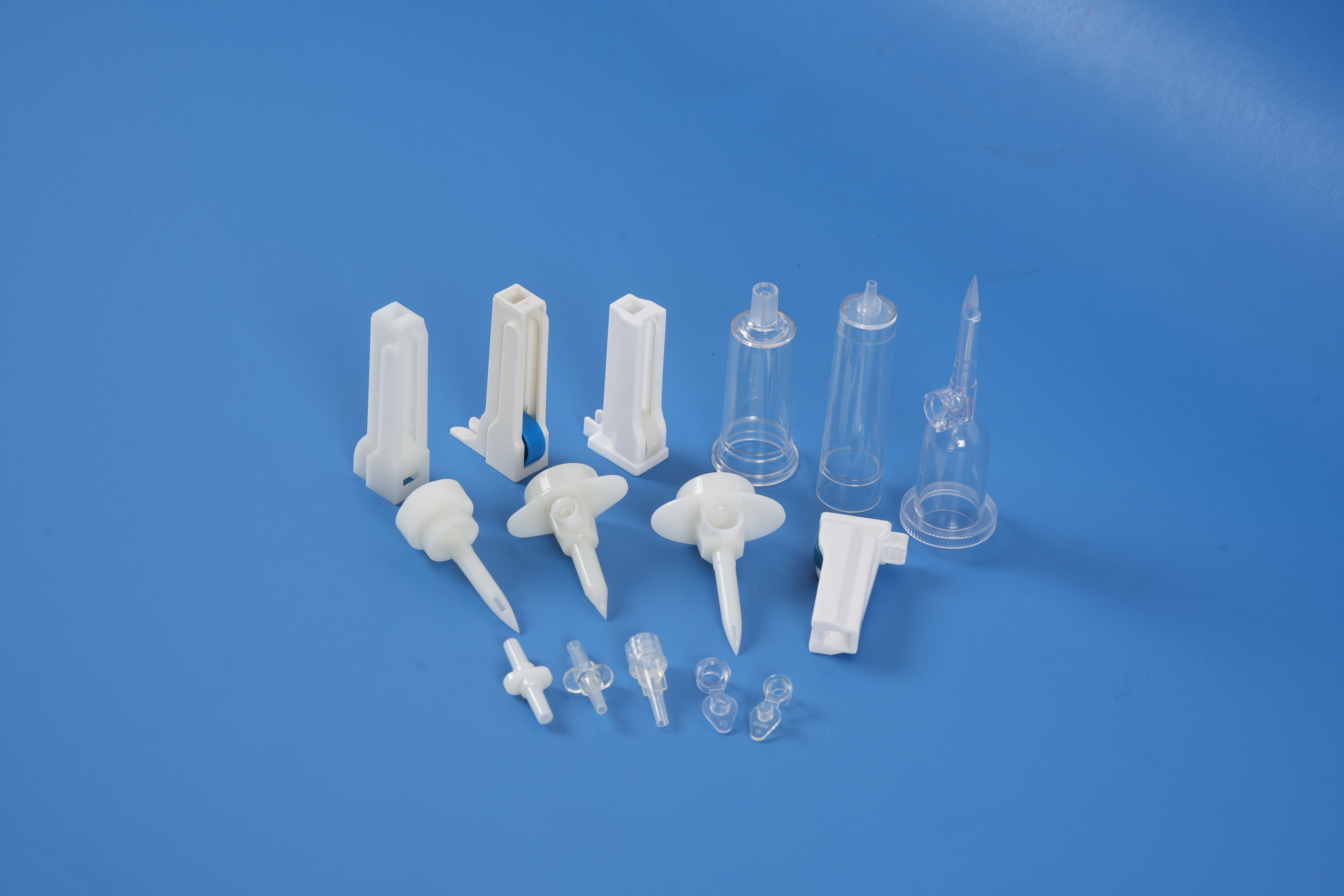
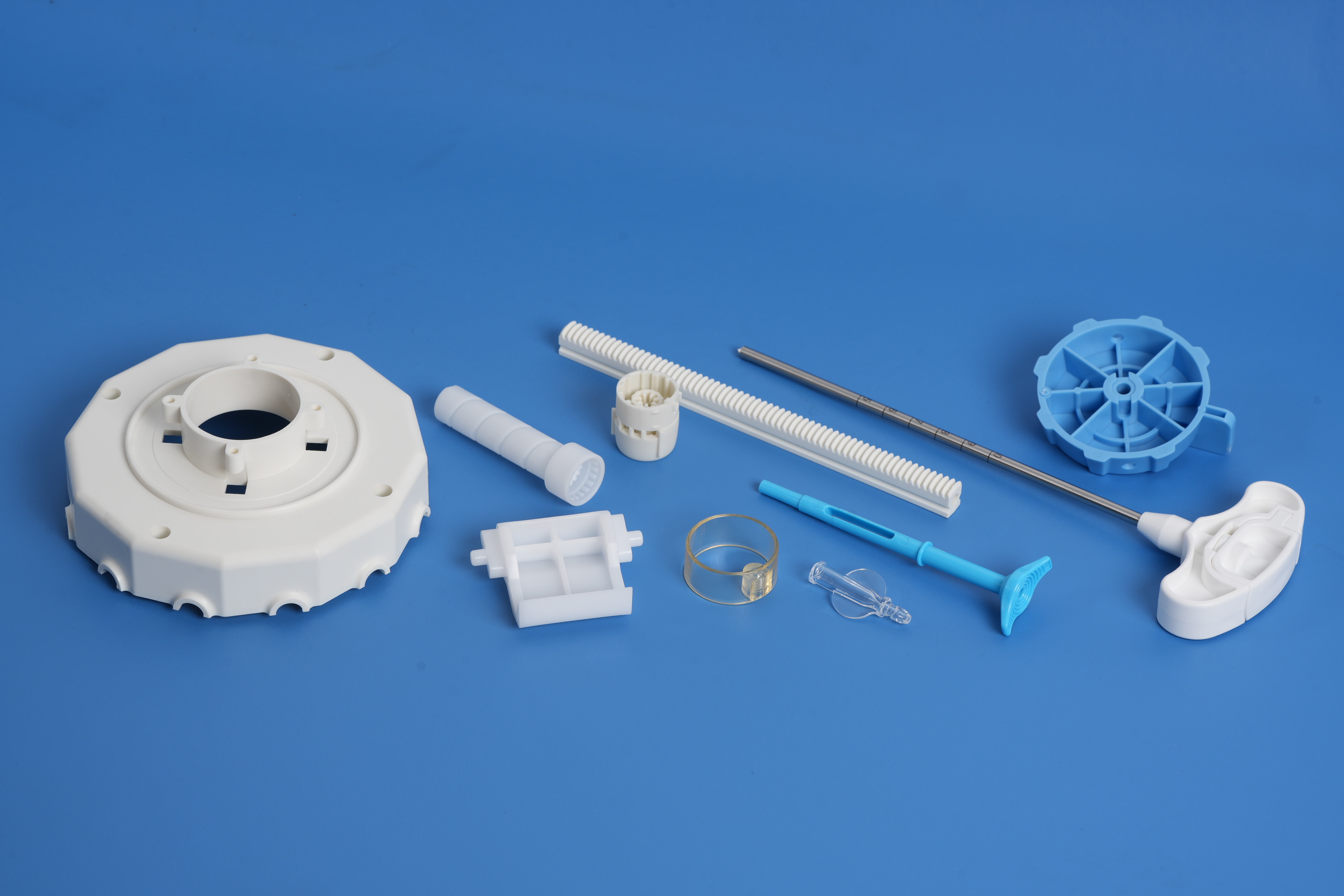
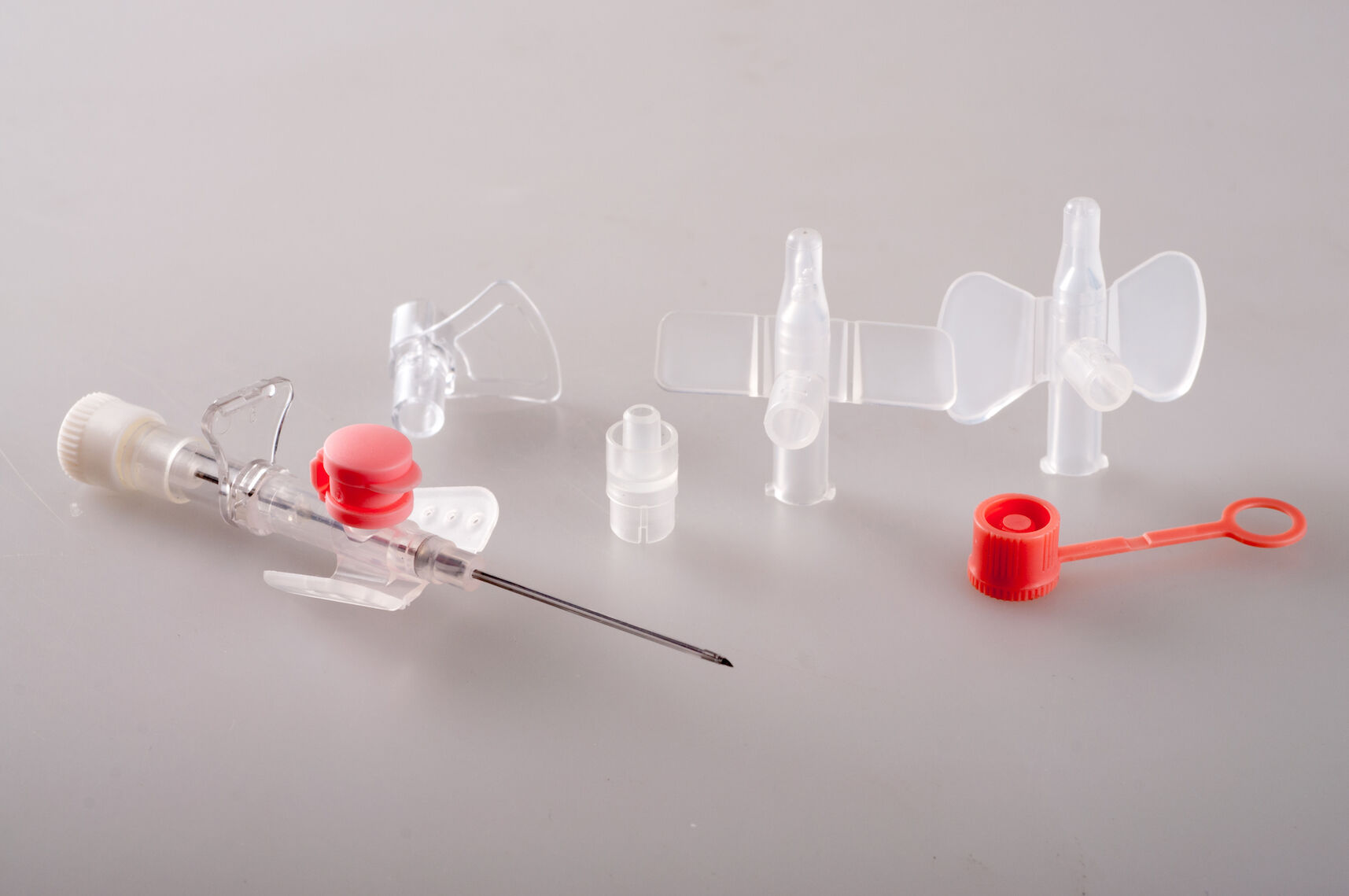
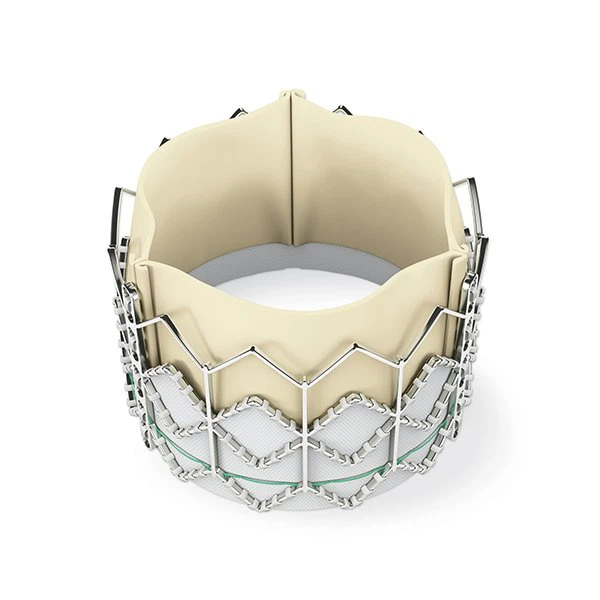
Surgical devices represent a cornerstone of modern medical practice, encompassing a wide range of instruments and equipment designed to facilitate precise, safe, and effective surgical procedures. These sophisticated tools have revolutionized healthcare delivery by enabling surgeons to perform complex operations with enhanced accuracy and minimal invasiveness. Surgical devices include cutting instruments, retractors, forceps, suction apparatus, electrosurgical units, imaging equipment, and specialized robotic systems that work together to create optimal operating conditions. The main functions of surgical devices center on tissue manipulation, incision creation, hemostasis control, visualization enhancement, and precise anatomical navigation during operative procedures. Modern surgical devices incorporate advanced technological features such as ergonomic handle designs that reduce surgeon fatigue, precision-engineered edges that ensure clean tissue separation, antimicrobial coatings that minimize infection risks, and integrated sensor systems that provide real-time feedback during procedures. Many contemporary surgical devices utilize materials like medical-grade stainless steel, titanium alloys, and biocompatible polymers that offer durability, sterilization compatibility, and patient safety. The applications of surgical devices span virtually every medical specialty, from cardiovascular and neurosurgery to orthopedics, gastroenterology, and cosmetic procedures. In minimally invasive surgery, specialized surgical devices enable procedures through small incisions, dramatically reducing patient recovery times and postoperative complications. Laparoscopic surgical devices, for instance, allow surgeons to operate through tiny ports while viewing magnified internal images on high-definition monitors. Endoscopic surgical devices provide access to internal organs without large external incisions, transforming treatments for digestive, respiratory, and urological conditions. The continuous evolution of surgical devices reflects ongoing research into materials science, biomechanics, and digital integration, ensuring that healthcare providers have access to instruments that meet the demanding requirements of contemporary surgical practice while prioritizing patient outcomes and procedural efficiency.
The advantages of surgical devices extend far beyond basic functionality, delivering tangible benefits that transform surgical outcomes and enhance patient experiences. First and foremost, modern surgical devices dramatically improve precision during operations, allowing surgeons to work with millimeter accuracy that was previously impossible. This precision translates directly into better patient outcomes, fewer complications, and faster recovery periods. Patients benefit from reduced trauma to surrounding tissues because advanced surgical devices enable targeted interventions that spare healthy structures while addressing pathology effectively. The ergonomic design of contemporary surgical devices reduces physical strain on surgical teams, allowing them to maintain focus and dexterity throughout lengthy procedures without experiencing debilitating fatigue. This human-centered design approach means surgeons can perform more procedures safely while maintaining consistent quality standards. Another significant advantage involves the sterility and infection control features built into modern surgical devices. Many instruments feature surface treatments and material compositions that resist bacterial colonization, reducing the risk of surgical site infections that can compromise patient recovery and increase healthcare costs. The durability of quality surgical devices represents a practical financial advantage for healthcare facilities, as instruments that withstand repeated sterilization cycles and maintain their functional integrity deliver better long-term value than frequently replaced alternatives. Surgical devices designed for minimally invasive procedures offer patients smaller scars, reduced pain, shorter hospital stays, and quicker returns to normal activities compared to traditional open surgery approaches. These benefits resonate strongly with patients who value both clinical outcomes and quality of life considerations. The versatility of modern surgical devices allows single instruments to serve multiple functions, streamlining surgical trays and reducing the complexity of instrument management for operating room staff. This versatility also means healthcare facilities can optimize their equipment inventories, focusing resources on multi-purpose surgical devices rather than maintaining extensive collections of single-use specialized tools. Integration capabilities represent another practical advantage, as many surgical devices now connect with imaging systems, electronic health records, and monitoring equipment to create seamless information flow throughout the surgical environment. This connectivity enhances decision-making, documentation accuracy, and procedural efficiency. Training accessibility has improved significantly with modern surgical devices, as manufacturers provide comprehensive educational resources, simulation opportunities, and ongoing support that help surgical teams master new techniques and technologies confidently. The standardization of surgical devices across facilities enables surgeons to maintain consistent technique regardless of location, supporting quality care delivery in diverse healthcare settings while facilitating professional mobility and collaboration.

Latest News

What's the difference between OEM tooling and regular tooling?

22

Oct

What's the difference between OEM tooling and regular tooling?

Understanding the Core Distinctions of Original Equipment Manufacturing Tools The manufacturing industry relies heavily on precision tools and equipment to create high-quality products. When it comes to tooling solutions, there's often confusion betw...
View More
What Sets a Leading Injection Manufacturer Apart?

27

Nov

What Sets a Leading Injection Manufacturer Apart?

The manufacturing landscape for injection molding has evolved dramatically over the past decade, with companies facing increasing demands for precision, efficiency, and cost-effectiveness. As industries ranging from automotive to medical devices requ...
View More
Tips for Finding the Best Injection Manufacturer for Your Needs

27

Nov

Tips for Finding the Best Injection Manufacturer for Your Needs

Selecting the right injection manufacturer is a critical decision that can significantly impact your product quality, production timelines, and overall business success. Whether you're developing medical devices, automotive components, or consumer pr...
View More

06

Jan

The healthcare industry continues to evolve at an unprecedented pace, driven by technological advancements and increasing patient care demands. Modern healthcare facilities require sophisticated medical equipment that not only meets current clinical ...
View More

Get a Free Quote

Our representative will contact you soon.
0/1000
Enhanced Patient Safety Through Advanced Engineering

Enhanced Patient Safety Through Advanced Engineering

Patient safety stands as the paramount concern in surgical practice, and modern surgical devices address this priority through sophisticated engineering solutions that minimize risks at every stage of operative intervention. The development of surgical devices with integrated safety mechanisms represents a fundamental shift from passive tools to active protection systems that prevent common complications before they occur. Contemporary surgical devices incorporate features like depth limiters that prevent unintended penetration into critical structures, automatic shut-off systems that halt energy delivery when tissue impedance changes indicate potential thermal injury, and color-coded components that eliminate confusion during instrument selection in time-critical moments. The materials used in surgical devices undergo rigorous biocompatibility testing to ensure they do not trigger adverse reactions when contacting patient tissues or bodily fluids. Surface finishing techniques applied to surgical devices eliminate microscopic irregularities that could harbor pathogens or cause unintended tissue trauma during manipulation. Surgical devices designed with rounded edges and smooth transitions reduce the likelihood of accidental punctures or tears to surgical gloves, drapes, and patient tissues. The implementation of single-use surgical devices for certain applications eliminates concerns about incomplete sterilization or material degradation that could compromise patient safety during subsequent procedures. Reusable surgical devices benefit from design features that facilitate thorough cleaning and sterilization, with disassembly capabilities that allow inspection of all surfaces and elimination of organic material that might otherwise persist in crevices or joints. Surgical devices equipped with insulation monitoring systems alert users to coating breaches that could cause unintended electrical burns during electrosurgical procedures. The ergonomic design of surgical devices contributes to safety by reducing the likelihood of surgeon error caused by hand fatigue, awkward positioning, or compromised visibility during demanding procedures. Surgical devices with intuitive operation reduce the learning curve for new team members and minimize the potential for misuse that could endanger patients. Manufacturers of surgical devices invest heavily in post-market surveillance systems that identify emerging safety concerns and enable rapid response through design modifications, user notifications, or recall procedures when necessary to protect patient welfare.
Operational Efficiency and Cost-Effectiveness

Operational Efficiency and Cost-Effectiveness

Healthcare facilities face constant pressure to deliver excellent clinical outcomes while managing operational costs, and surgical devices play a crucial role in achieving this delicate balance through design features that optimize efficiency without compromising quality. The operational advantages of modern surgical devices begin with streamlined workflows that reduce procedure times, allowing surgical teams to serve more patients while maintaining high standards of care. Surgical devices engineered for quick setup and intuitive operation minimize preparation time, enabling operating rooms to achieve faster turnover between cases and maximize facility utilization. The durability of quality surgical devices translates into lower replacement costs over time, as instruments that maintain their functional integrity through hundreds of sterilization cycles deliver superior return on investment compared to cheaper alternatives requiring frequent replacement. Surgical devices designed with modular components allow facilities to replace worn elements rather than entire instruments, extending useful life and reducing waste while maintaining optimal performance. The versatility of multi-functional surgical devices reduces the number of instruments required for specific procedures, simplifying inventory management, reducing sterilization processing volumes, and lowering the capital investment needed to equip operating rooms adequately. Surgical devices that facilitate minimally invasive approaches generate cost savings through shorter hospital stays, reduced medication requirements, fewer complications requiring additional interventions, and faster patient returns to productive activities. The compatibility of standardized surgical devices across multiple procedure types allows surgical teams to develop consistent handling techniques that improve efficiency and reduce the learning curves associated with specialized instruments. Surgical devices with integrated technology reduce reliance on separate monitoring or imaging equipment, consolidating functionality and reducing the complexity of operating room setups. Energy-efficient surgical devices lower operational costs by reducing electricity consumption during procedures while maintaining consistent performance throughout extended operations. The ease of maintenance associated with well-engineered surgical devices minimizes downtime and repair costs, ensuring instruments remain available when needed rather than sitting idle awaiting service. Surgical devices that generate comprehensive usage data enable healthcare facilities to optimize procurement decisions, identifying which instruments deliver the best value and which might be underutilized given their acquisition costs.
Innovation Supporting Superior Clinical Outcomes

Innovation Supporting Superior Clinical Outcomes

The continuous innovation in surgical devices directly impacts the quality of patient care, enabling procedures that were previously impossible and improving results across all surgical specialties. Advanced surgical devices incorporate cutting-edge technologies like micro-robotics, artificial intelligence, and smart materials that respond dynamically to surgical conditions, elevating the capabilities of even experienced surgeons. Surgical devices with haptic feedback systems provide tactile information about tissue characteristics, allowing surgeons to distinguish between healthy and diseased structures with enhanced sensitivity that surpasses natural touch alone. Imaging integration in surgical devices enables real-time visualization of instrument positioning relative to anatomical structures, reducing the risk of unintended injury to critical vessels, nerves, or organs during complex dissections. Surgical devices designed for specific anatomical applications feature geometries and dimensions optimized for those particular regions, allowing access and manipulation that generic instruments cannot achieve. The precision manufacturing of surgical devices ensures consistent performance across instrument batches, eliminating variability that could affect procedural outcomes and allowing surgeons to develop refined techniques based on predictable instrument behavior. Surgical devices incorporating energy delivery systems provide controlled tissue effects ranging from precise cutting to bulk coagulation, giving surgeons versatile tools that adapt to changing procedural requirements without instrument exchanges. The development of flexible surgical devices enables navigation through curved anatomical pathways, expanding the range of minimally invasive approaches and reducing the need for more traumatic access routes. Surgical devices with integrated sensors monitor parameters like temperature, pressure, and electrical impedance, providing data that informs real-time decision-making and helps prevent complications before they manifest clinically. The miniaturization of surgical devices continues to advance, enabling interventions through increasingly small access points that further reduce patient trauma and accelerate recovery trajectories. Bioabsorbable surgical devices represent an innovative category that eliminates the need for removal procedures, as materials gradually dissolve after serving their temporary structural or hemostatic functions. Surgical devices designed for pediatric applications address the unique anatomical and physiological considerations of younger patients, ensuring appropriate sizing and force characteristics for delicate tissues. The customization capabilities of modern surgical devices allow creation of patient-specific instruments based on preoperative imaging, optimizing fit and function for complex anatomical variations or reconstructive procedures.