PVC Medical Device Solutions - Flexible, Safe & Cost-Effective Healthcare Equipment

Get a Quote
Get a Quote

pvc medical device

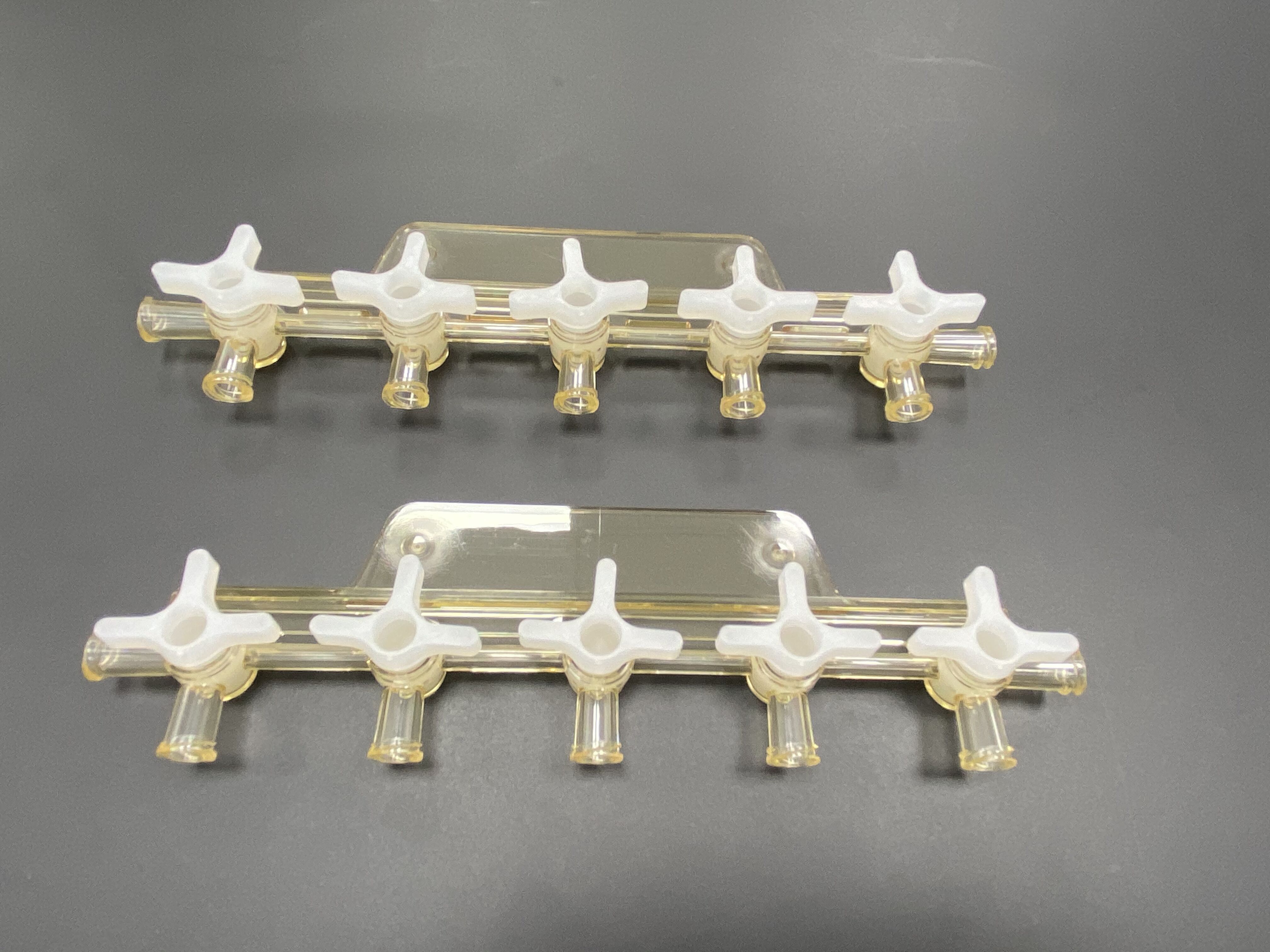
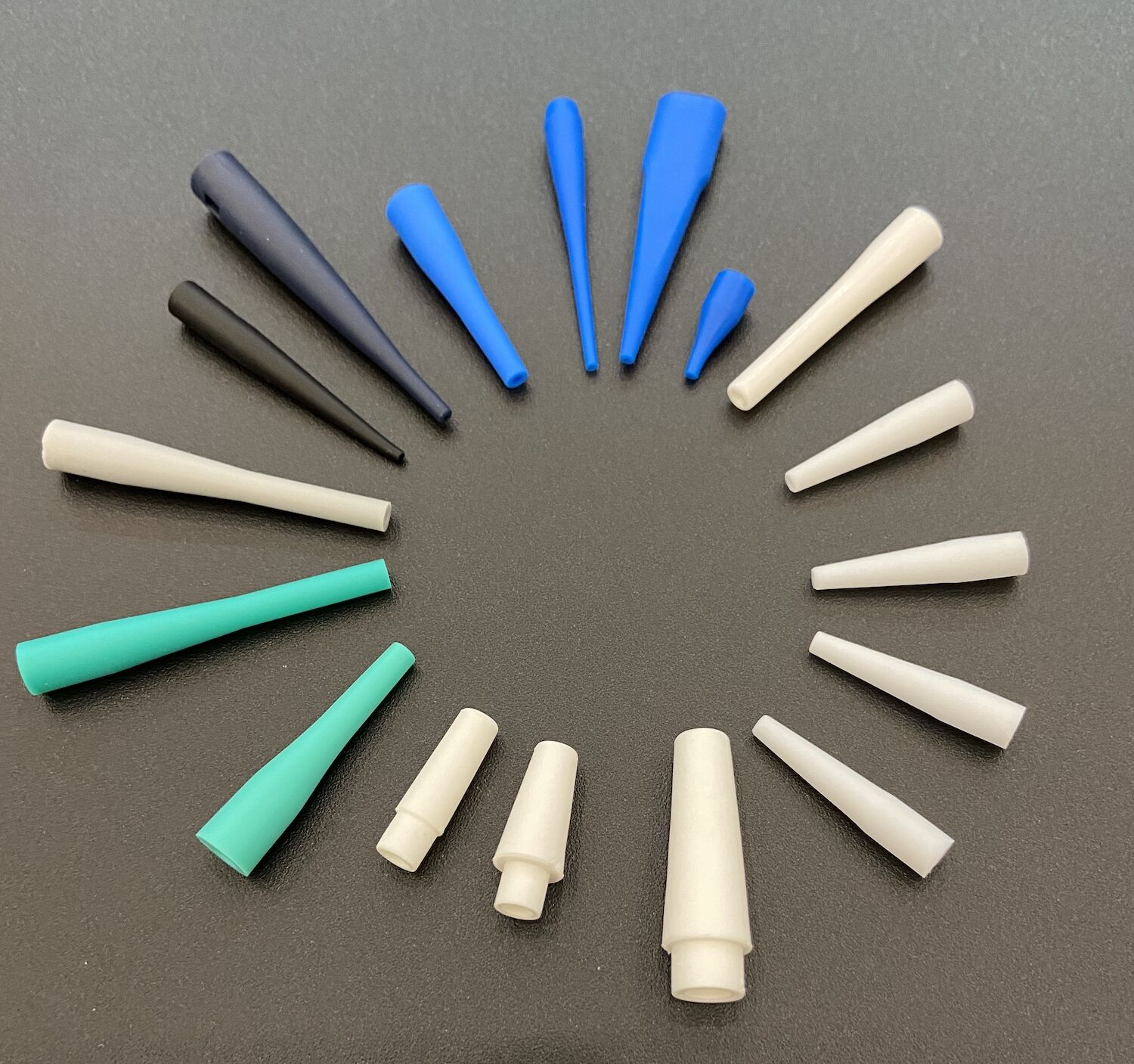
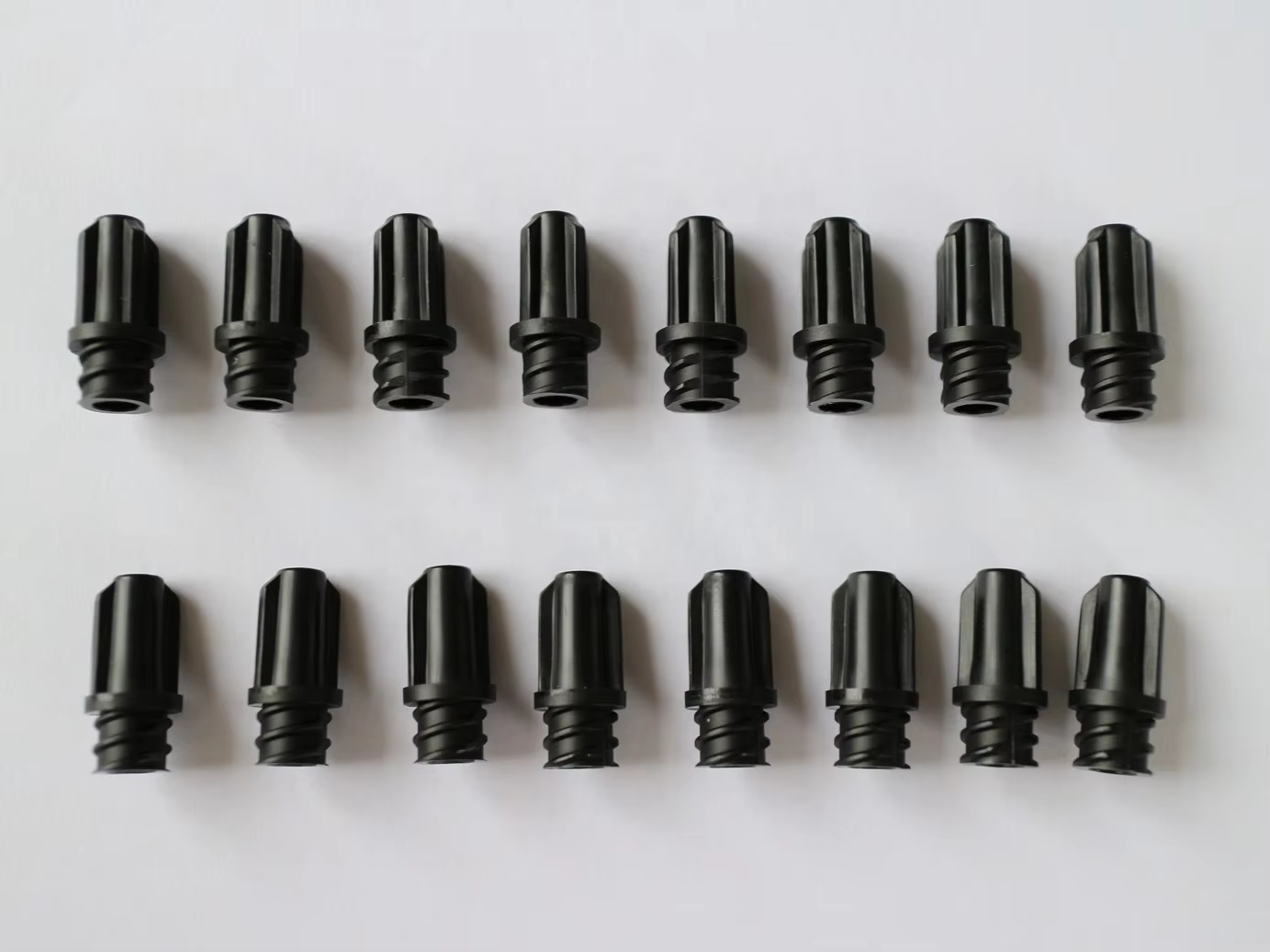
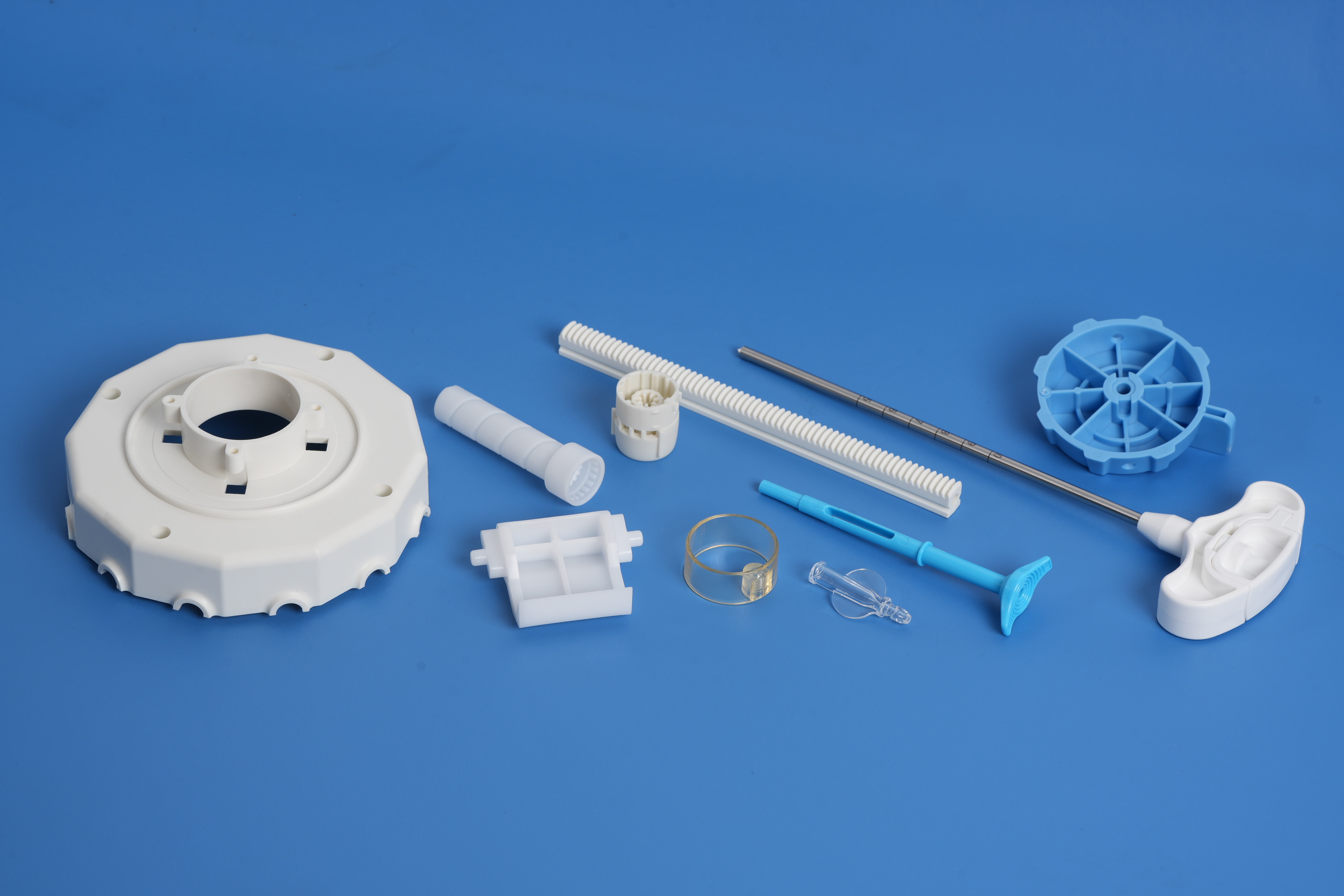
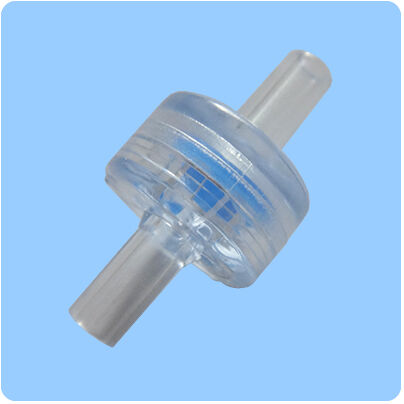
A PVC medical device represents a critical component in modern healthcare delivery systems, manufactured from polyvinyl chloride polymer materials that have been specifically engineered to meet stringent medical standards. These devices encompass a wide range of medical equipment including intravenous tubes, catheters, blood bags, oxygen masks, surgical gloves, breathing circuits, dialysis tubing, and various fluid administration systems. The primary function of a PVC medical device is to facilitate safe and effective delivery of medications, fluids, oxygen, and other therapeutic substances to patients while maintaining sterility and preventing contamination. The technological features of PVC medical devices include biocompatibility testing to ensure they do not cause adverse reactions when in contact with bodily tissues or fluids, flexibility that allows easy manipulation during medical procedures, transparency that enables healthcare providers to monitor fluid flow and detect air bubbles or particulates, and chemical resistance that prevents degradation when exposed to various medications and solutions. Advanced manufacturing processes ensure these devices maintain consistent quality with smooth interior surfaces that minimize friction and prevent clotting. Many PVC medical devices incorporate plasticizers such as DEHP or non-DEHP alternatives to enhance flexibility, though newer formulations increasingly use safer plasticizer options in response to regulatory guidance. Applications span across multiple medical specialties including emergency medicine, intensive care units, surgical theaters, dialysis centers, home healthcare settings, and ambulatory care facilities. In hospital environments, PVC medical devices serve as the backbone of patient care infrastructure, enabling everything from simple saline administration to complex chemotherapy protocols. Their disposable nature reduces infection risks associated with reusable equipment, while their cost-effectiveness makes advanced medical care more accessible. The versatility of PVC as a material allows manufacturers to create devices with varying degrees of rigidity, wall thickness, and dimensional specifications to suit different clinical requirements, making PVC medical devices indispensable tools in contemporary medical practice across diverse healthcare settings worldwide.
Healthcare facilities choose PVC medical devices because they deliver exceptional value through multiple practical benefits that directly impact patient care quality and operational efficiency. The cost-effectiveness of these devices stands out as a primary advantage, allowing hospitals and clinics to maintain adequate supply inventories without straining budgets, which proves especially important for facilities serving large patient populations or operating in resource-limited settings. This affordability does not come at the expense of quality, as PVC medical devices meet rigorous safety standards while remaining financially accessible. The flexibility inherent in PVC material means these devices can navigate anatomical pathways smoothly, reducing patient discomfort during insertion and minimizing tissue trauma, which translates to better patient experiences and fewer complications. Healthcare providers appreciate the transparency of PVC medical devices because it enables quick visual inspection of fluid movement, immediate detection of any blockages or air bubbles, and confirmation that medications are flowing properly, all without needing to disconnect or disturb the setup. This visual monitoring capability enhances patient safety by allowing rapid intervention if problems arise. The chemical stability of PVC medical devices ensures they remain intact when exposed to various pharmaceutical compounds, disinfectants, and bodily fluids, preventing degradation that could compromise treatment efficacy or introduce contaminants into the patient's system. Sterility assurance represents another crucial advantage, as manufacturers can sterilize PVC medical devices using multiple methods including ethylene oxide gas, gamma radiation, or steam, providing flexibility in processing while guaranteeing pathogen elimination. The lightweight nature of these devices reduces shipping costs, simplifies storage requirements, and makes handling easier for medical staff during busy clinical scenarios. Single-use design eliminates cross-contamination risks between patients, addressing a major concern in infection control protocols and supporting hospital efforts to reduce healthcare-associated infections. The manufacturing consistency achieved with PVC medical devices means each unit performs identically to the last, creating predictability that healthcare providers rely upon during critical procedures. Compatibility with standard medical equipment connectors and fittings ensures seamless integration into existing hospital infrastructure without requiring costly system overhauls or special adapters. The kink-resistant properties of properly formulated PVC medical devices maintain uninterrupted flow even when tubing bends at acute angles, preventing treatment interruptions that could affect patient outcomes. Environmental considerations have improved as manufacturers develop recycling programs and reduce packaging waste associated with PVC medical devices, addressing sustainability concerns while maintaining the clinical performance that healthcare providers demand for optimal patient care delivery.

Latest News

What are the technical challenges in precision OEM tooling manufacturing?

22

Oct

What are the technical challenges in precision OEM tooling manufacturing?

Understanding the Complex World of Advanced Manufacturing Technologies The realm of precision OEM tooling represents one of manufacturing's most demanding sectors, where tolerances are measured in microns and quality standards are uncompromising. As ...
View More
How Can Custom Mold and OEM Molding Improve Product Manufacturing Efficiency?

23

Dec

How Can Custom Mold and OEM Molding Improve Product Manufacturing Efficiency?

Manufacturing efficiency has become the cornerstone of competitive advantage in today's industrial landscape. Companies across various sectors are discovering that traditional manufacturing approaches often fall short of meeting modern demands for pr...
View More
What Should Companies Consider When Ordering Custom Mold and OEM Molding Services?

23

Dec

What Should Companies Consider When Ordering Custom Mold and OEM Molding Services?

Manufacturing companies across industries increasingly rely on custom mold solutions to create precise, high-quality components that meet their specific requirements. The decision to invest in custom mold fabrication represents a significant strategi...
View More

06

Jan

The healthcare industry continues to evolve at an unprecedented pace, driven by technological advancements and increasing patient care demands. Modern healthcare facilities require sophisticated medical equipment that not only meets current clinical ...
View More

Get a Free Quote

Our representative will contact you soon.
0/1000
Superior Biocompatibility Ensuring Patient Safety

Superior Biocompatibility Ensuring Patient Safety

The biocompatibility of PVC medical devices represents perhaps their most critical attribute, as it directly impacts patient safety and treatment outcomes across all clinical applications. Manufacturers subject PVC medical devices to extensive biocompatibility testing protocols following ISO 10993 standards, which evaluate cytotoxicity, sensitization potential, irritation responses, systemic toxicity, and hemocompatibility to ensure these devices will not trigger adverse biological reactions when they come into contact with blood, tissues, or other bodily substances. This rigorous testing process examines how PVC medical devices interact with living systems at the cellular and molecular levels, identifying any potential for inflammatory responses, allergic reactions, or toxic effects before products reach clinical use. The formulation of medical-grade PVC compounds specifically for healthcare applications involves careful selection of base resins, plasticizers, stabilizers, and additives that have demonstrated safety profiles through decades of clinical experience and scientific research. Modern PVC medical device manufacturers increasingly utilize non-DEHP plasticizers in response to regulatory guidance and healthcare provider preferences, offering alternatives such as DINCH, TOTM, or DEHP-free formulations that maintain the flexibility and performance characteristics essential for medical applications while addressing concerns about plasticizer migration and long-term exposure effects. The biocompatibility advantage extends beyond mere chemical safety to encompass physical compatibility as well, with PVC medical devices engineered to have smooth interior surfaces that minimize platelet adhesion and reduce thrombosis risk during intravascular applications, while exterior surfaces resist bacterial colonization that could lead to device-related infections. Clinical studies have demonstrated that properly manufactured PVC medical devices exhibit minimal tissue reactivity, making them suitable for both short-term acute care applications and longer-term indwelling uses where devices remain in contact with patient tissues for extended periods. Healthcare providers trust PVC medical devices because this proven biocompatibility record means they can focus on delivering optimal patient care without worrying about device-related complications that might compromise treatment effectiveness or patient wellbeing. The consistent biocompatibility performance of PVC medical devices across diverse patient populations, including pediatric, adult, and geriatric age groups, as well as patients with various underlying health conditions, demonstrates the versatility and reliability that makes these devices fundamental to modern medical practice in virtually every healthcare setting worldwide.
Exceptional Flexibility Supporting Diverse Clinical Applications

Exceptional Flexibility Supporting Diverse Clinical Applications

The remarkable flexibility of PVC medical devices enables their use across an extraordinarily wide spectrum of medical procedures and clinical scenarios, from routine intravenous therapy to highly specialized surgical interventions requiring precise instrument manipulation. This flexibility stems from the unique molecular structure of polyvinyl chloride when combined with appropriate plasticizers, creating a material that can bend, twist, and conform to complex anatomical structures without kinking, cracking, or losing its functional integrity. For catheter applications, the flexibility of PVC medical devices allows these instruments to navigate through tortuous blood vessels, reaching target locations deep within the body while minimizing the risk of vessel perforation or patient discomfort during insertion and advancement. Healthcare providers performing vascular access procedures appreciate how PVC medical devices respond to gentle manipulation, threading smoothly through introducers and following guidewires with predictable handling characteristics that reduce procedure times and technical difficulties. In respiratory care settings, the flexibility of PVC medical devices used in breathing circuits and oxygen delivery systems ensures these components can accommodate patient movement without disconnecting or restricting airflow, maintaining therapeutic effectiveness even as patients shift positions or ambulate during recovery. The tubing used in infusion therapy demonstrates how PVC medical device flexibility prevents flow interruption when lines drape over bed rails, loop around IV poles, or navigate around other medical equipment in crowded patient care areas where space constraints require creative routing solutions. Surgical applications benefit from PVC medical device flexibility as well, with drainage tubes, aspiration catheters, and irrigation systems conforming to surgical field contours while maintaining patency and allowing surgeons to position these devices optimally without struggling against rigid materials that might interfere with operative techniques. The temperature-dependent flexibility characteristics of PVC medical devices prove advantageous because these products become slightly more pliable at body temperature, enhancing patient comfort for indwelling devices while maintaining sufficient structural integrity to resist collapse or deformation under typical clinical conditions. Manufacturers can adjust the flexibility of PVC medical devices by modifying plasticizer content and polymer formulations, creating products ranging from semi-rigid structures suitable for applications requiring shape retention to highly flexible variants ideal for applications demanding maximum conformability, thereby offering healthcare providers a complete spectrum of performance options tailored to specific procedural requirements and patient care needs.
Cost-Effective Manufacturing Enabling Healthcare Accessibility

Cost-Effective Manufacturing Enabling Healthcare Accessibility

The cost-effectiveness inherent in PVC medical device manufacturing represents a crucial advantage that extends far beyond simple economics, fundamentally enabling broader access to quality healthcare by making essential medical supplies affordable for facilities operating across diverse financial contexts and resource availability scenarios. The efficient production processes associated with PVC medical devices utilize well-established extrusion, molding, and assembly techniques that have been refined over decades, allowing manufacturers to achieve high output volumes with consistent quality while maintaining competitive pricing structures that benefit healthcare purchasers. Raw material costs for medical-grade PVC compounds remain relatively stable compared to alternative polymers, providing predictable budgeting for both manufacturers and healthcare facilities that rely on steady supply streams without dramatic price fluctuations that could disrupt procurement planning or force difficult allocation decisions. The economies of scale achievable with PVC medical device production mean that even smaller healthcare facilities can afford adequate inventory levels, ensuring they have necessary supplies available for both routine care delivery and unexpected patient surges without maintaining excessive stock that ties up limited capital resources. This affordability advantage proves especially significant for developing healthcare markets where budget constraints might otherwise limit access to single-use sterile devices, potentially forcing reliance on reusable alternatives that carry higher infection risks and require expensive reprocessing infrastructure. The disposable nature of PVC medical devices, while initially appearing to create ongoing expenses, actually delivers cost savings when total ownership calculations account for the labor, utilities, sterilization equipment, quality control testing, and potential liability associated with reusable device reprocessing programs. Healthcare administrators recognize that PVC medical device costs represent predictable per-patient expenses that can be accurately forecasted and budgeted, unlike capital equipment purchases that require major upfront investments and ongoing maintenance expenditures. The competitive marketplace for PVC medical devices benefits healthcare purchasers through multiple supplier options, driving continuous innovation and efficiency improvements that translate into better value propositions without compromising the safety and performance standards that clinical applications demand. Distribution efficiency contributes to cost-effectiveness as well, since the lightweight properties of PVC medical devices reduce shipping expenses, while compact packaging minimizes warehouse space requirements, both factors that ultimately influence the final costs that healthcare facilities pay for these essential supplies. The rapid manufacturing turnaround possible with PVC medical device production helps prevent supply shortages that could force expensive emergency procurement or product substitutions, maintaining continuity of care while avoiding the premium pricing often associated with urgent orders or specialty distributors serving facilities facing inventory crises.