Advanced Mold Manufacturing: Precision Engineering Solutions for Industrial Production

Get a Quote
Get a Quote

mold manufacturing

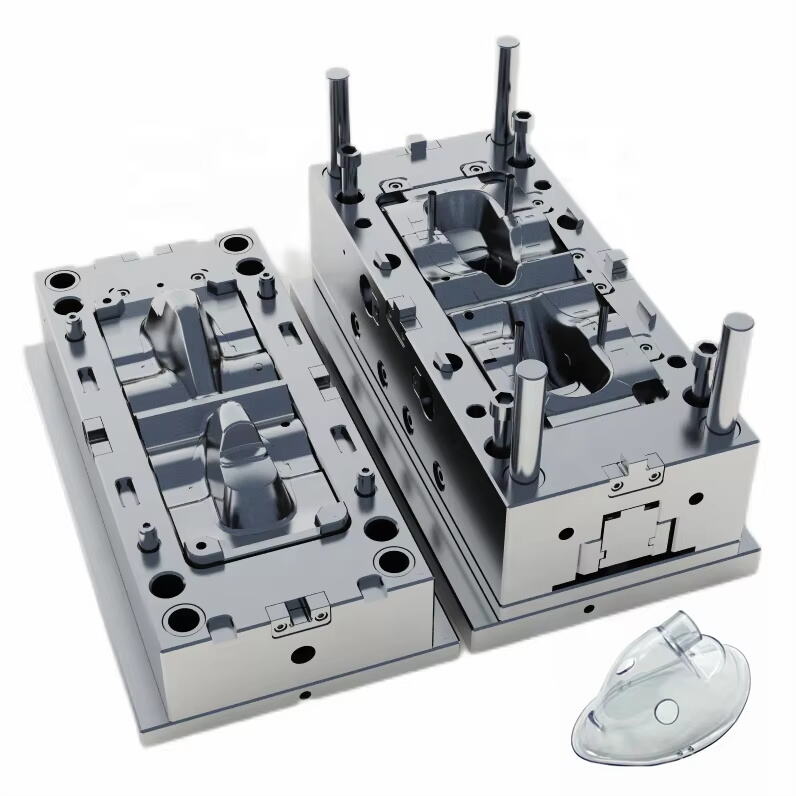
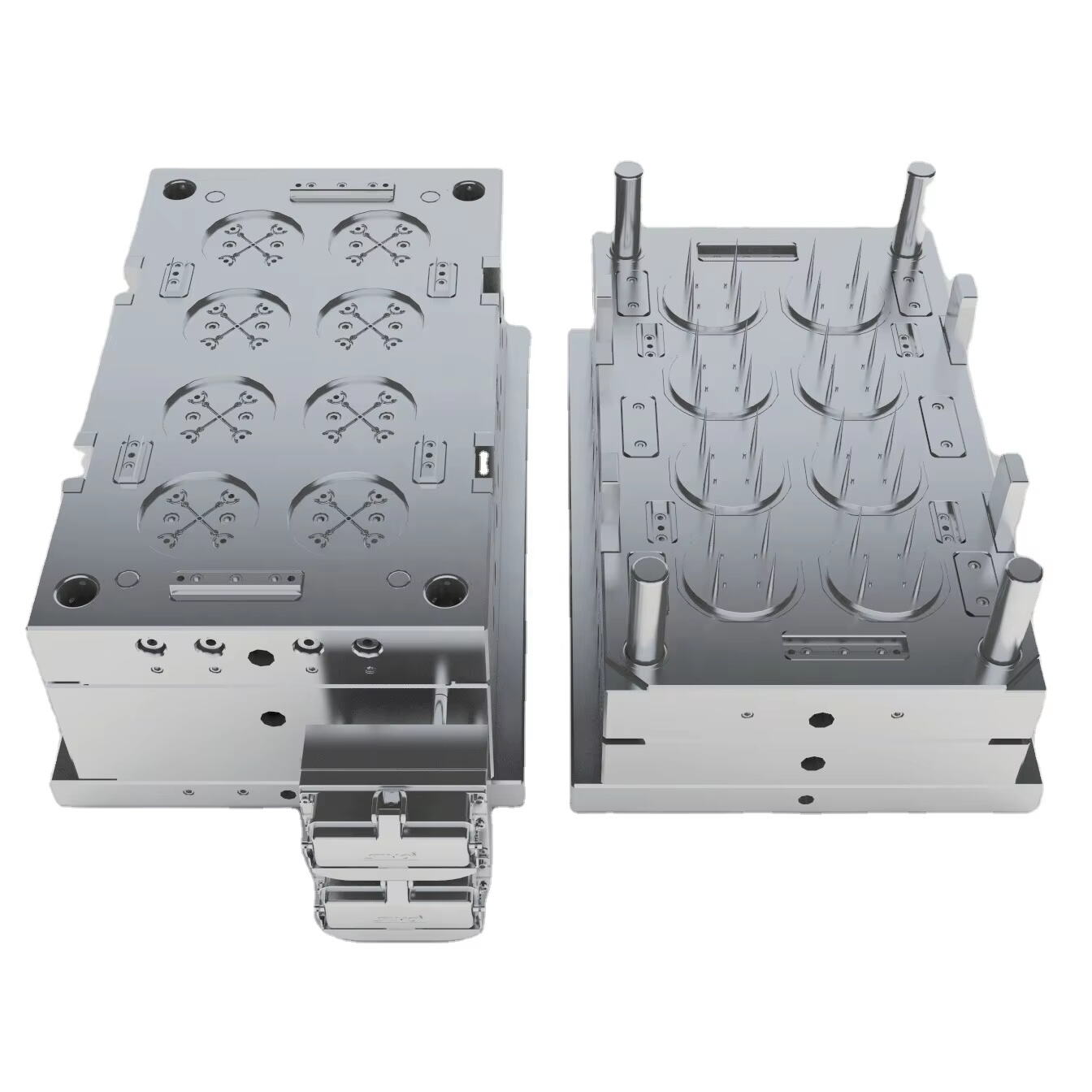
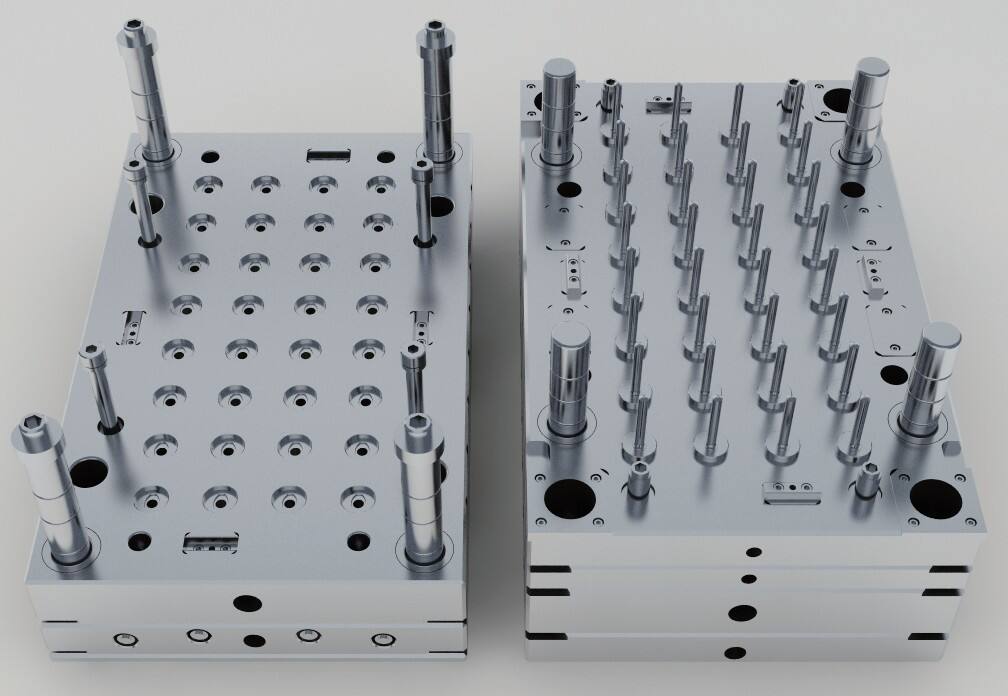
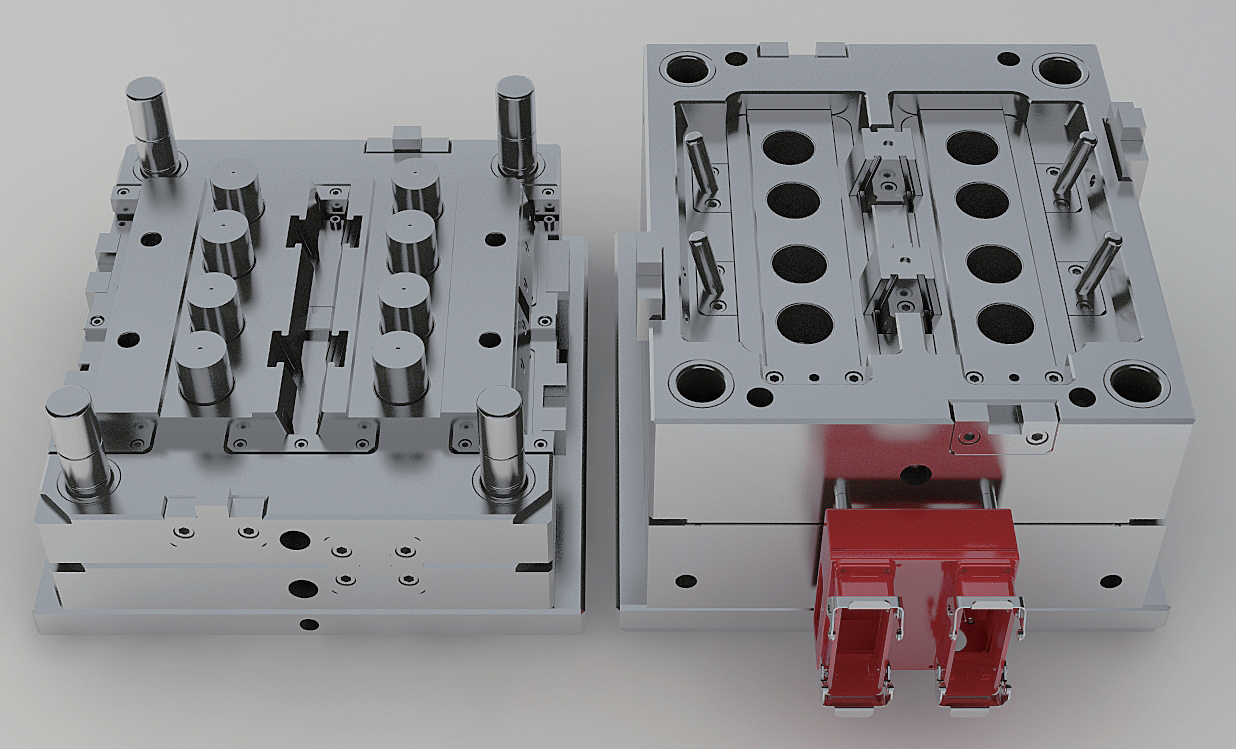
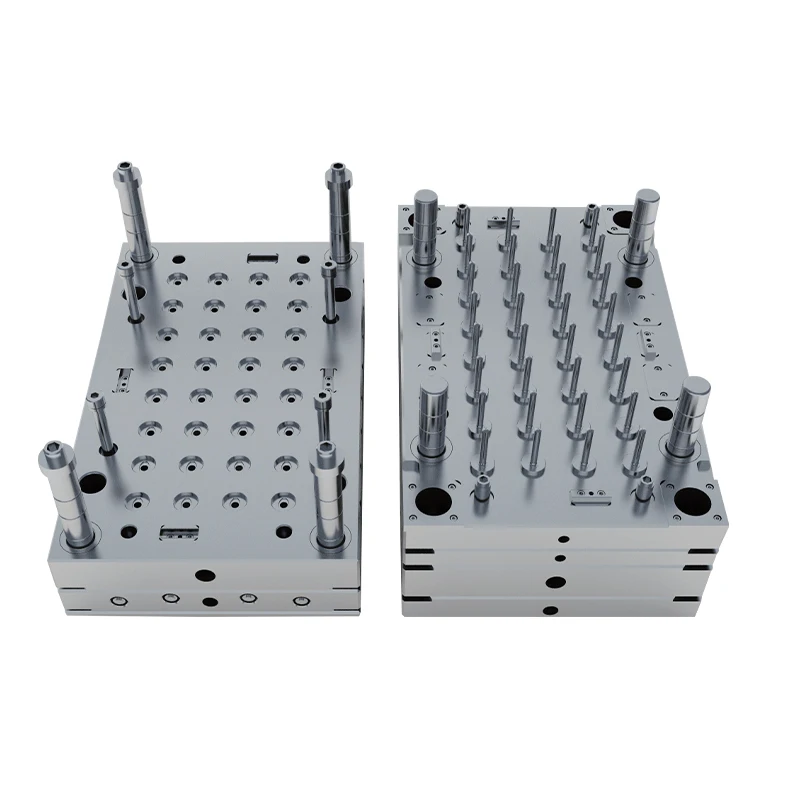
Mold manufacturing represents a cornerstone of modern industrial production, encompassing the sophisticated process of designing, engineering, and fabricating precision molds for mass production. This complex manufacturing process combines traditional craftsmanship with cutting-edge technology, utilizing advanced CAD/CAM systems, CNC machining centers, and precision measurement equipment. The process begins with detailed design specifications, followed by material selection, typically involving high-grade steel or aluminum, depending on the application requirements. Modern mold manufacturing facilities employ multi-axis machining centers, EDM equipment, and advanced surface finishing technologies to achieve exceptional accuracy and surface quality. The industry serves diverse sectors, including automotive, consumer electronics, medical devices, and packaging, producing molds capable of manufacturing components with intricate geometries and tight tolerances. Quality control systems, including coordinate measuring machines and 3D scanning technology, ensure dimensional accuracy and consistency throughout the manufacturing process. The integration of simulation software helps optimize mold design for efficient production cycles, material flow, and cooling performance, significantly reducing development time and costs.

Mold manufacturing offers numerous compelling advantages that make it indispensable in modern production systems. First, it enables high-volume production with consistent quality, allowing manufacturers to produce thousands of identical parts with minimal variation. The initial investment in quality mold manufacturing pays off through reduced per-unit costs in large production runs. Advanced mold designs incorporate sophisticated cooling systems that optimize cycle times and enhance product quality. The precision achieved through modern mold manufacturing techniques ensures tight tolerances and superior surface finishes, meeting the most demanding specifications. Additionally, contemporary mold manufacturing processes support complex geometries and intricate features that would be impossible to achieve through other manufacturing methods. The durability of well-manufactured molds ensures long production runs with minimal maintenance, contributing to improved operational efficiency. Modern mold designs also facilitate quick changeovers and easy maintenance, reducing production downtime. The ability to incorporate multiple cavities in a single mold increases production efficiency and reduces costs. Furthermore, advanced simulation capabilities in the design phase minimize trial and error, reducing material waste and development time. The flexibility of modern mold manufacturing allows for rapid design modifications and quick adaptation to changing market demands.

Latest News

What are the quality standards for injection molds in ISO Class 8 clean room environments?

28

Feb

What are the quality standards for injection molds in ISO Class 8 clean room environments?

ISO Class 8 Clean Rooms: An Overview Clean rooms rated at ISO Class 8 serve important functions in places where keeping things really clean matters, especially when making medical devices. The ISO 14644-1 standard sets limits here too, allowing no ...
View More
What Are the Key Applications of Medical Plastic Injection Molding?

06

Mar

What Are the Key Applications of Medical Plastic Injection Molding?

Overview of Medical Plastic Injection Molding Medical plastic injection molding plays a key role in healthcare manufacturing. The process works by shooting hot plastic into specially designed molds to create everything from syringe parts to surgica...
View More
How to Choose the Right Materials for Medical Plastic Injection Molding?

06

Mar

How to Choose the Right Materials for Medical Plastic Injection Molding?

Introduction to Choosing Materials for Medical Plastic Injection Molding Choosing the right materials for medical plastic injection molding really matters for how safe and effective medical devices end up being. After all, these plastics often come...
View More
What Are the Advantages of Medical Plastic Injection Molding for Medical Devices?

12

Mar

What Are the Advantages of Medical Plastic Injection Molding for Medical Devices?

Introduction to Medical Plastic Injection Molding Medical plastic injection molding stands out as a key manufacturing method where thermoplastics get heated until they turn liquid, then forced into molds to make really precise and complicated parts...
View More

Get a Free Quote

Our representative will contact you soon.
0/1000
Advanced Technology Integration

Advanced Technology Integration

Modern mold manufacturing leverages state-of-the-art technology to achieve unprecedented levels of precision and efficiency. Computer-aided design and manufacturing systems enable engineers to create complex 3D models with exact specifications, simulating material flow and thermal behavior before production begins. The integration of artificial intelligence and machine learning algorithms optimizes production parameters, predicting potential issues before they occur. High-precision CNC machines with multiple axes provide the capability to machine complex geometries with micron-level accuracy. The implementation of Industry 4.0 principles enables real-time monitoring and adjustment of manufacturing processes, ensuring consistent quality and reducing waste.
Quality Assurance and Precision Control

Quality Assurance and Precision Control

Quality control in mold manufacturing employs sophisticated measurement and verification systems to ensure exceptional accuracy and consistency. Advanced metrology equipment, including coordinate measuring machines and optical scanning systems, provides comprehensive dimensional analysis throughout the manufacturing process. Statistical process control methods monitor key parameters in real-time, enabling immediate adjustments to maintain optimal production conditions. The implementation of automated inspection systems reduces human error while increasing inspection speed and accuracy. Regular calibration and maintenance protocols ensure long-term reliability and consistency in mold performance.
Customization and Flexibility

Customization and Flexibility

Modern mold manufacturing offers unprecedented levels of customization to meet specific customer requirements. The ability to rapidly prototype and modify designs allows for quick adaptation to changing market demands and customer preferences. Advanced software solutions enable efficient design iterations and optimization of mold features for specific applications. The flexibility extends to material selection, surface treatments, and finishing options, providing solutions for diverse industry needs. Custom cooling channel designs can be incorporated to optimize cycle times and product quality for specific applications. The integration of modular mold components allows for cost-effective modifications and updates to existing molds, extending their useful life and adaptability.