Injection Molding with 3D Printed Molds: Revolutionary Manufacturing Solution for Rapid Production

Get a Quote
Get a Quote

injection molding with 3d printed molds

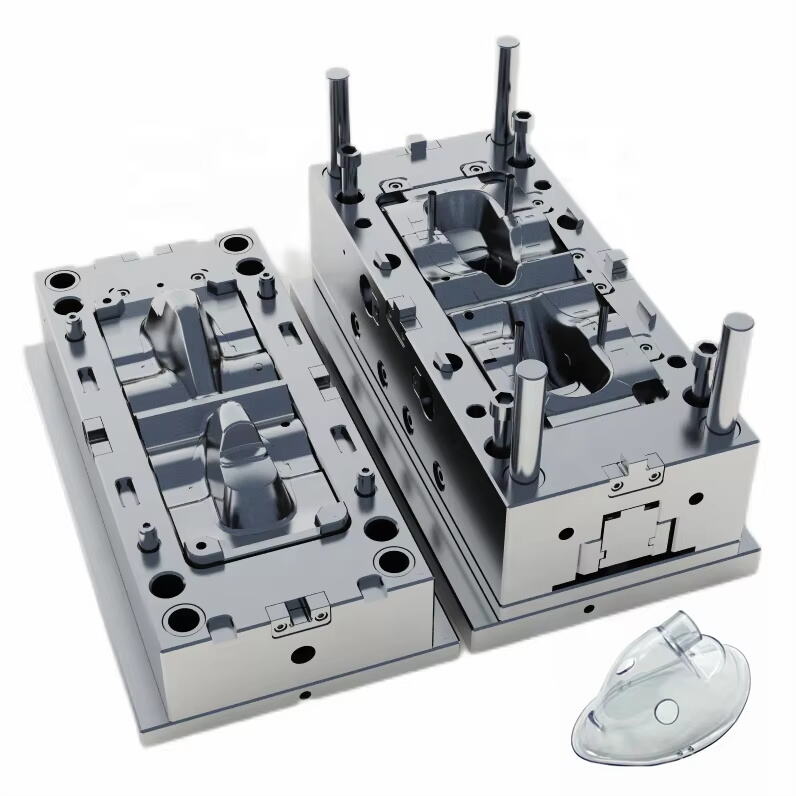
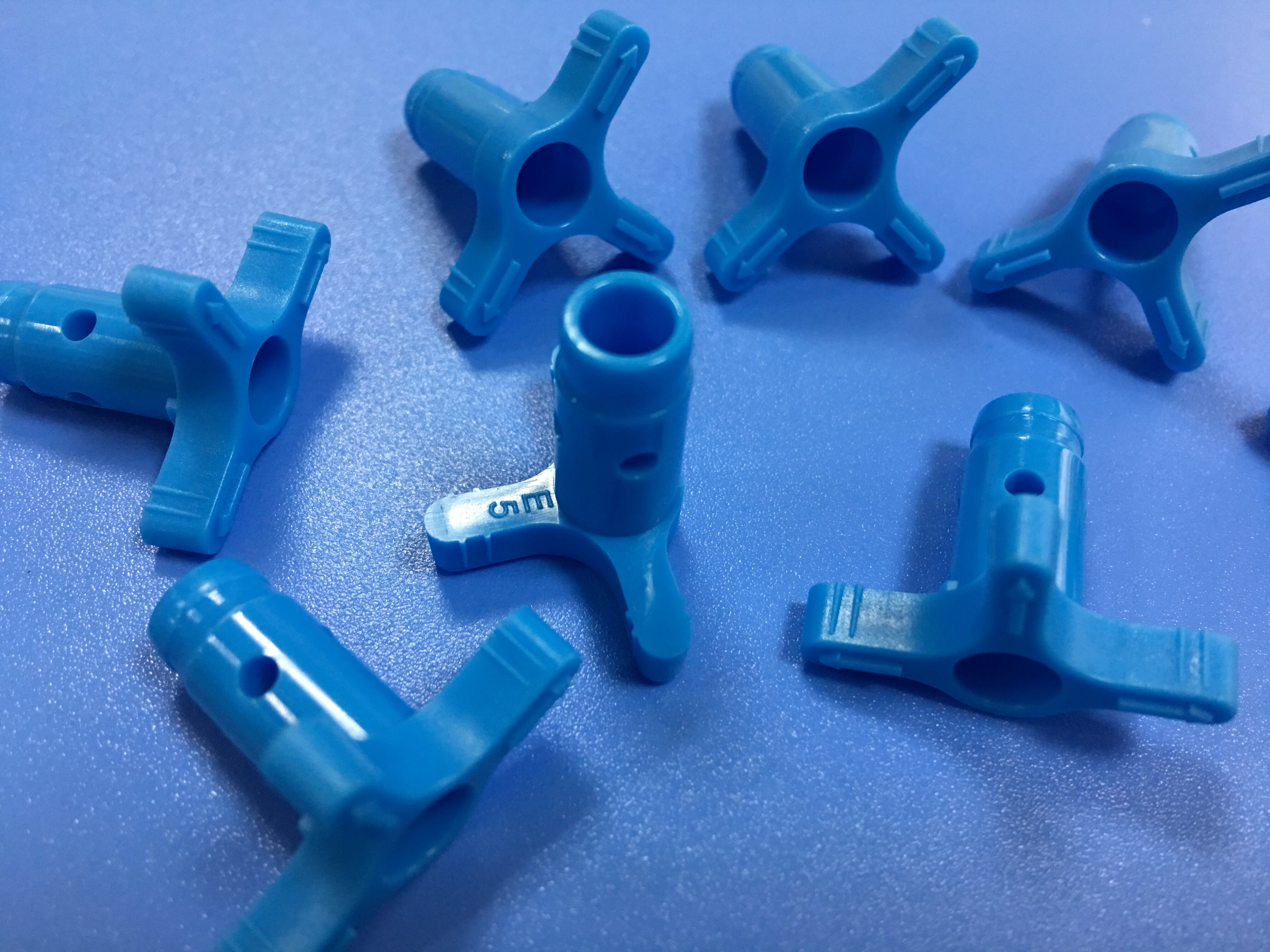
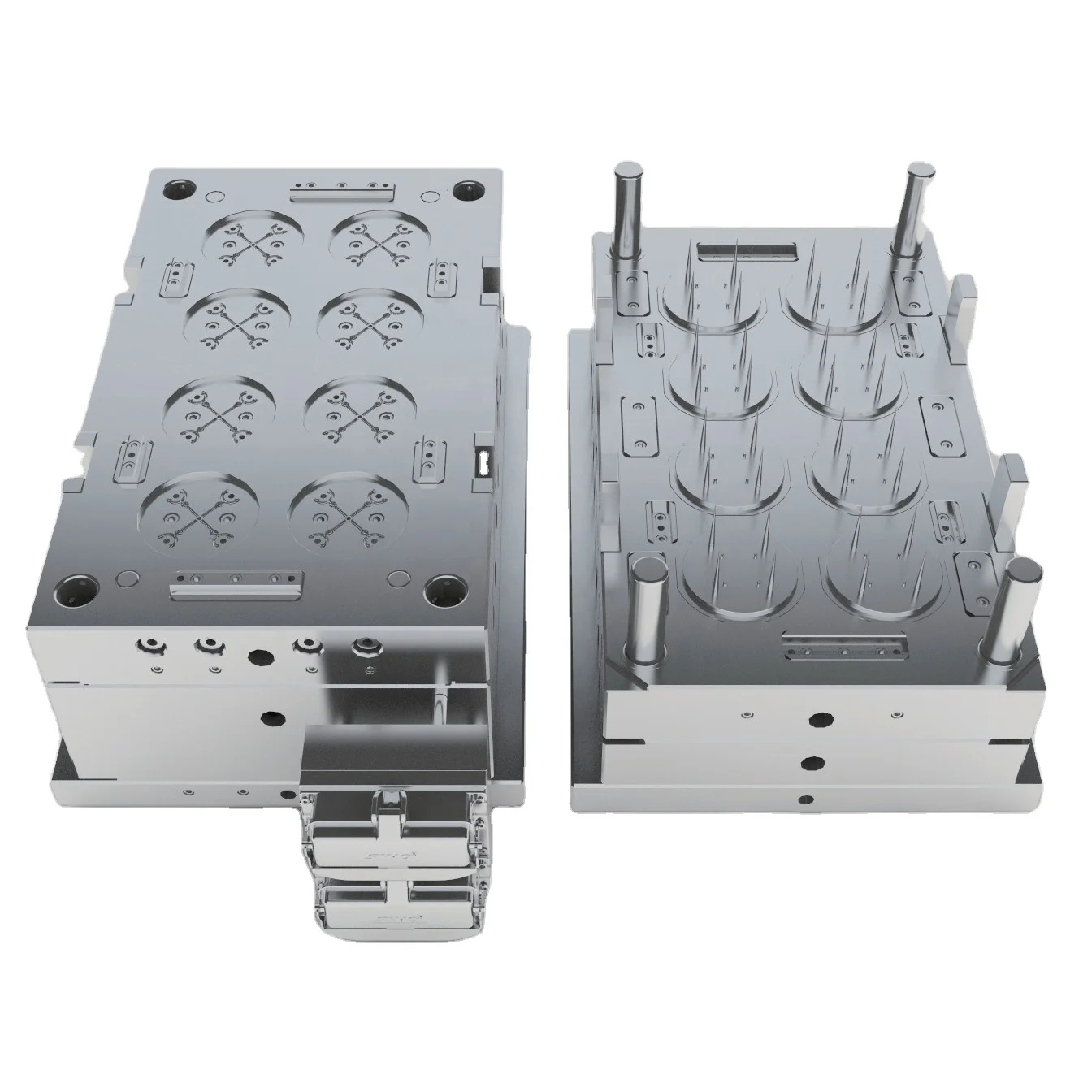
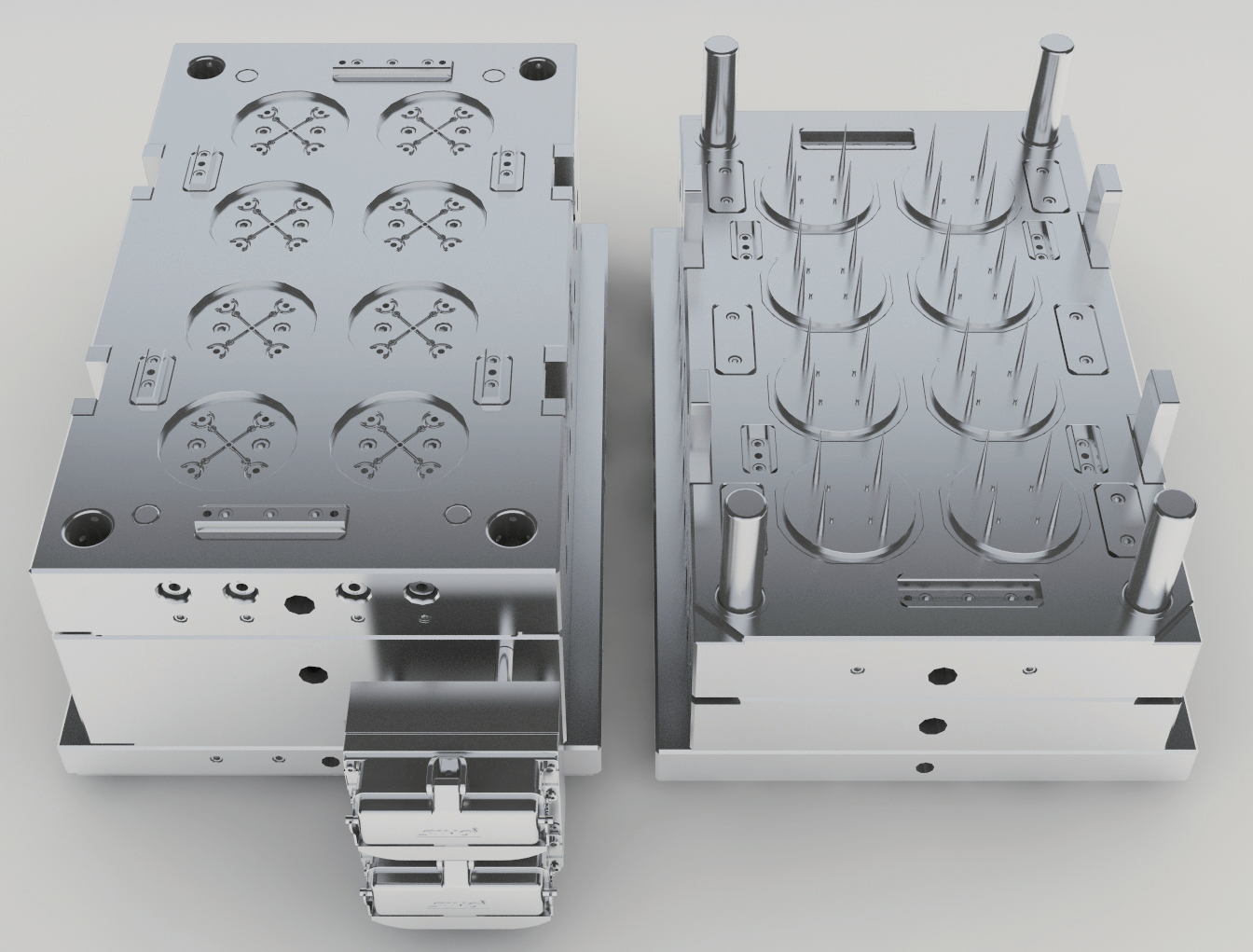
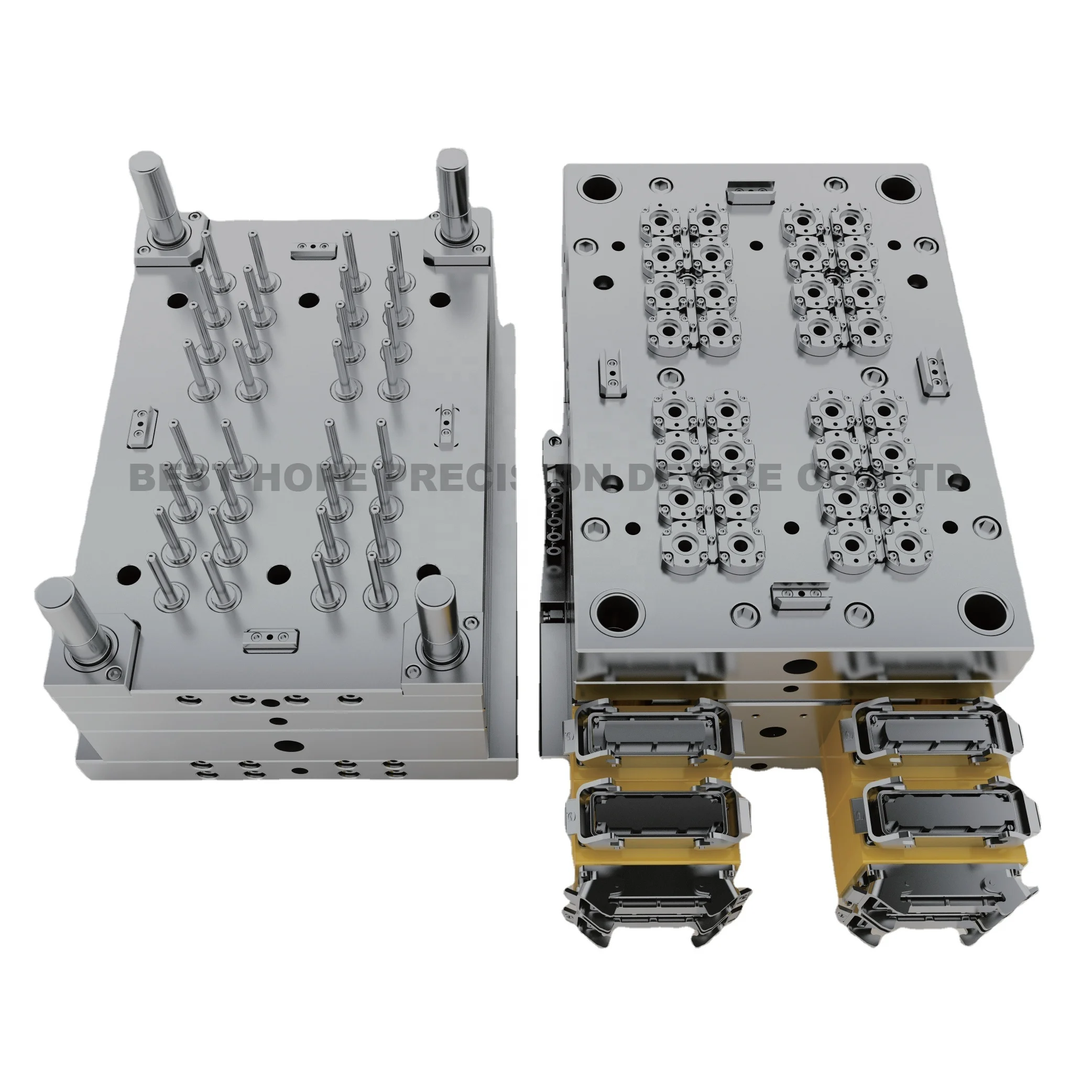
Injection molding with 3D printed molds represents a groundbreaking fusion of traditional manufacturing and modern additive technology. This innovative process involves creating mold tooling through 3D printing technology, which is then used in conventional injection molding operations. The system combines the design freedom of 3D printing with the production efficiency of injection molding, enabling rapid prototyping and small-batch production runs. The process begins with designing the mold using CAD software, followed by 3D printing the mold typically using high-temperature resistant materials. These molds can be produced within hours or days, compared to weeks or months for traditional steel molds. The printed molds are then fitted into standard injection molding machines, where molten plastic is injected under pressure to create the desired parts. This method is particularly valuable for producing complex geometries, custom designs, and prototype parts. The technology supports a wide range of thermoplastic materials and can achieve good surface finishes and dimensional accuracy. It's especially suited for bridge manufacturing, market testing, and low-volume production runs where traditional metal molds would be cost-prohibitive.
The injection molding with 3D printed molds offers several compelling advantages that make it an attractive option for modern manufacturing needs. First, it dramatically reduces lead times, allowing companies to move from design to production in days rather than months. This rapid turnaround enables faster market testing and product iterations. Cost efficiency is another major benefit, as 3D printed molds are significantly less expensive than traditional steel molds, making them ideal for small to medium production runs. The technology offers exceptional design flexibility, allowing for quick modifications and iterations without the high costs associated with traditional mold changes. This process is particularly valuable for startups and companies developing new products, as it enables them to test market response with minimal investment. The method also allows for complex geometries that might be challenging or impossible with traditional molding techniques. Additionally, the reduced initial investment makes it possible to produce multiple design variations simultaneously, accelerating the product development cycle. The technology supports a wide range of materials and can produce parts with good surface finish and accuracy. It's particularly suitable for bridge manufacturing, allowing companies to begin production while waiting for traditional steel molds. The process also reduces waste and storage costs, as molds can be printed on-demand and digital designs stored electronically. Risk mitigation is another advantage, as companies can test market demand with smaller production runs before committing to expensive traditional tooling.

Latest News

What are the common applications of injection molds in the medical industry?

28

Feb

What are the common applications of injection molds in the medical industry?

Introduction to Injection Molding in the Medical Industry Injection molding has become really important in healthcare because it allows manufacturers to make intricate parts that meet strict dimensional requirements. Medical device companies rely o...
View More
What are the quality standards for injection molds in ISO Class 8 clean room environments?

28

Feb

What are the quality standards for injection molds in ISO Class 8 clean room environments?

ISO Class 8 Clean Rooms: An Overview Clean rooms rated at ISO Class 8 serve important functions in places where keeping things really clean matters, especially when making medical devices. The ISO 14644-1 standard sets limits here too, allowing no ...
View More
How Does Industry 4.0 Impact the Future of Injection Molding?

28

Feb

How Does Industry 4.0 Impact the Future of Injection Molding?

Introduction to Industry 4.0 Industry 4.0 marks what many call the fourth wave of industrial change, where manufacturers are weaving digital tech right into their production lines. What makes this shift so impactful? Think about how companies now u...
View More
What Materials Are Best for Custom Molds in OEM Molding?

12

Mar

What Materials Are Best for Custom Molds in OEM Molding?

Introduction Getting the right mold materials sorted out matters a lot for OEM production since these materials directly affect how good the final products turn out. When manufacturers go for top notch materials, they're basically setting their mol...
View More

Get a Free Quote

Our representative will contact you soon.
0/1000
Rapid Prototyping and Time to Market

Rapid Prototyping and Time to Market

One of the most significant advantages of injection molding with 3D printed molds is its ability to dramatically accelerate the prototyping and production process. Traditional mold making can take 8-12 weeks or more, while 3D printed molds can be produced in a matter of days. This rapid turnaround enables companies to quickly validate designs, test market response, and iterate based on feedback. The speed advantage extends beyond just the mold creation, as the entire production cycle becomes more agile. Companies can quickly modify designs, print new molds, and produce updated parts without the lengthy delays associated with traditional tooling changes. This agility is particularly valuable in today's fast-paced market where being first to market can be a crucial competitive advantage.
Cost-Effective Small Batch Production

Cost-Effective Small Batch Production

The economic benefits of using 3D printed molds for injection molding are particularly evident in small to medium production runs. Traditional steel molds can cost tens of thousands of dollars, making them impractical for low-volume production or market testing. In contrast, 3D printed molds typically cost a fraction of this amount, sometimes as little as 10% of traditional mold costs. This cost advantage makes it feasible to produce smaller quantities of parts without the burden of high tooling costs. The technology also reduces financial risk by allowing companies to test market demand before investing in expensive traditional tooling. Additionally, the ability to modify designs without significant additional cost means companies can optimize their products through multiple iterations without breaking their budget.
Design Flexibility and Complexity

Design Flexibility and Complexity

Injection molding with 3D printed molds offers unprecedented design flexibility and the ability to produce complex geometries that might be difficult or impossible with traditional molding techniques. The 3D printing process can create intricate cooling channels, complex undercuts, and detailed features that would be challenging to machine in traditional molds. This capability allows designers to optimize part design for functionality rather than manufacturing constraints. The technology also enables the production of parts with varying wall thicknesses, internal structures, and complex surface textures. The ability to quickly modify and iterate designs means that product optimization can occur rapidly, with each iteration incorporating improvements based on testing and feedback. This flexibility is particularly valuable in industries where product customization and complex geometries are important, such as medical devices, automotive components, and consumer products.