Benchtop Injection Molding: Professional-Grade Plastic Manufacturing Solutions for Small-Scale Production

Get a Quote
Get a Quote

benchtop injection molding

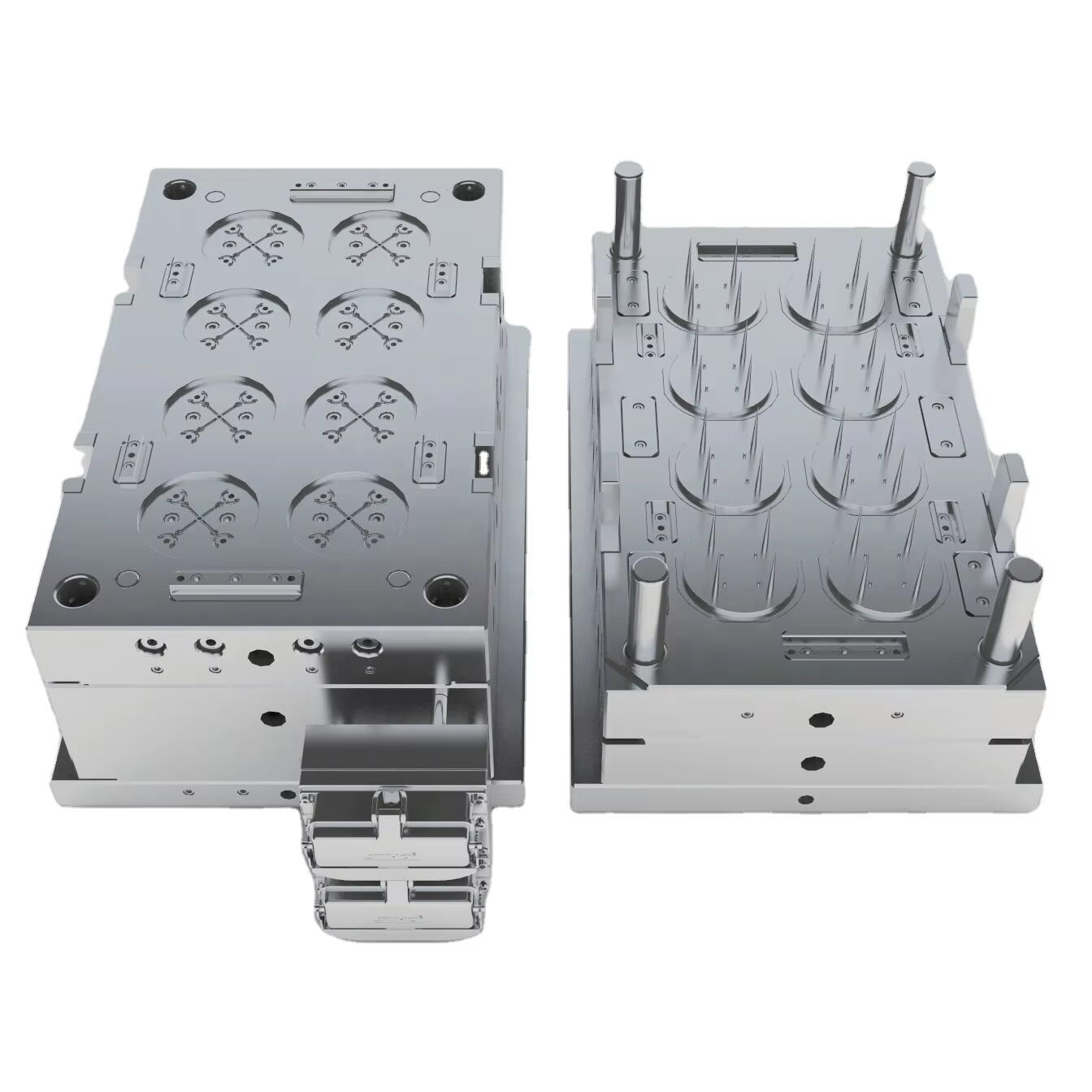
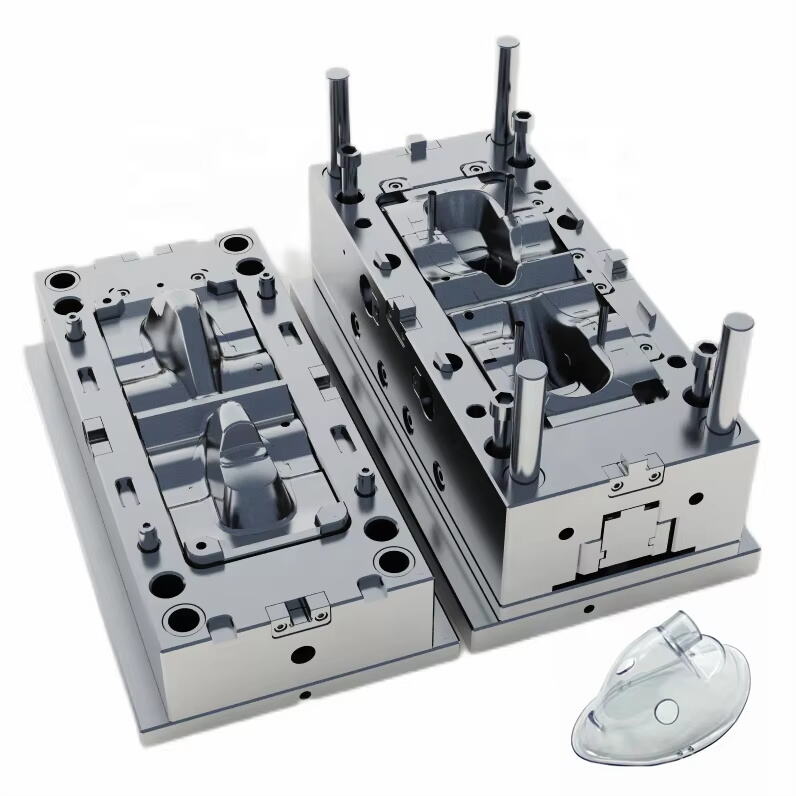
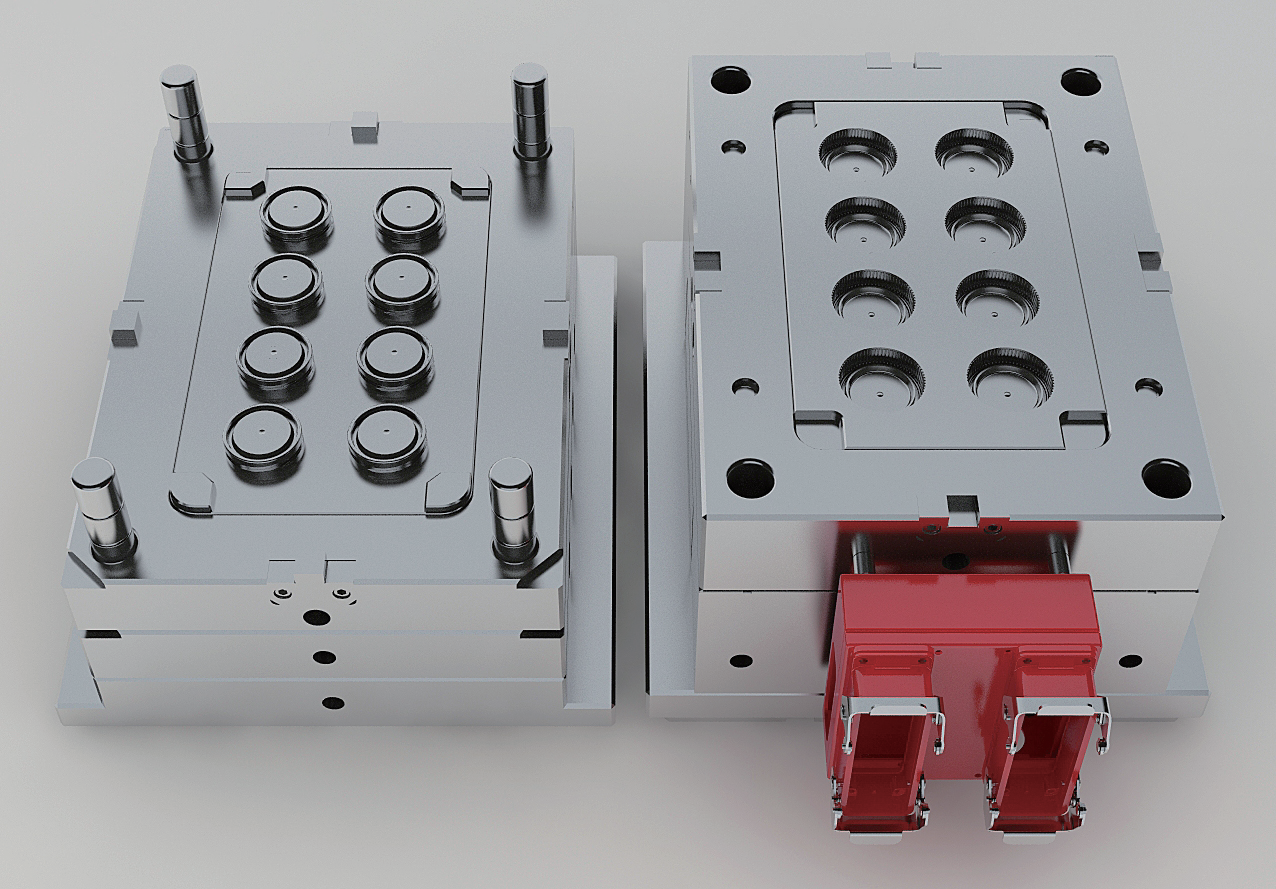
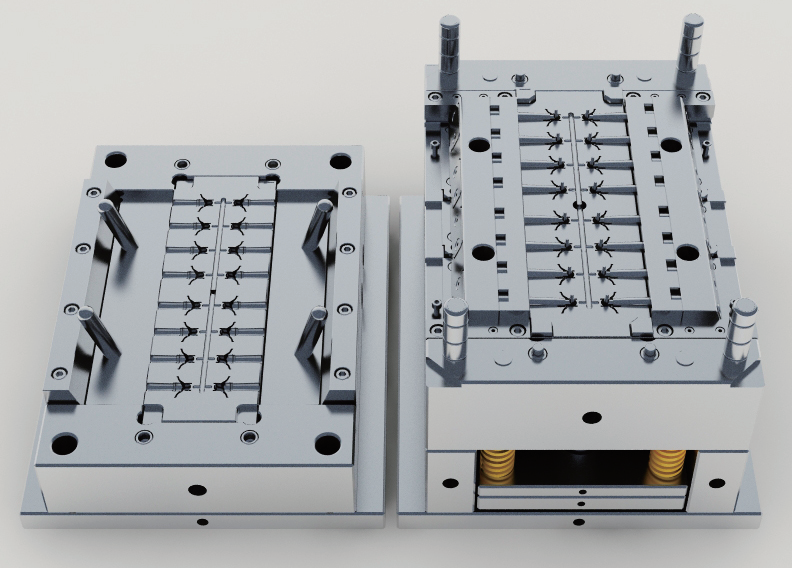
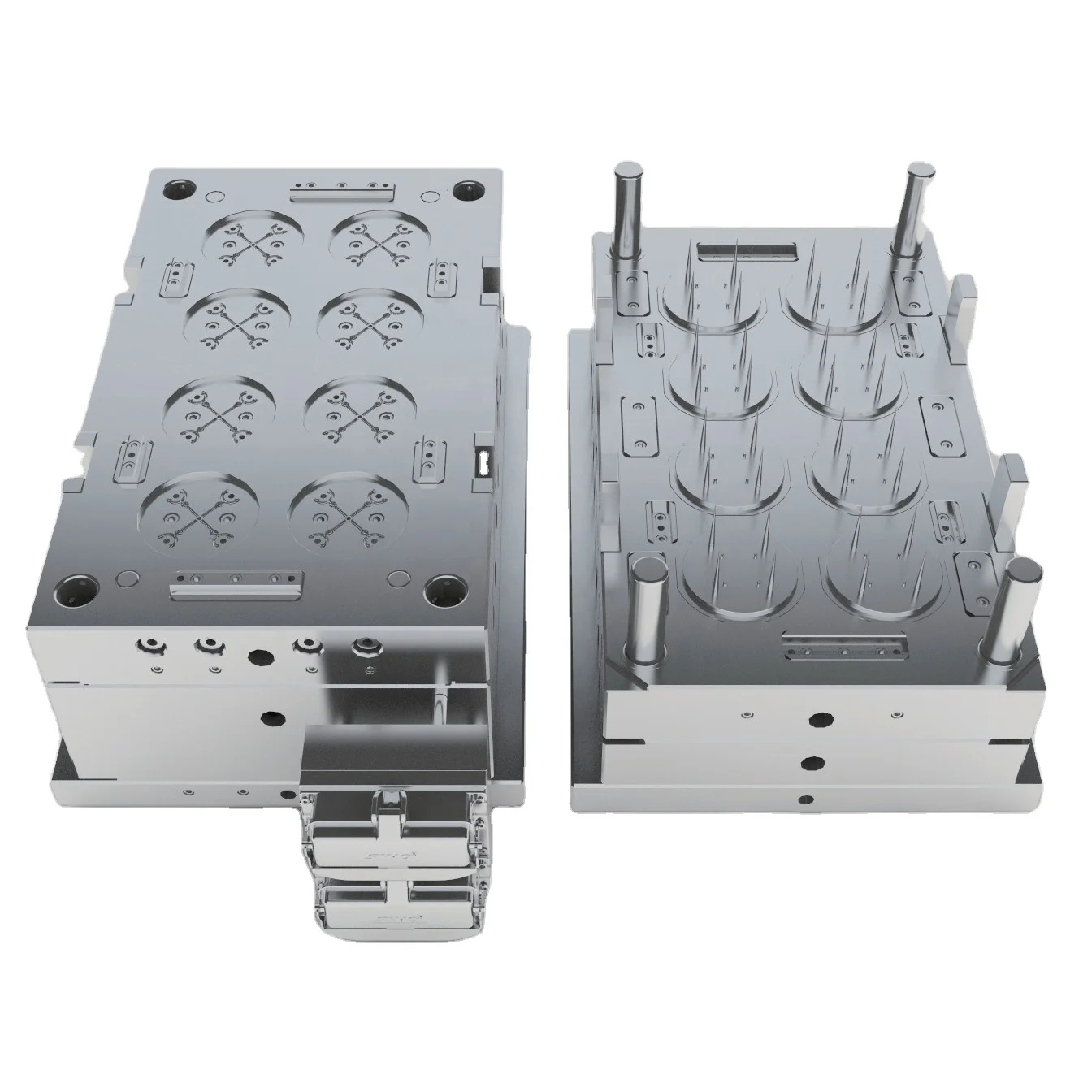
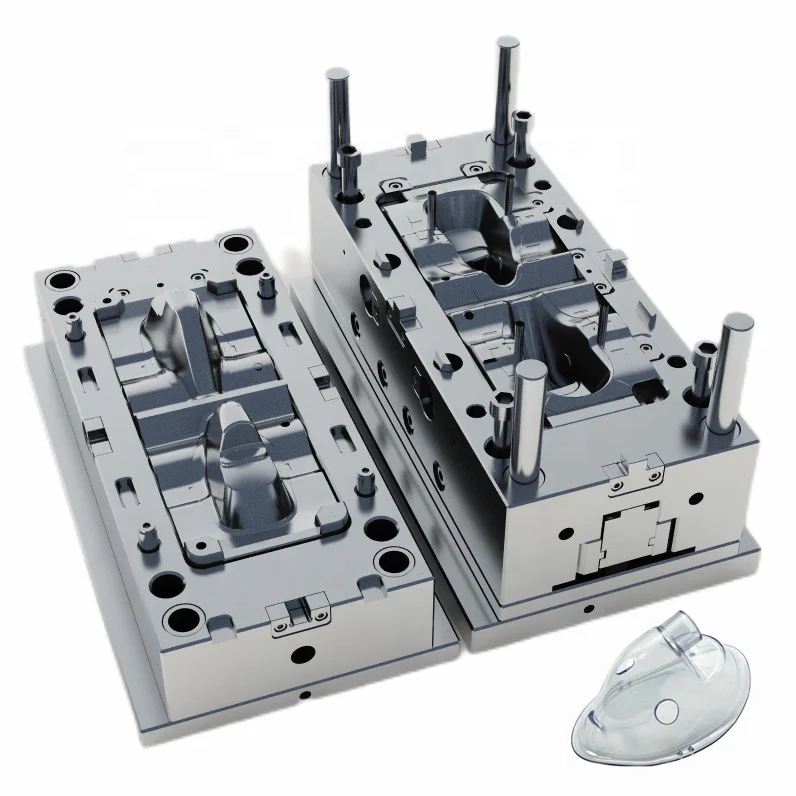
Benchtop injection molding represents a compact and efficient manufacturing solution designed for small-scale production and prototyping needs. This innovative technology brings industrial-grade injection molding capabilities to a desktop-sized format, making it accessible for small businesses, research facilities, and educational institutions. The system operates by melting plastic pellets and injecting the molten material into precisely engineered molds under controlled pressure and temperature conditions. With its sophisticated control systems, users can adjust parameters such as injection pressure, temperature, cooling time, and material flow rate to achieve optimal results. The machine's compact footprint typically measures less than 3 feet in any dimension, yet it maintains the capability to produce high-quality plastic parts with complex geometries. Modern benchtop injection molding machines often feature user-friendly digital interfaces, automated cycle operations, and precise temperature control zones. These systems can process a wide range of thermoplastic materials, including common polymers like ABS, PLA, PE, and PP, making them versatile tools for various applications, from product development to small-batch production runs. The technology bridges the gap between 3D printing and full-scale injection molding, offering a practical solution for producing functional plastic parts with production-grade materials.
Benchtop injection molding offers numerous compelling advantages that make it an attractive solution for various manufacturing scenarios. First and foremost, its compact size and reduced power requirements enable operation in standard office or laboratory environments without special electrical or ventilation modifications. The technology significantly reduces the barrier to entry for plastic part production, allowing businesses to bring prototyping and small-scale manufacturing in-house. This capability leads to substantial cost savings by eliminating the need for expensive outsourcing and minimum order quantities typically required by traditional injection molding services. The quick setup and changeover times enable rapid iteration and testing of different designs or materials, accelerating the product development cycle. Users can achieve professional-quality results with minimal training, thanks to modern machines' intuitive interfaces and automated operations. The ability to produce parts with production-grade materials ensures that prototypes accurately represent final products in terms of mechanical properties and appearance. Cost-effectiveness extends to material usage, as these systems typically require minimal material for startup and generate less waste compared to larger industrial machines. The technology's versatility in handling different materials and mold designs provides flexibility in production planning and product development. Additionally, the controlled environment and precise parameter adjustments result in consistent part quality and repeatability, essential for quality control and small-batch production runs. The reduced energy consumption and smaller material quantities also contribute to a more sustainable manufacturing approach, aligning with modern environmental considerations.

Tips And Tricks

How to choose the right material for injection mold manufacturing?

28

Feb

How to choose the right material for injection mold manufacturing?

Introduction to Injection Molding Injection molding stands out as one of those key manufacturing techniques where hot plastic gets pushed into molds to create all sorts of parts. We see this method at work behind countless plastic items we encounte...
View More
What are the quality standards for injection molds in ISO Class 8 clean room environments?

28

Feb

What are the quality standards for injection molds in ISO Class 8 clean room environments?

ISO Class 8 Clean Rooms: An Overview Clean rooms rated at ISO Class 8 serve important functions in places where keeping things really clean matters, especially when making medical devices. The ISO 14644-1 standard sets limits here too, allowing no ...
View More
How Does Industry 4.0 Impact the Future of Injection Molding?

28

Feb

How Does Industry 4.0 Impact the Future of Injection Molding?

Introduction to Industry 4.0 Industry 4.0 marks what many call the fourth wave of industrial change, where manufacturers are weaving digital tech right into their production lines. What makes this shift so impactful? Think about how companies now u...
View More
How Does Custom Mold Design Design Impact OEM Product Quality?

06

Mar

How Does Custom Mold Design Design Impact OEM Product Quality?

Introduction to Custom Mold Design in OEM Manufacturing Good custom mold design sits at the heart of OEM manufacturing, letting companies produce parts that fit just right for all sorts of applications out there. When manufacturers get the mold spe...
View More

Get a Free Quote

Our representative will contact you soon.
0/1000
Precision Control and Quality Assurance

Precision Control and Quality Assurance

Benchtop injection molding machines incorporate advanced control systems that ensure exceptional precision in every aspect of the molding process. The technology features multiple temperature zones with PID control, enabling precise heating and maintaining of optimal material temperatures throughout the injection cycle. Digital pressure sensors and feedback systems continuously monitor and adjust injection parameters in real-time, ensuring consistent part quality. The machines typically offer programmable injection profiles, allowing users to optimize the filling pattern for complex geometries and prevent common defects such as sink marks or warping. Quality assurance is further enhanced by automated cycle timing and parameter logging, enabling traceable production records and process validation. This level of control rivals that of industrial machines while maintaining user-friendly operation.
Cost-Effective Prototyping and Small Batch Production

Cost-Effective Prototyping and Small Batch Production

The economic advantages of benchtop injection molding manifest in multiple ways throughout the production process. The initial investment is significantly lower than traditional injection molding equipment, making it accessible to smaller businesses and startups. Operating costs remain minimal due to efficient material usage and reduced energy consumption. The ability to produce parts in-house eliminates external vendor markups and long lead times, while the quick mold changeover capability enables efficient small batch production of different parts. The technology's material efficiency minimizes waste, as setup requires only small amounts of material and purging between material changes is minimal. This cost-effectiveness extends to prototyping activities, where multiple iterations can be produced quickly and economically.
Versatile Material Processing Capabilities

Versatile Material Processing Capabilities

Benchtop injection molding machines demonstrate remarkable versatility in processing various thermoplastic materials, accommodating both standard and engineering-grade polymers. The systems can handle materials with different melt flow indexes and processing temperatures, from common plastics like ABS and PP to high-performance materials such as PEEK and POM. Temperature control precision enables proper processing of temperature-sensitive materials, while adjustable injection parameters ensure optimal processing conditions for materials with different viscosities. The ability to switch between materials quickly and efficiently supports diverse application requirements and enables material testing for product development. This versatility makes benchtop injection molding suitable for industries ranging from medical device manufacturing to consumer product development.