Praeclara Massa Productio cum Constantia Qualitatis
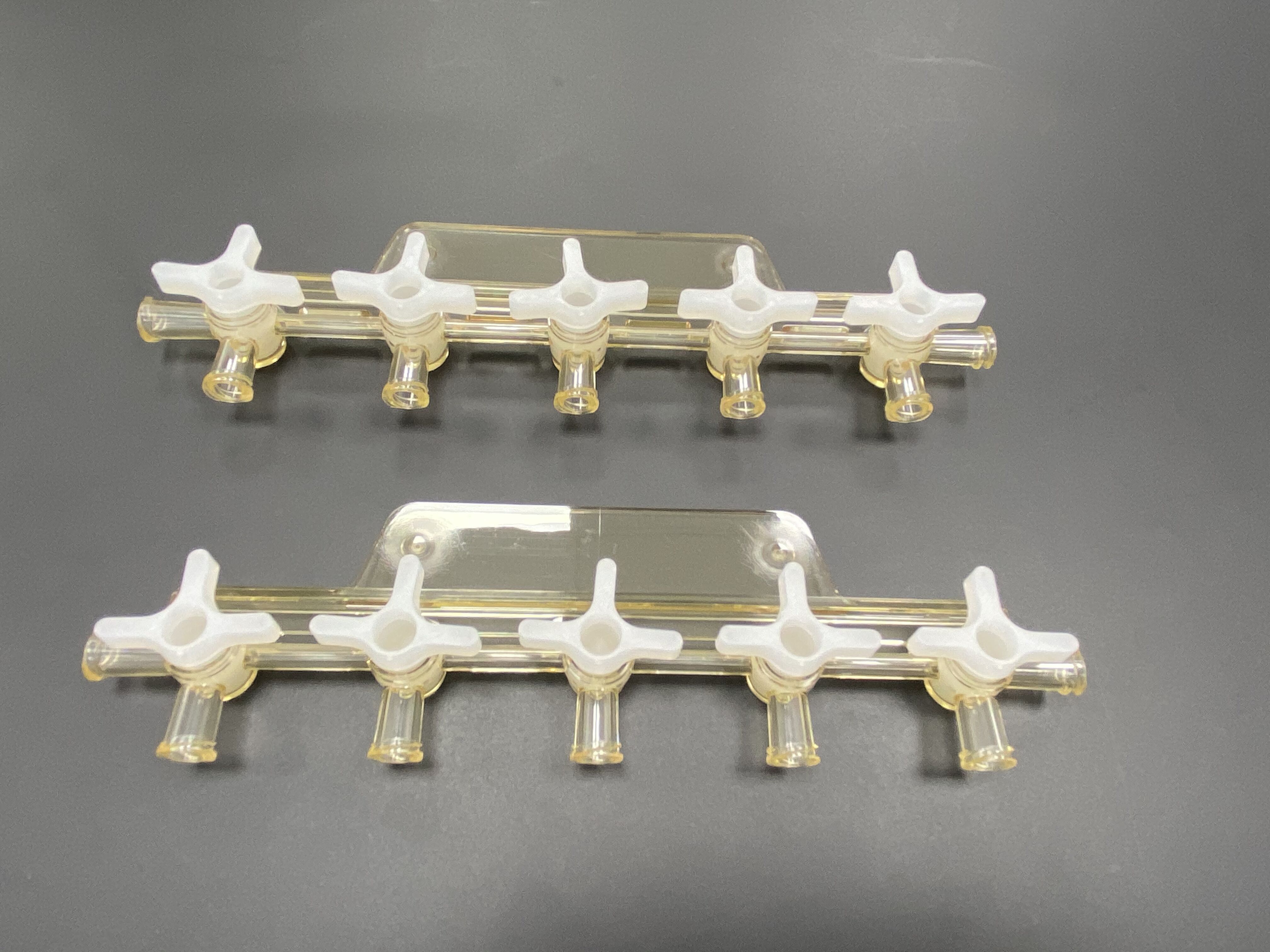
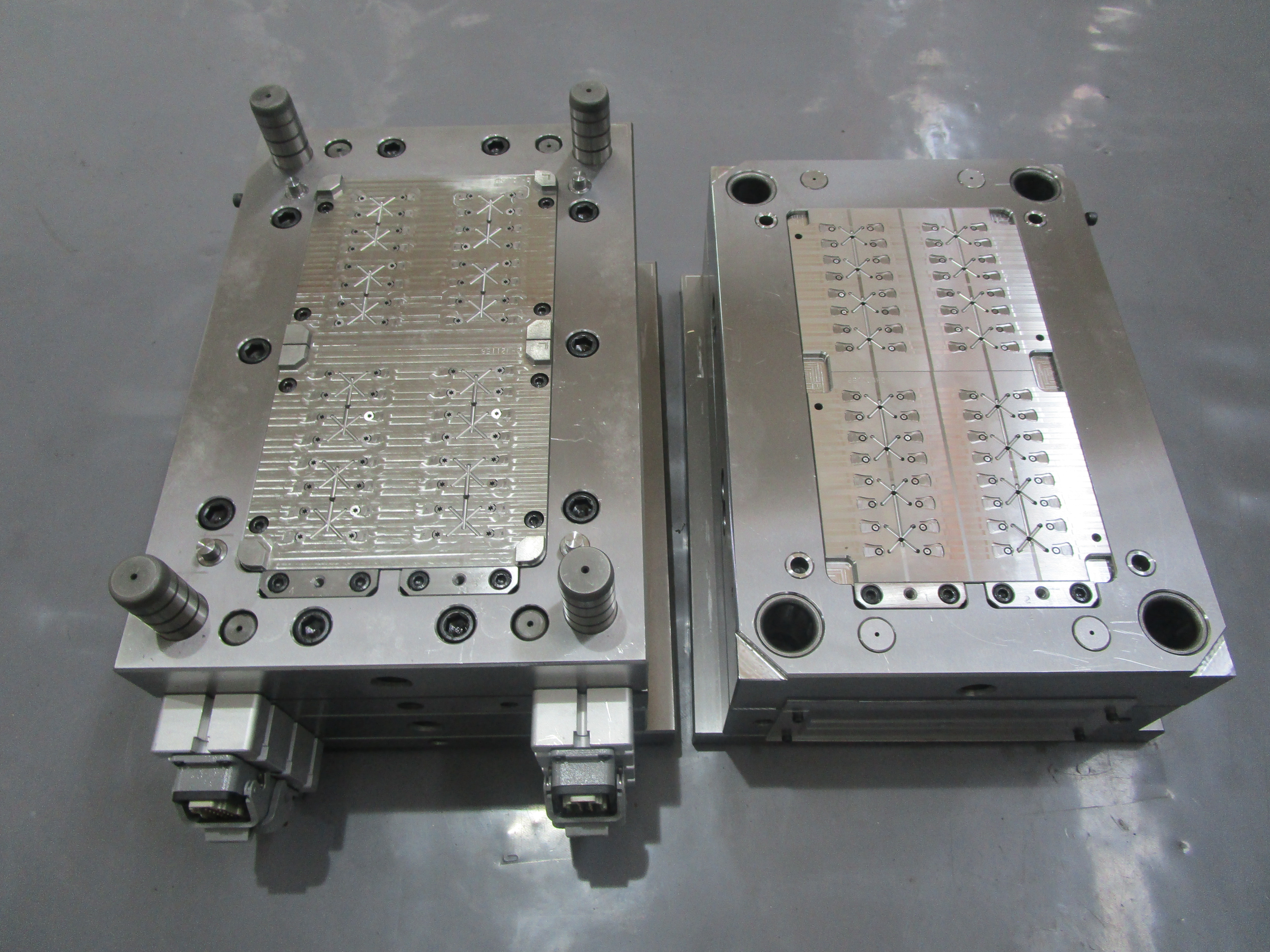
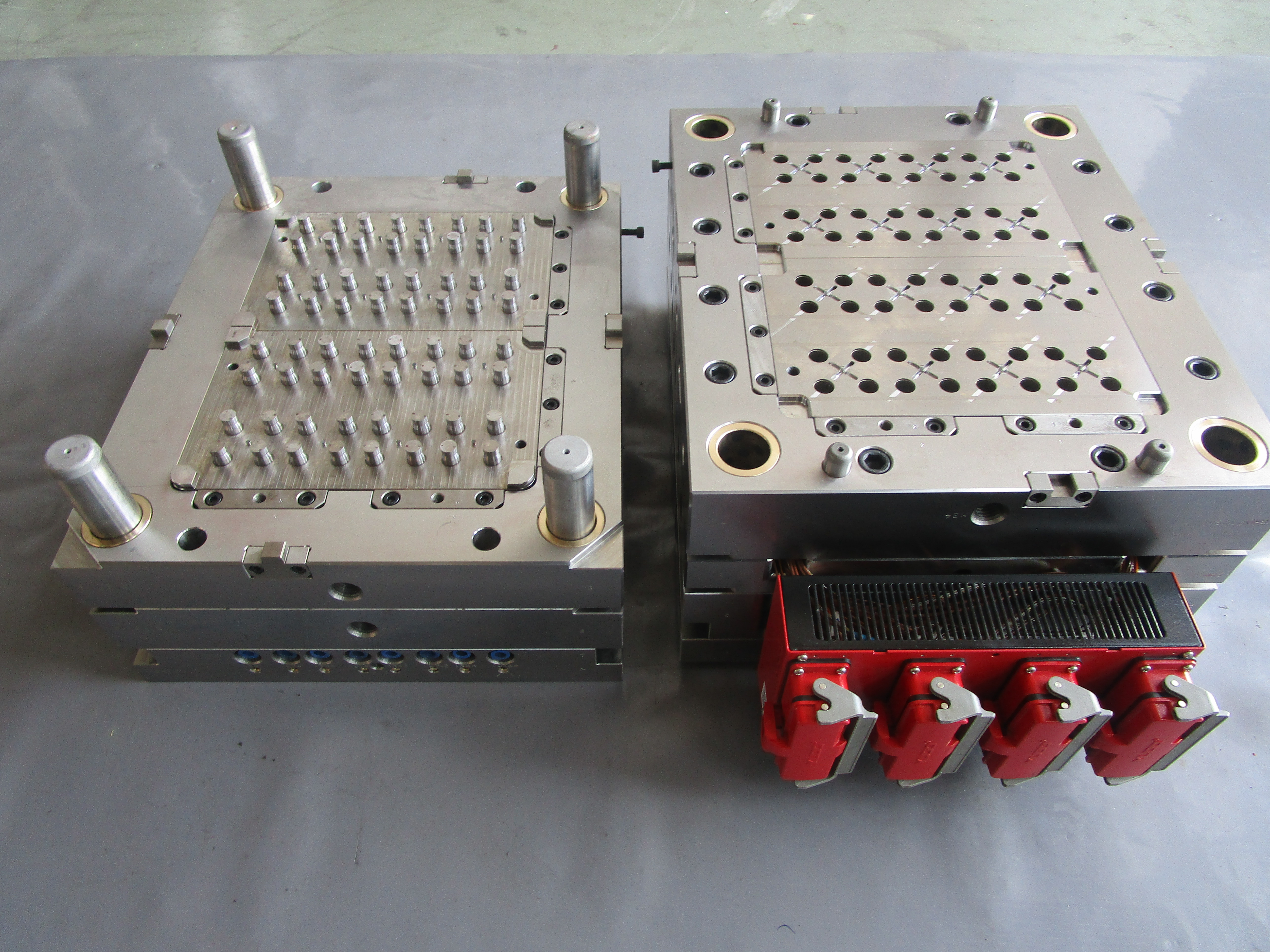
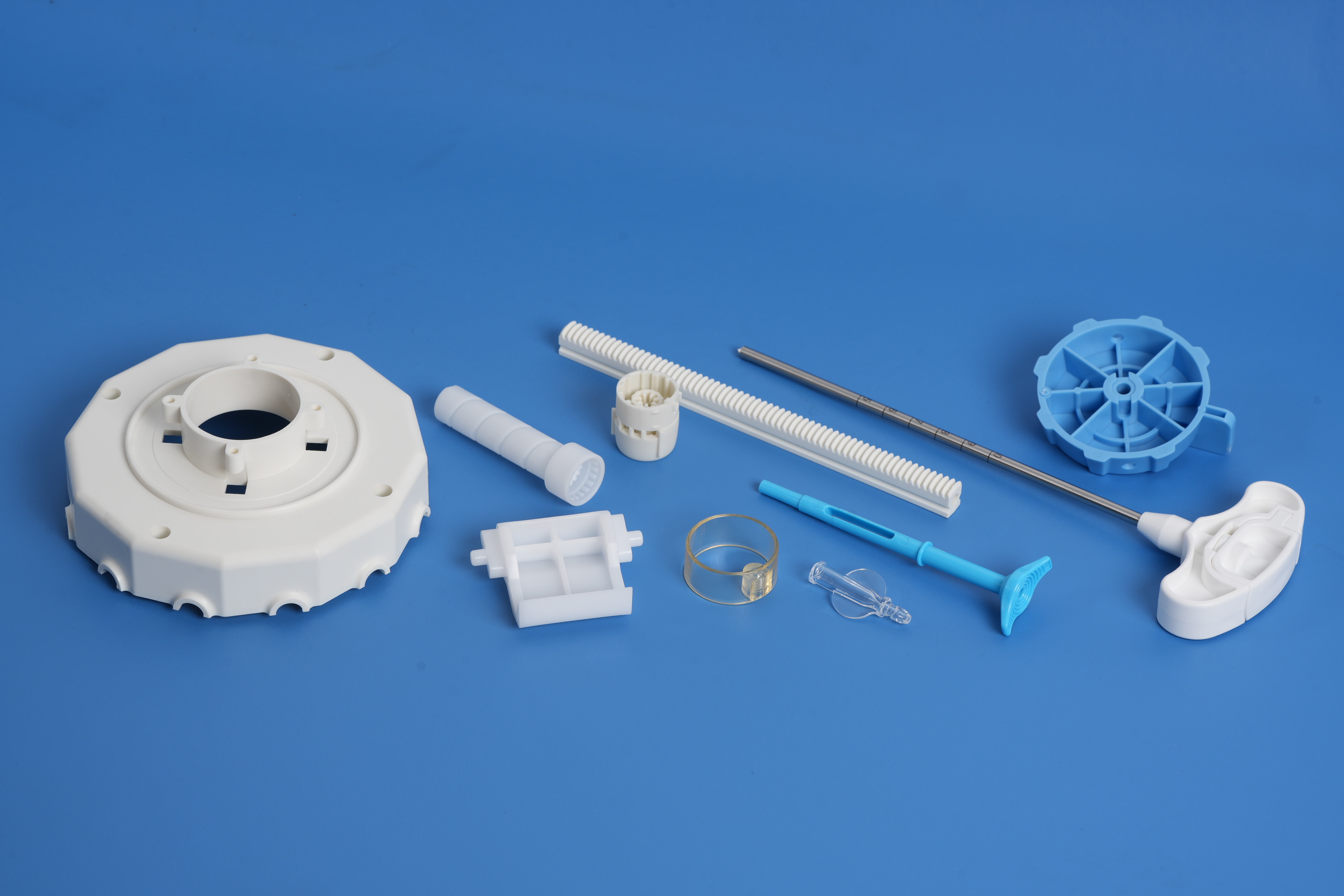
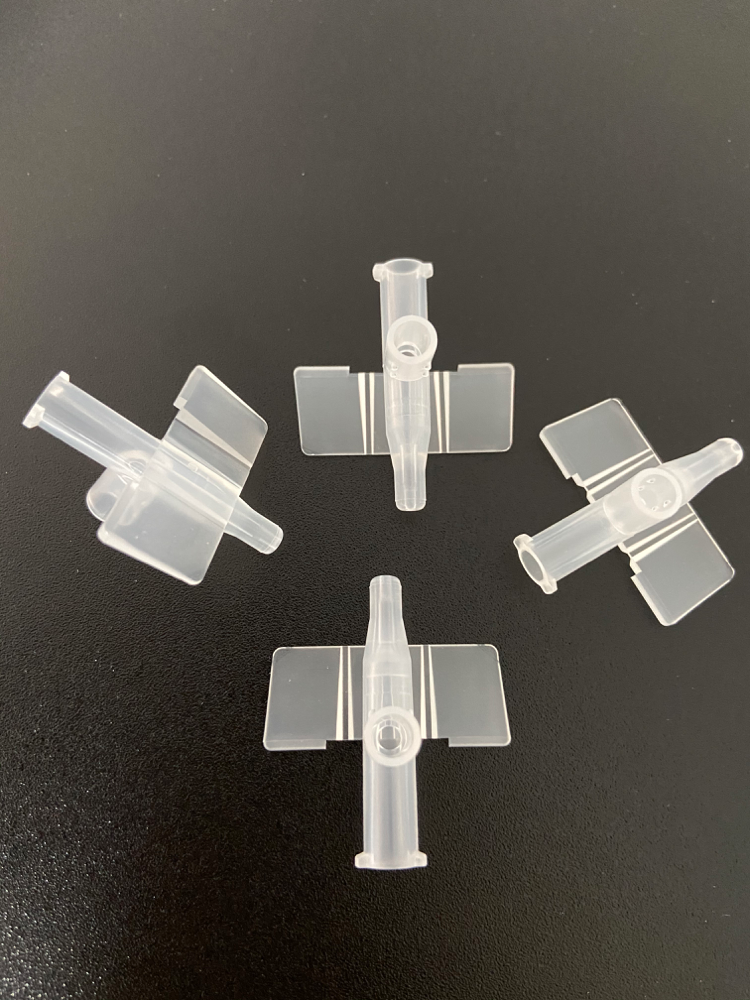
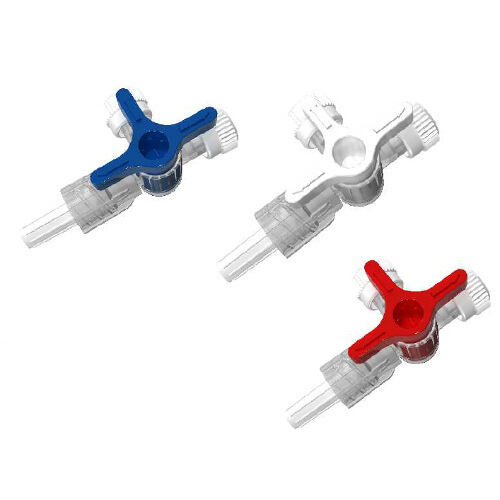
Plastica medicorum instrumentorum per injectionem effusa incomparabiles praebet commoditates oeconomicas fabricantibus, qui modicis ad altis voluminibus componentium sanitariarum producunt, prototypa pretiosa in commerciales productos admodum aequos convertentes. Prima investitio in formis praecisis magnam summan praebet utraque, sed haec impensa per milia aut per milliones partium diluitur, ita ut pretium per unum productum contra alias artes fabricandi mirabiliter minuatur. Cum fabricatio coeperit, pretium materiae et tempus cycli sunt principales causae impensarum, quae ambo in injectione effusa remaneant insigniter parva. Simplex pars fortasse suum cyclum effusionis intra triginta secunda perficiet, ita ut una machina millia partium cotidie producere possit cum minima interventione operariorum. Haec efficacia directe in pretia competitiva medicorum instrumentorum convertitur, ita ut solutio sanitariae progressae plures patientes ac aedificia per orbem terrarum adire possint. Constantia per injectionem effusam plasticae medicorum instrumentorum assequuta variationes qualitatis, quae processus manuales fabricandi vexant, tollit, ita ut omnis pars eodem modo fungatur, sive quando sive ubi facta sit. Parametri injectionis per computatorem reguntur, ut repetitio exacta servetur, dum sensoria pressionem in cavitate, temperaturam fusionis et velocitates refrigerationis per singulos cyclum observant. Systemata statisticae directionis processus mensuras dimensionales et proprietates materiae sequuntur, operatoribus praemonstrantibus de potenti deviatione antequam defectus oriantur. Haec praeventiva qualitatis administratio rates reiectuum minuit, necessitatem inspectionis minuit, et fiduciam apud auditores regulatores et clientes sanitarios augent. Facultates automationis productionem sine lucibus (lights-out) permittunt, ubi machinae pro injectione effusa plasticae medicorum instrumentorum sine intermissione operantur absque continua supervisione humana, ut utilisatio instrumentorum et productio optime maximizetur. Systemata robotica ad extrahendos partes finitas partes extrahunt, inspectiones in linea faciunt, et productos ad expeditionem plicant, ulterius impensas laboris et errores humanos minuentes. Scalabilitas naturalis injectionis effusae plasticae medicorum instrumentorum fabricantibus permittit ut volumina productionis efficaciter ad fluctuationes postulationis mercati adaptem, ut machinae additionales processus probatos replicare possint, capaces augendo sine novis structuris fluxuum fabricandorum. Formae multorum locorum (multi-cavity) producentem augent, quia plures partes identicas per singulum cyclum efficiunt, id quod ad partes parvas, ut connexiones aut tecta, optime convenit, ubi postulata voluminis magna sunt. Commoditates oeconomicae ultra impensas directas fabricandi extenduntur, quia injectio effusa plastica medicorum instrumentorum impensas inferiores per optimisationem designis minuit. Functiones integratae operationes coniunctionis tollunt, aptationes (snap-fits) vincula mechanica substituunt, et prudens consolidatio partium numerum componentium minuit, omnia ad catenas supplicationis magis tenues et ad celeriorem productivitatem conducunt, quae denique provideribus sanitariis et patientibus prosunt.



 EN
EN