Positive Pressure Needleless Connectors: Advanced IV Safety Solutions for Superior Patient Care

Get a Quote
Get a Quote

positive pressure needleless connectors

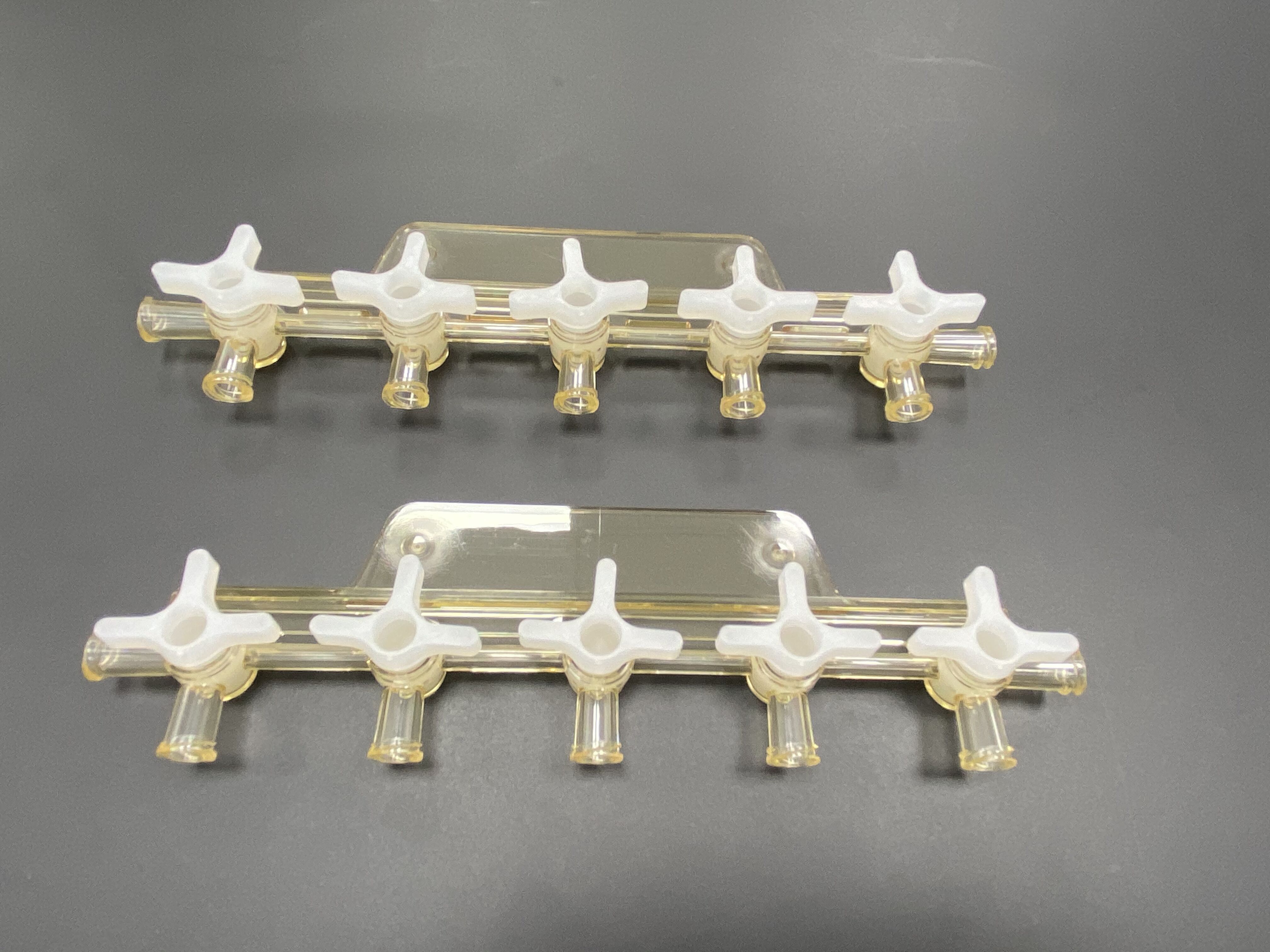
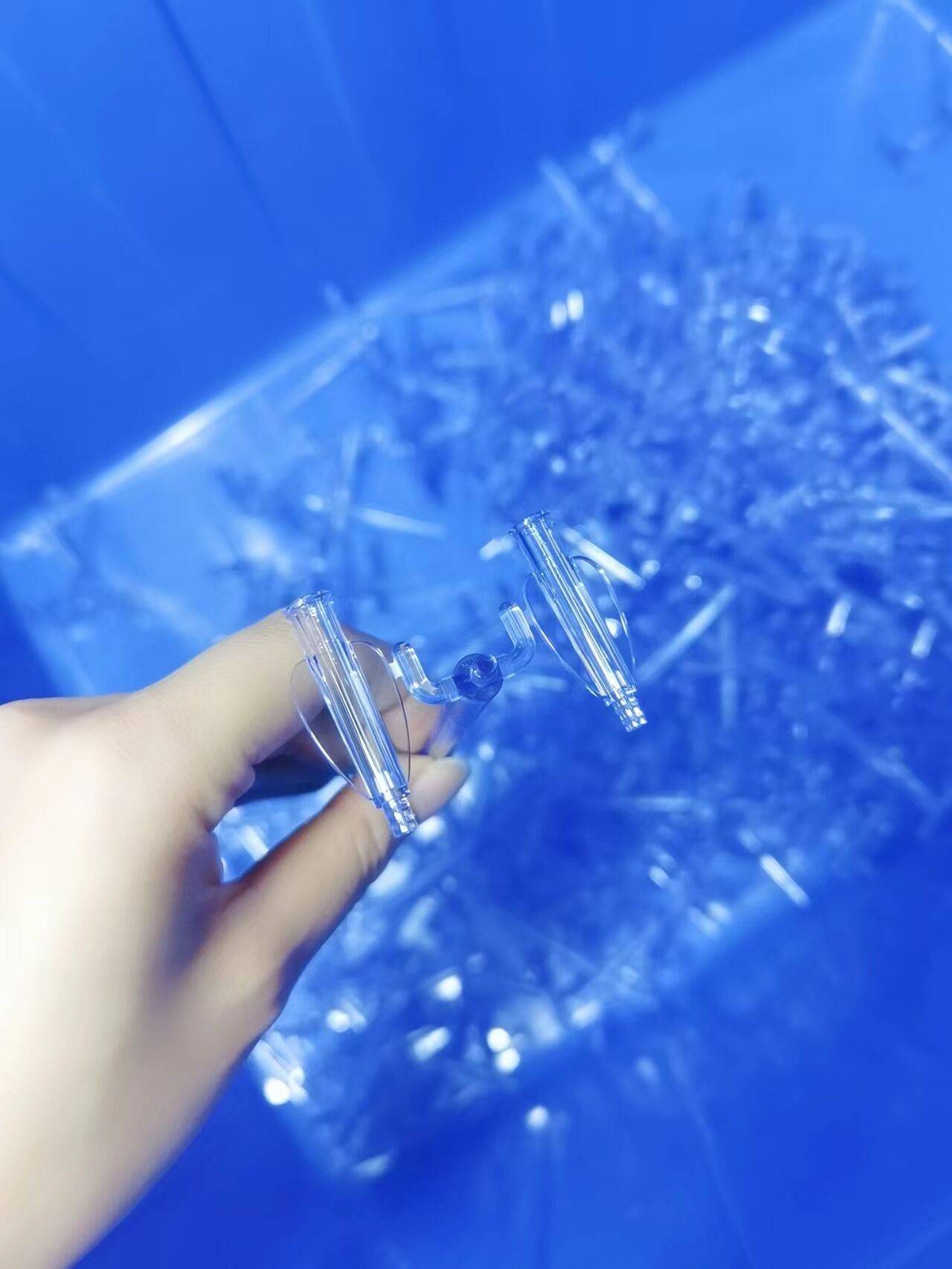
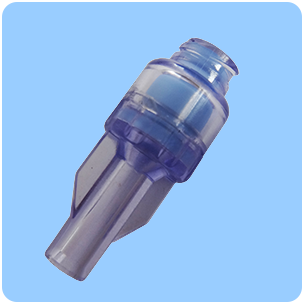
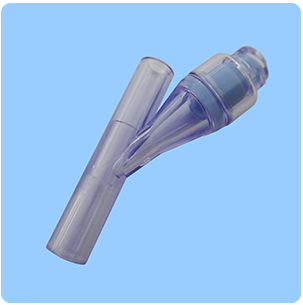
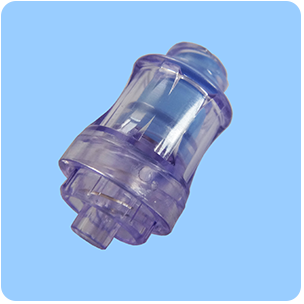
Positive pressure needleless connectors represent a significant advancement in medical device technology, specifically designed to enhance patient safety and improve clinical outcomes in intravenous therapy. These innovative devices serve as critical components in closed IV systems, allowing healthcare professionals to access vascular lines without using traditional needles. The primary function of positive pressure needleless connectors is to maintain a slight positive pressure within the catheter upon disconnection, which helps prevent blood reflux into the catheter tip. This mechanism significantly reduces the risk of catheter occlusion and minimizes the potential for catheter-related bloodstream infections. The technological features of positive pressure needleless connectors include specialized internal mechanisms that automatically create positive displacement when the syringe or IV tubing is disconnected. This design incorporates precision-engineered components that work seamlessly to push a small amount of fluid forward as the connection is released, effectively flushing the catheter and preventing blood backflow. Many positive pressure needleless connectors feature transparent housings that allow visual confirmation of fluid flow and proper connection, while their Luer-lock compatibility ensures secure attachment to standard medical devices. The applications of positive pressure needleless connectors span across various healthcare settings, including hospitals, outpatient clinics, home healthcare environments, and long-term care facilities. These devices are utilized in peripheral IV therapy, central venous access, and any situation requiring intermittent or continuous vascular access. Healthcare professionals rely on positive pressure needleless connectors for administering medications, drawing blood samples, and delivering fluids while maintaining a closed system that protects both patients and medical staff from exposure to bloodborne pathogens. The integration of positive pressure needleless connectors into standard clinical practice reflects the healthcare industry's commitment to implementing evidence-based solutions that enhance patient care quality and reduce healthcare-associated complications.
The advantages of positive pressure needleless connectors extend far beyond basic functionality, offering tangible benefits that improve both patient outcomes and clinical workflow efficiency. First and foremost, these devices dramatically reduce the risk of catheter occlusion, which means fewer instances of blocked IV lines that would otherwise require replacement. When catheters remain patent and functional for longer periods, patients experience less discomfort and fewer needle sticks, while healthcare facilities save money on replacement catheters and medical supplies. The positive pressure mechanism works continuously to keep lines clear, eliminating many of the frustrating complications that interrupt treatment plans and delay medication delivery. Another major advantage involves infection prevention, as positive pressure needleless connectors create a closed system that minimizes microbial entry points. By eliminating the need for traditional needles during line access, these connectors reduce the opportunity for contamination that could lead to serious bloodstream infections. Healthcare workers benefit from enhanced safety features that protect them from accidental needle stick injuries, which pose significant health risks and create costly workers' compensation claims. The needleless design means staff members can confidently access IV lines without fear of exposure to bloodborne pathogens, creating a safer work environment that reduces anxiety and improves job satisfaction. Time efficiency represents another compelling advantage, as positive pressure needleless connectors streamline clinical workflows and allow healthcare professionals to complete tasks more quickly. The simple connect-and-disconnect process requires minimal training and can be performed rapidly, even in high-pressure emergency situations. Nurses and other medical staff appreciate the intuitive design that eliminates complicated flushing protocols and reduces the number of steps required to maintain catheter patency. This time savings accumulates throughout busy shifts, allowing caregivers to focus more attention on direct patient care rather than managing equipment complications. Cost effectiveness emerges as a practical advantage when facilities calculate the total expenses associated with catheter maintenance and complication management. While positive pressure needleless connectors may have a slightly higher upfront cost compared to basic connectors, the reduction in catheter replacements, infection treatments, and staff injury claims quickly offsets the initial investment. Hospitals and clinics that implement these devices consistently report improved financial performance related to IV therapy management, along with better compliance with infection control standards and regulatory requirements.

Tips And Tricks

What are the technical challenges in precision OEM tooling manufacturing?

22

Oct

What are the technical challenges in precision OEM tooling manufacturing?

Understanding the Complex World of Advanced Manufacturing Technologies The realm of precision OEM tooling represents one of manufacturing's most demanding sectors, where tolerances are measured in microns and quality standards are uncompromising. As ...
View More
What Sets a Leading Injection Manufacturer Apart?

27

Nov

What Sets a Leading Injection Manufacturer Apart?

The manufacturing landscape for injection molding has evolved dramatically over the past decade, with companies facing increasing demands for precision, efficiency, and cost-effectiveness. As industries ranging from automotive to medical devices requ...
View More
What Applications Benefit Most from Custom Mold and OEM Molding Solutions?

23

Dec

What Applications Benefit Most from Custom Mold and OEM Molding Solutions?

Manufacturing industries across the globe rely heavily on precision components that meet exact specifications and performance standards. When standard off-the-shelf products cannot deliver the required functionality, companies turn to specialized man...
View More
How Do You Evaluate a Supplier for Custom Mold and OEM Molding Projects?

23

Dec

How Do You Evaluate a Supplier for Custom Mold and OEM Molding Projects?

Selecting the right supplier for your custom mold and OEM molding projects represents one of the most critical decisions in manufacturing. The success of your product development, production timelines, and overall profitability directly depends on pa...
View More

Get a Free Quote

Our representative will contact you soon.
0/1000
Advanced Positive Displacement Technology for Superior Catheter Patency

Advanced Positive Displacement Technology for Superior Catheter Patency

The cornerstone feature of positive pressure needleless connectors lies in their sophisticated positive displacement technology, which revolutionizes how healthcare providers maintain catheter patency and prevent common complications. This innovative mechanism operates through precisely calibrated internal components that automatically generate a small amount of forward fluid movement at the exact moment of disconnection. When a healthcare provider removes a syringe or IV tubing from the connector, the device's internal spring-loaded or membrane-based system creates positive pressure that pushes fluid through the catheter tip, effectively clearing the line of any residual blood or medication. This automated process eliminates the need for manual positive pressure flushing techniques that rely on user timing and skill, which can be inconsistent and error-prone. The engineering behind positive pressure needleless connectors ensures that the displacement volume is carefully controlled to provide optimal flushing without using excessive fluid or creating pressure spikes that could damage delicate veins or catheters. Medical device manufacturers have refined this technology through extensive testing and clinical research, resulting in connectors that deliver reliable performance across diverse patient populations and clinical scenarios. The importance of this feature cannot be overstated, as maintaining catheter patency directly impacts patient comfort, treatment continuity, and overall healthcare costs. When catheters remain clear and functional, patients avoid the pain and trauma associated with repeated venipuncture for line replacement, while healthcare facilities reduce expenses related to supplies, staff time, and potential complications. The positive displacement mechanism works silently and automatically in the background of clinical care, providing consistent protection against blood reflux that could otherwise lead to catheter occlusion within hours or days of insertion. Healthcare professionals who use positive pressure needleless connectors report greater confidence in their IV therapy outcomes and appreciate the reduced need for troubleshooting blocked lines during critical treatment moments. This technology brings measurable value to patients through improved treatment experiences and to healthcare organizations through enhanced operational efficiency and reduced complication rates.
Enhanced Infection Control Through Closed System Design

Enhanced Infection Control Through Closed System Design

Positive pressure needleless connectors deliver exceptional infection control benefits through their closed system architecture, which fundamentally changes how healthcare providers access vascular lines while minimizing contamination risks. The closed system design means that every access point remains sealed when not actively in use, creating multiple barriers against microbial entry that could lead to dangerous catheter-related bloodstream infections. These infections represent serious complications that extend hospital stays, increase treatment costs, and can result in life-threatening sepsis if not promptly addressed. By implementing positive pressure needleless connectors, healthcare facilities demonstrate commitment to evidence-based infection prevention strategies that align with national safety initiatives and regulatory standards. The needleless aspect of these connectors eliminates the need to pierce rubber injection ports with needles, which creates potential pathways for bacteria to enter the bloodstream. Traditional needle access methods can introduce microorganisms from the skin surface or environment, even when strict aseptic techniques are followed, because needles can core small rubber particles that carry contaminants into the fluid path. Positive pressure needleless connectors feature smooth, mechanical valve systems that open only when proper Luer connections are established, then seal completely upon disconnection. Many designs incorporate antimicrobial materials or silver-ion technology in their construction, providing additional protection against bacterial colonization on connector surfaces. The infection control value extends beyond patient protection to include significant cost savings, as each prevented bloodstream infection saves healthcare facilities thousands of dollars in extended treatment costs, additional antibiotics, and potential litigation expenses. Hospitals that systematically implement positive pressure needleless connectors as part of comprehensive catheter care bundles consistently achieve lower infection rates compared to facilities using older connector technologies. Healthcare workers benefit from the confidence that comes with using devices specifically engineered to reduce infection transmission, while patients and families gain peace of mind knowing that their care team employs the most advanced safety equipment available. The closed system design also protects healthcare providers from exposure to patient blood during line access procedures, reducing occupational health risks and creating a safer work environment that supports staff retention and satisfaction.
Clinical Versatility and User-Friendly Operation Across Healthcare Settings

Clinical Versatility and User-Friendly Operation Across Healthcare Settings

The remarkable versatility of positive pressure needleless connectors makes them invaluable tools across the entire spectrum of healthcare environments, from intensive care units to home health settings, while their user-friendly operation ensures consistent performance regardless of clinician experience level. These connectors are compatible with virtually all standard IV catheters, including peripheral lines, midline catheters, peripherally inserted central catheters, and central venous catheters, allowing healthcare facilities to standardize their connector selection across multiple departments and patient care areas. This universal compatibility simplifies inventory management, reduces staff training requirements, and eliminates confusion about which connector to use for specific catheter types. The straightforward design of positive pressure needleless connectors features intuitive Luer-lock connections that healthcare providers can establish quickly and securely, even in challenging clinical situations such as emergency resuscitations or during patient transport. The transparent housing common to many positive pressure needleless connectors allows visual confirmation of proper fluid flow and helps identify air bubbles or debris that might compromise therapy effectiveness. Healthcare professionals appreciate the tactile and audible feedback provided during connection and disconnection, which confirms proper engagement without requiring excessive force that could damage catheter hubs or connections. The versatility extends to medication administration protocols, as positive pressure needleless connectors accommodate both bolus injections and continuous infusions, supporting the diverse therapeutic needs of modern patient populations. In outpatient and home healthcare settings, where family members or patients themselves may manage IV therapy, the simplicity of positive pressure needleless connectors becomes especially valuable. These users can learn proper connection techniques quickly, and the automated positive pressure mechanism eliminates the need for complex flushing protocols that might be difficult to execute correctly outside clinical environments. The durability of positive pressure needleless connectors ensures they withstand the mechanical stresses of repeated access throughout their intended use period, maintaining their protective features and fluid path integrity despite numerous connection cycles. Healthcare facilities implementing positive pressure needleless connectors report improved staff satisfaction because these devices reduce frustrating equipment failures and allow clinicians to focus on patient assessment and therapeutic interventions rather than troubleshooting IV access problems. The combination of broad clinical applicability and ease of use creates substantial value for healthcare organizations seeking to optimize their IV therapy programs while maintaining the highest standards of patient safety and care quality.