Advanced Plastic Injection Molding Solutions: Precision Manufacturing for Modern Industries

Get a Quote
Get a Quote

plastic injection

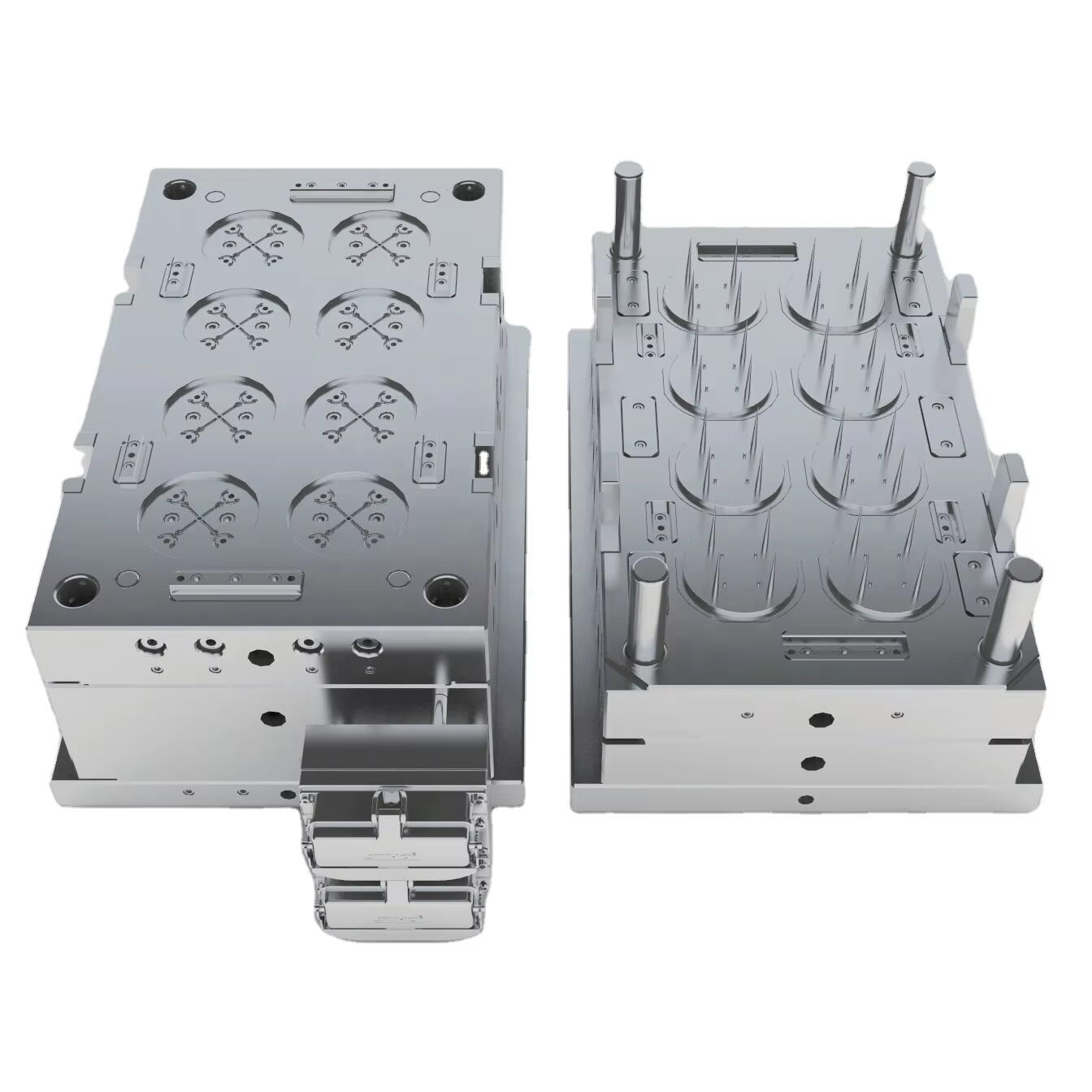
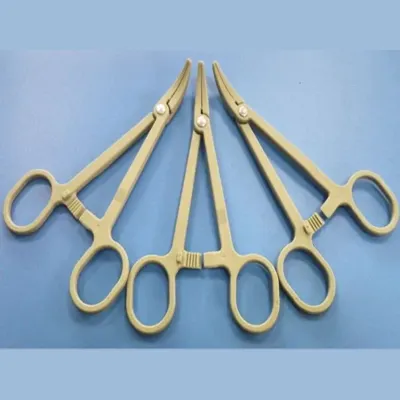
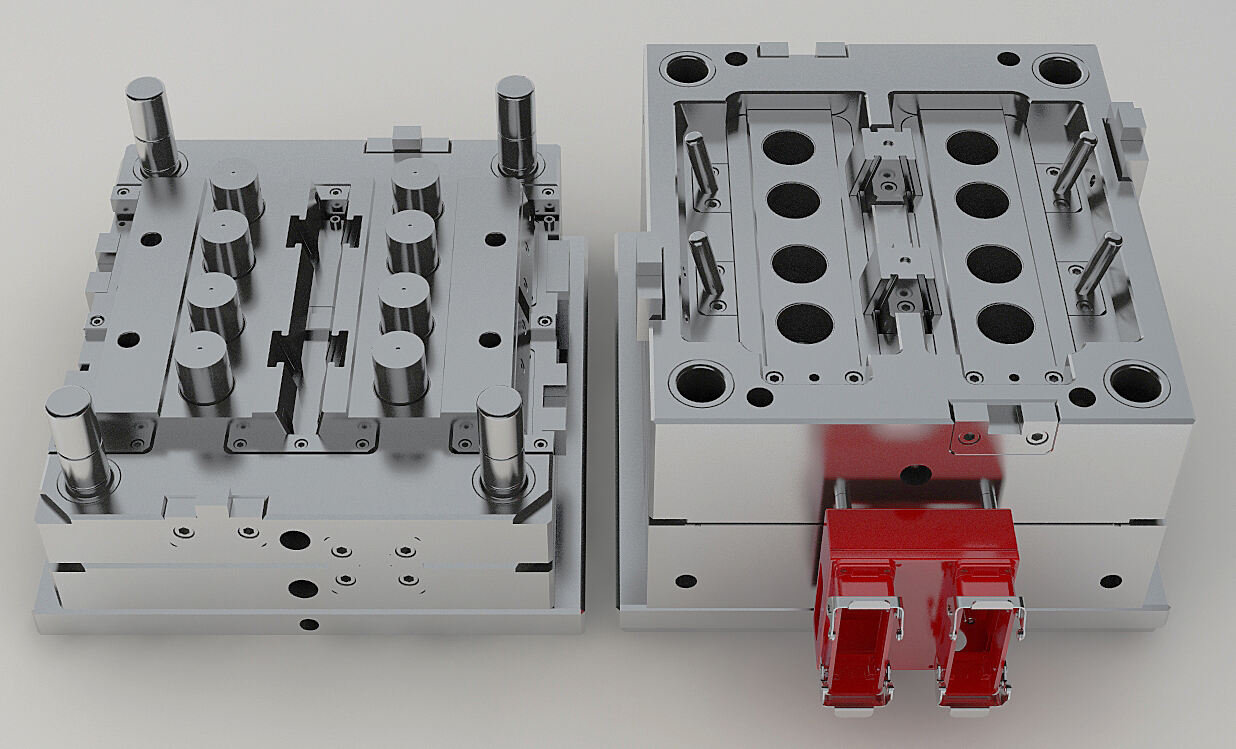
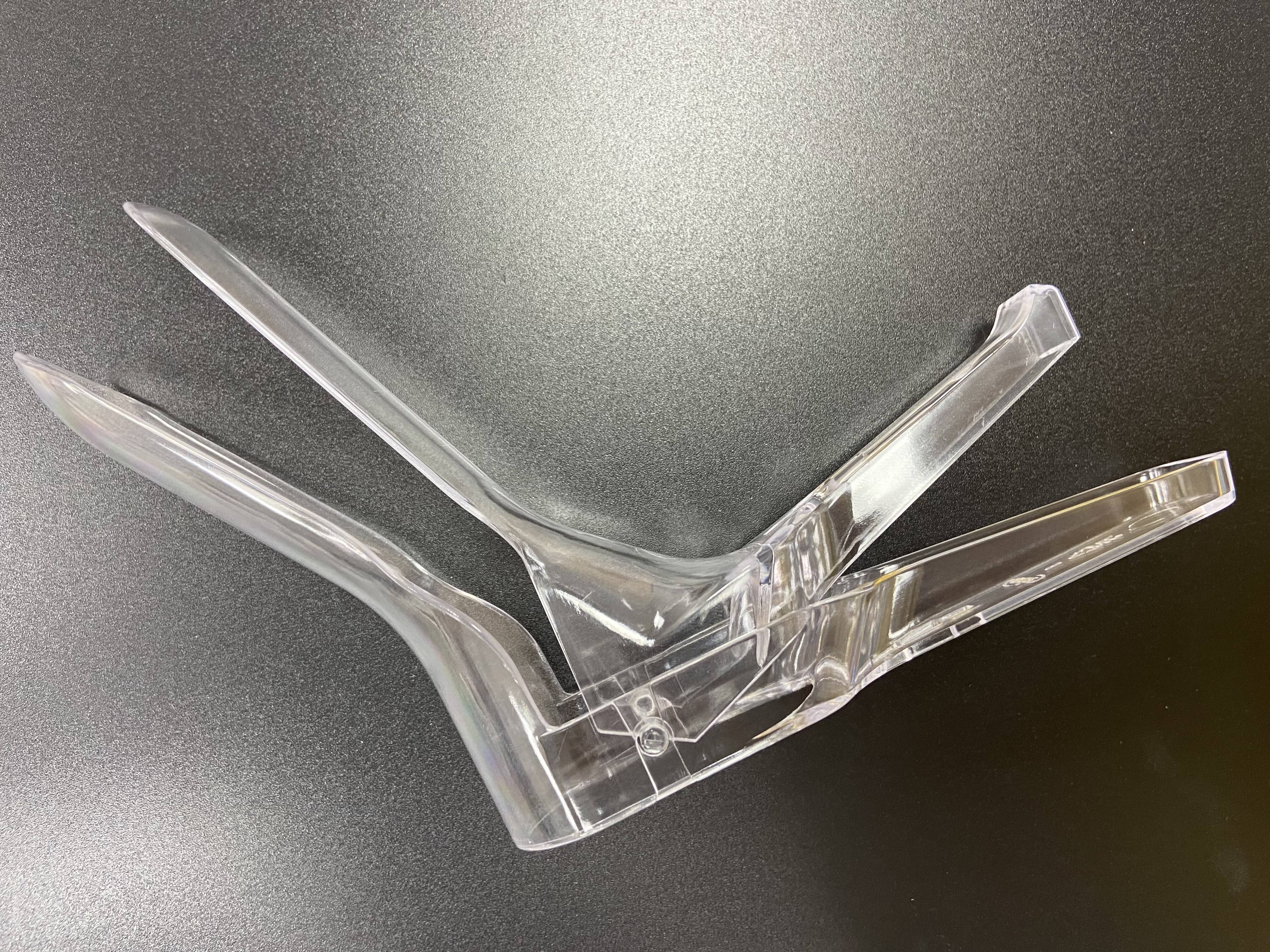
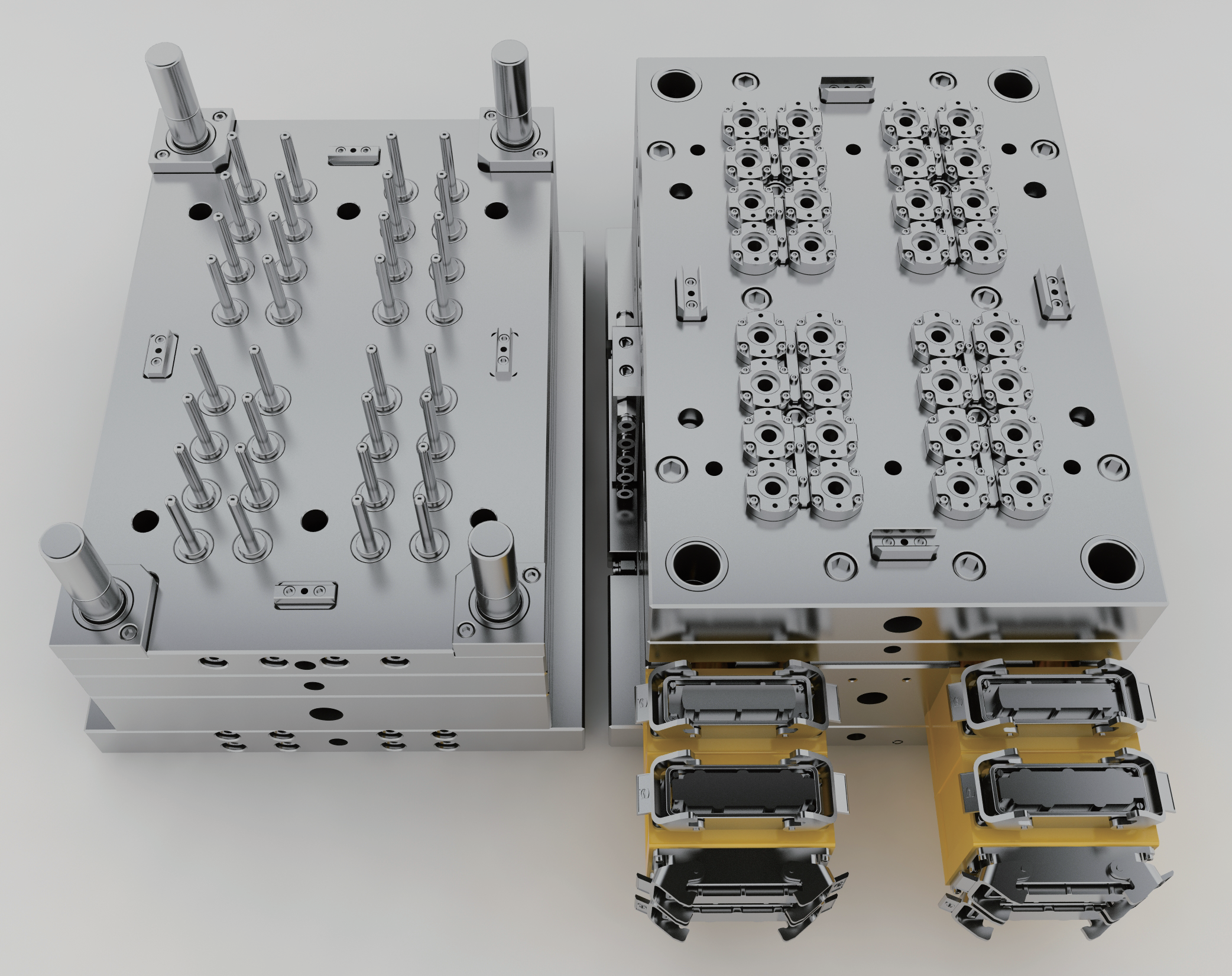
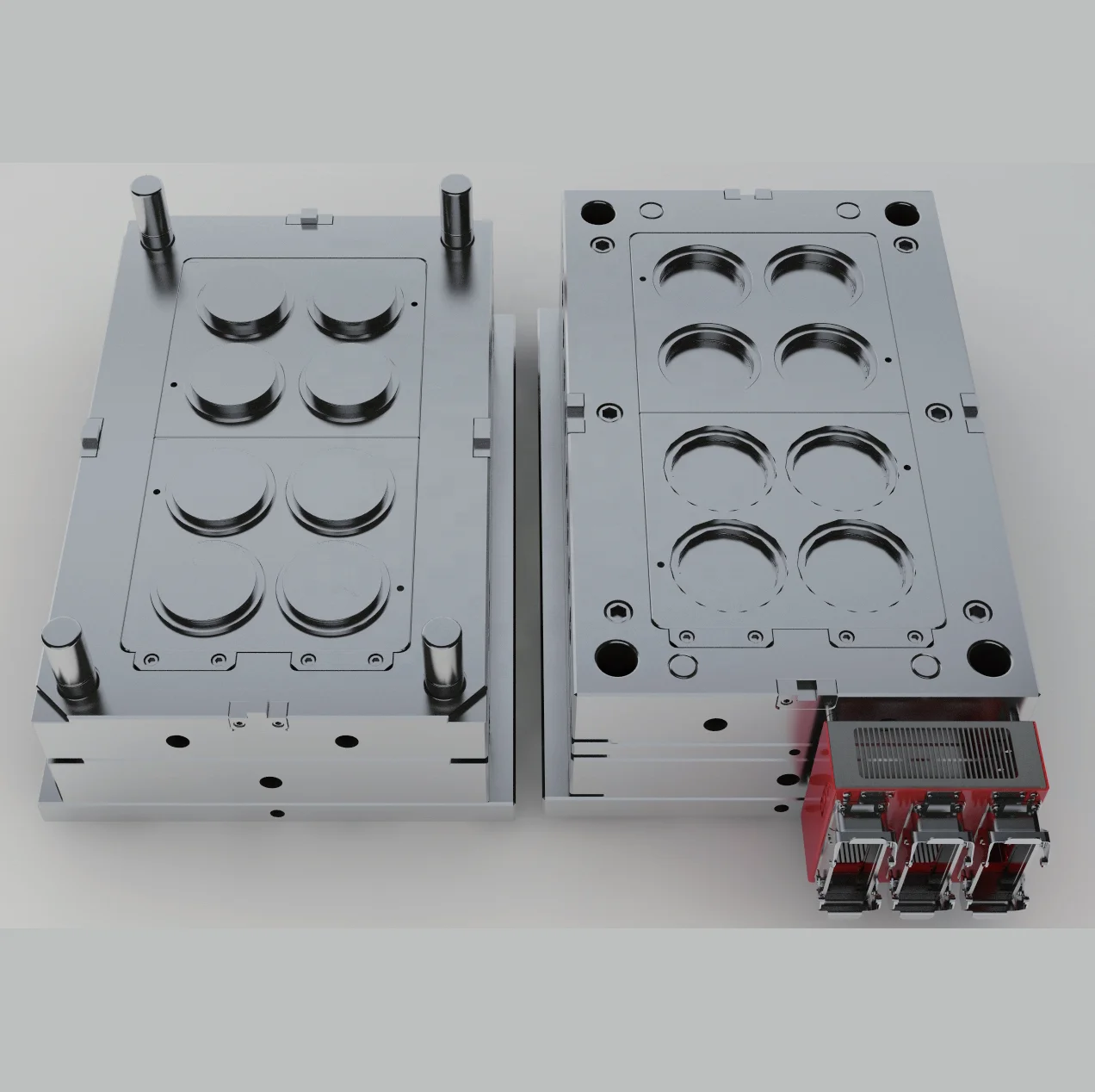
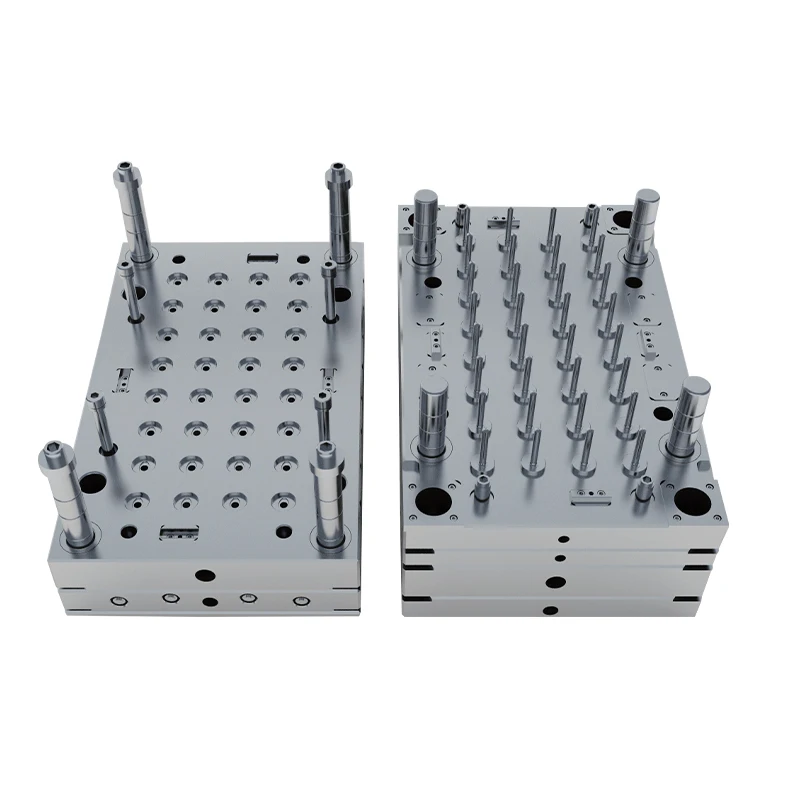
Plastic injection molding is a revolutionary manufacturing process that transforms raw plastic materials into precisely engineered products through a sophisticated combination of heat, pressure, and cooling. This versatile technology involves melting plastic pellets and injecting the molten material into carefully designed molds under high pressure. The process begins with the material selection, where thermoplastic pellets are fed into a heated barrel, converting them into a malleable state. The molten plastic is then forced into a custom mold cavity using a powerful screw mechanism, where it cools and solidifies into the desired shape. Modern plastic injection systems incorporate advanced features such as precise temperature control, automated material handling, and real-time quality monitoring to ensure consistent production. The technology finds extensive applications across various industries, including automotive parts manufacturing, consumer electronics, medical devices, and household products. Its ability to produce complex geometries with tight tolerances, while maintaining high production efficiency, makes it an indispensable process in modern manufacturing.

Plastic injection molding offers numerous compelling advantages that make it the preferred choice for manufacturers worldwide. First, it enables unparalleled production efficiency through high-volume manufacturing capabilities, significantly reducing per-unit costs for large production runs. The process delivers exceptional consistency and quality, ensuring each product meets exact specifications. Cost-effectiveness is achieved through minimal material waste, as excess plastic can be recycled and reused in subsequent production cycles. The versatility of the process allows for the creation of complex parts with intricate details that would be impossible or cost-prohibitive to produce using other methods. Additionally, the technology supports a wide range of materials, including both standard and engineering-grade plastics, providing flexibility in meeting various product requirements. The automated nature of modern injection molding systems reduces labor costs and human error, while simultaneously increasing production speed and efficiency. The process offers excellent surface finish quality without requiring secondary operations, saving time and resources. Furthermore, the ability to incorporate multiple materials or colors in a single production cycle through co-injection or multi-shot molding expands design possibilities. The durability of injection-molded parts, combined with their lightweight nature, makes them ideal for numerous applications where weight and strength are crucial factors.

Latest News

How to choose the right material for injection mold manufacturing?

28

Feb

How to choose the right material for injection mold manufacturing?

Introduction to Injection Molding Injection molding stands out as one of those key manufacturing techniques where hot plastic gets pushed into molds to create all sorts of parts. We see this method at work behind countless plastic items we encounte...
View More
What are the common applications of injection molds in the medical industry?

28

Feb

What are the common applications of injection molds in the medical industry?

Introduction to Injection Molding in the Medical Industry Injection molding has become really important in healthcare because it allows manufacturers to make intricate parts that meet strict dimensional requirements. Medical device companies rely o...
View More
How Does Industry 4.0 Impact the Future of Injection Molding?

28

Feb

How Does Industry 4.0 Impact the Future of Injection Molding?

Introduction to Industry 4.0 Industry 4.0 marks what many call the fourth wave of industrial change, where manufacturers are weaving digital tech right into their production lines. What makes this shift so impactful? Think about how companies now u...
View More
How to Choose the Right Materials for Medical Plastic Injection Molding?

06

Mar

How to Choose the Right Materials for Medical Plastic Injection Molding?

Introduction to Choosing Materials for Medical Plastic Injection Molding Choosing the right materials for medical plastic injection molding really matters for how safe and effective medical devices end up being. After all, these plastics often come...
View More

Get a Free Quote

Our representative will contact you soon.
0/1000
Advanced Process Control and Automation

Advanced Process Control and Automation

Modern plastic injection systems incorporate sophisticated control mechanisms that ensure precise regulation of every aspect of the molding process. These systems utilize advanced sensors and computerized controls to monitor and adjust critical parameters such as temperature, pressure, and injection speed in real-time. The automation capabilities extend to material handling, part removal, and quality inspection, minimizing human intervention and associated errors. This level of control results in consistently high-quality products with minimal variations between production runs. The systems can store and recall specific process parameters for different products, enabling quick changeovers and reducing setup times. Additionally, the integration of Industry 4.0 technologies allows for comprehensive data collection and analysis, facilitating continuous process improvement and predictive maintenance.
Material Versatility and Sustainability

Material Versatility and Sustainability

Plastic injection molding accommodates an extensive range of materials, from standard thermoplastics to high-performance engineering resins. This versatility enables manufacturers to select the optimal material for specific applications based on requirements such as strength, flexibility, chemical resistance, and temperature tolerance. The process supports the use of recycled materials and bio-based plastics, contributing to environmental sustainability. Modern systems incorporate efficient material handling and recovery systems that minimize waste and enable the recycling of runners and sprues. The ability to precisely control material flow and cooling rates ensures optimal material properties in the finished product, while advanced venting systems prevent defects caused by trapped air or gases.
Cost-Effective Mass Production

Cost-Effective Mass Production

The economic advantages of plastic injection molding become particularly evident in high-volume production scenarios. The initial tooling investment is offset by the extremely low per-unit costs achieved through rapid cycle times and minimal material waste. The process enables the production of complex parts in a single operation, eliminating the need for assembly and reducing labor costs. Advanced hot runner systems eliminate the need for runners and sprues in many applications, further reducing material costs and cycle times. The automation capabilities of modern injection molding systems minimize labor requirements while maintaining consistent quality levels. Additionally, the ability to produce parts with excellent surface finish directly from the mold eliminates the need for costly secondary operations.