Advanced Medical Equipment Manufacturing: Innovative Solutions for Modern Healthcare

Get a Quote
Get a Quote

medical equipment manufacturing

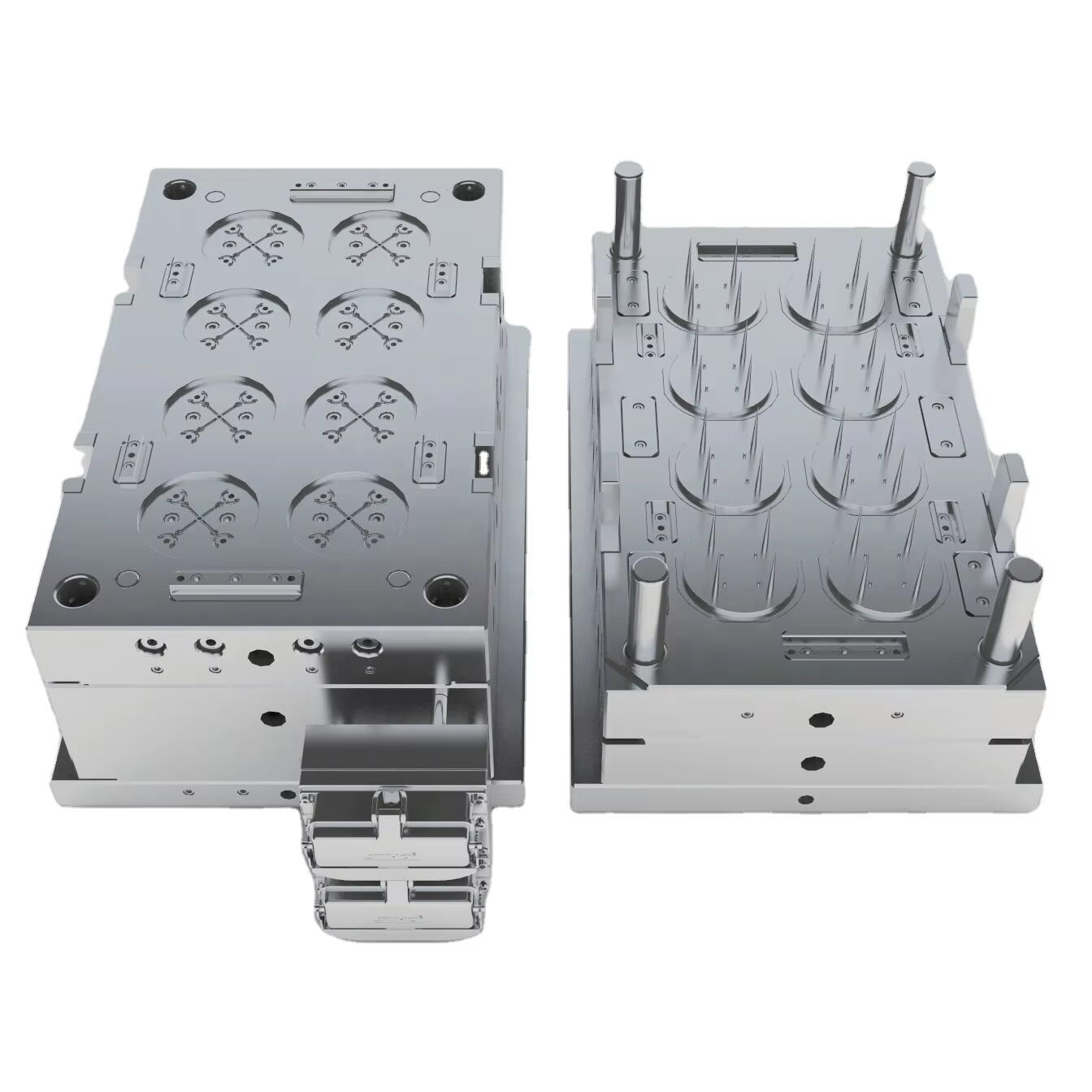
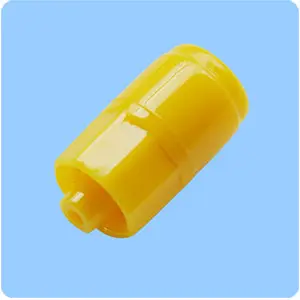
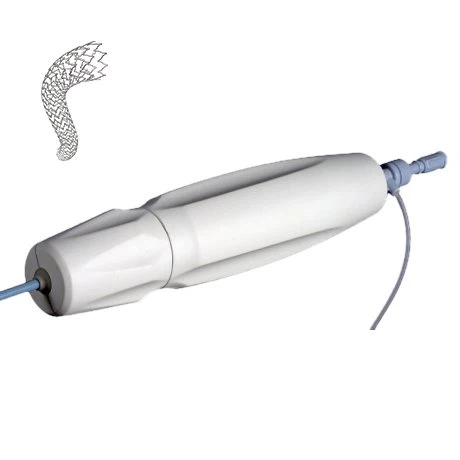
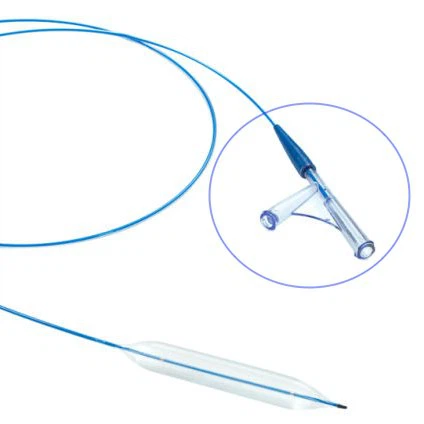
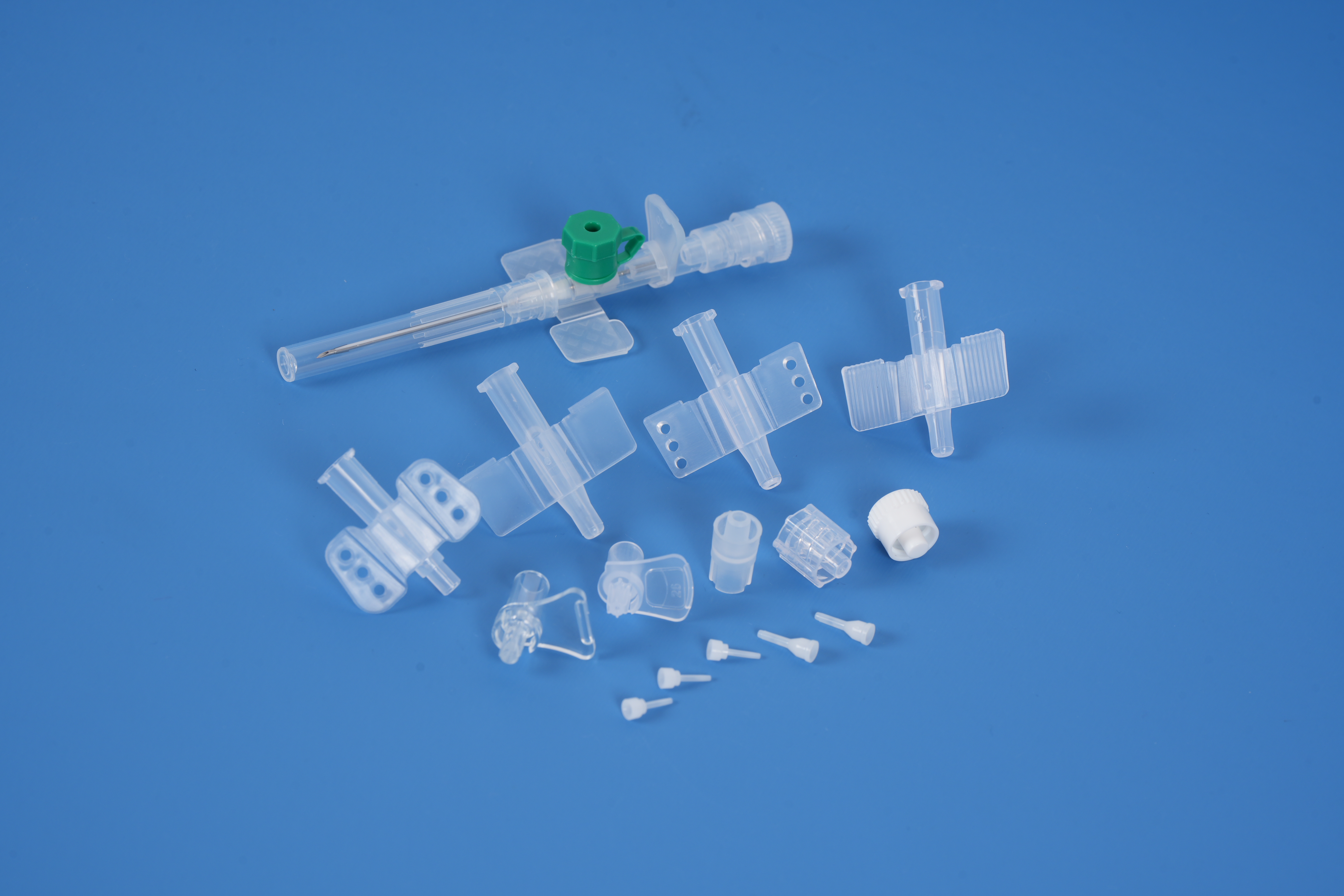
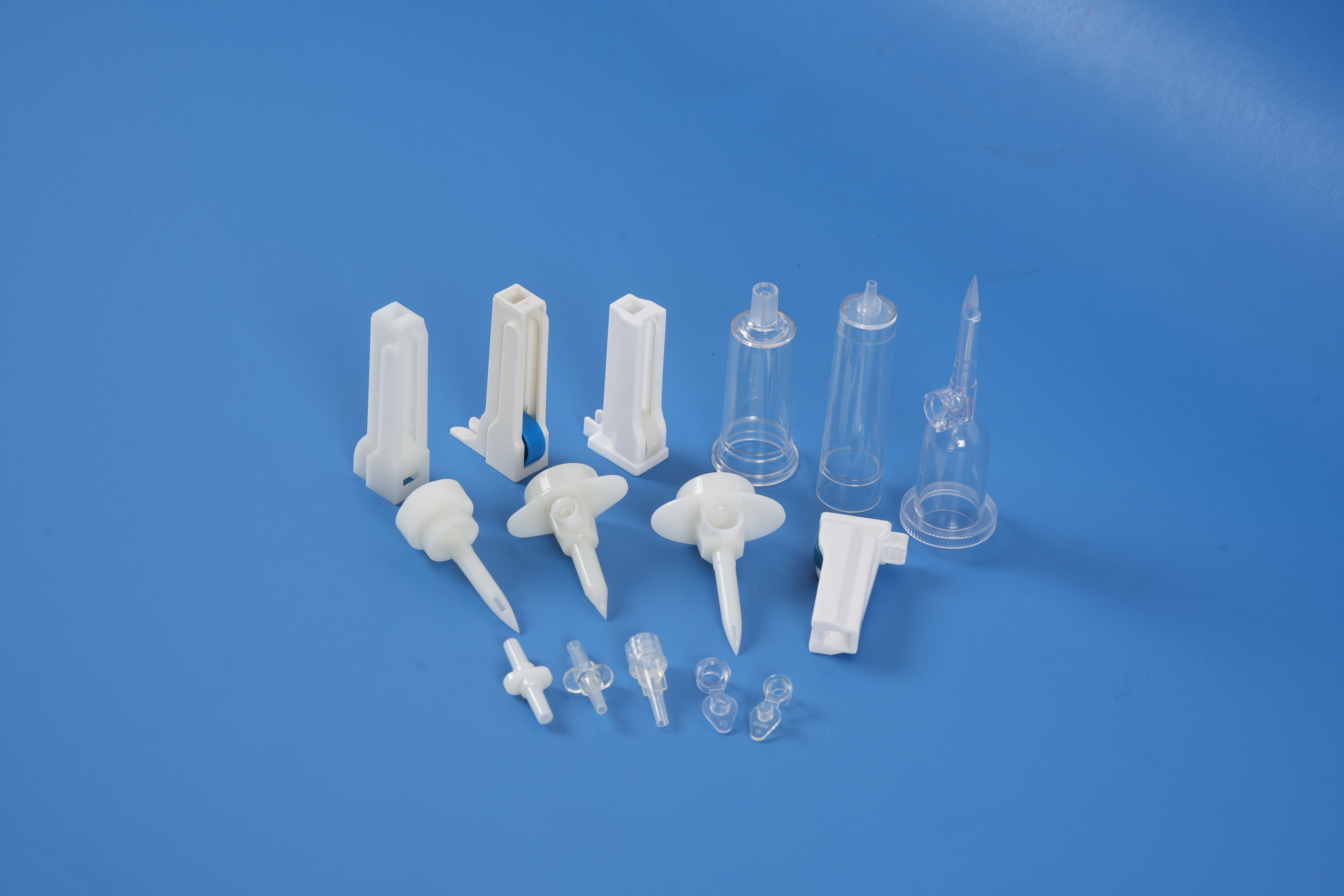
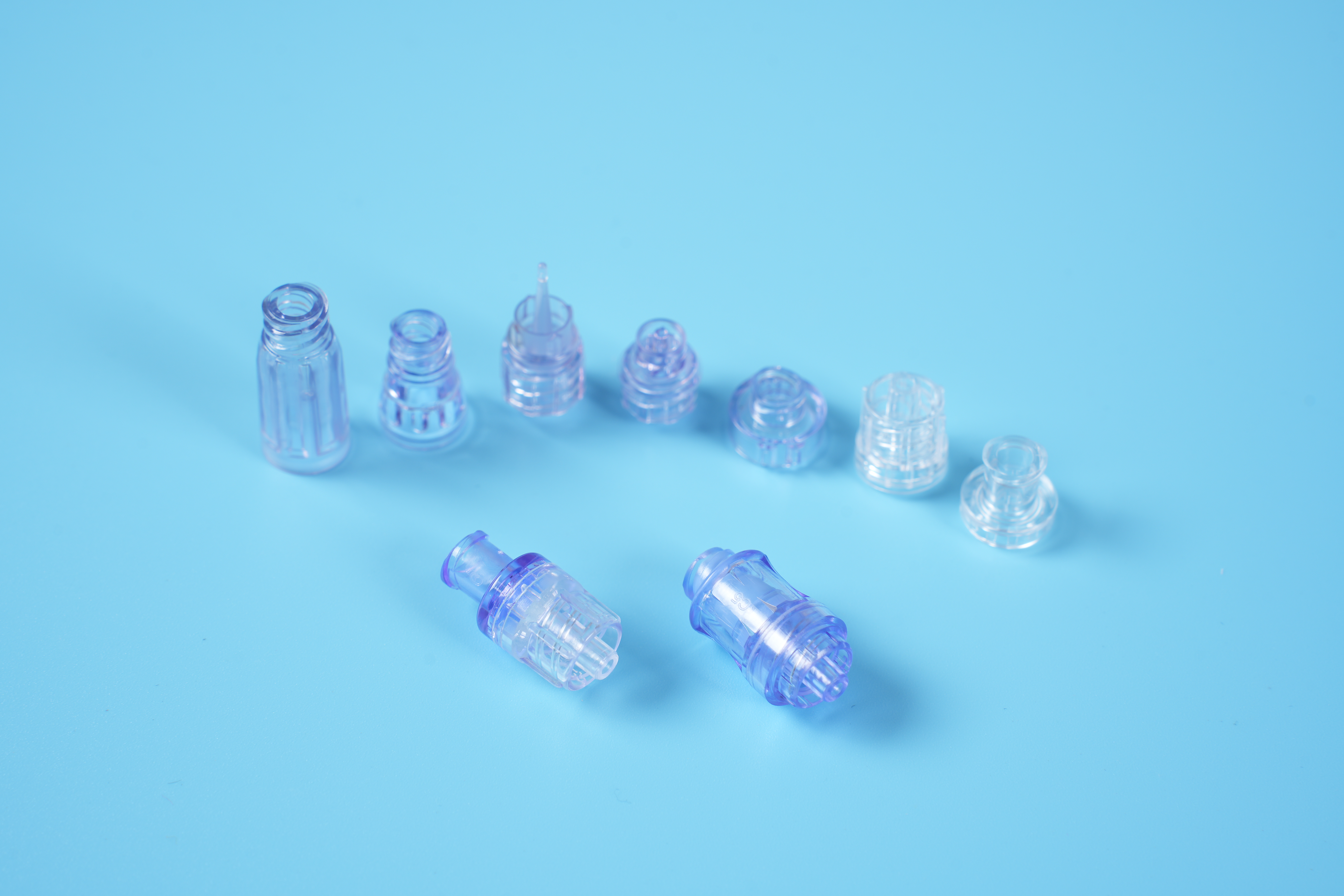
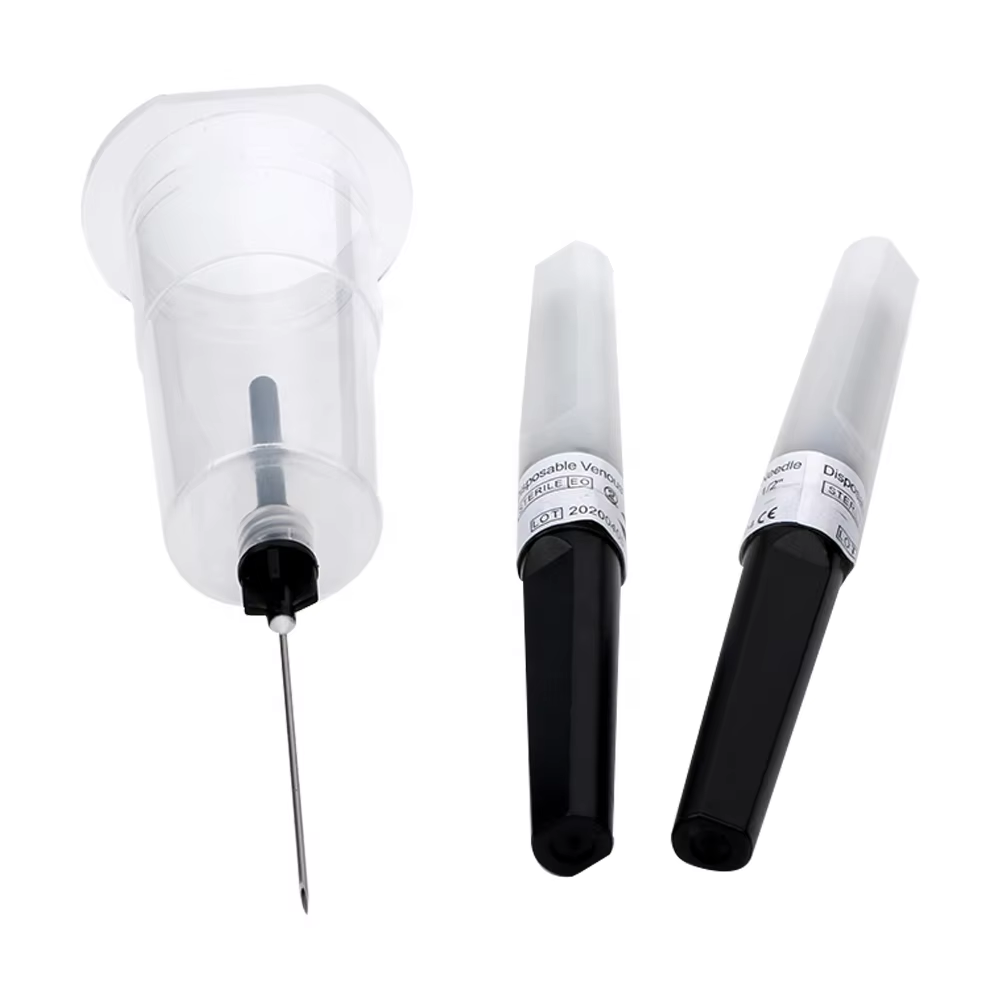
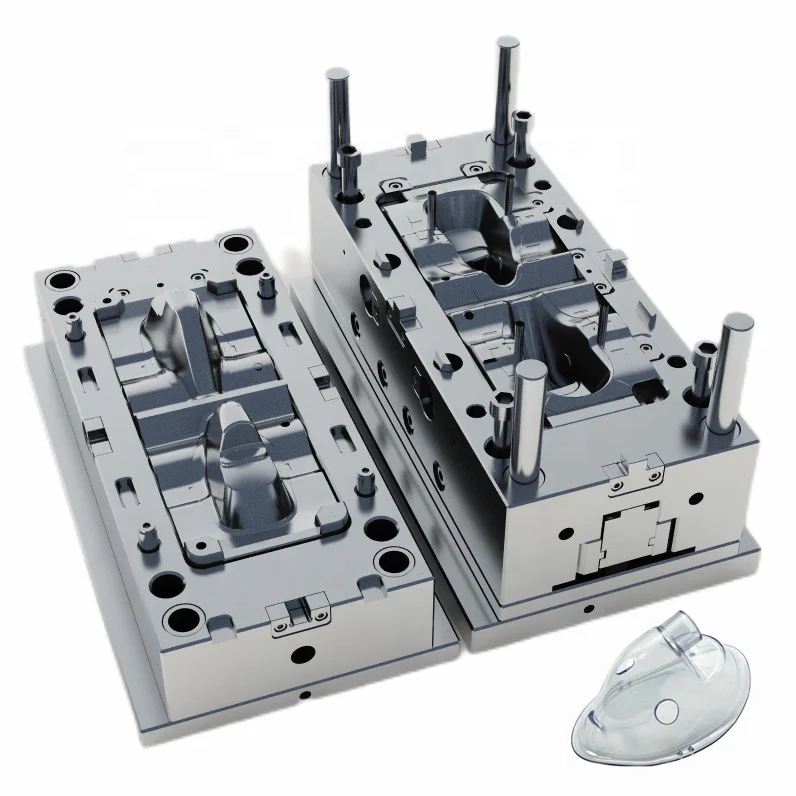
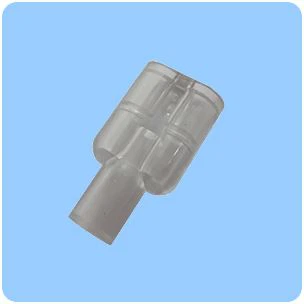
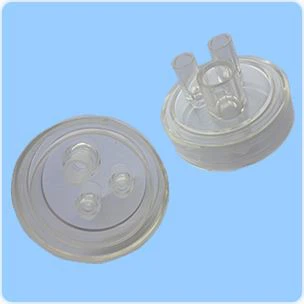
Medical equipment manufacturing represents a critical sector in healthcare technology, encompassing the design, production, and distribution of sophisticated medical devices and instruments. This industry combines precision engineering with advanced technological innovation to create equipment that serves various healthcare needs, from diagnostic tools to therapeutic devices. Modern manufacturing facilities employ state-of-the-art production techniques, including automated assembly lines, clean room environments, and rigorous quality control systems to ensure compliance with strict regulatory standards. The manufacturing process integrates computer-aided design (CAD) systems, 3D printing technologies, and advanced materials science to develop products that meet exact specifications. These facilities produce a wide range of equipment, including imaging systems, surgical instruments, patient monitoring devices, and life support systems. Quality assurance protocols are implemented at every stage, from raw material selection to final product testing, ensuring that all equipment meets international safety and performance standards. The industry also emphasizes research and development, constantly working to improve existing products and develop new solutions that address emerging healthcare challenges.

Medical equipment manufacturing offers numerous compelling advantages that benefit healthcare providers and patients alike. The industry's commitment to innovation drives continuous improvement in patient care quality through more accurate diagnostic tools and effective treatment options. Modern manufacturing processes ensure consistent product quality while maintaining cost-effectiveness through economies of scale and efficient production methods. Advanced automation and quality control systems significantly reduce the risk of human error, resulting in highly reliable medical equipment that healthcare professionals can depend on. The integration of smart technologies enables better data collection and analysis, leading to improved patient outcomes and more informed medical decisions. Furthermore, the industry's focus on sustainability and energy efficiency helps healthcare facilities reduce their environmental impact and operating costs. Customization capabilities allow manufacturers to adapt equipment to specific healthcare settings and requirements, ensuring optimal functionality in various medical environments. The robust quality management systems employed in manufacturing help maintain compliance with regulatory requirements while minimizing the risk of product recalls or safety issues. Additionally, the industry's global supply chain network ensures wider availability of medical equipment, supporting healthcare delivery in diverse geographical locations. The emphasis on user-friendly design makes equipment operation more intuitive, reducing training time and improving staff efficiency.

Latest News

How to choose the right material for injection mold manufacturing?

28

Feb

How to choose the right material for injection mold manufacturing?

Introduction to Injection Molding Injection molding stands out as one of those key manufacturing techniques where hot plastic gets pushed into molds to create all sorts of parts. We see this method at work behind countless plastic items we encounte...
View More
How Does Industry 4.0 Impact the Future of Injection Molding?

28

Feb

How Does Industry 4.0 Impact the Future of Injection Molding?

Introduction to Industry 4.0 Industry 4.0 marks what many call the fourth wave of industrial change, where manufacturers are weaving digital tech right into their production lines. What makes this shift so impactful? Think about how companies now u...
View More
How Does Custom Mold Design Design Impact OEM Product Quality?

06

Mar

How Does Custom Mold Design Design Impact OEM Product Quality?

Introduction to Custom Mold Design in OEM Manufacturing Good custom mold design sits at the heart of OEM manufacturing, letting companies produce parts that fit just right for all sorts of applications out there. When manufacturers get the mold spe...
View More
What Materials Are Best for Custom Molds in OEM Molding?

12

Mar

What Materials Are Best for Custom Molds in OEM Molding?

Introduction Getting the right mold materials sorted out matters a lot for OEM production since these materials directly affect how good the final products turn out. When manufacturers go for top notch materials, they're basically setting their mol...
View More

Get a Free Quote

Our representative will contact you soon.
0/1000
Advanced Quality Control Systems

Advanced Quality Control Systems

The implementation of sophisticated quality control systems represents a cornerstone of modern medical equipment manufacturing. These systems incorporate multiple layers of inspection and testing protocols, utilizing advanced sensors and monitoring equipment to detect even minor deviations from specifications. Each production stage undergoes rigorous verification, from component testing to final assembly validation. Statistical process control methods are employed to identify trends and potential issues before they affect product quality. This comprehensive approach ensures consistent product performance and reliability, crucial for medical applications where equipment failure is not an option. The quality control system also includes detailed documentation and traceability features, enabling manufacturers to track each component throughout the production process and after delivery.
Innovative Design and Engineering

Innovative Design and Engineering

The design and engineering processes in medical equipment manufacturing leverage cutting-edge technologies and methodologies to create innovative healthcare solutions. Computer-aided design and simulation tools enable engineers to optimize product designs before physical prototyping, reducing development time and costs. Virtual testing environments allow for extensive performance evaluation under various conditions, ensuring equipment reliability in real-world scenarios. The integration of user experience design principles results in more intuitive and efficient equipment operation, improving healthcare provider productivity and patient comfort. Advanced materials research and selection processes ensure optimal performance while maintaining safety and biocompatibility standards.
Regulatory Compliance and Safety Standards

Regulatory Compliance and Safety Standards

Medical equipment manufacturing maintains stringent adherence to international regulatory requirements and safety standards, ensuring product safety and effectiveness. Comprehensive documentation systems track every aspect of the manufacturing process, from material sourcing to final testing, maintaining compliance with FDA, CE, and other regulatory body requirements. Regular audits and inspections verify continued compliance with quality management systems and good manufacturing practices. The implementation of risk management protocols helps identify and mitigate potential safety concerns throughout the product lifecycle. Continuous staff training programs ensure all personnel are current with the latest regulatory requirements and safety protocols.