Custom Injection Molding: Precision Manufacturing Solutions for Complex Plastic Components

Get a Quote
Get a Quote

custom injection molding

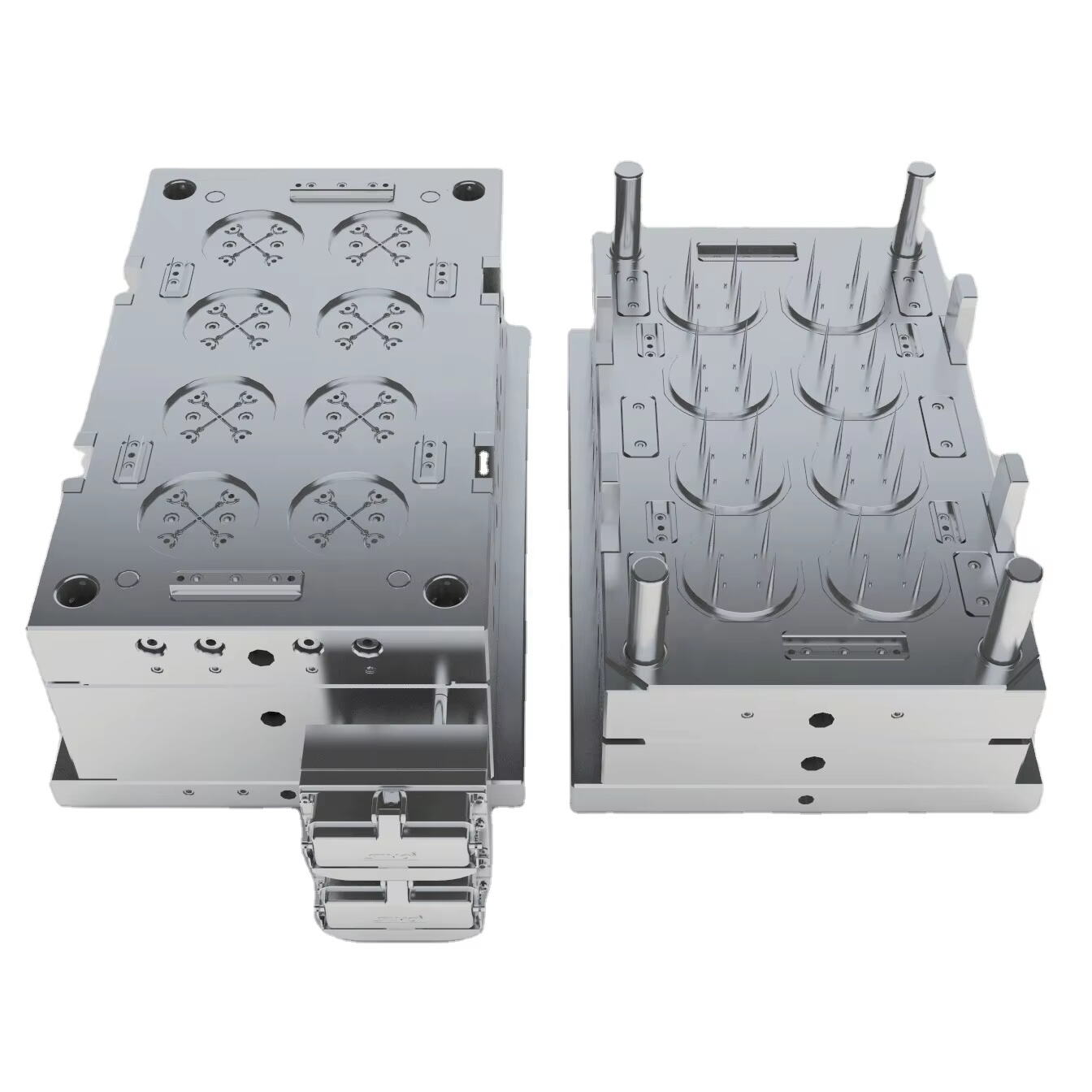
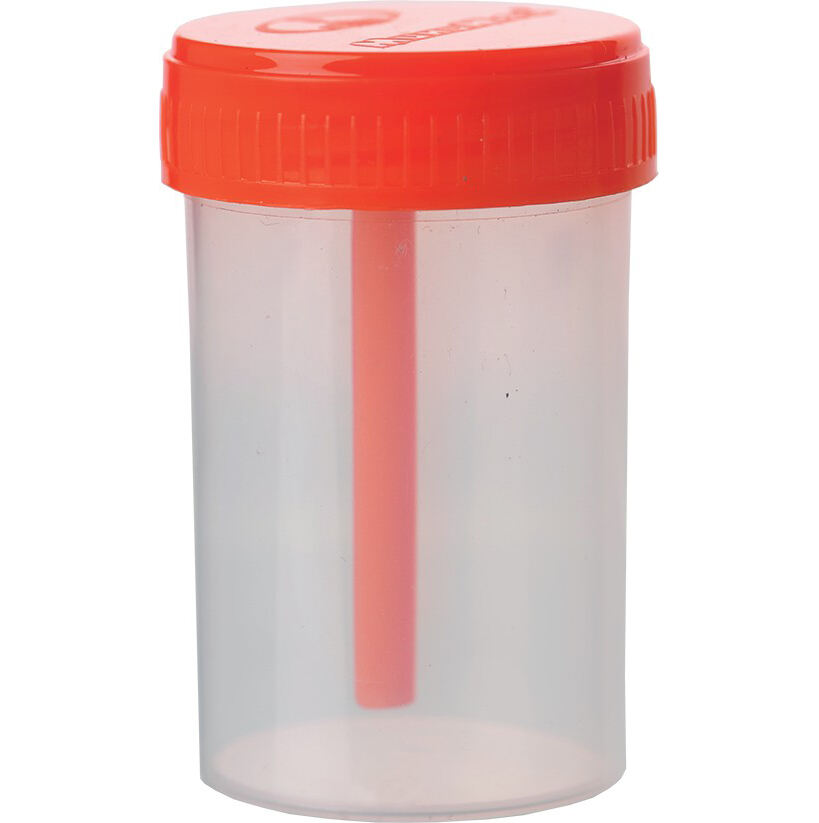
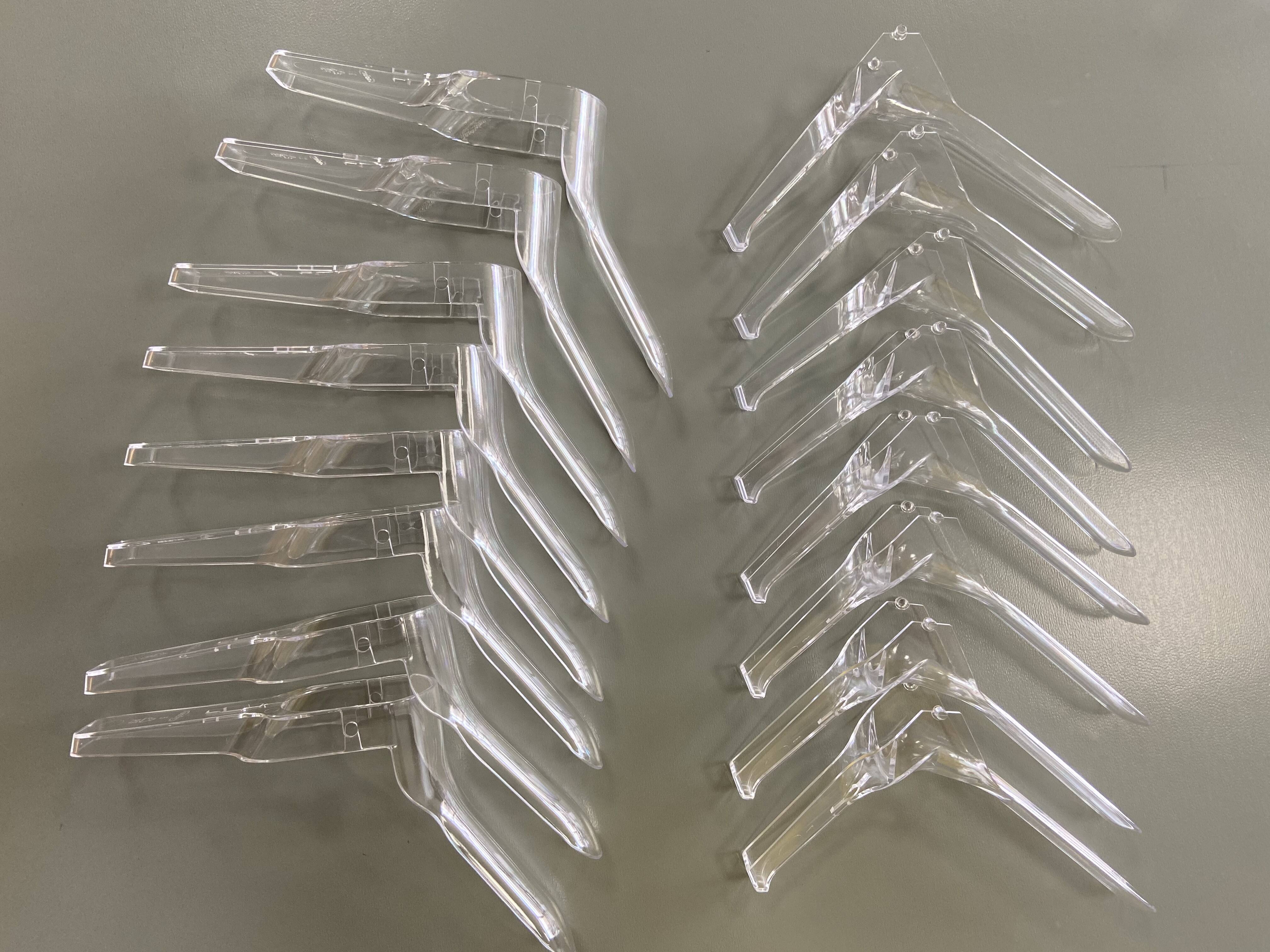
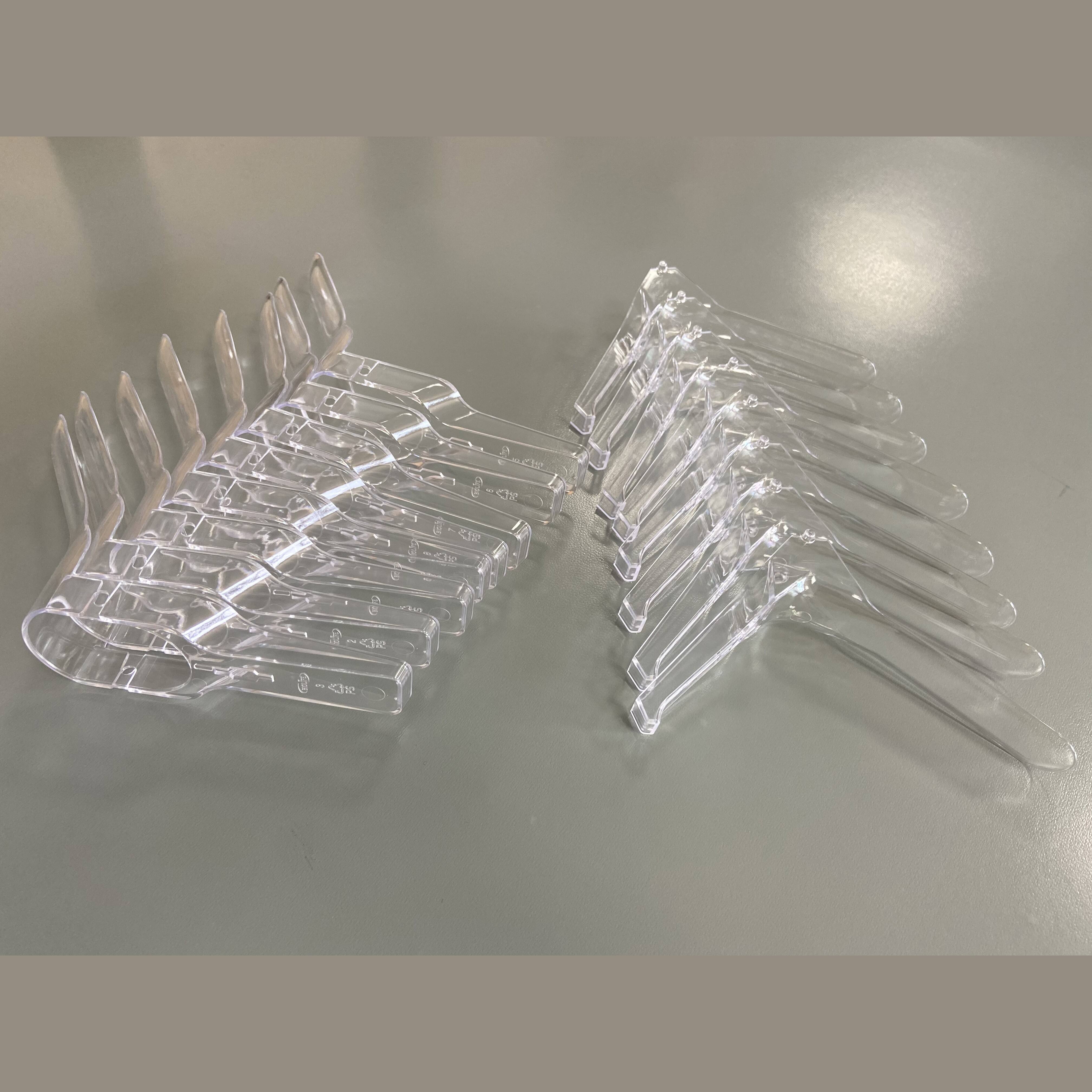
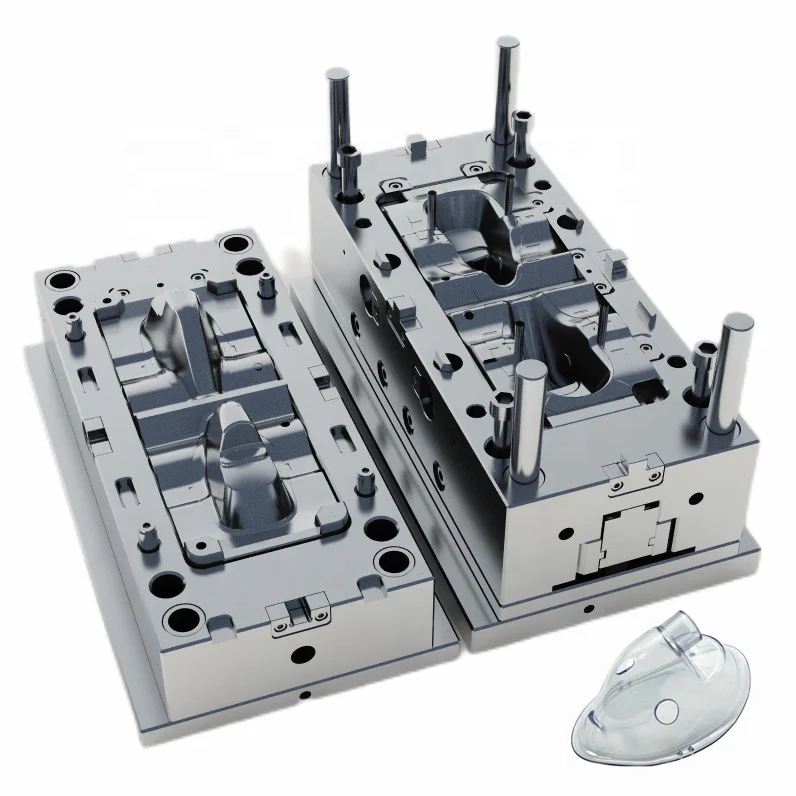
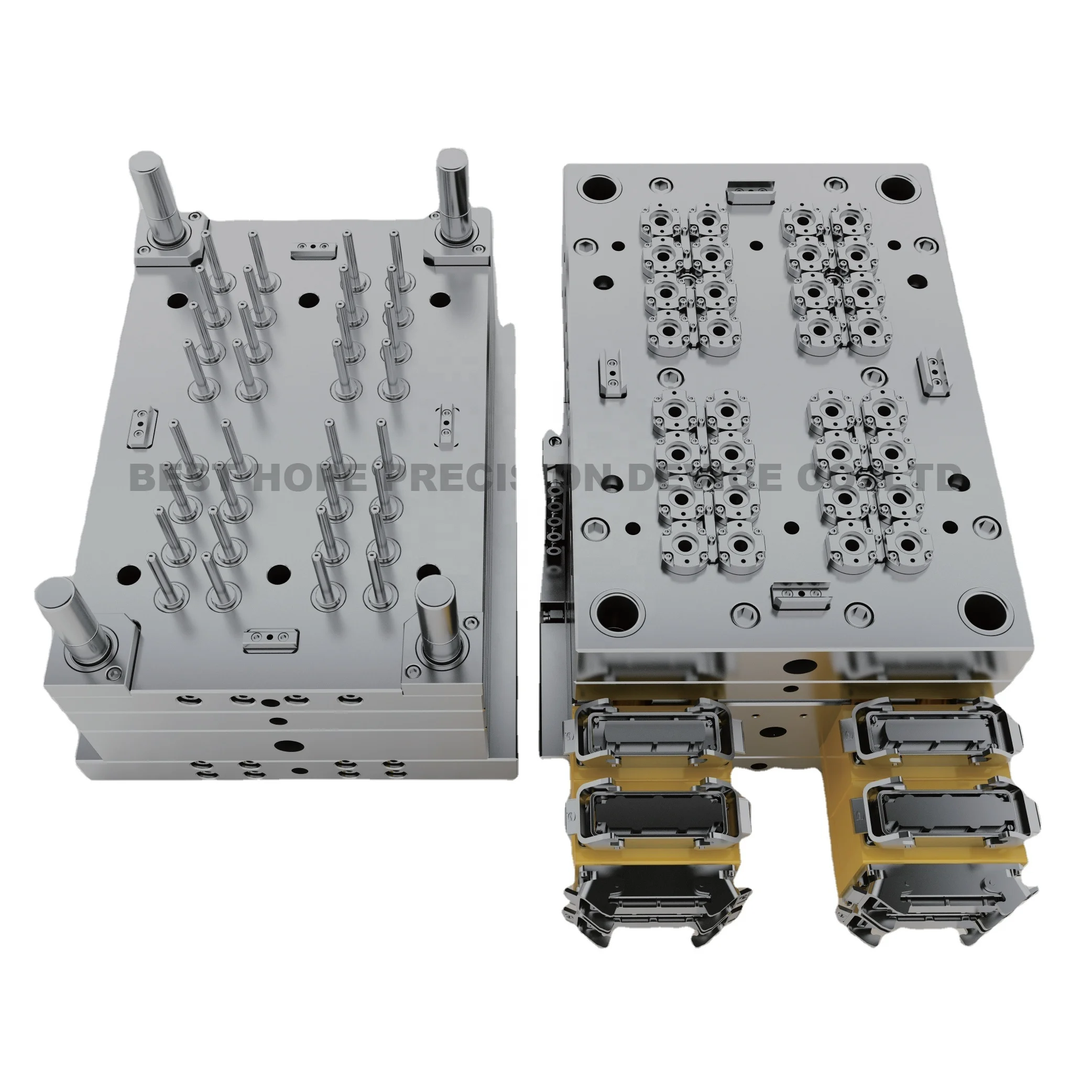
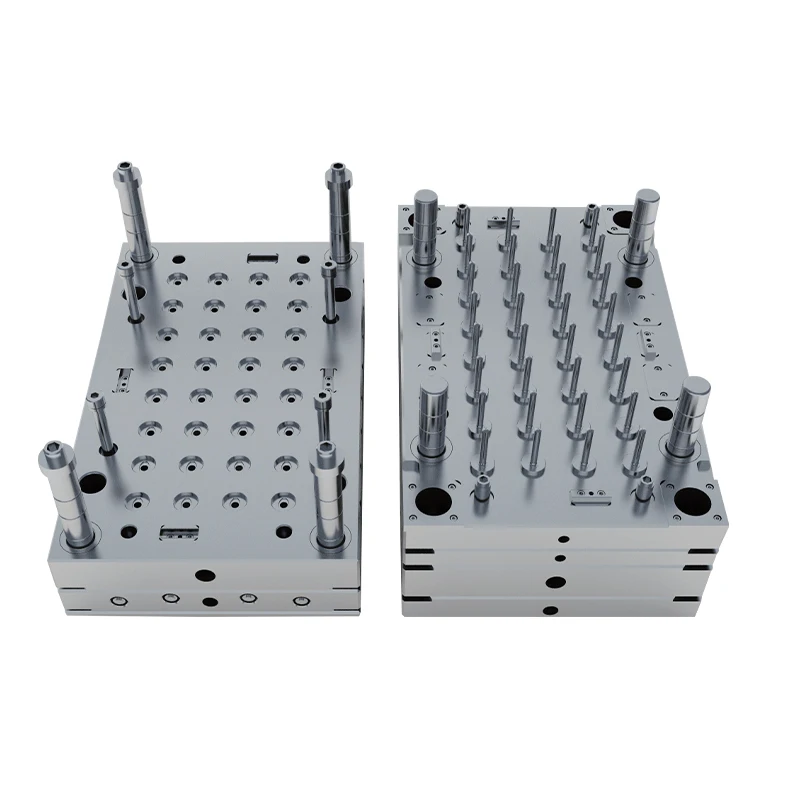
Custom injection molding represents a sophisticated manufacturing process that enables the production of highly precise plastic components tailored to specific requirements. This versatile technology involves injecting molten plastic material into custom-designed molds under high pressure, allowing for the creation of complex geometries and intricate details that would be impossible to achieve through other manufacturing methods. The process begins with careful material selection, where engineers choose from a wide range of thermoplastic and thermosetting polymers based on the desired physical properties and end-use requirements. The custom-designed mold, typically crafted from steel or aluminum, incorporates specific features such as cooling channels, ejector pins, and gate locations to ensure optimal part quality. Advanced computer-aided design (CAD) and simulation software help optimize the mold design and process parameters, reducing development time and costs. The actual molding process is highly automated, utilizing precise control over temperature, pressure, and timing to produce consistent, high-quality parts. This technology serves diverse industries, including automotive, medical, consumer electronics, and aerospace, delivering everything from simple components to complex assemblies with tight tolerances and exceptional surface finishes.
Custom injection molding offers numerous compelling advantages that make it a preferred choice for manufacturers across various industries. First and foremost, it provides exceptional design flexibility, allowing for the production of parts with complex geometries, internal features, and varying wall thicknesses. This flexibility enables designers to optimize components for both form and function without compromising quality. The process delivers outstanding cost-effectiveness for medium to high-volume production runs, as the initial mold investment is offset by low per-part costs and minimal material waste. Production efficiency is another key benefit, with cycle times typically ranging from seconds to minutes, enabling high-volume manufacturing capabilities. The technology ensures remarkable consistency and repeatability, producing identical parts that meet strict quality standards throughout the production run. Material versatility is a significant advantage, as the process can utilize a wide range of plastics with different properties, including high-performance engineering materials. Custom injection molding also offers excellent surface finish quality, reducing or eliminating the need for secondary finishing operations. The ability to incorporate multiple materials or colors in a single part through advanced molding techniques provides additional design possibilities. Furthermore, the process supports various part sizes, from tiny medical components to large automotive panels, while maintaining dimensional accuracy and structural integrity. The automated nature of the process minimizes labor costs and human error, contributing to overall operational efficiency and product quality.

Tips And Tricks

How Do AI-Powered Systems Optimize Injection Molding Processes?

28

Feb

How Do AI-Powered Systems Optimize Injection Molding Processes?

Introduction to AI in Injection Molding Artificial intelligence is changing the game for manufacturing, particularly when it comes to injection molding techniques. Manufacturers have started incorporating AI tech into their injection molding lines ...
View More
How Does Industry 4.0 Impact the Future of Injection Molding?

28

Feb

How Does Industry 4.0 Impact the Future of Injection Molding?

Introduction to Industry 4.0 Industry 4.0 marks what many call the fourth wave of industrial change, where manufacturers are weaving digital tech right into their production lines. What makes this shift so impactful? Think about how companies now u...
View More
How Does Custom Mold Design Design Impact OEM Product Quality?

06

Mar

How Does Custom Mold Design Design Impact OEM Product Quality?

Introduction to Custom Mold Design in OEM Manufacturing Good custom mold design sits at the heart of OEM manufacturing, letting companies produce parts that fit just right for all sorts of applications out there. When manufacturers get the mold spe...
View More
What Are the Key Applications of Medical Plastic Injection Molding?

06

Mar

What Are the Key Applications of Medical Plastic Injection Molding?

Overview of Medical Plastic Injection Molding Medical plastic injection molding plays a key role in healthcare manufacturing. The process works by shooting hot plastic into specially designed molds to create everything from syringe parts to surgica...
View More

Get a Free Quote

Our representative will contact you soon.
0/1000
Advanced Process Control and Optimization

Advanced Process Control and Optimization

Custom injection molding employs sophisticated process control systems that ensure unprecedented precision and consistency in manufacturing operations. These systems continuously monitor and adjust critical parameters such as temperature, pressure, and injection speed in real-time, maintaining optimal production conditions throughout each cycle. Advanced sensors and feedback mechanisms enable immediate detection and correction of any deviations, preventing quality issues before they occur. The integration of artificial intelligence and machine learning algorithms further enhances process optimization, automatically adjusting parameters based on historical data and current conditions. This level of control results in higher yield rates, reduced scrap, and consistent part quality across production runs.
Sustainable Manufacturing Solutions

Sustainable Manufacturing Solutions

Modern custom injection molding embraces sustainability through various innovative approaches. The process minimizes material waste through precise material control and runner system optimization, while advanced recycling systems recover and reprocess excess material. Energy-efficient equipment and smart heating systems reduce power consumption without compromising performance. The ability to use recycled materials and bio-based plastics provides environmentally conscious manufacturing options. Additionally, innovative mold designs and cooling systems minimize cycle times, reducing overall energy consumption per part. These sustainable practices not only benefit the environment but also contribute to cost savings and improved operational efficiency.
Comprehensive Quality Assurance

Comprehensive Quality Assurance

Quality assurance in custom injection molding encompasses a comprehensive system of controls and verification procedures. Advanced inspection technologies, including automated vision systems and coordinate measuring machines, ensure dimensional accuracy and surface quality of each part. In-mold sensors provide real-time data on material flow and cavity pressure, enabling immediate quality verification. Statistical process control methods analyze production data to identify trends and maintain consistent quality standards. The implementation of rigorous testing protocols, including material certification, functional testing, and environmental stress testing, guarantees that parts meet or exceed specified requirements. This systematic approach to quality management ensures reliable performance and customer satisfaction.